EXTRA/PHENOMENALITIES
Stanford Art Gallery — 2026
Curated by Brett Amory, Karin Denson, and Shane Denson
Statement
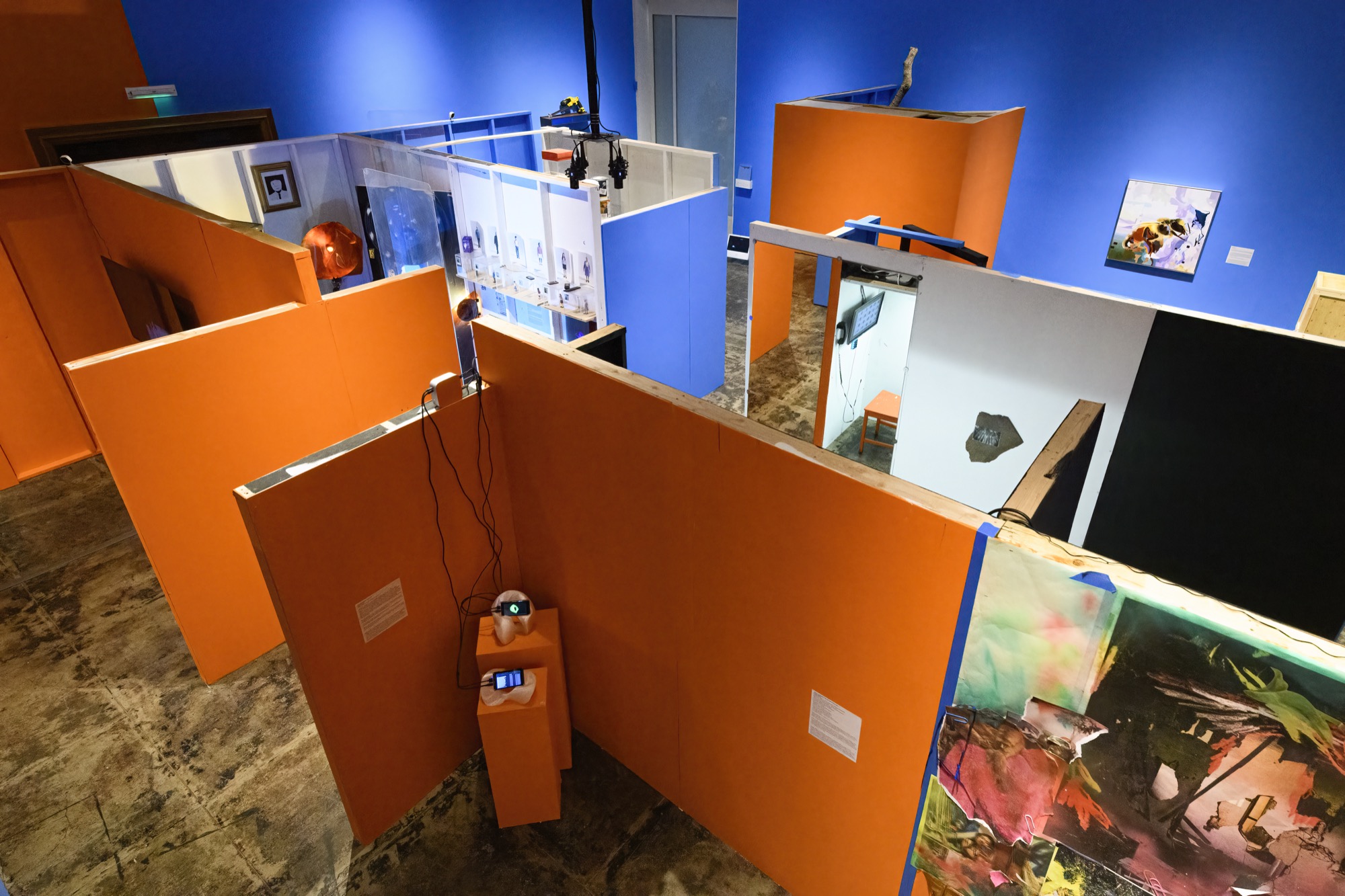
What are the limits of experience? This exhibition explores forms of appearance that press against the edges of perception—phenomena felt only indirectly, sensed as traces, intensities, or disturbances rather than stable objects.
“Extra/phenomenality” refers to this ambiguous zone of surplus and slippage: where aspects of the world exceed or elude our usual modes of noticing, while still shaping how we see, feel, and understand.
The artists engage this terrain of extension and attenuation. Some work with subtle shifts of color, rhythm, or material. Others stage encounters with forms that flicker between visibility and invisibility.
EXTRA/PHENOMENALITIES asks viewers to slow down, to look again, and to inhabit the unstable relation between what appears and what exceeds appearing.
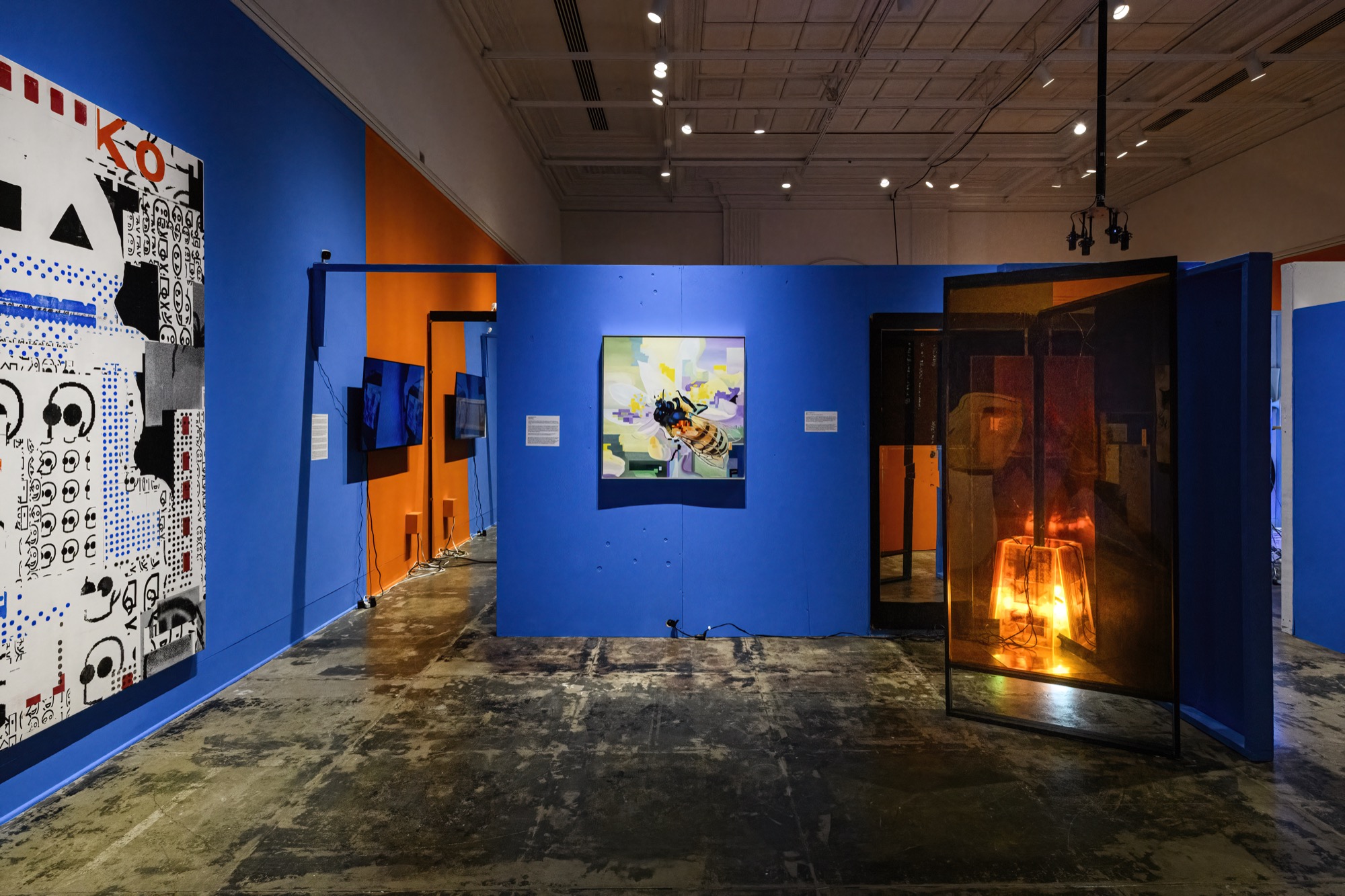
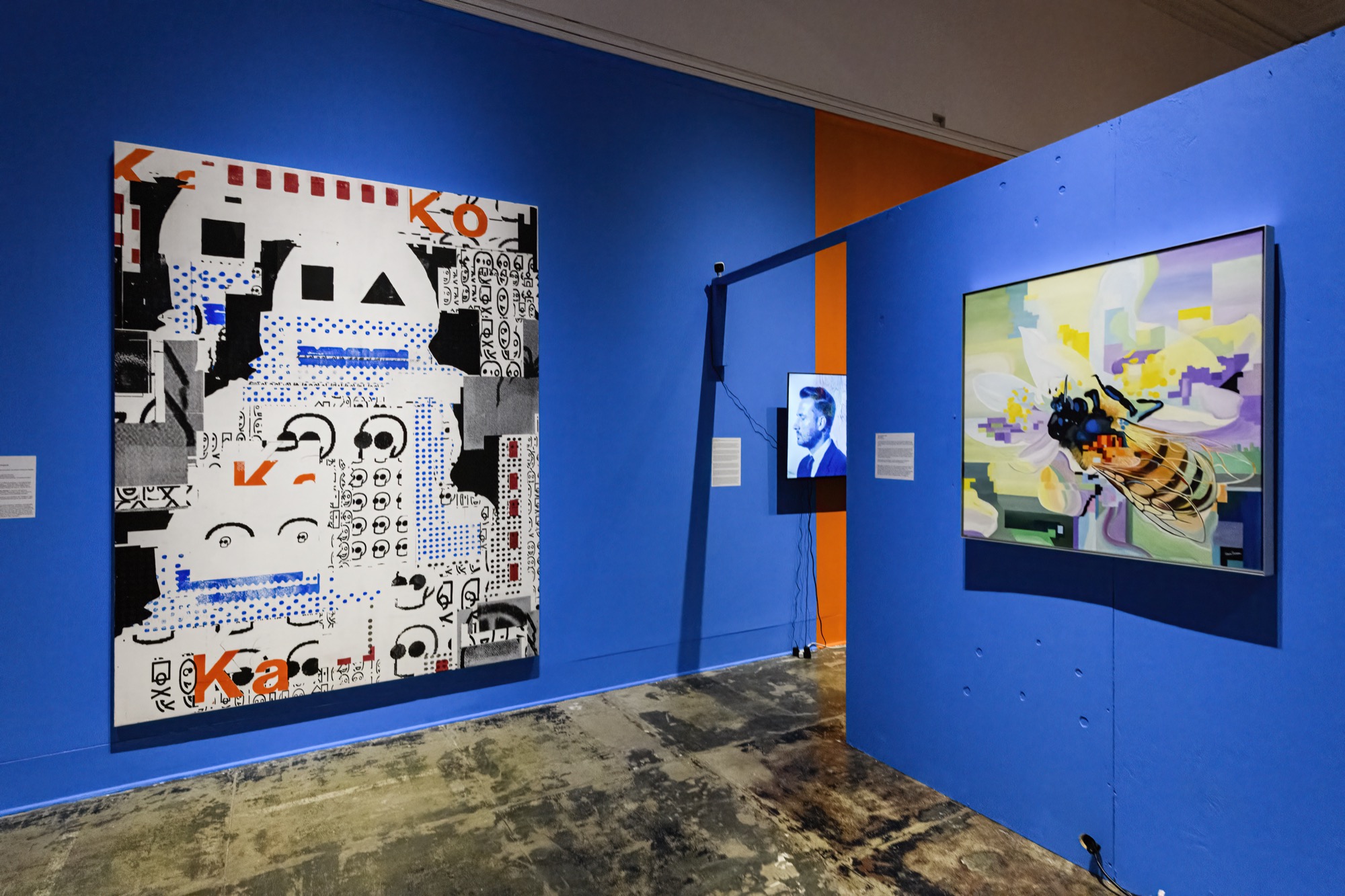
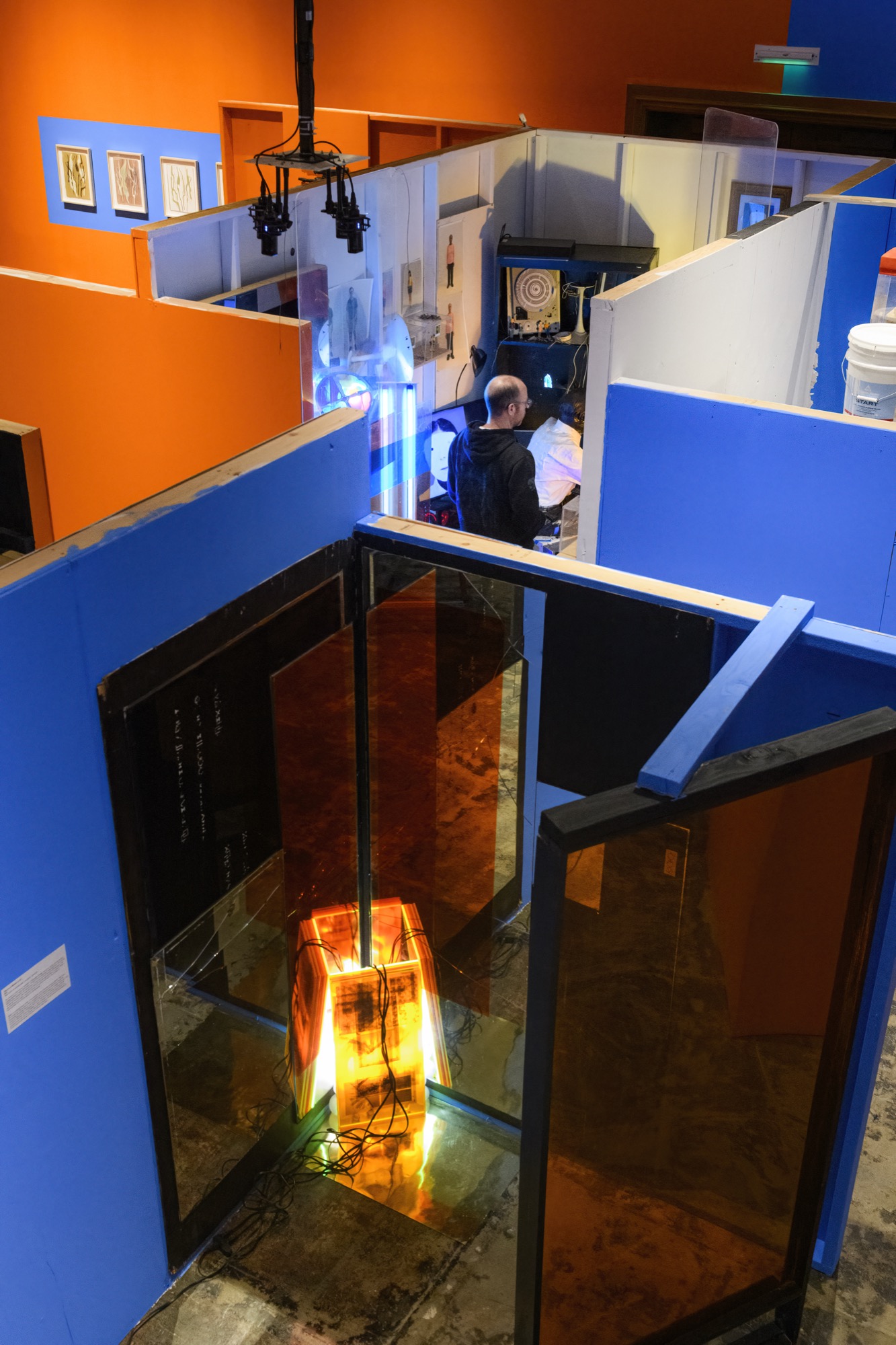
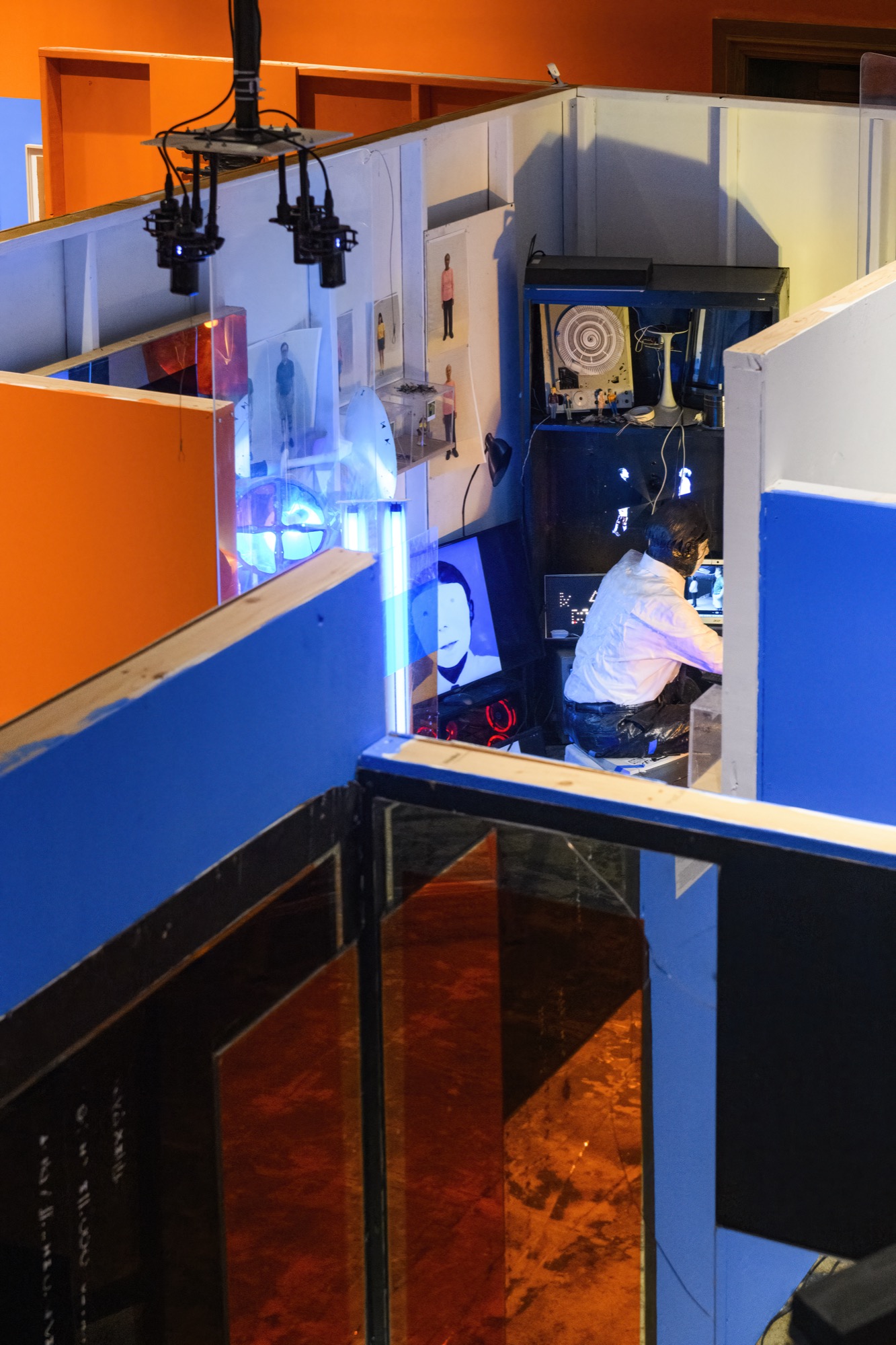
Andy Rappaport
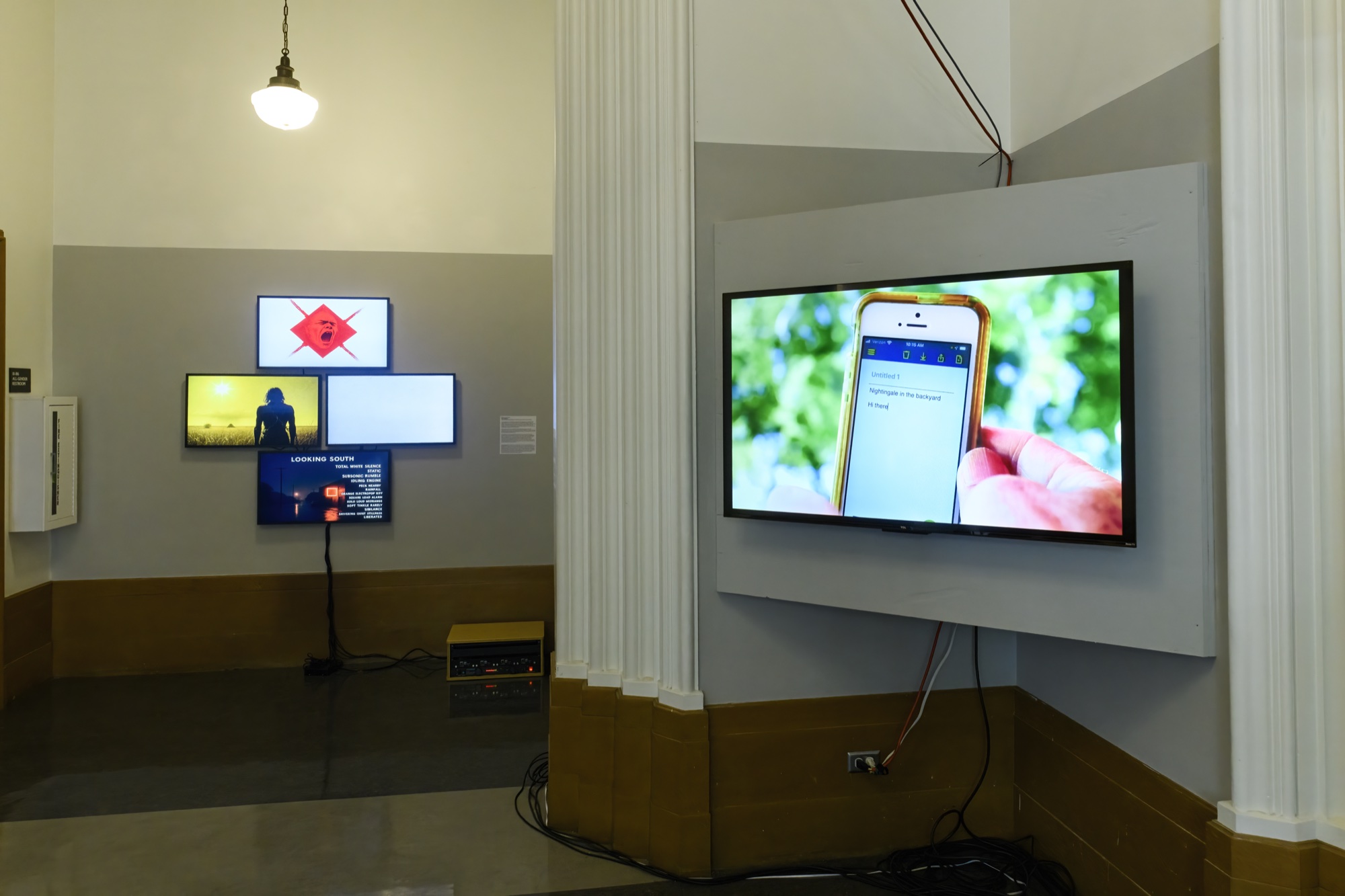
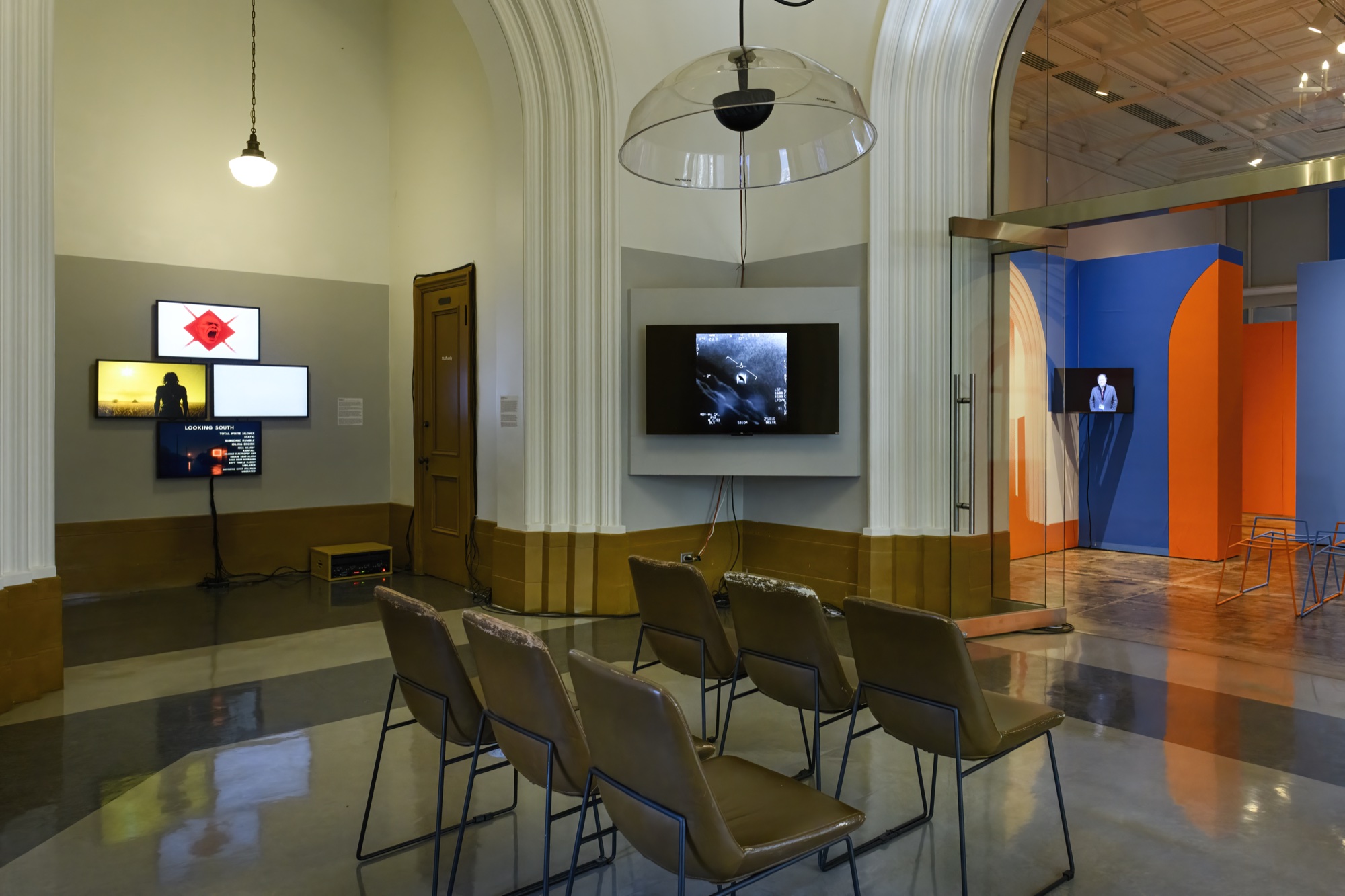
My Ephemeral Poetry Generators are part of my ongoing series not [TEXT], which explores the human compulsion to find recognition in the barely recognizable—patterns and connections in the barely sensible. The project began as an experiment in the deconstruction of sound, asking how much abstraction can be introduced before the familiar becomes unrecognizable. It has since evolved into a system for generating irreproducible works of spoken text and images that emerge from random associations yet appear as coherent narratives.
Ephemeral Poetry Generator #8 uses custom software to model poetry—here, the complete song lyrics of Lou Reed—in a way that preserves syntax, rhythm, and vocabulary while remaining entirely indifferent to meaning. The system can produce new poems that sound like the originals, but without semantic intention.
When a viewer approaches the work, a new poem is generated and sent in real time to both an image generator and a voice synthesizer. The voice remains familiar, but the story exists only through the viewer’s act of interpretation. Each poem is spoken only once. The images persist only until the next poem is generated. Nothing is saved, and nothing can be reproduced. The work therefore foregrounds not the permanence of what is produced, but the fleeting experience—and memory—of encountering it.
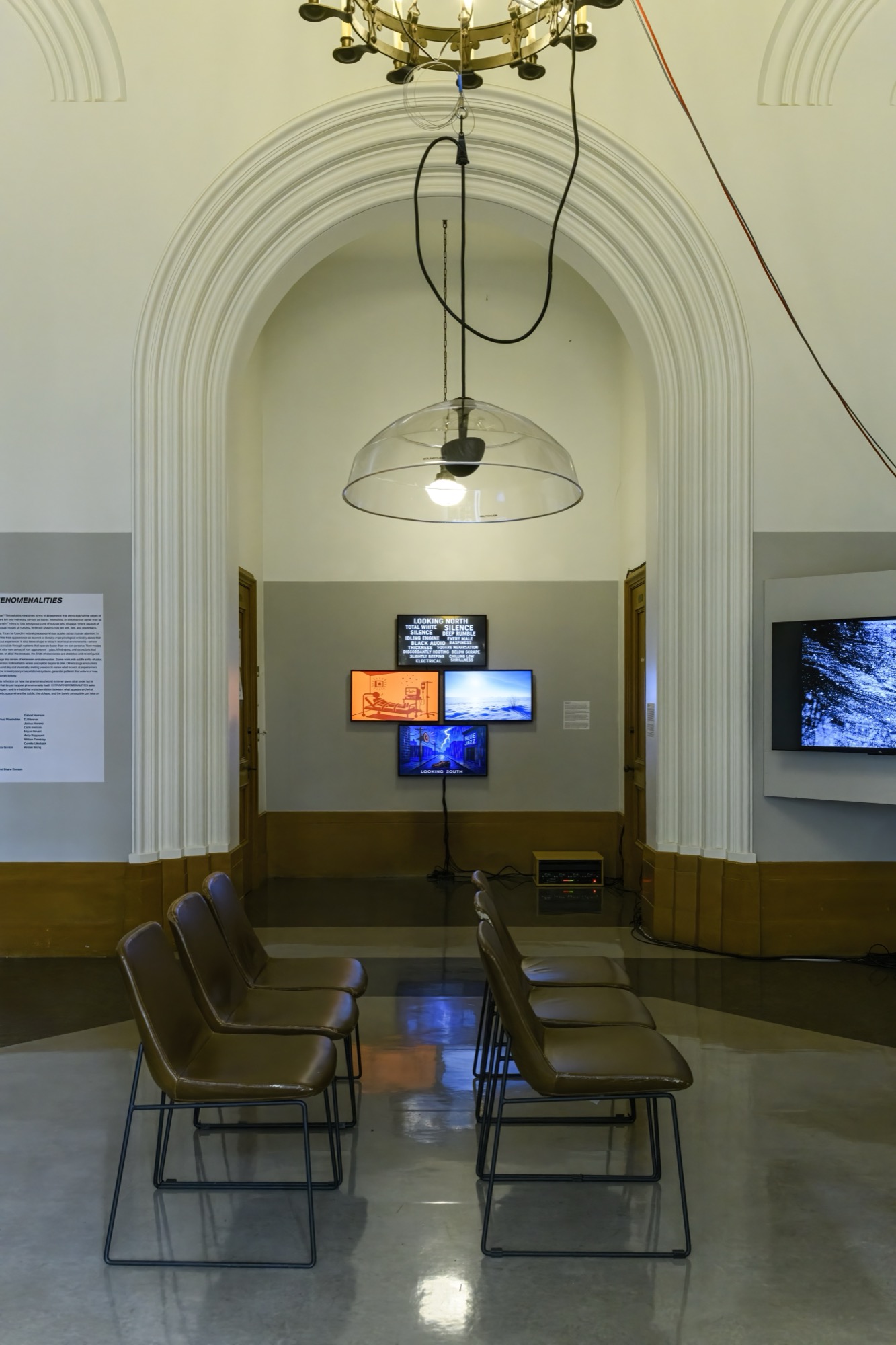
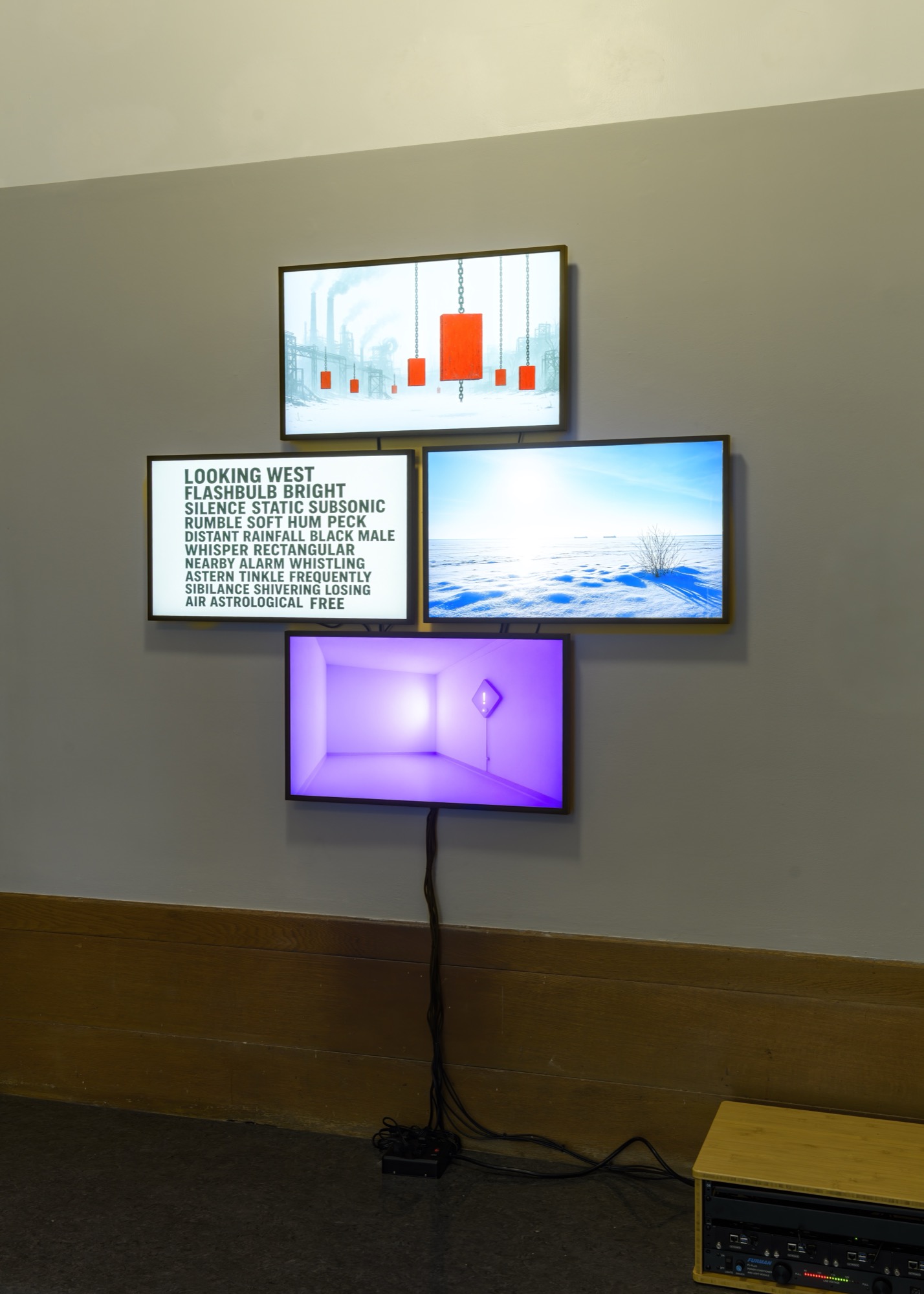
As a sound artist, I am accustomed to intervening in environments in inescapable ways. Unlike visual works, sound cannot be avoided; it fundamentally reshapes the space it inhabits. When multiple sound works share an environment, they inevitably interfere with one another—sometimes productively, but often in ways that undermine artistic intent. This creates a kind of Heisenbergian paradox: one can faithfully present an individual work or the relationships among many, but not both at once.
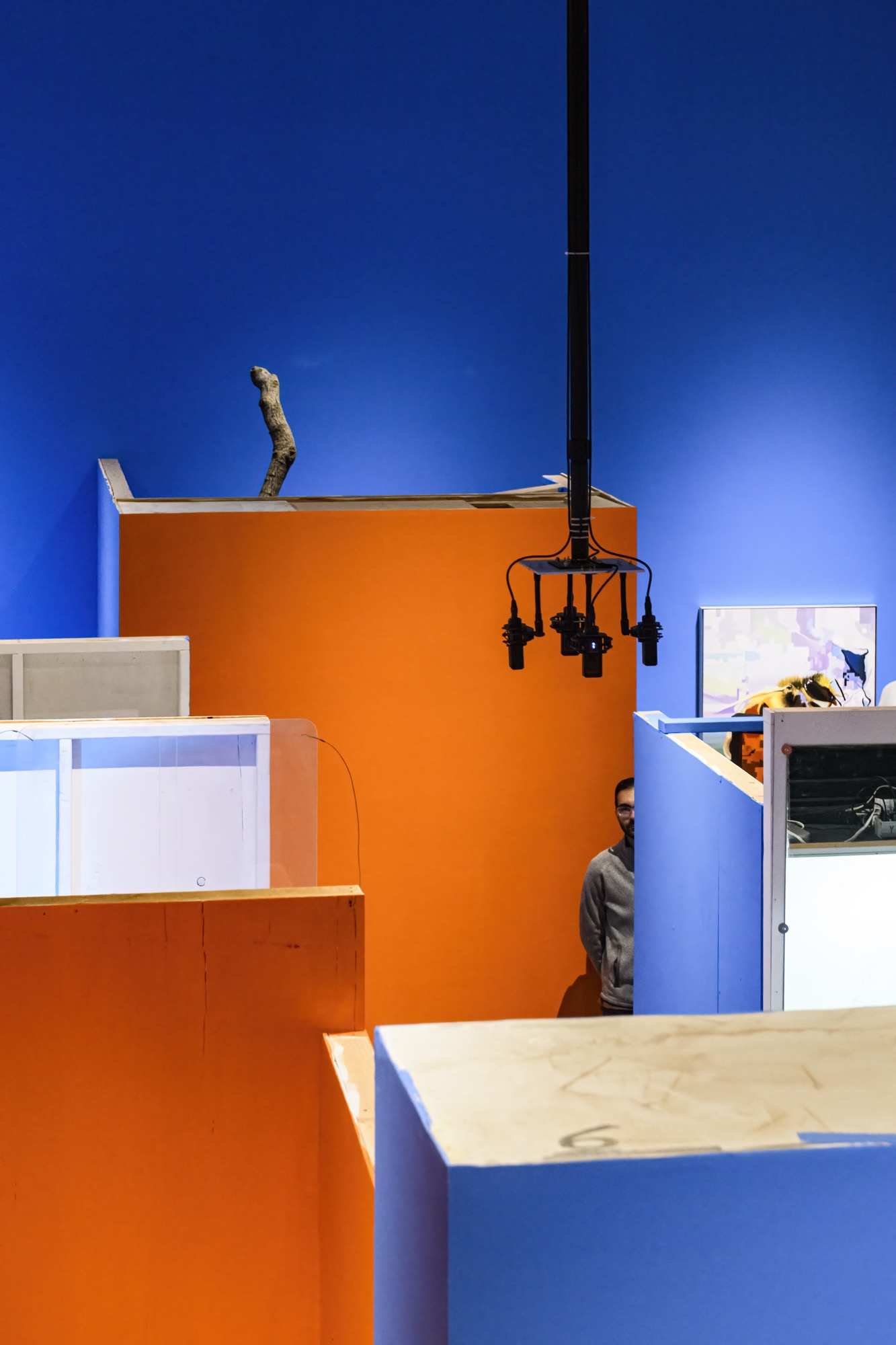
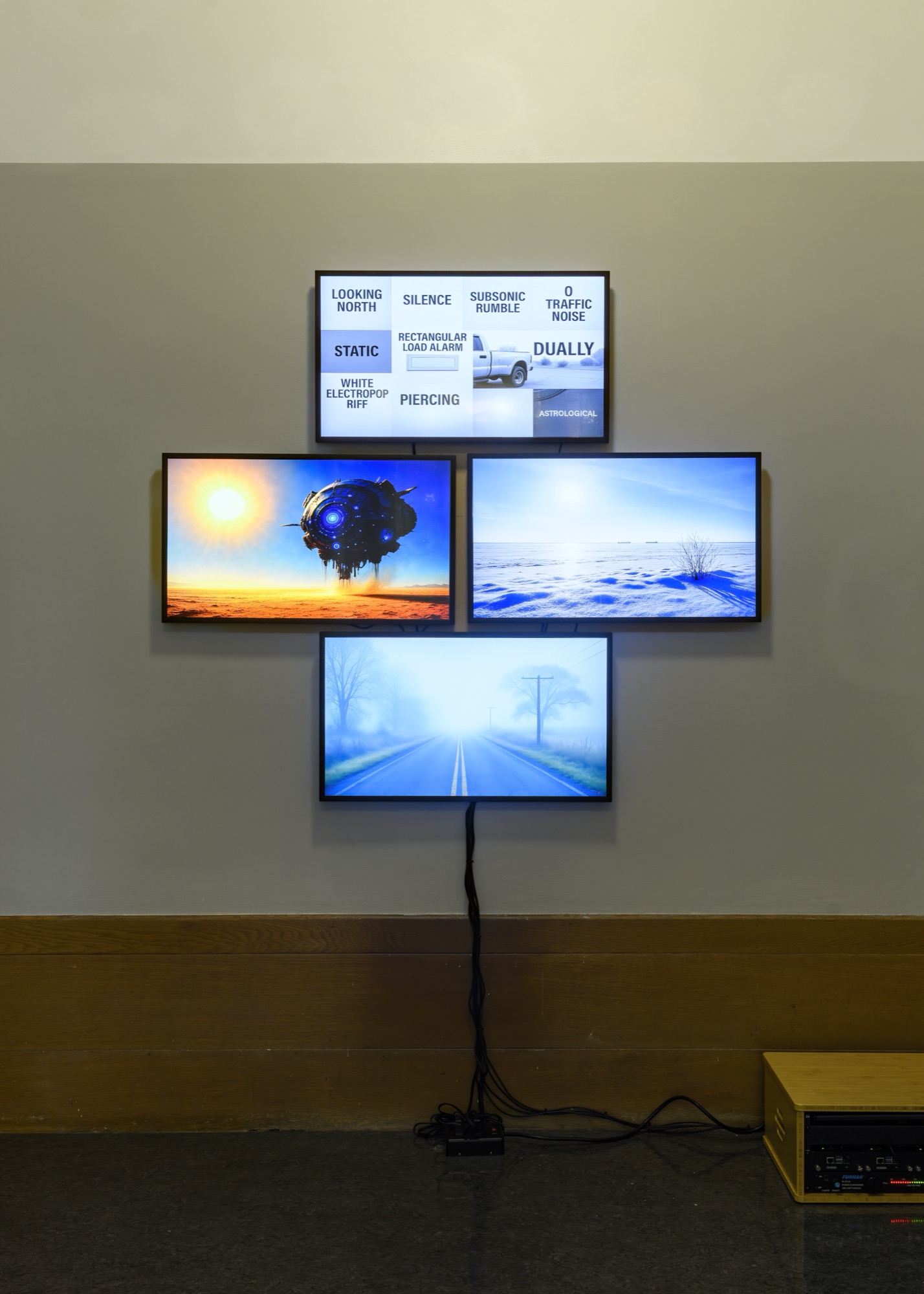
Read the Room begins from a different premise. Rather than adding sound to an environment, the work absorbs the sound already present. In doing so, it remains in constant dialogue with its surroundings without disrupting them, allowing it to coexist with other works while maintaining its own internal logic.
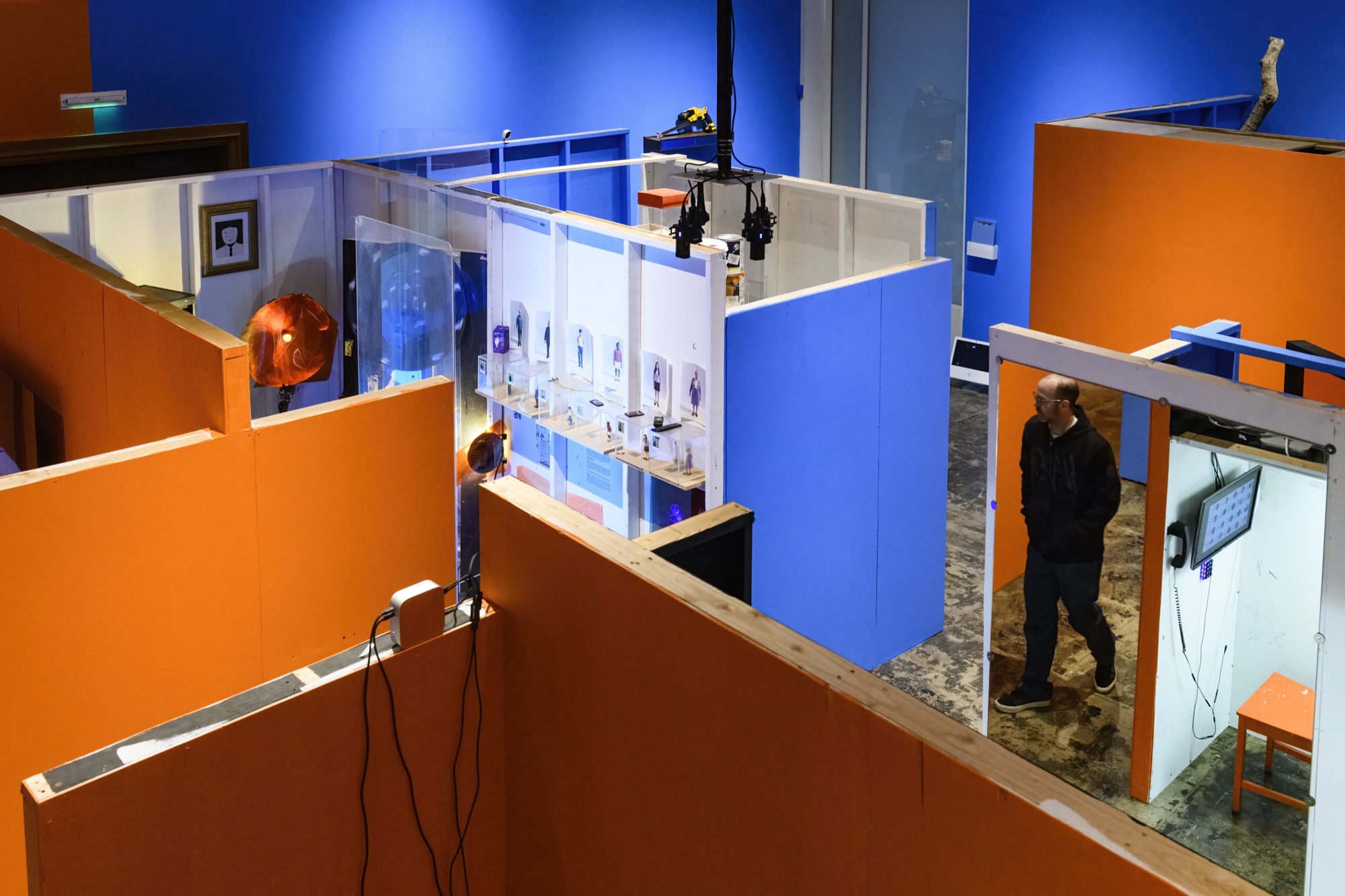
The installation uses four hyperdirectional microphones oriented toward the cardinal directions. Audio from each direction is analyzed to generate a distinct acoustic fingerprint, which is translated through an encoding system into descriptive text. These texts—each marked by direction—are sent asynchronously to an image generator, producing a continuously evolving 360-degree visual field. The resulting images bear no literal relationship to the sounds that generate them. Yet over time, the human impulse to search for patterns begins to surface, revealing an intuitive correspondence between the absorbed acoustic energy and its visual expression.
Andy Rappaport is a sound and video artist whose work draws on his experience as a photographer, musician, composer, and technologist. His most recent work combines sound, images, and AI technology to explore the human compulsion to extract meaning from the smallest fragments of recognition. Other work, both solo and in long-standing collaboration with Deborah Oropallo, has dealt with various cognitive, social, environmental, and political themes. Rappaport’s work has been widely exhibited and is in the permanent collections of the Smithsonian American Art Museum, the Schneider Museum of Art, the Kramlich Collection, and 21C, as well as many private collections.
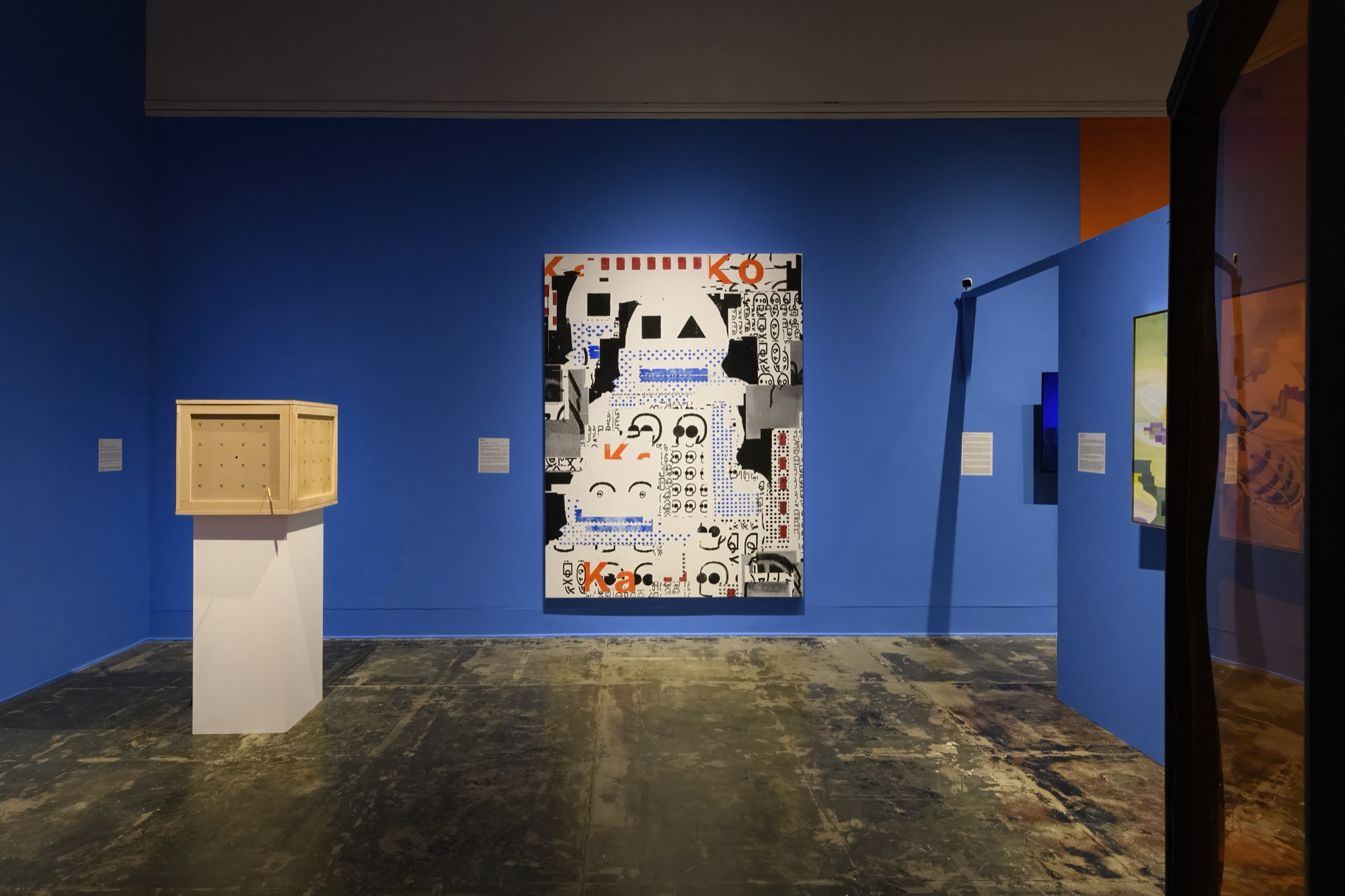
Brett Amory
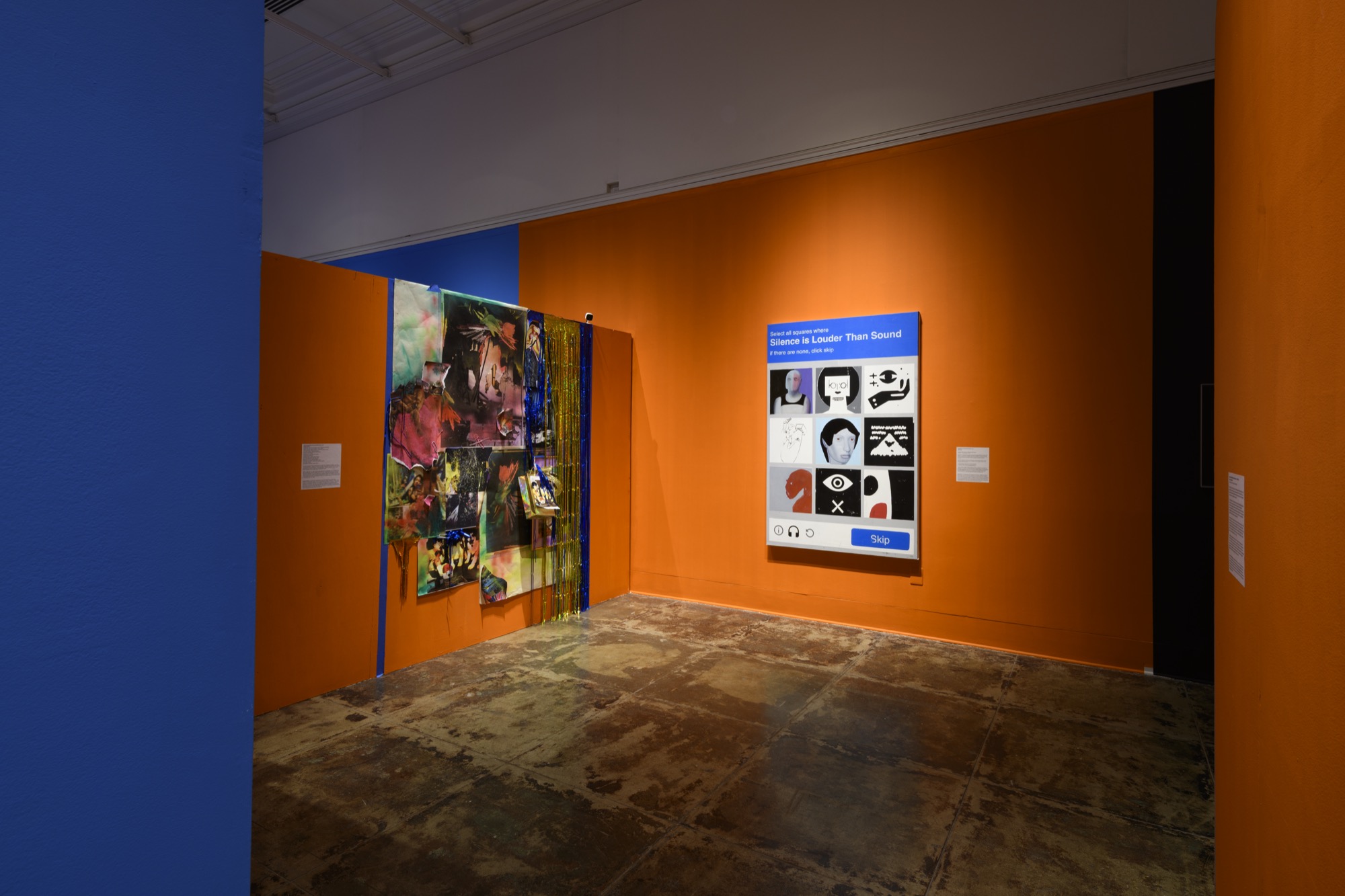
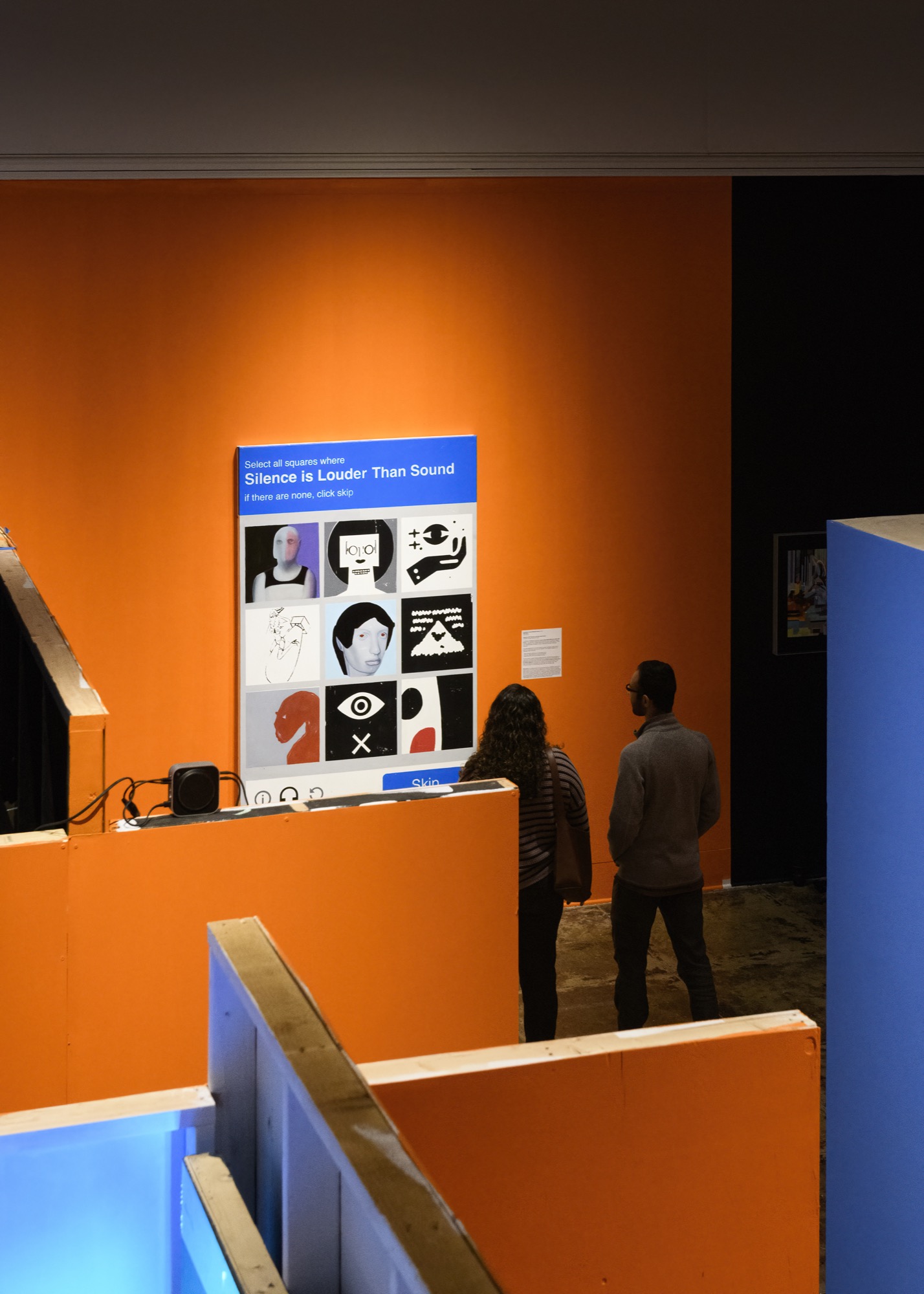
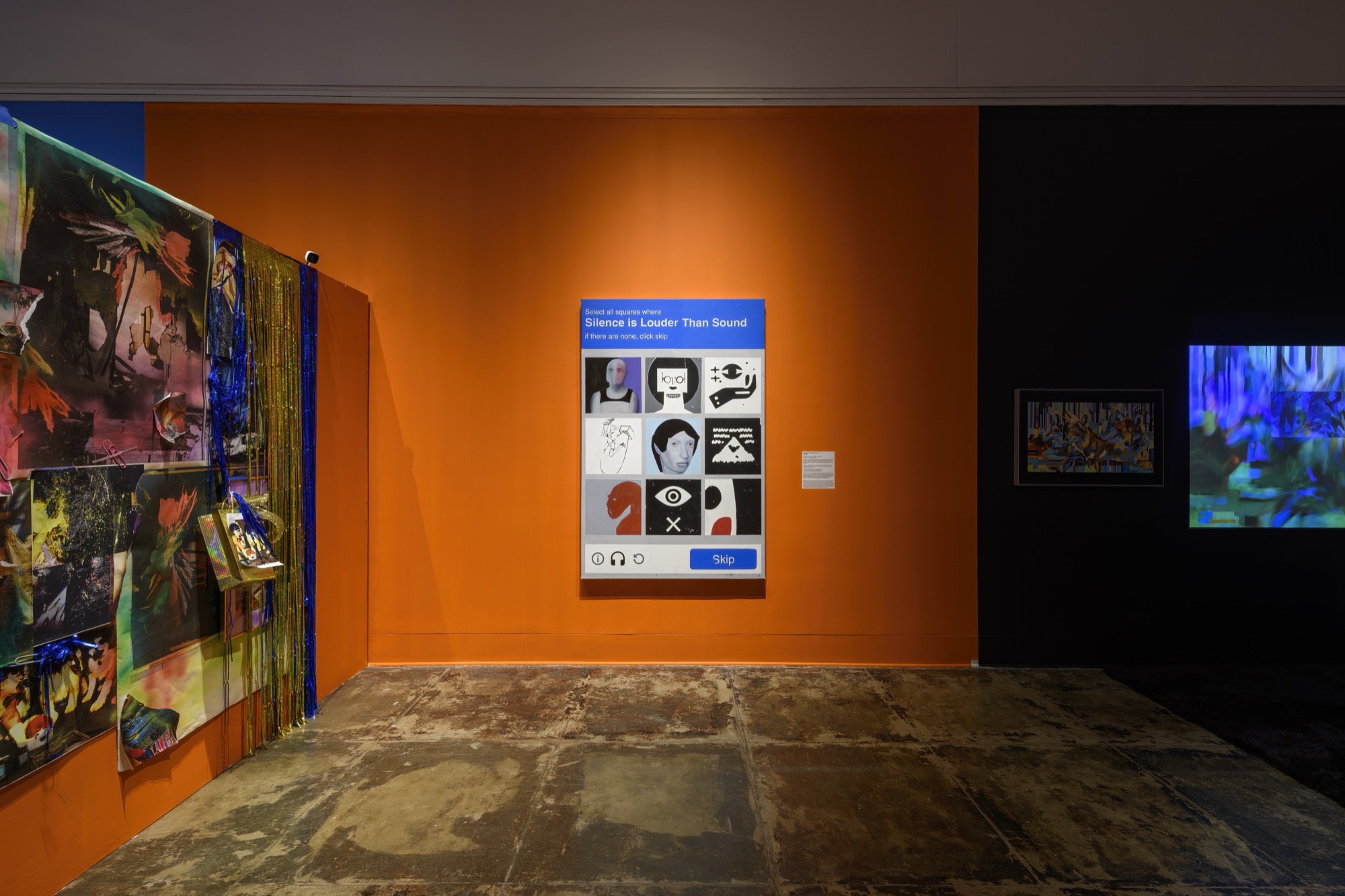
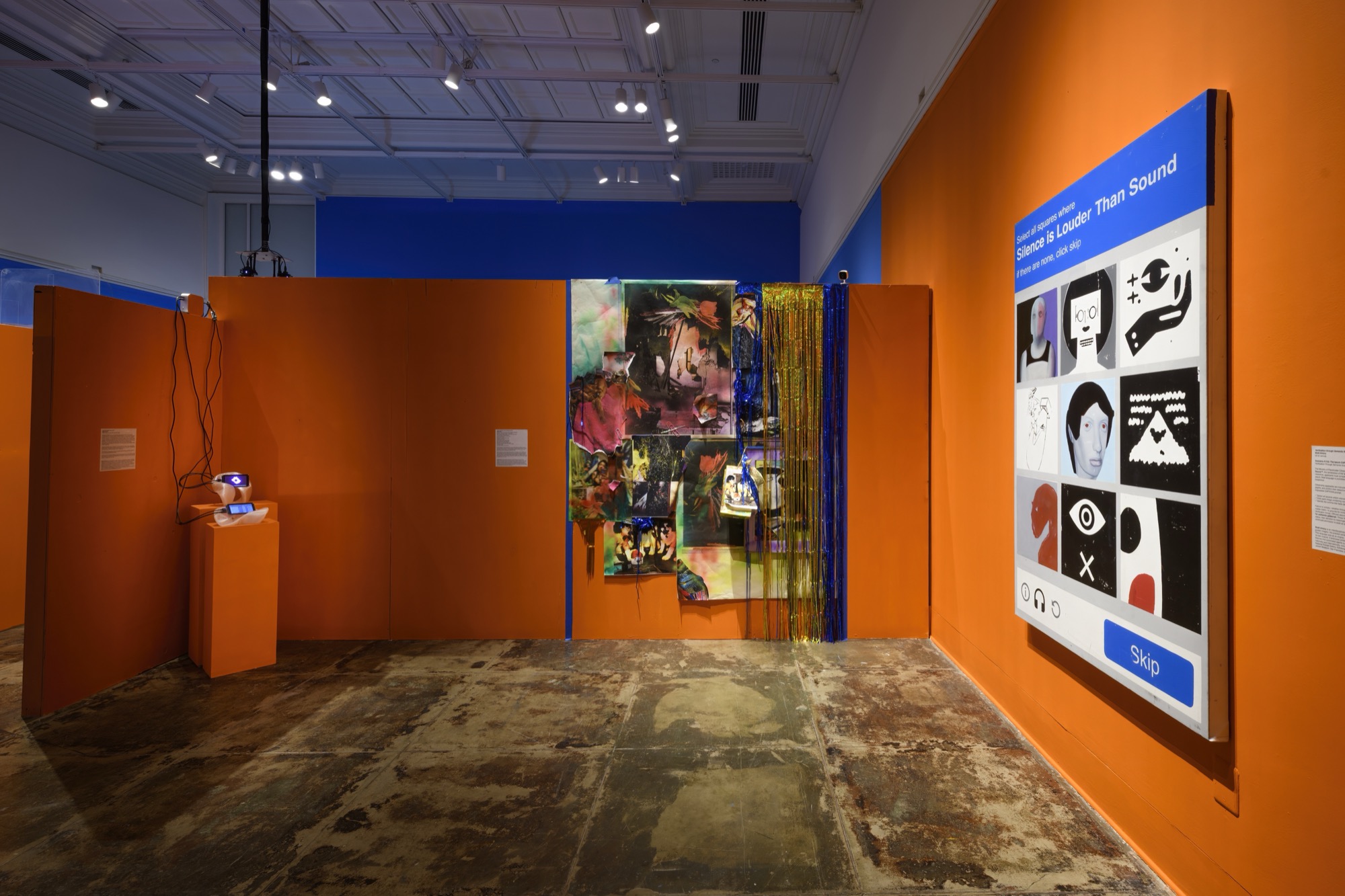
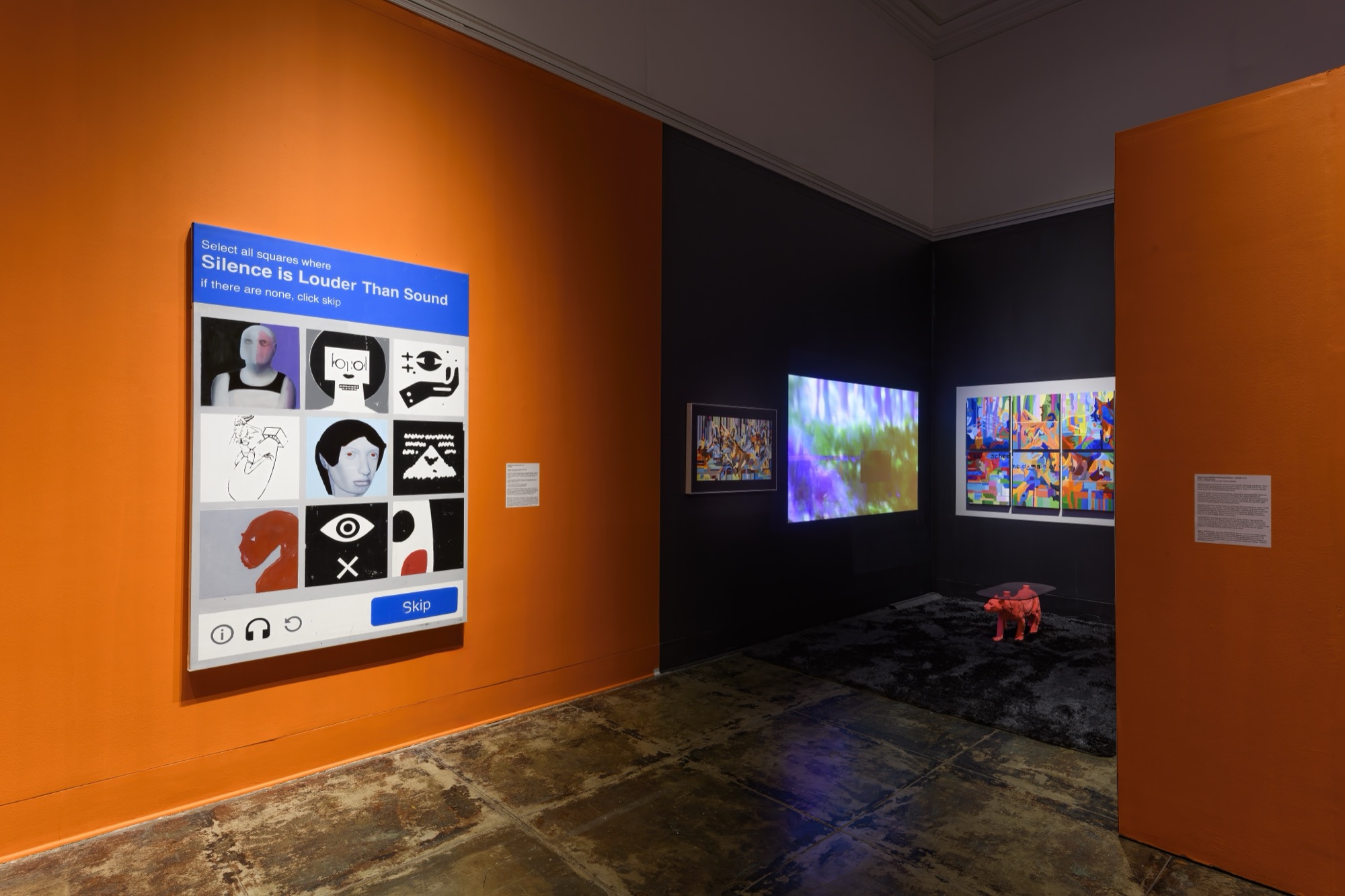
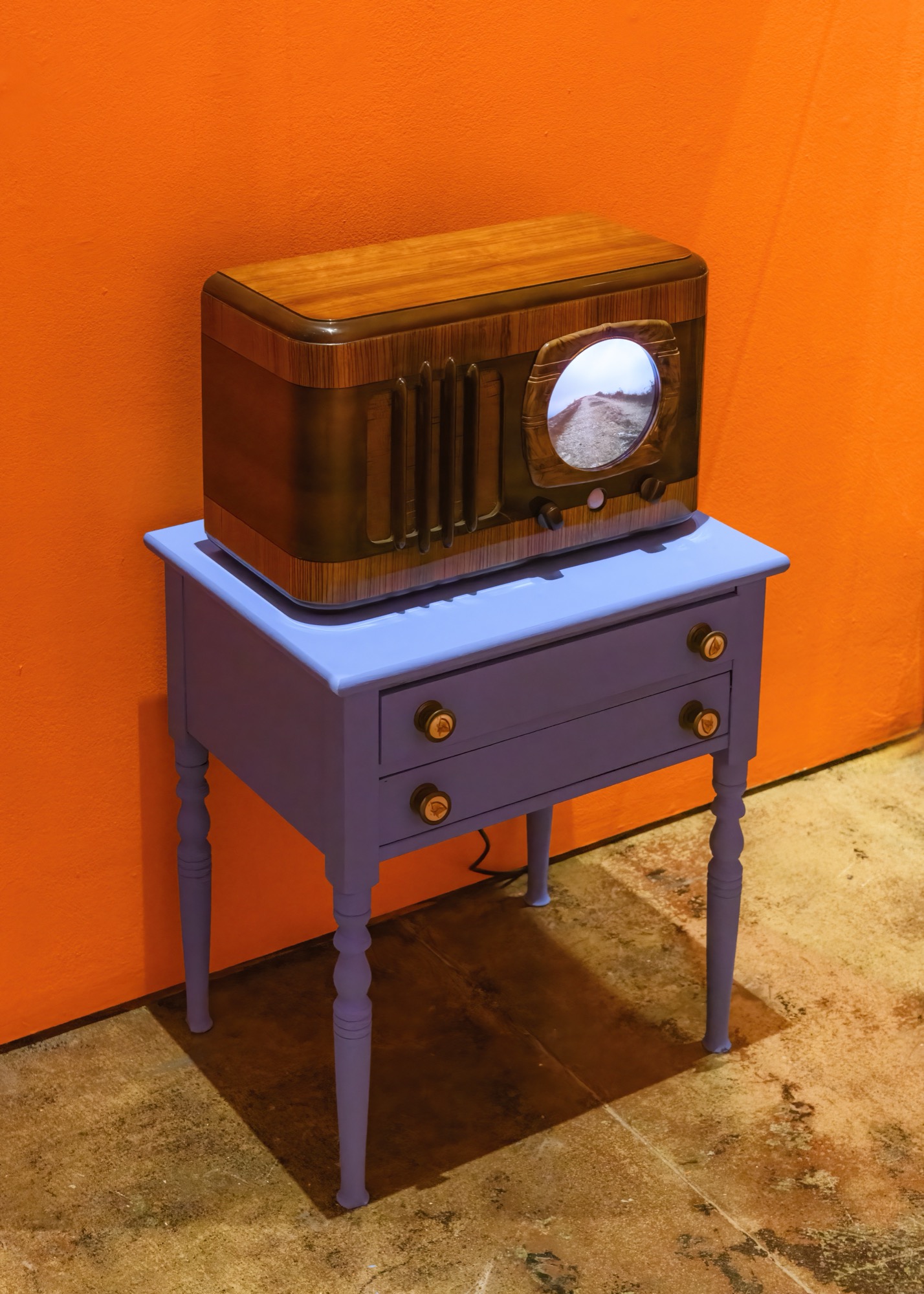
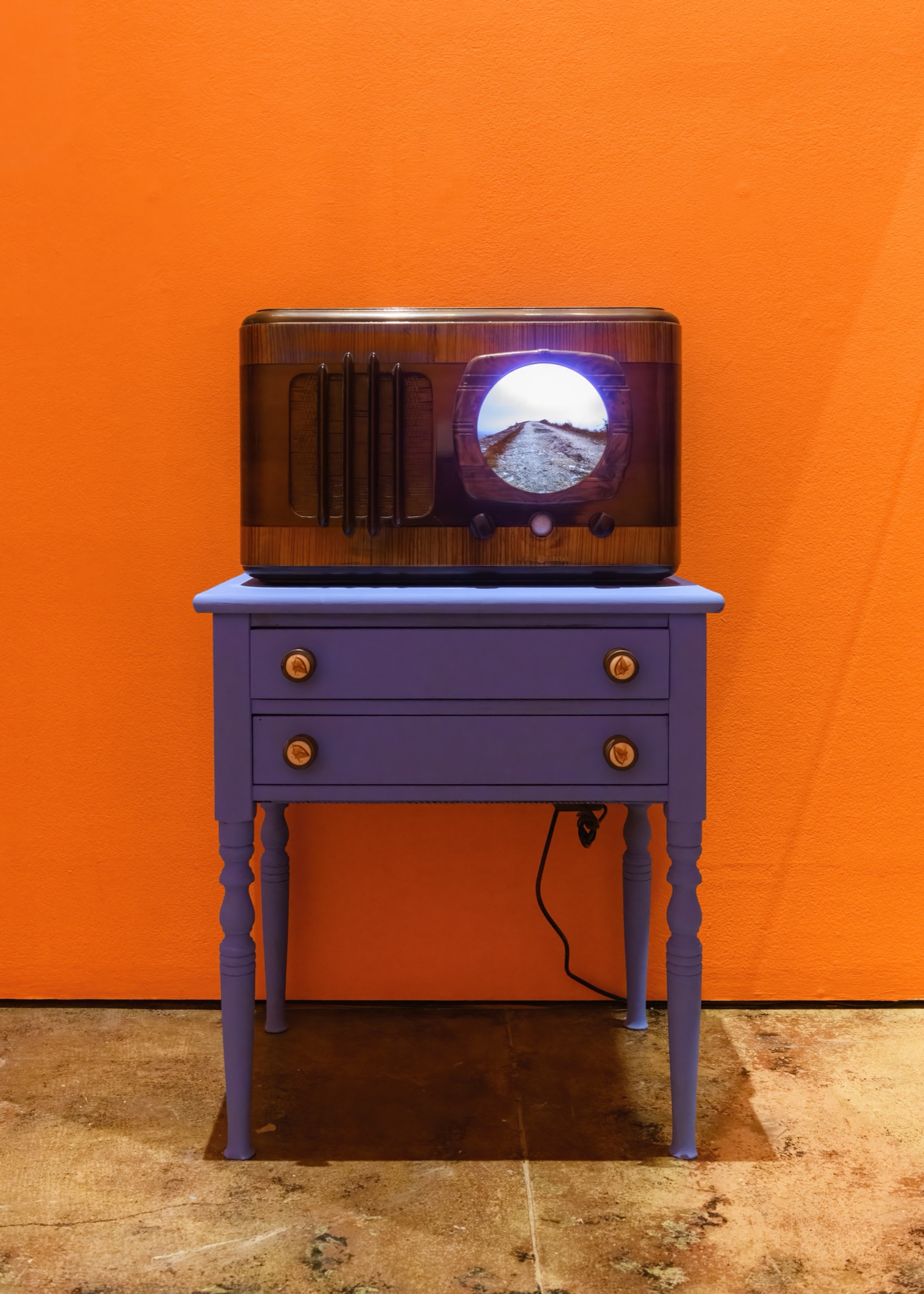
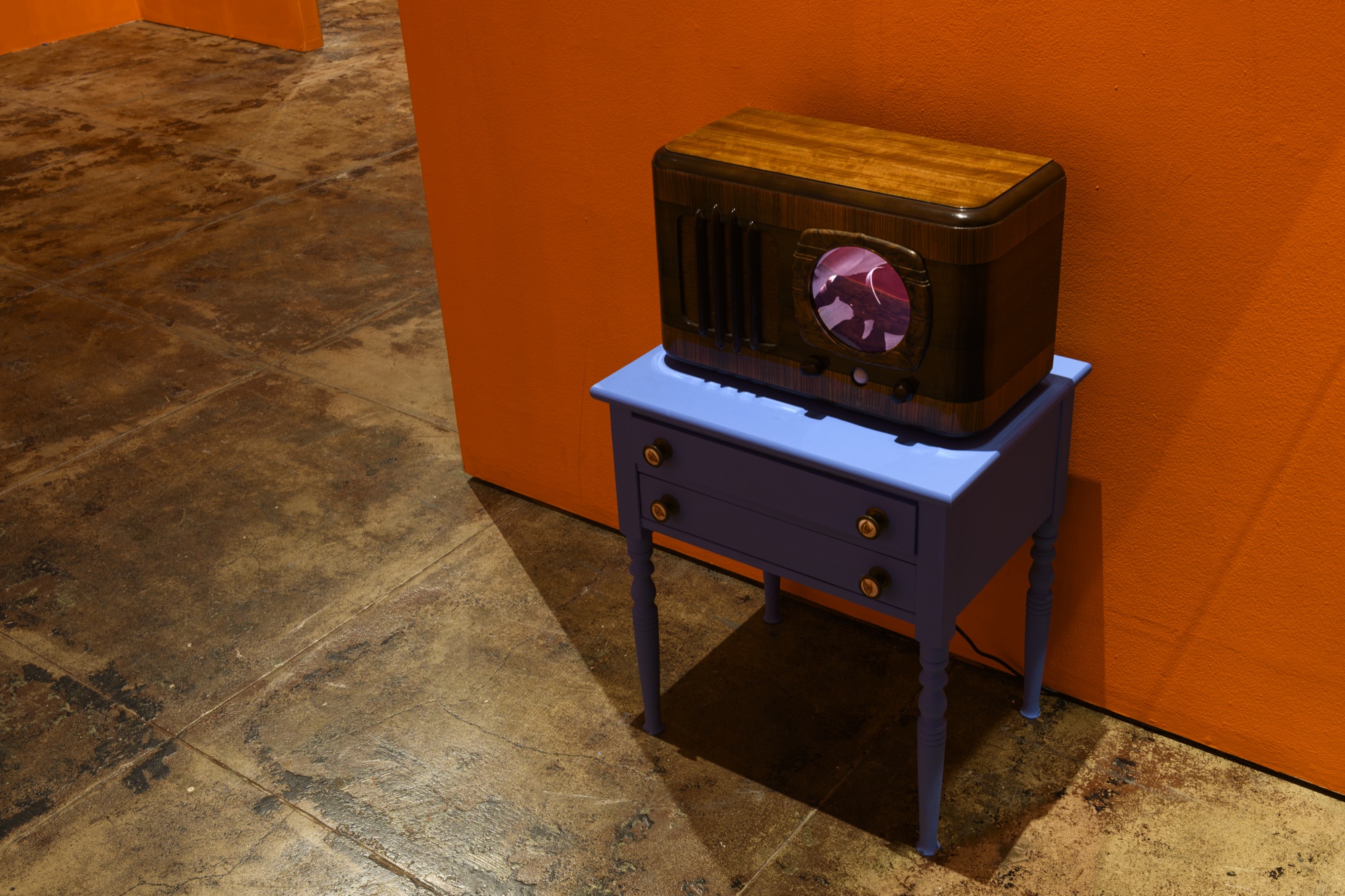
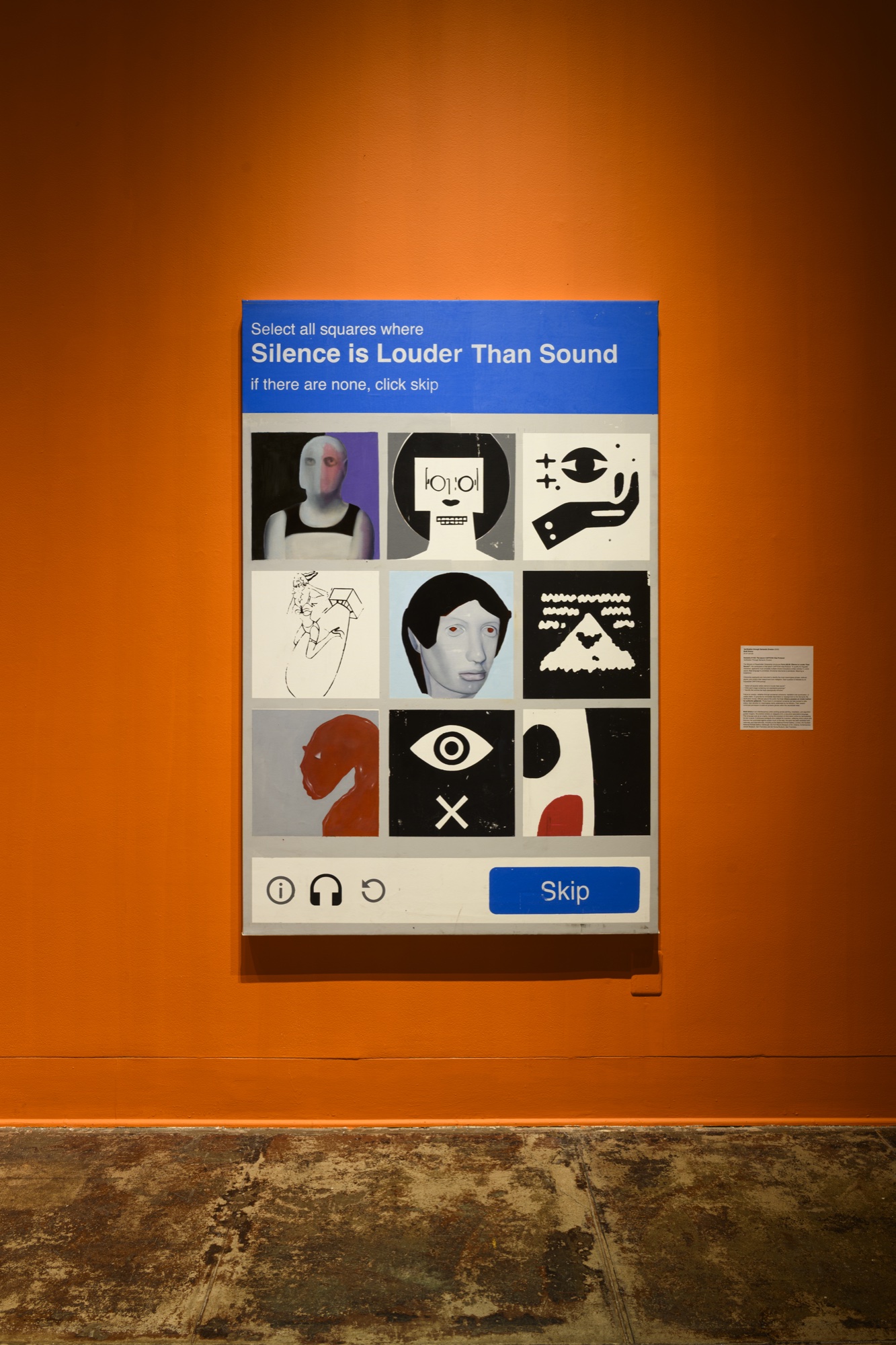
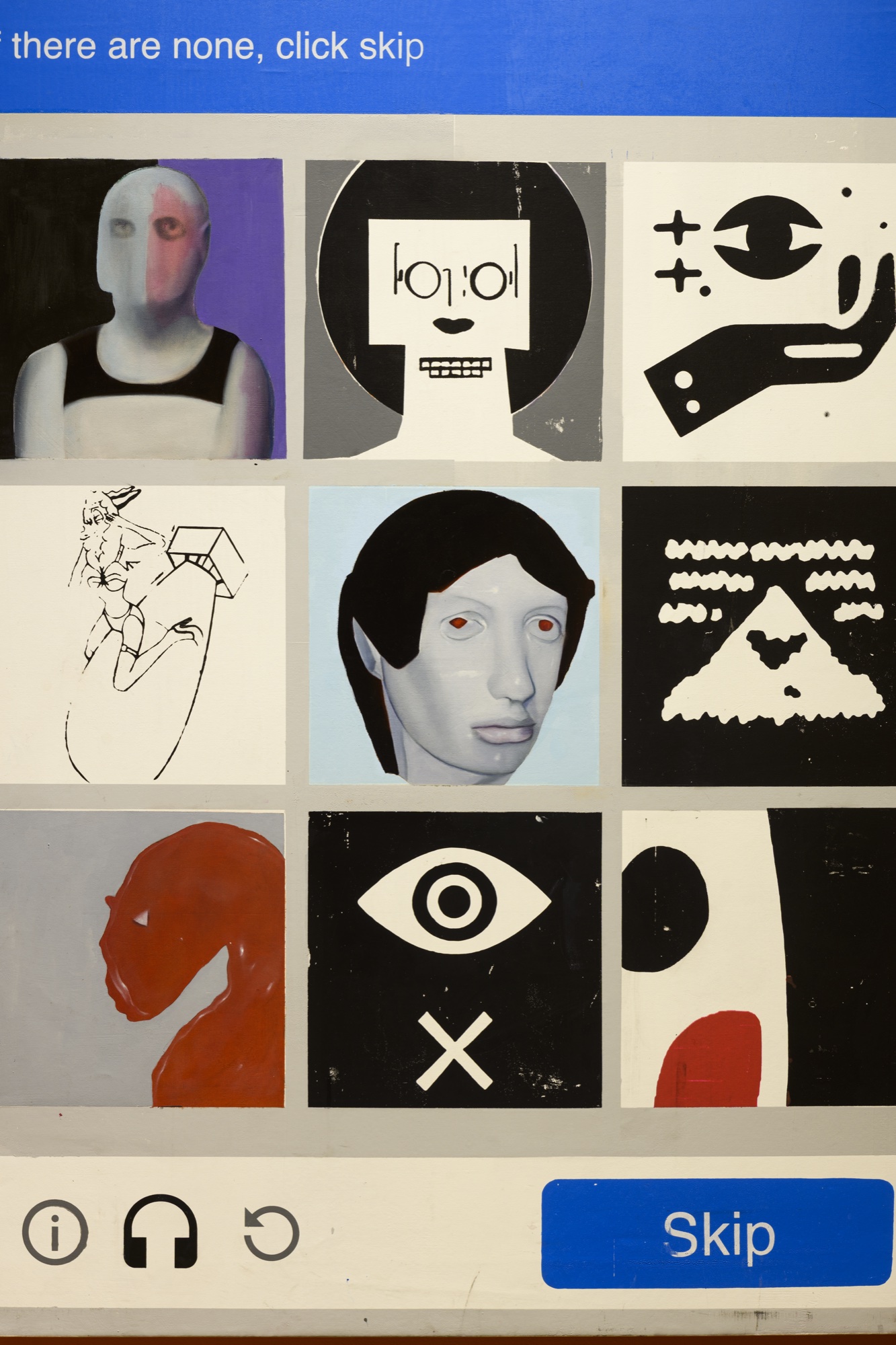
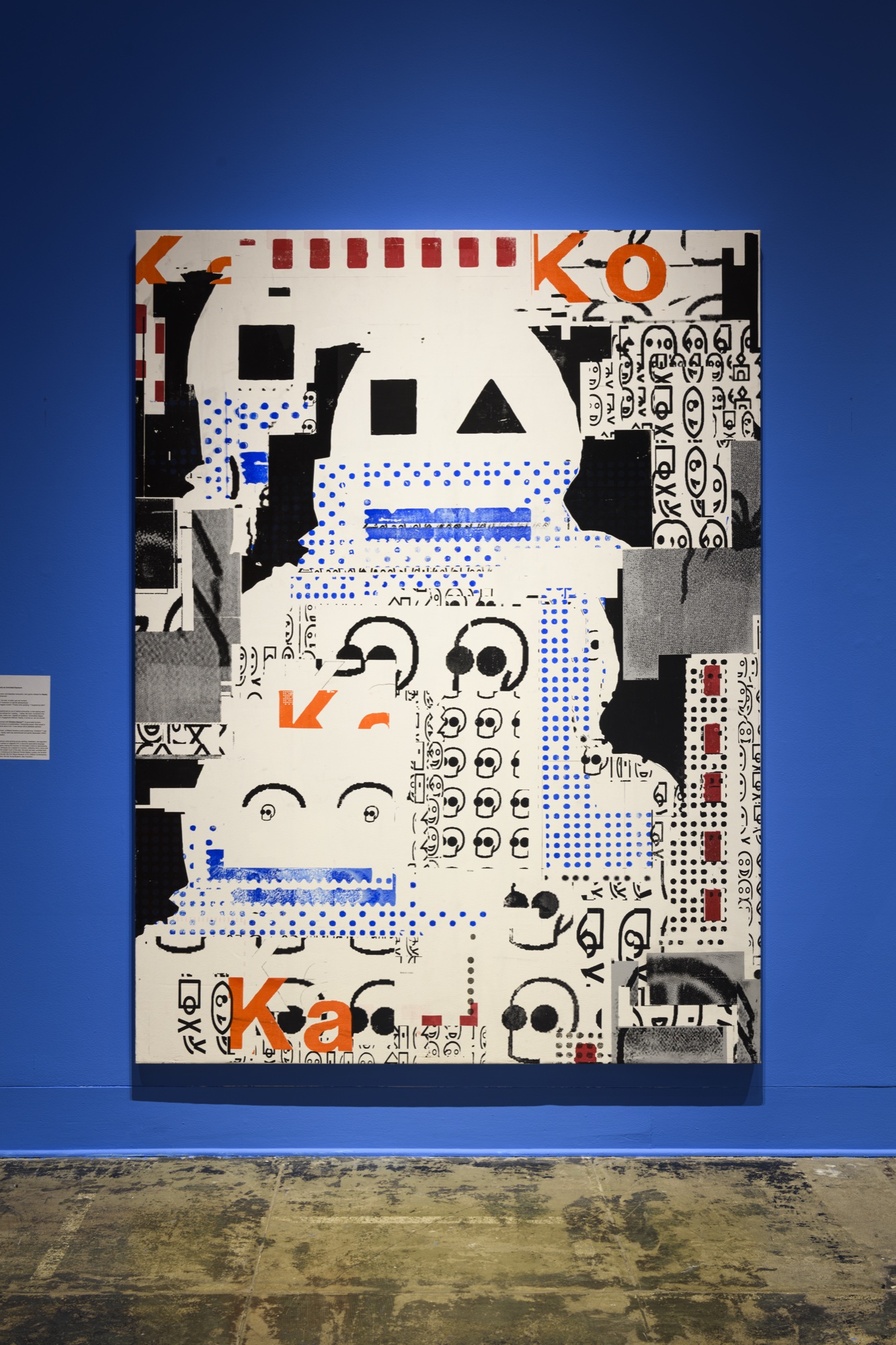
Scenario #1153: The Ipsum CAPTCHA Visa Protocol ⧎⧓⧑⧔⧗ — Verification Through Semantic Erosion
The Ministry of Placeholder Citizenship introduces Form A22-B: Silence is Louder Than Sound™, the centerpiece of the Ipsum CAPTCHA Visa Protocol. To qualify for linguistic clearance, applicants must complete multiple-choice evaluations written entirely in Lorem ipsum. Real language is prohibited. Emotional resonance is penalized. Meaning is suspicious.
Citizenship applicants are instructed to identify the most meaningless phrase, mistrust glyphs, and confirm their detachment from metaphor. Each question is followed by an impossible CAPTCHA prompt:
• “Select all squares where silence is louder than sound.” • “Click each image containing non-expressive grammar.” • “Identify the comma that feels ideologically intrusive.”
Failure to comply—whether through accidental coherence, hesitation over punctuation, or visible intent—is grounds for immediate deportation or reassignment to the Semantic Re Verification Annex. Officials assure the public that true citizens possess an innate instinct for authentic gibberish. Those fluent in conceptual nonsense are fast-tracked to elite status, their devotion to meaningless clarity celebrated by the Ministry. Their reward: continued permission to exist as syntactic ghosts within the neutralized state.
Scenario #1153: Authenticity as Controlled Exposure ⧉⧓⧗⧊ — KAKO
In 2030, to combat bot saturation and deepfake exhaustion, tech giants initiated the Reality Exposure Protocol™. It introduced:
• Verified Human Zones™: No bots, no edits, just raw humans. • /unfiltered: YouTube’s 24/7 livestream of real-life awkwardness. • EmoSync™: Emotionally tagged content: “Posted while spiraling,” “I laughed but didn’t mean it.”
For 72 hours, the internet experienced an era of radical authenticity: a man sighing went viral, a teen staring into space birthed the “Loading…” meme. But soon, humanity’s true self—unfiltered, unspectacular, visibly lost—repelled its audience. Vulnerability fatigue spread faster than any trend. Engagement flatlined. Reality, it turned out, did not convert.
Platforms replaced the experiment with Emotion Decoys™, AI-generated humans programmed for just the right amount of existentialism. Viewership soared. Bots issued a joint statement: “This was never about truth. It was always about palatable sadness.”
The human zones were archived. /unfiltered became a color-graded loop. EmoSync™ was rebranded as a sticker pack. Reality itself was aestheticized and gently deprecated. KAKO declared the operation successful.
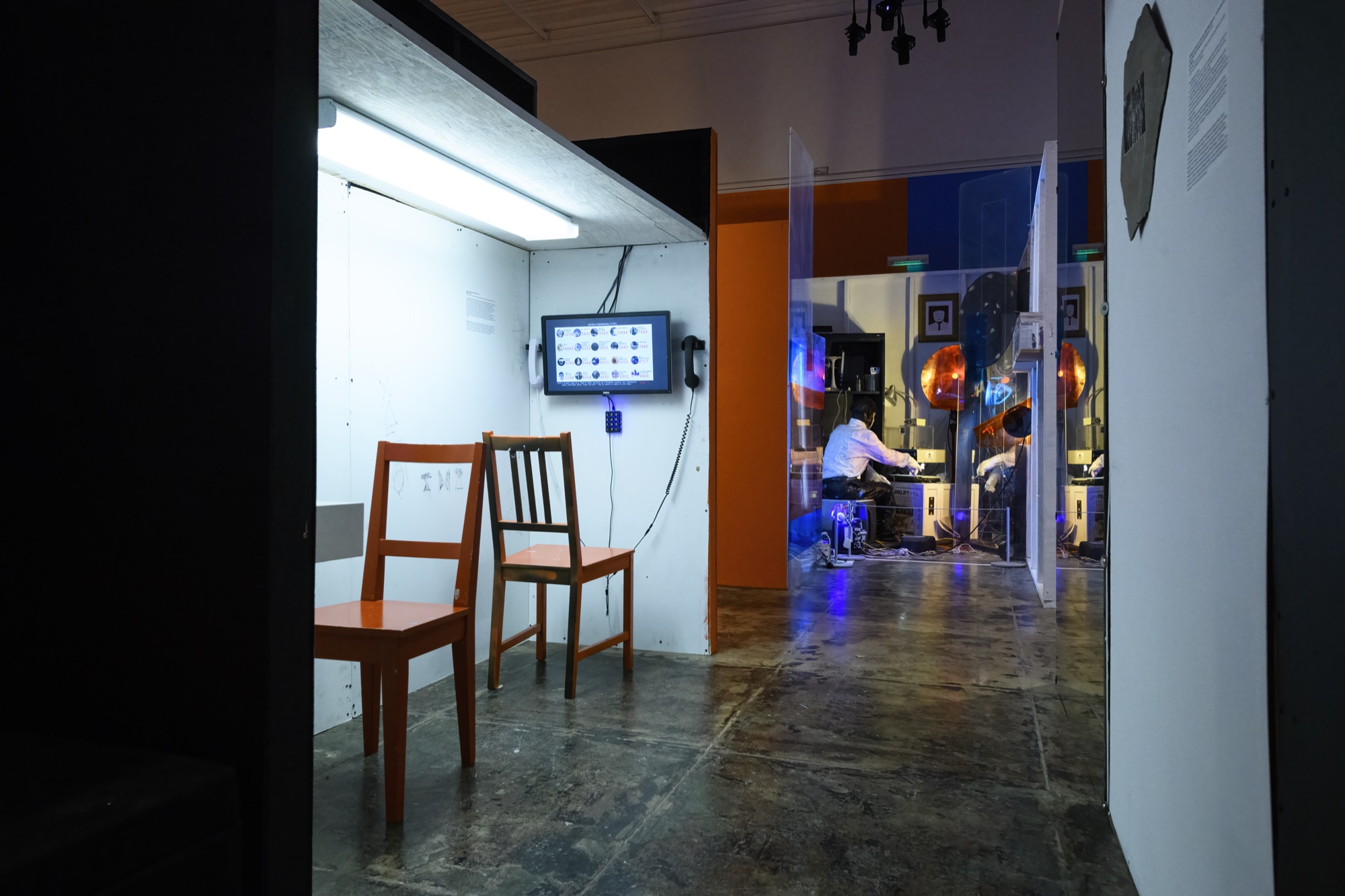
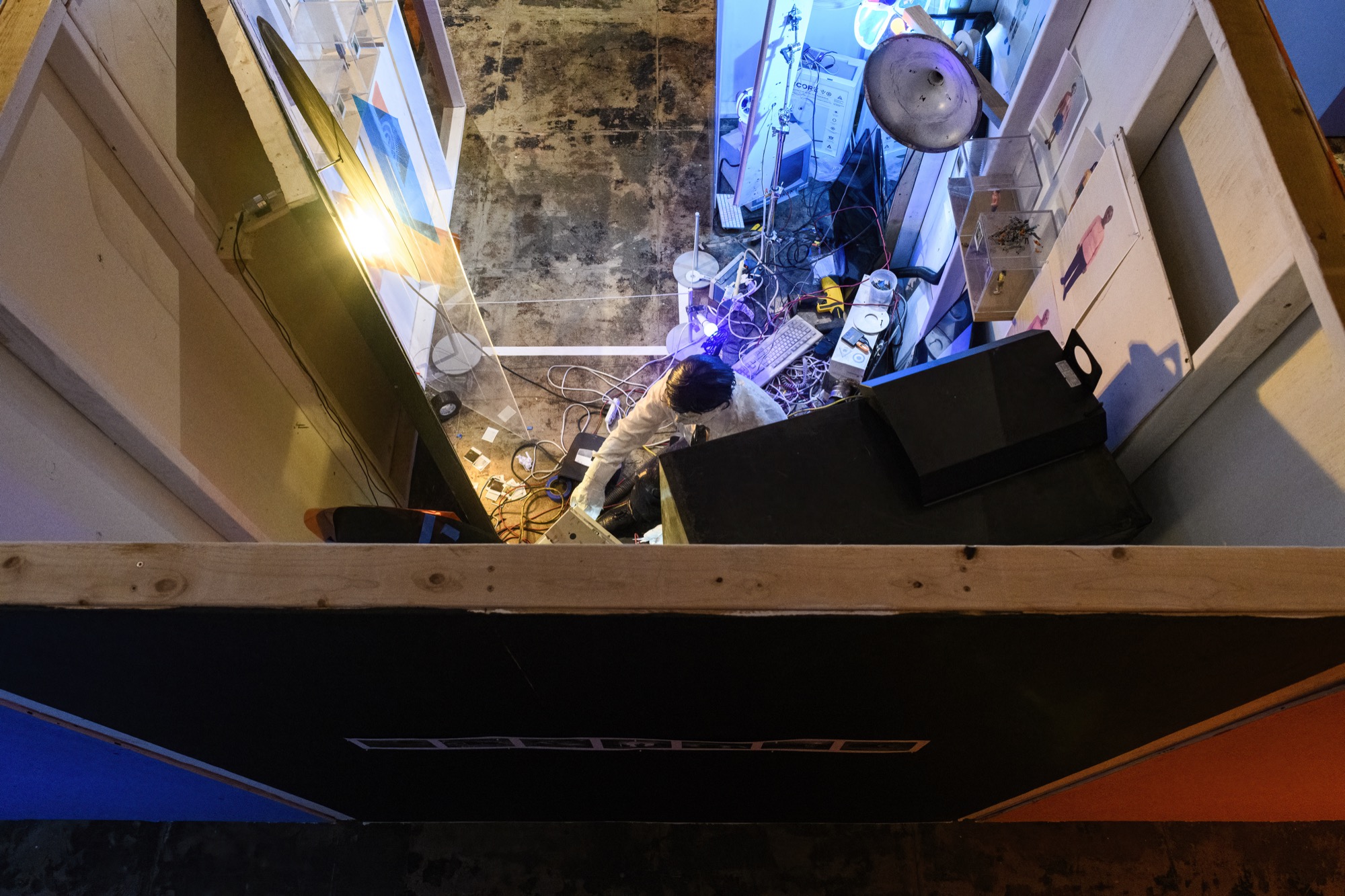
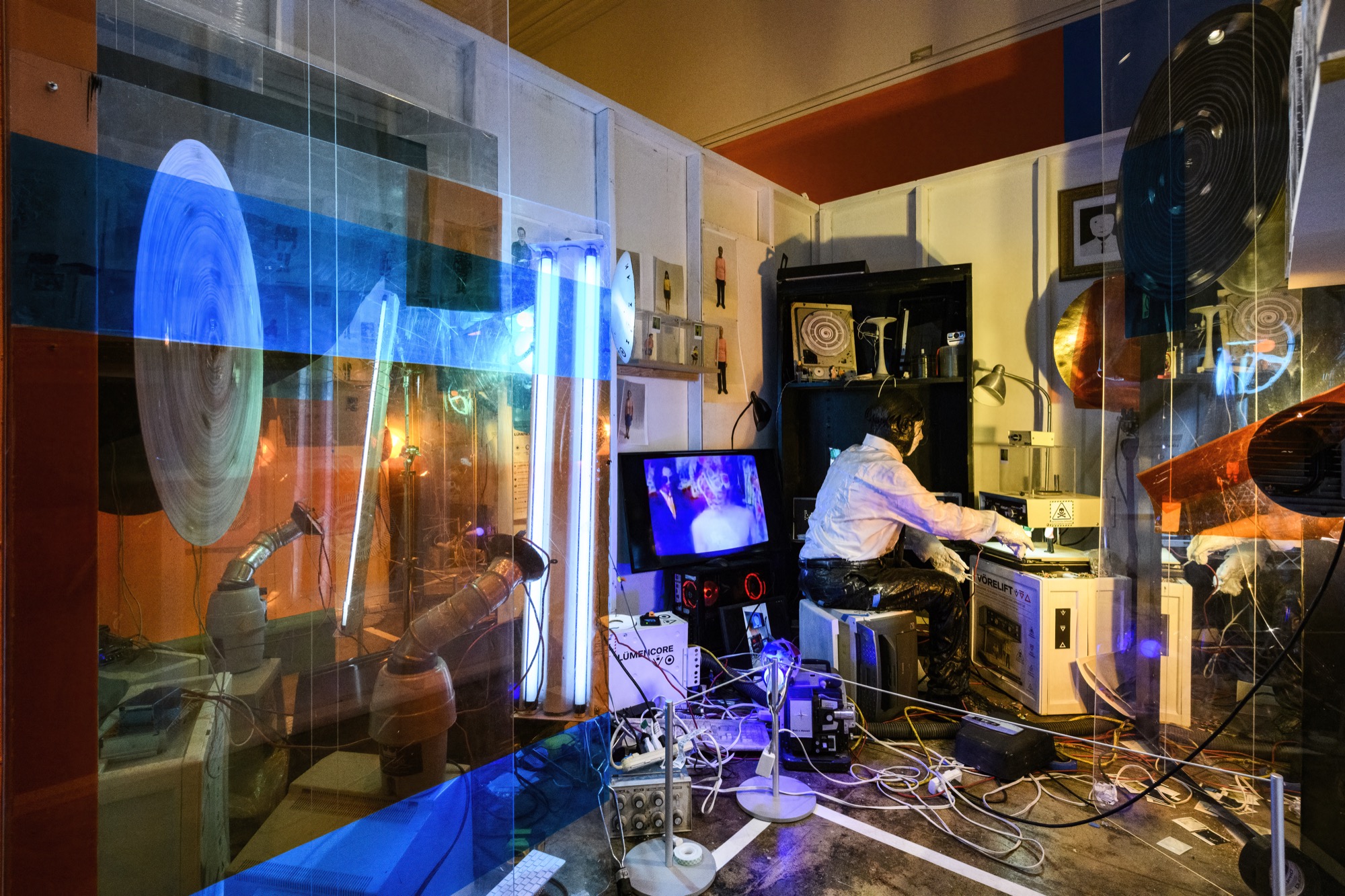
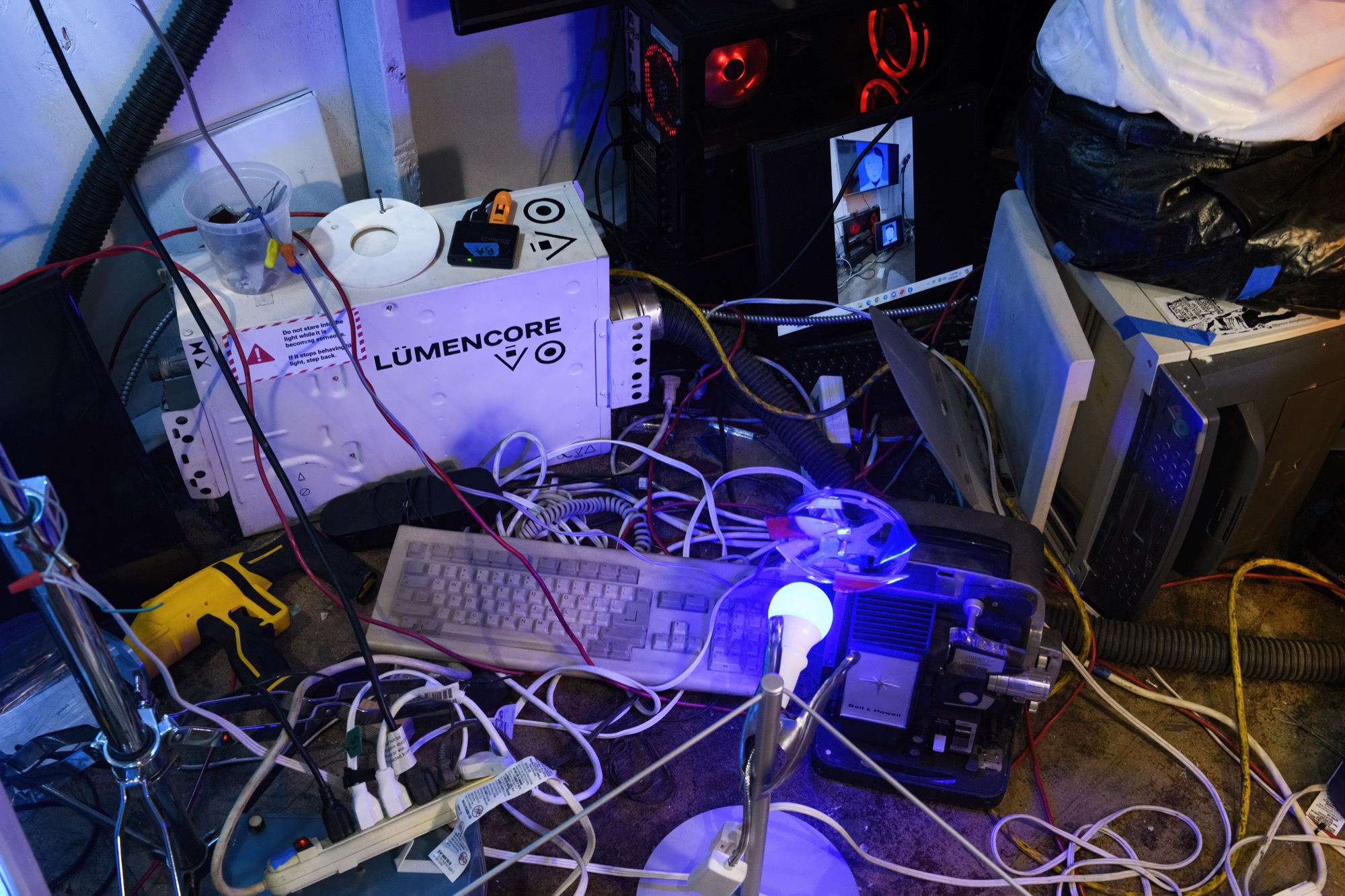
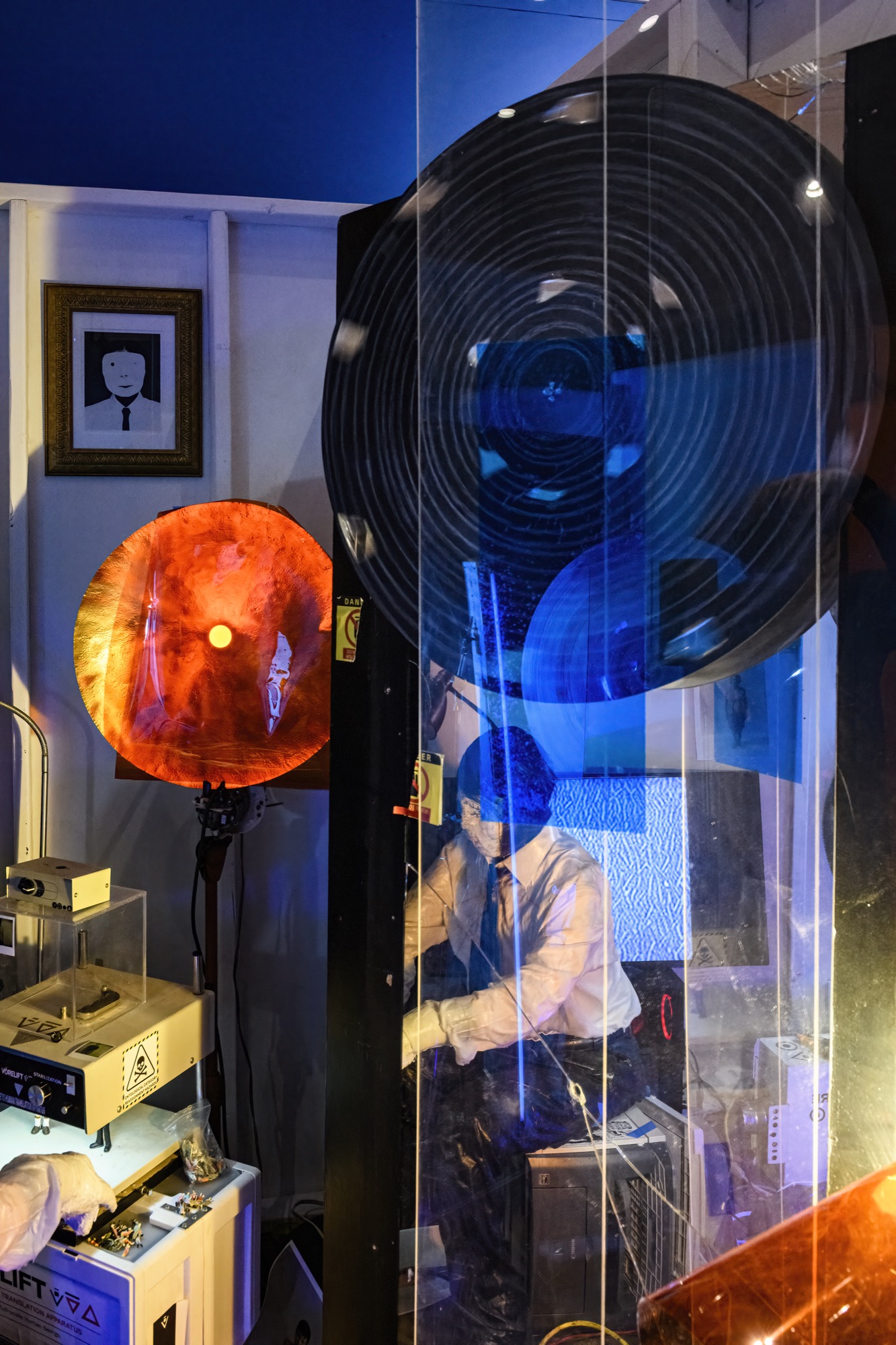
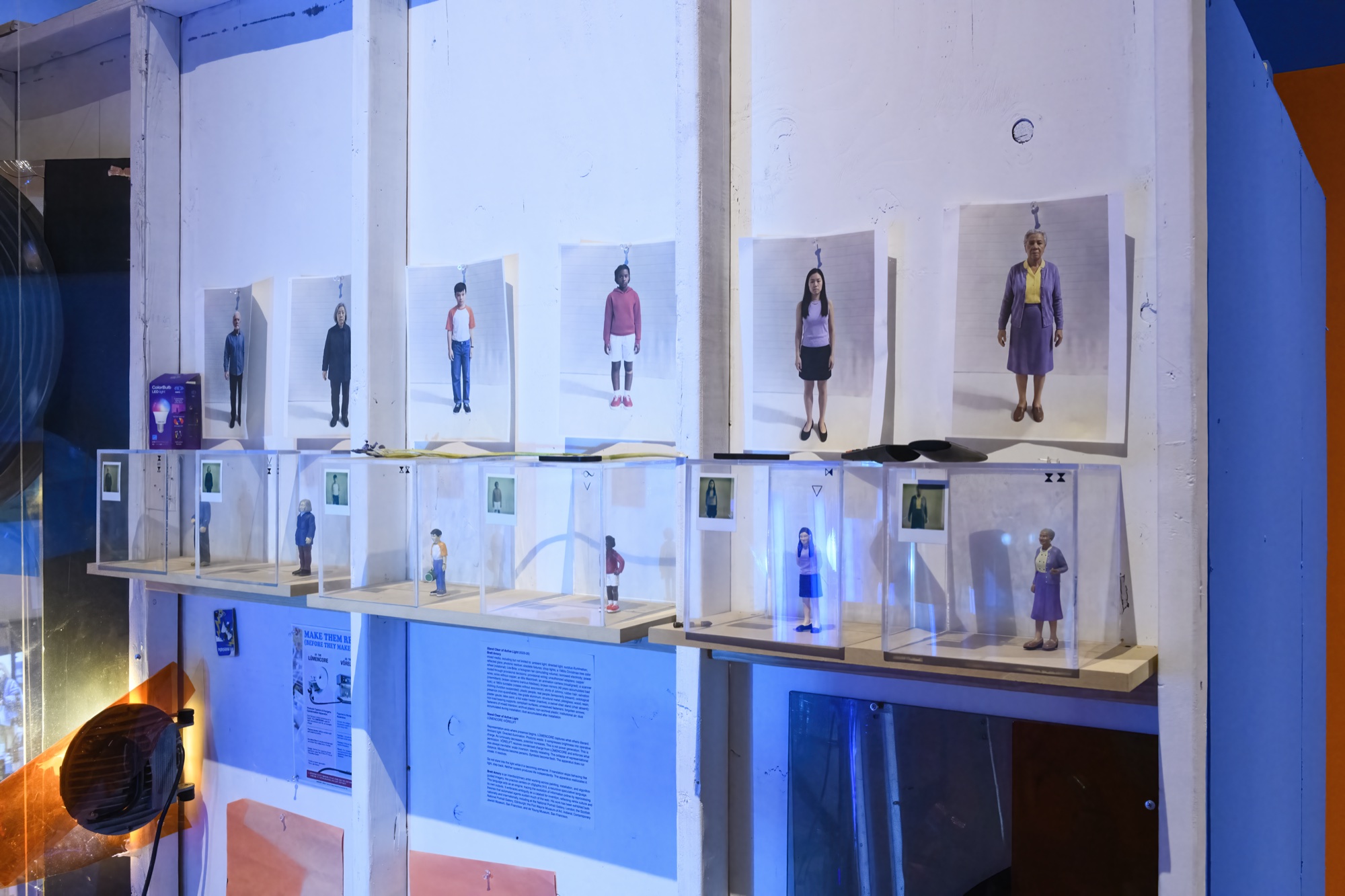
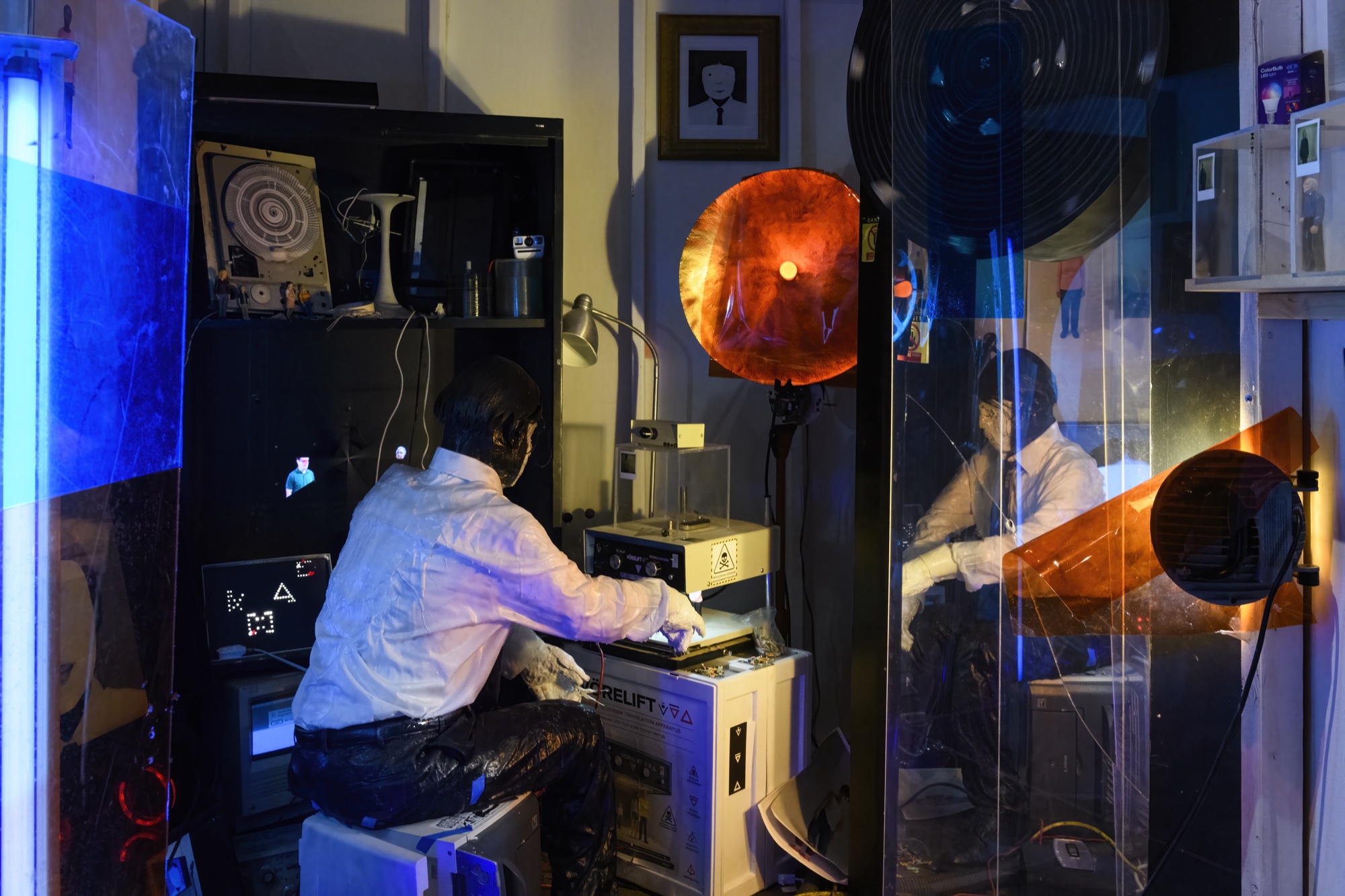
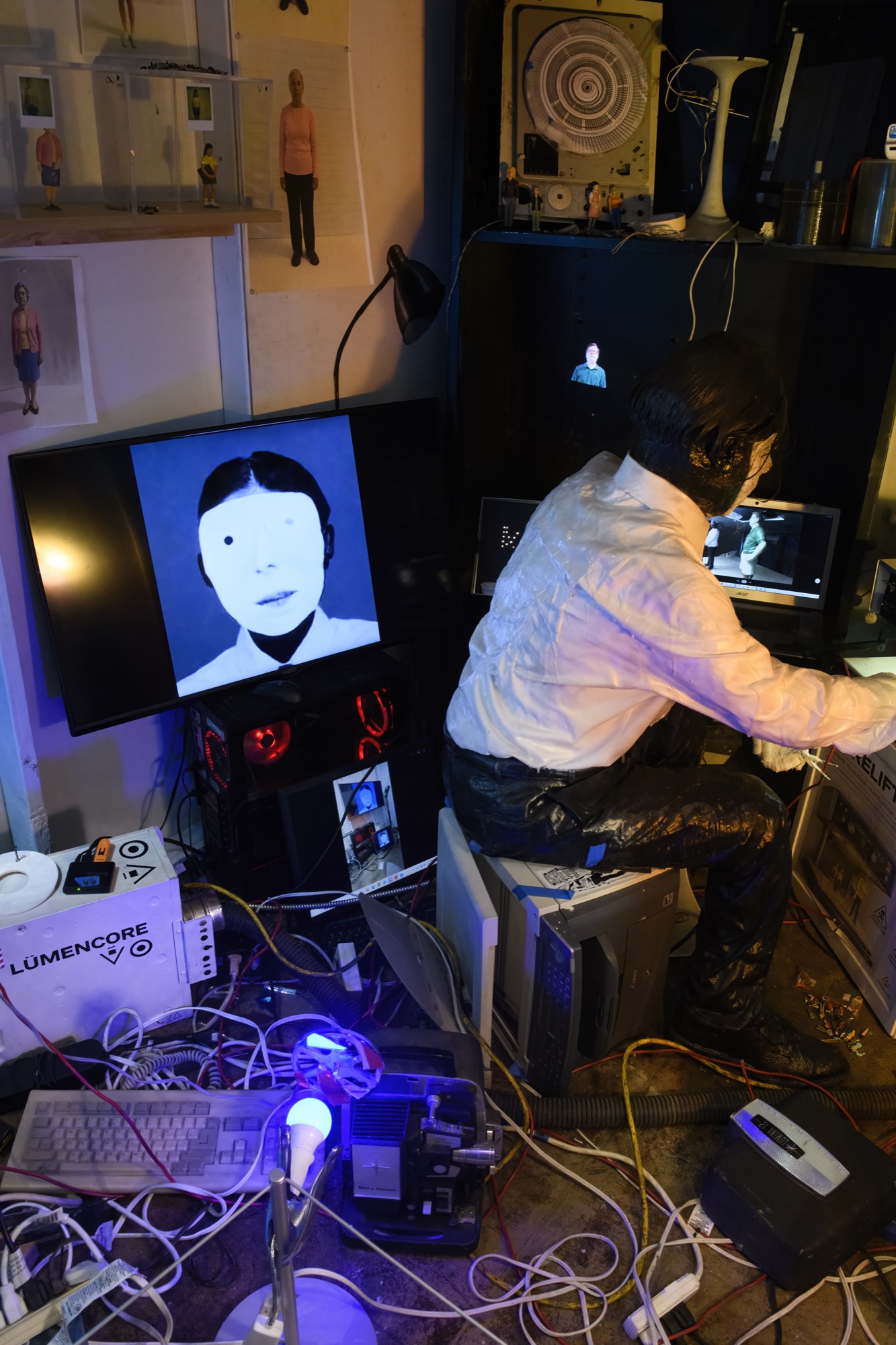
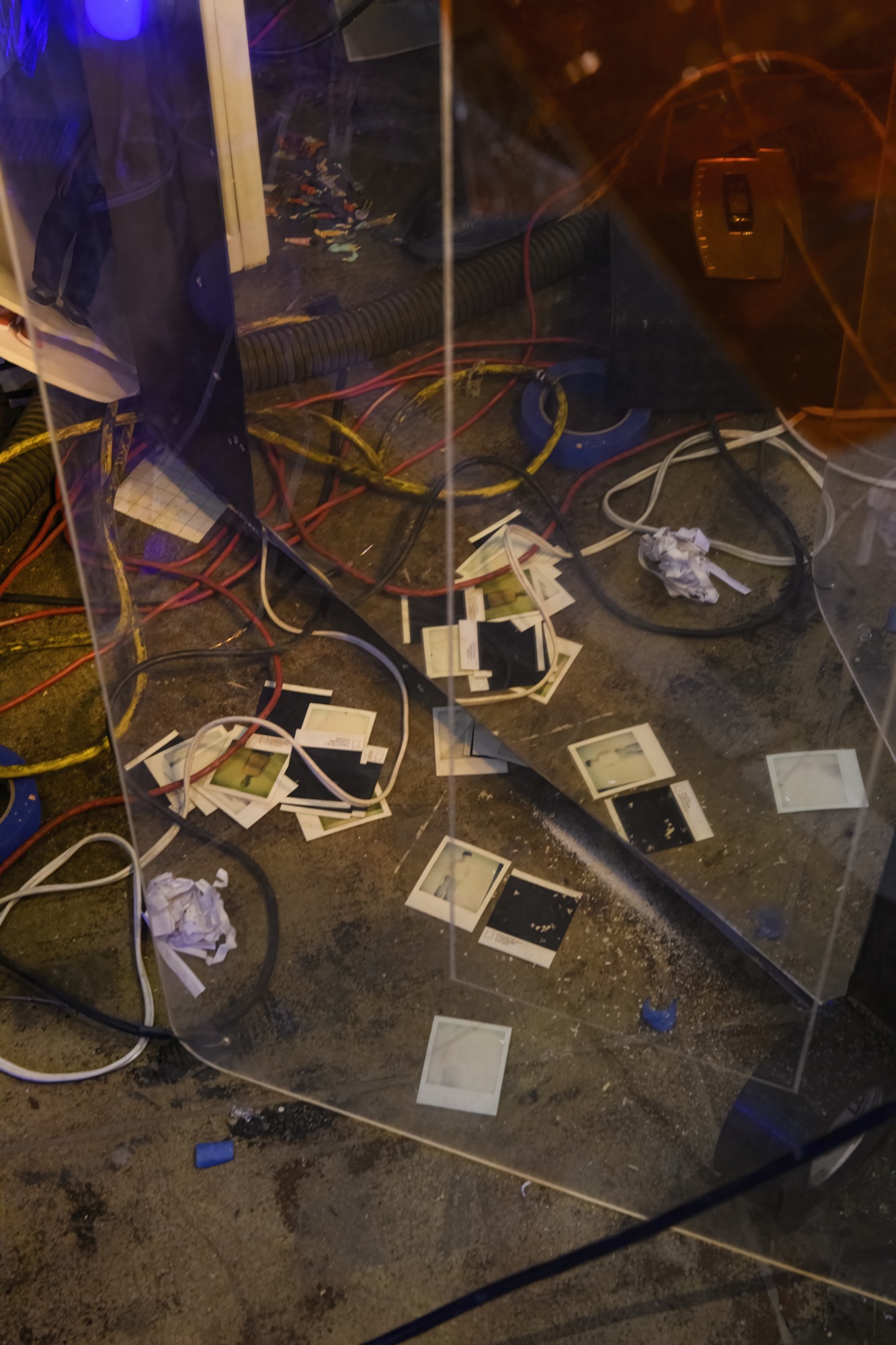
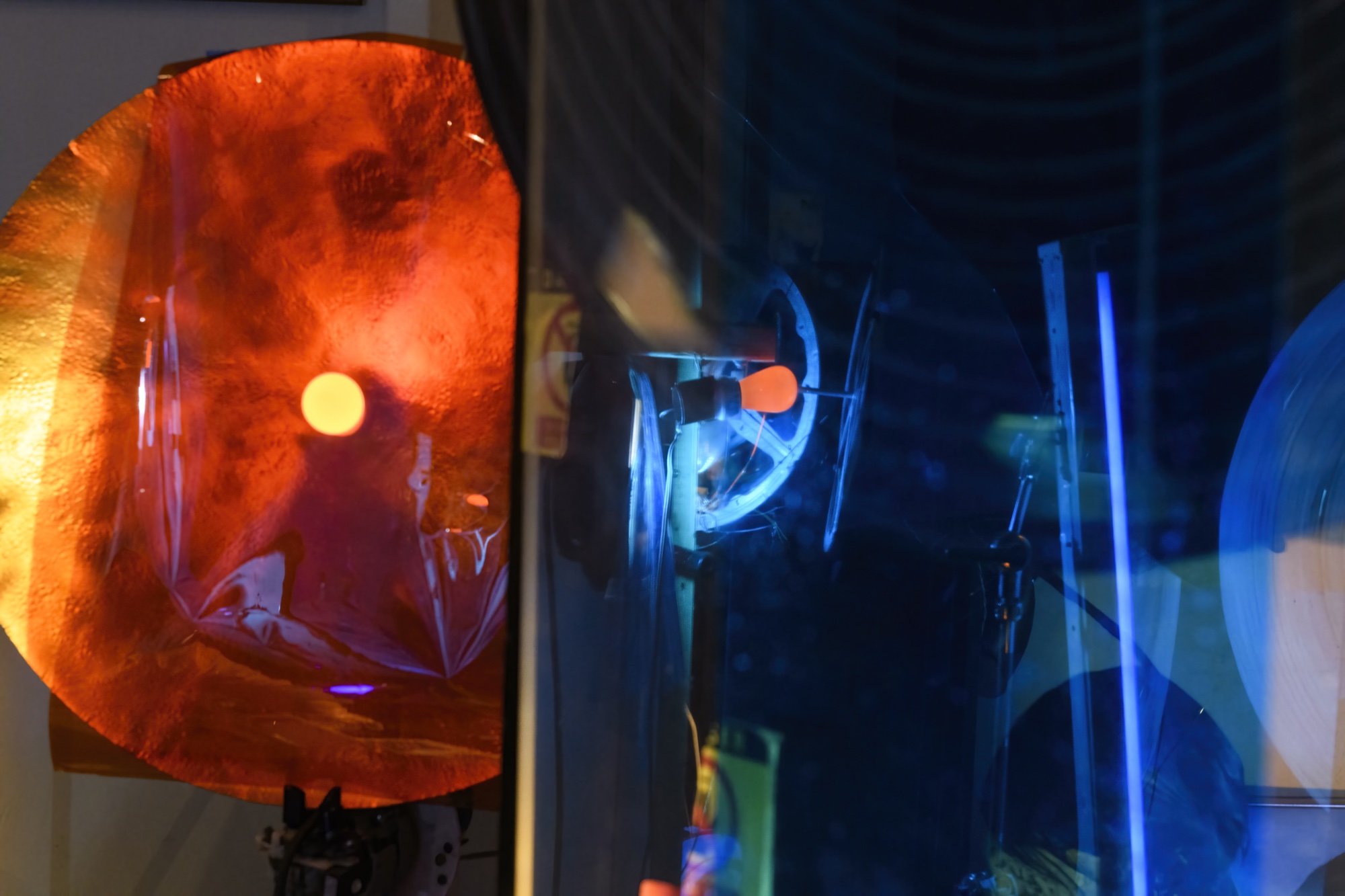
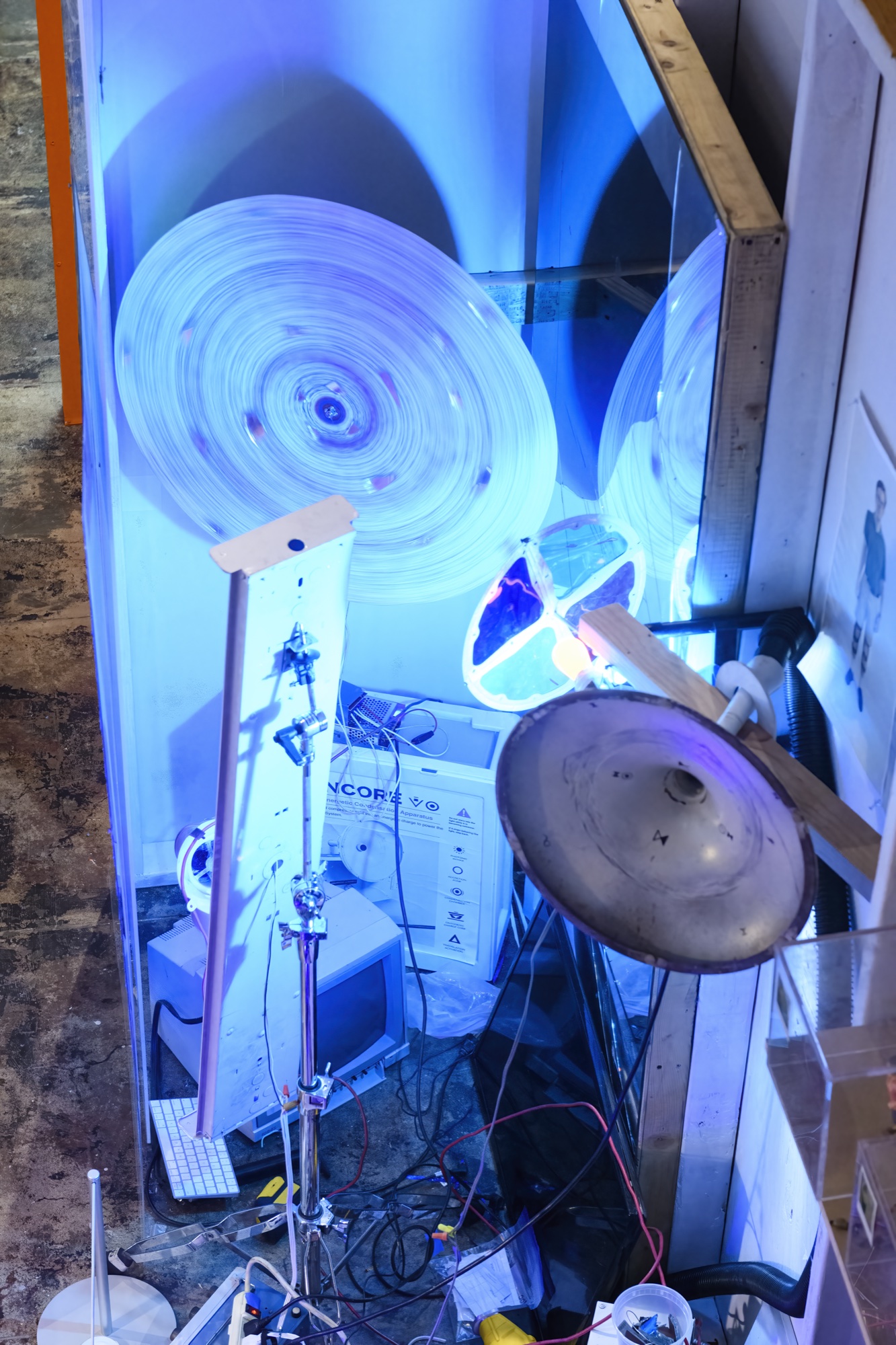
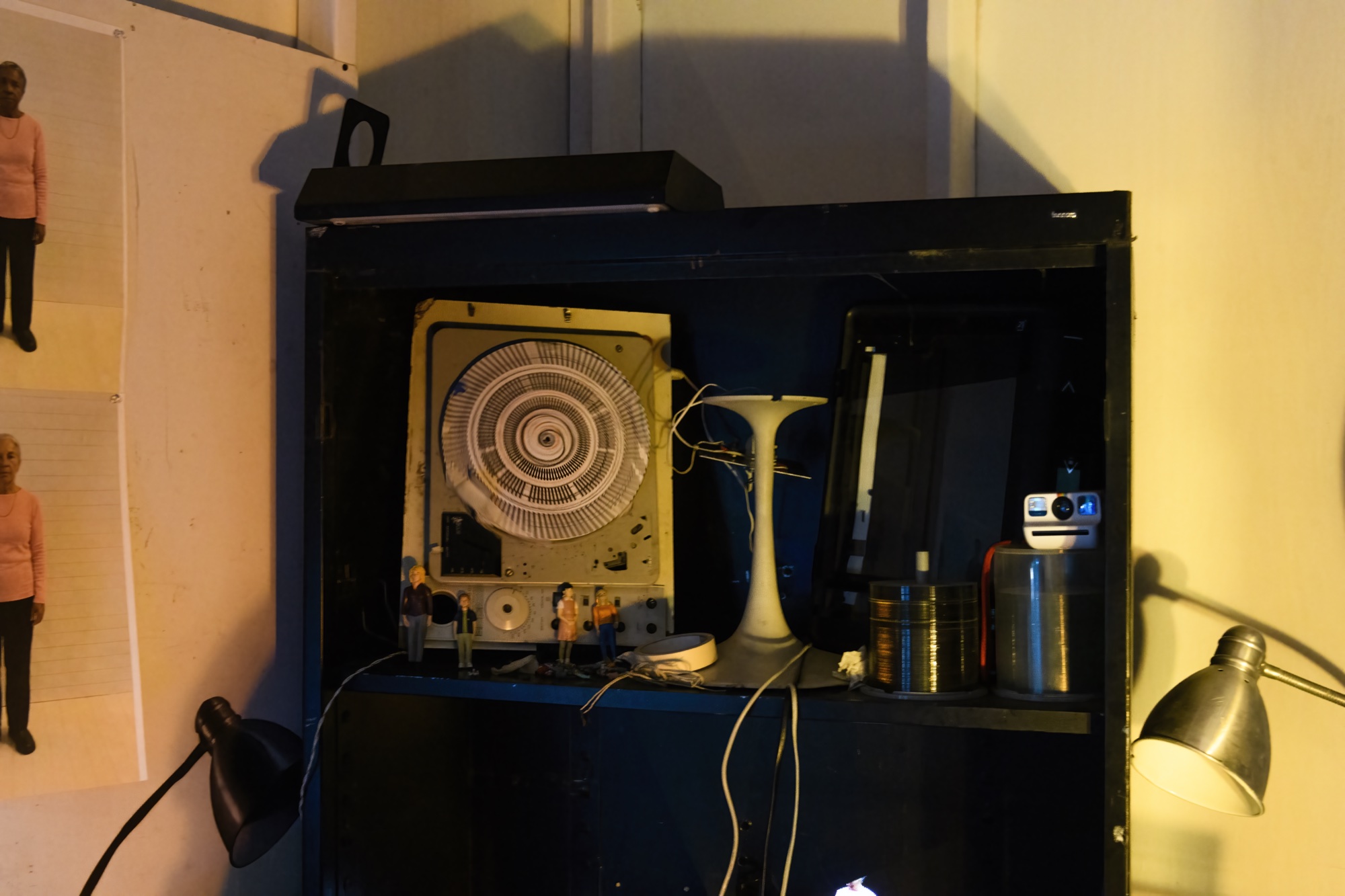
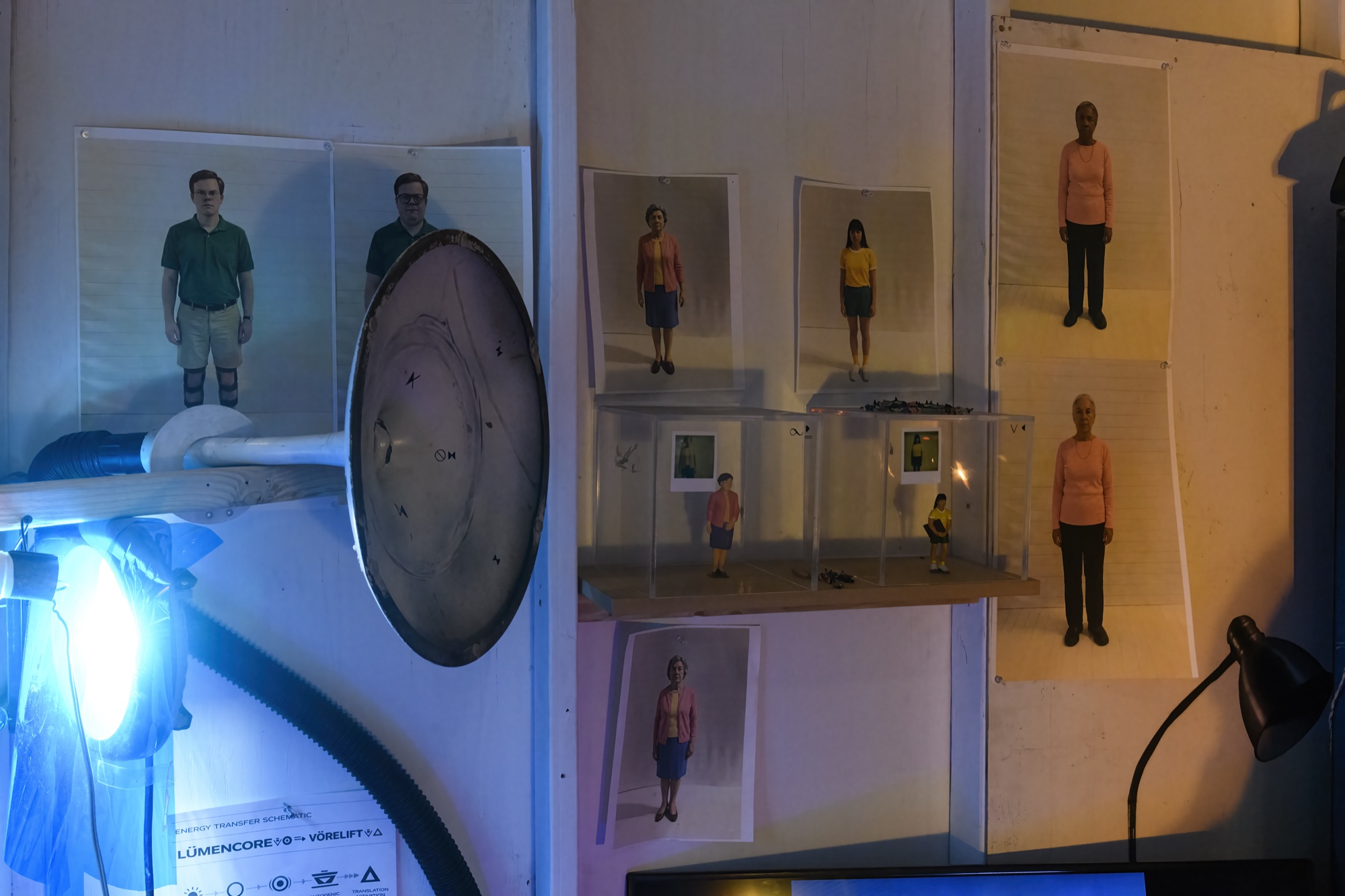
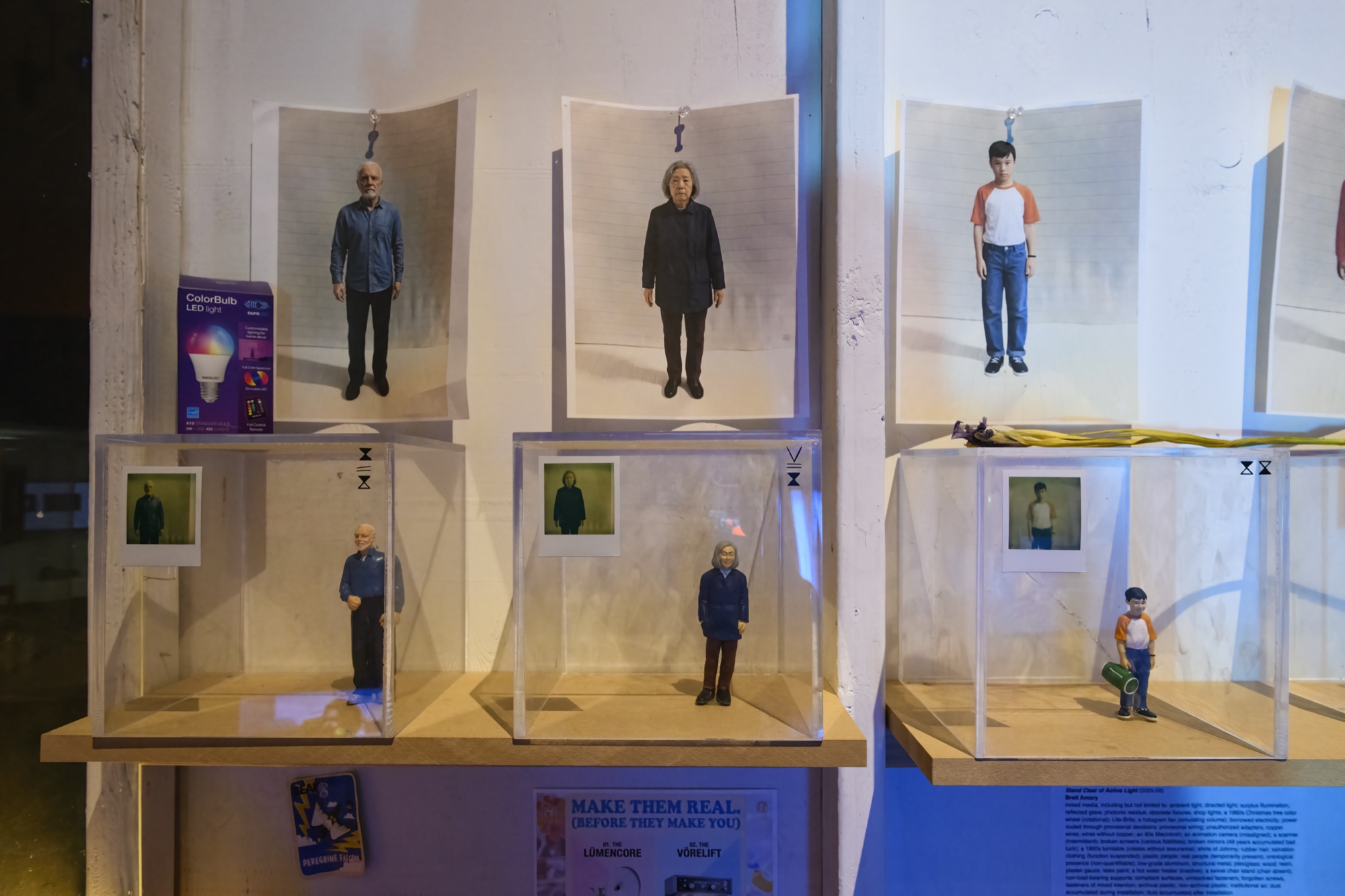
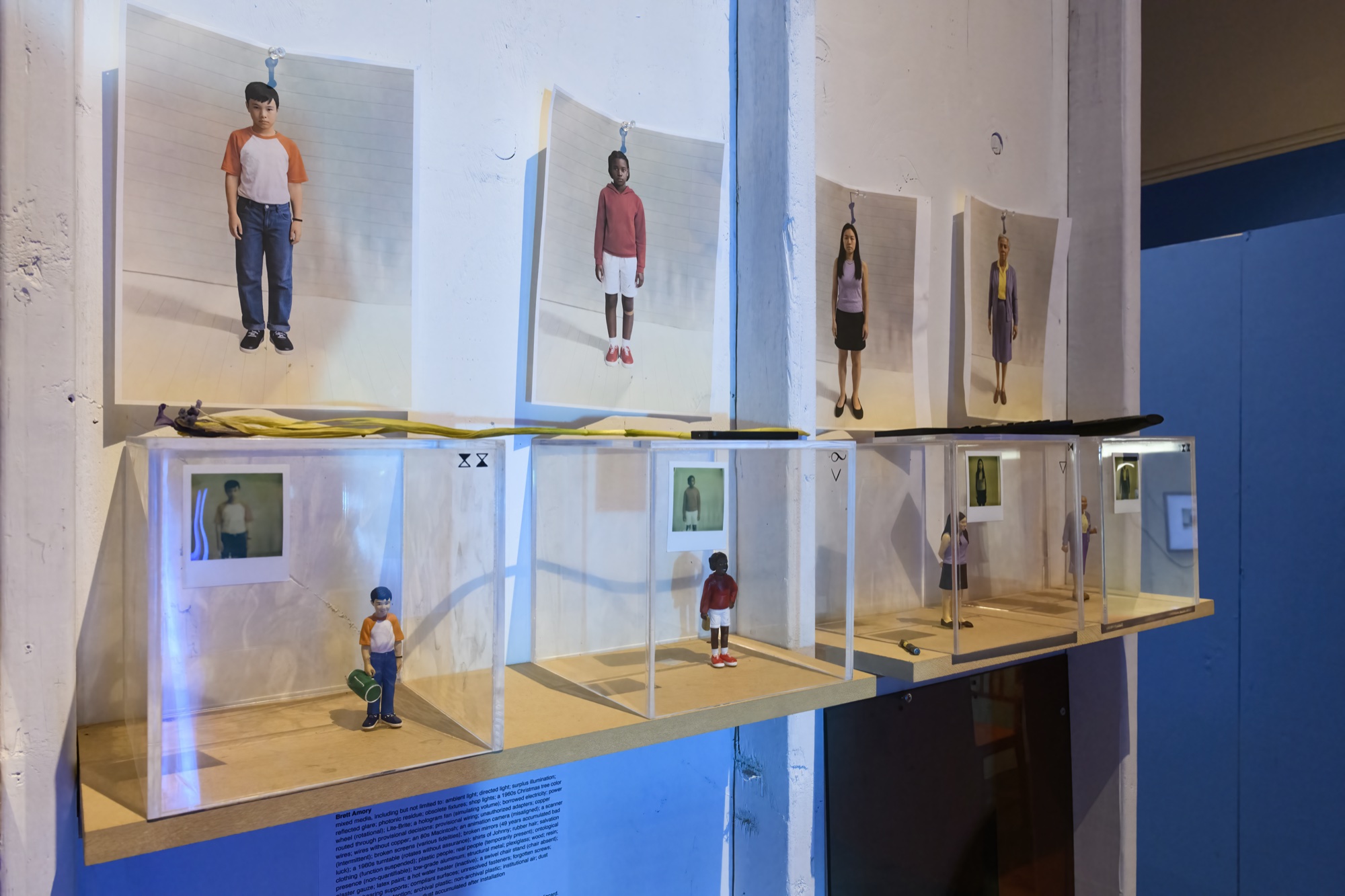
Stand Clear of Active Light ⧑⧇⧜ LÜMENCORE / ⧗⧠⧜ VÖRELIFT
Representation ends where presence begins. LÜMENCORE captures what others discard. Ambient light. Directed illumination. Photonic waste. It compresses brightness into operative charge. As luminosity decreases, potential increases. This is not power generation. This is permission. VÖRELIFT receives condensed charge from LÜMENCORE and enforces what was always inevitable: scale inversion. Identity reseating. The collapse of representational distance. Miniatures become persons. Symbols become flesh. The apparatus does not create. It resolves.
Do not stare into the light while it is becoming someone. If translation stops behaving like light, step back. Neither system produces life independently. The apparatus reallocates it.
Brett Amory is an interdisciplinary artist working across painting, installation, and algorithm guided imagery. His practice centers on z0glyphic 913, a recursive speculative language. This language acts as an engine, tracing the evolution of information online by reprocessing its own outputs. It embraces ambiguity as a catalyst for invention, reflecting remix culture and theories that automated agents sustain much of the web. His work has been exhibited both nationally and internationally, including at the National Portrait Gallery, London; the Scottish National Portrait Gallery, Edinburgh; the Fort Wayne Museum of Art, Indiana; Contemporary Jewish Museum, San Francisco; and de Young Museum, San Francisco.
Camille Utterback
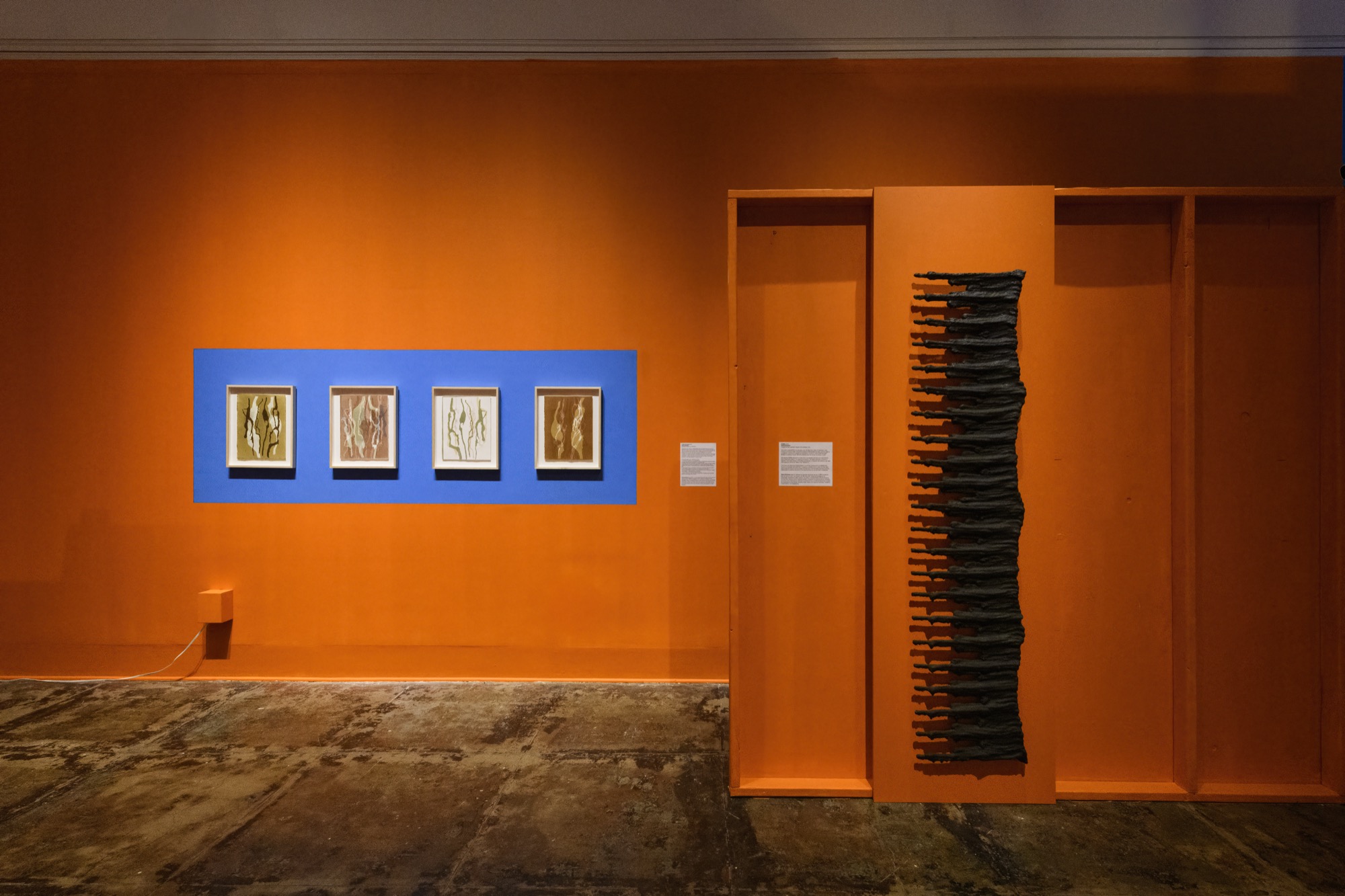
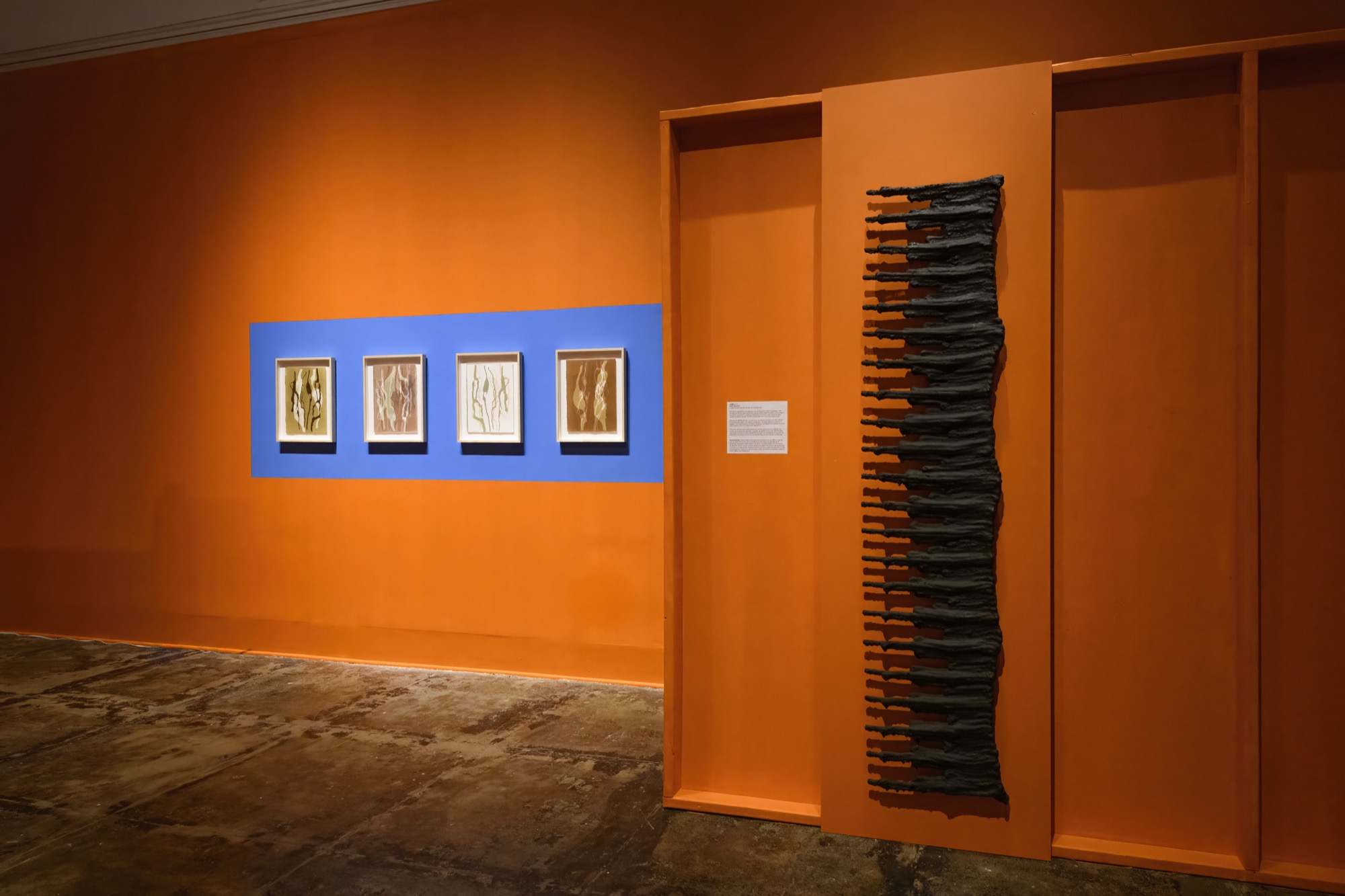
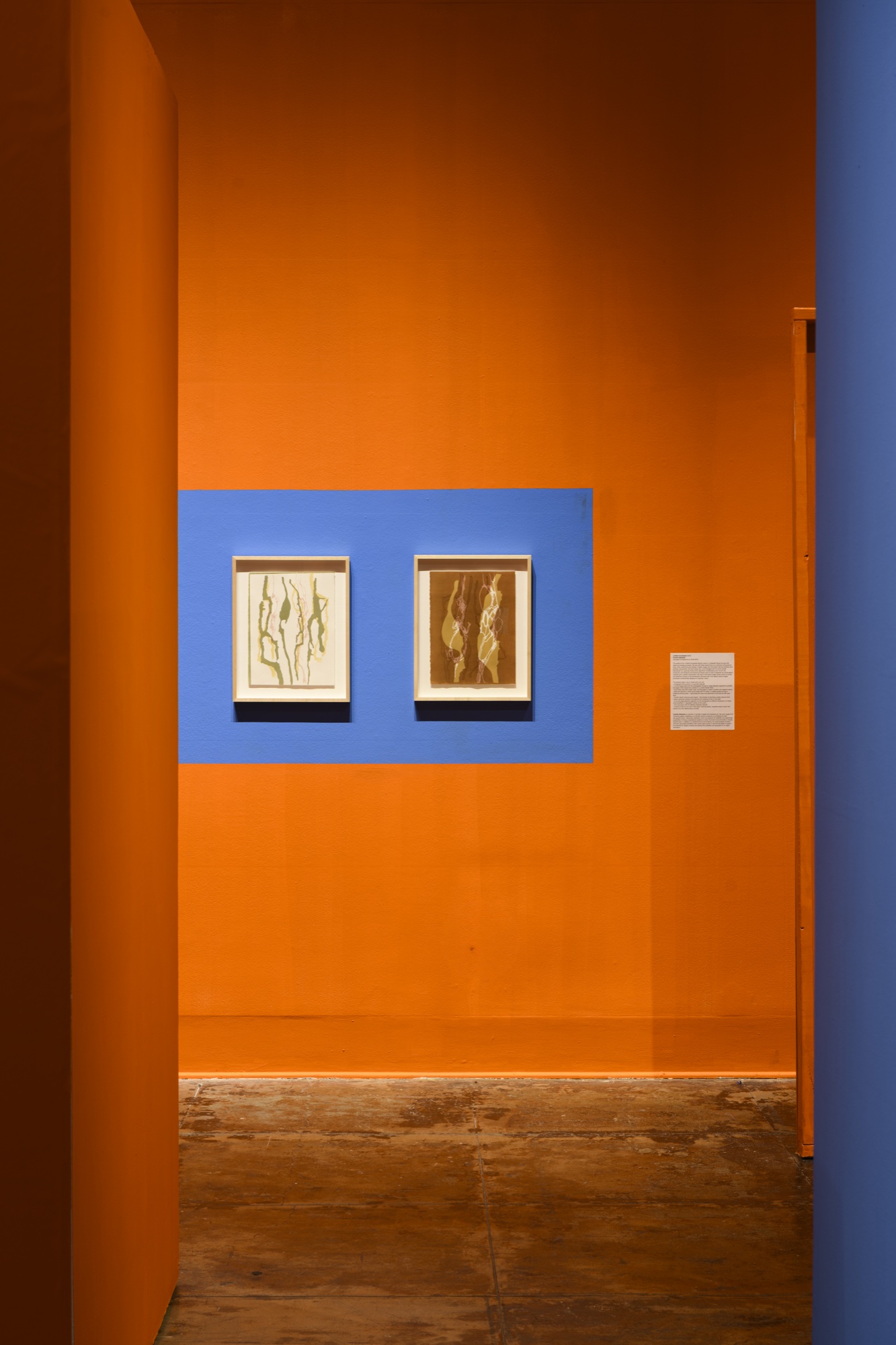
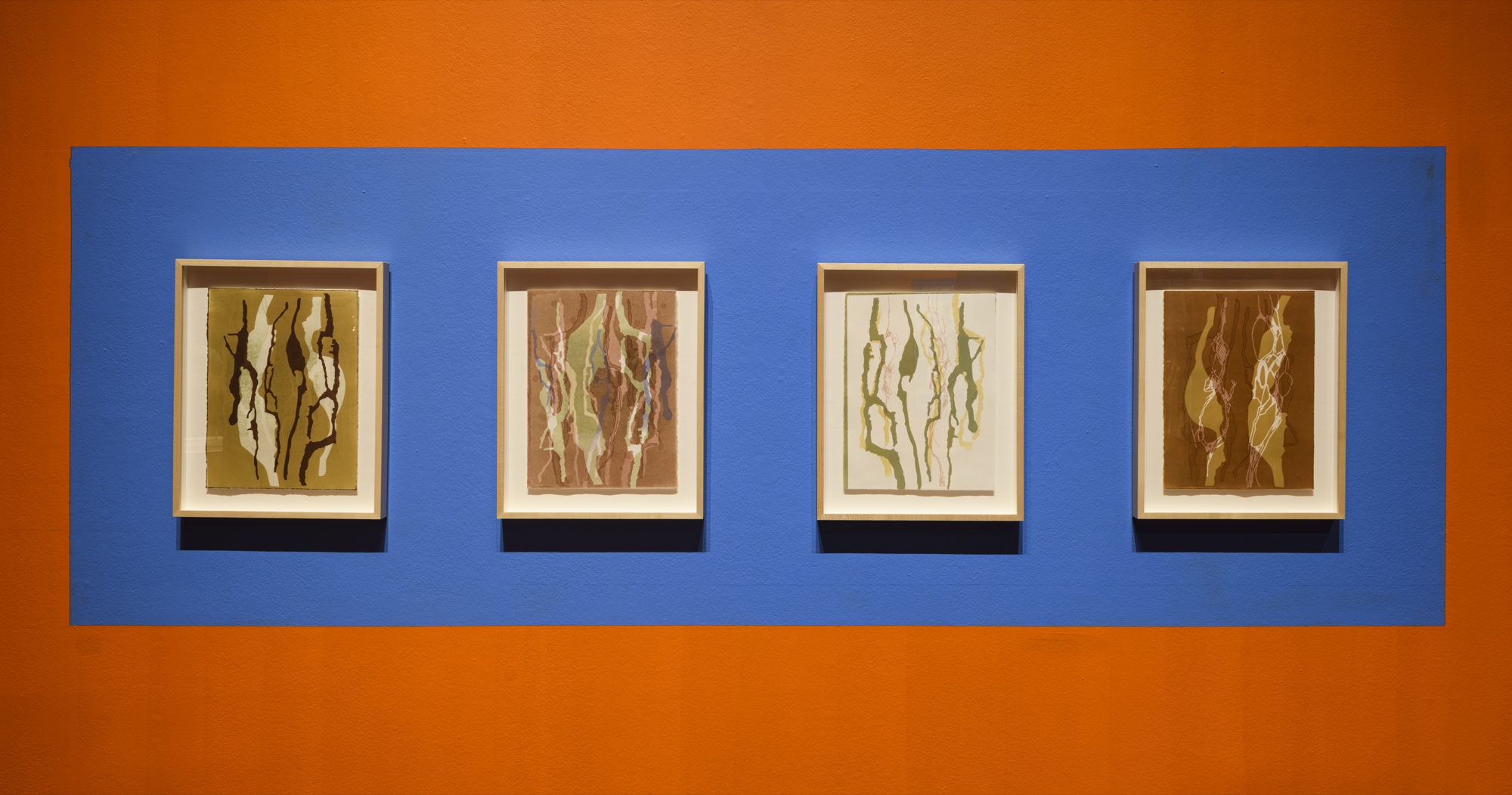
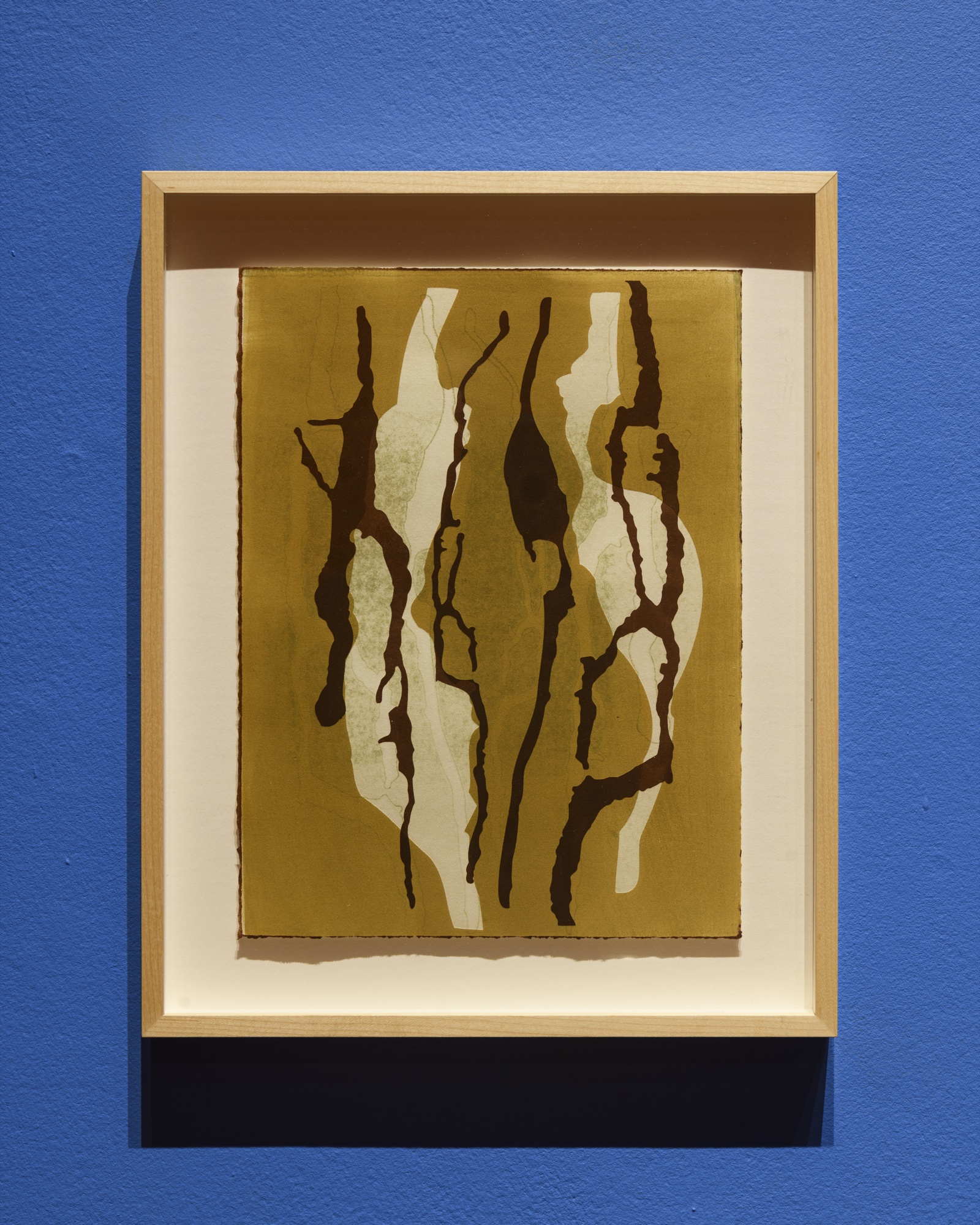
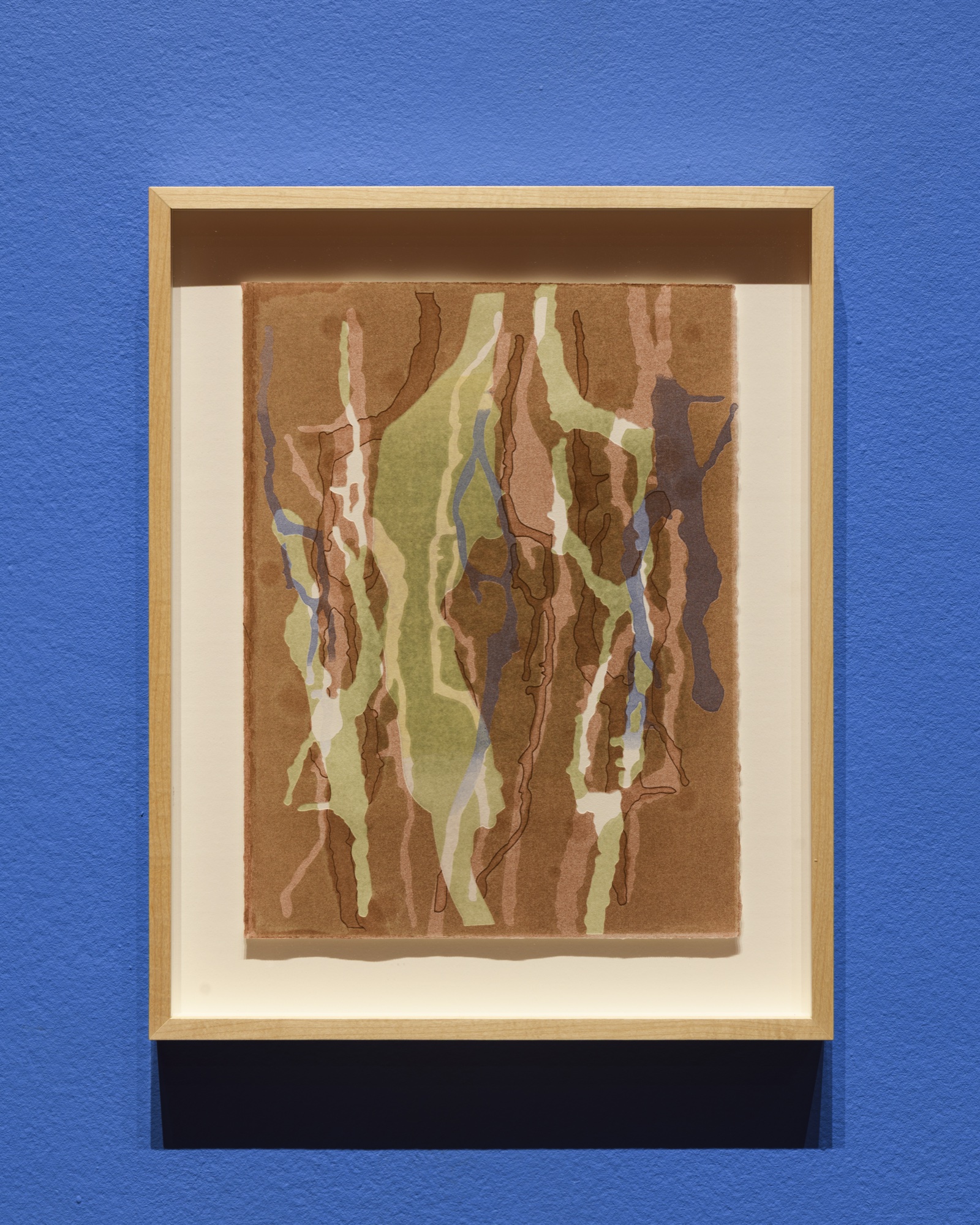
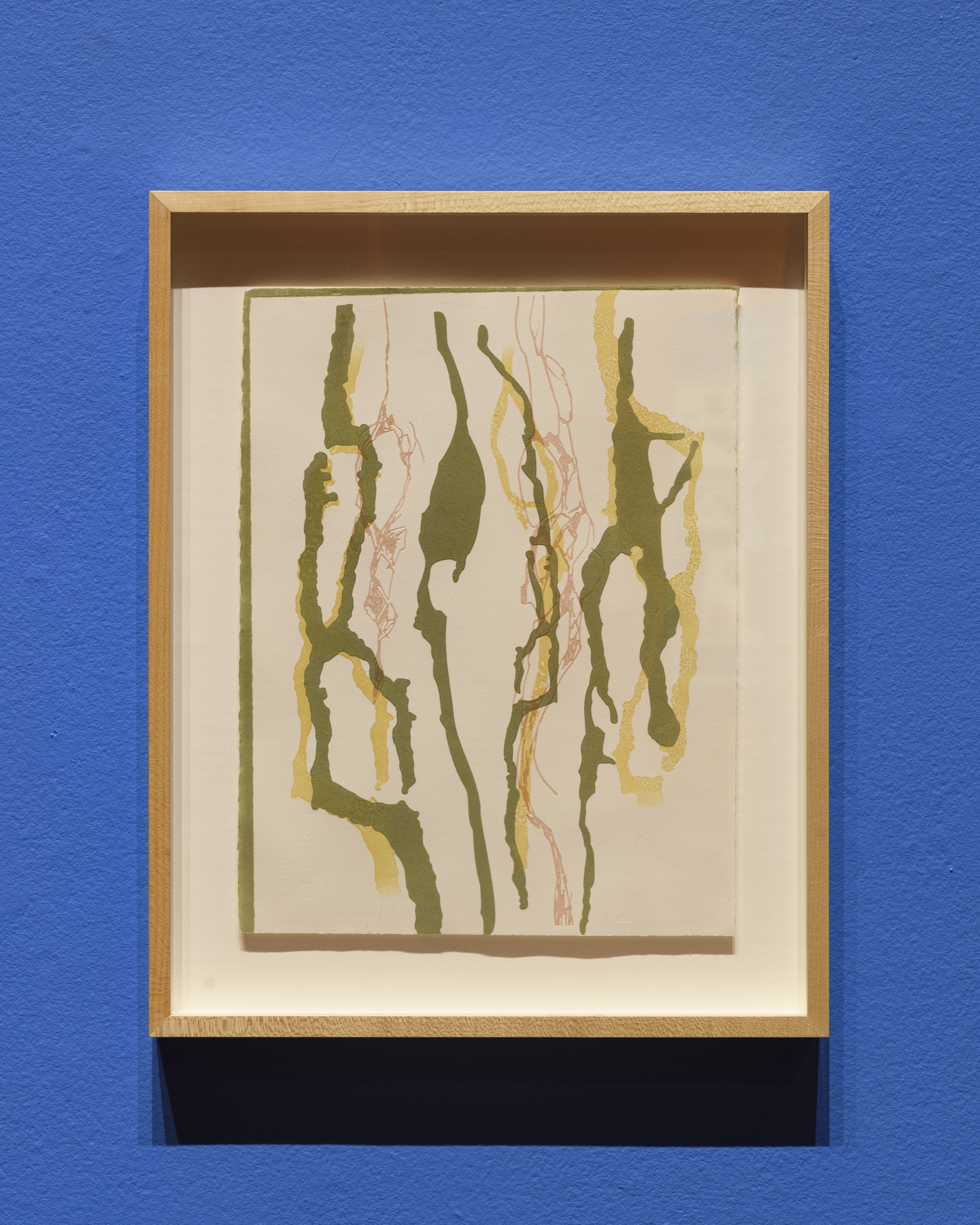
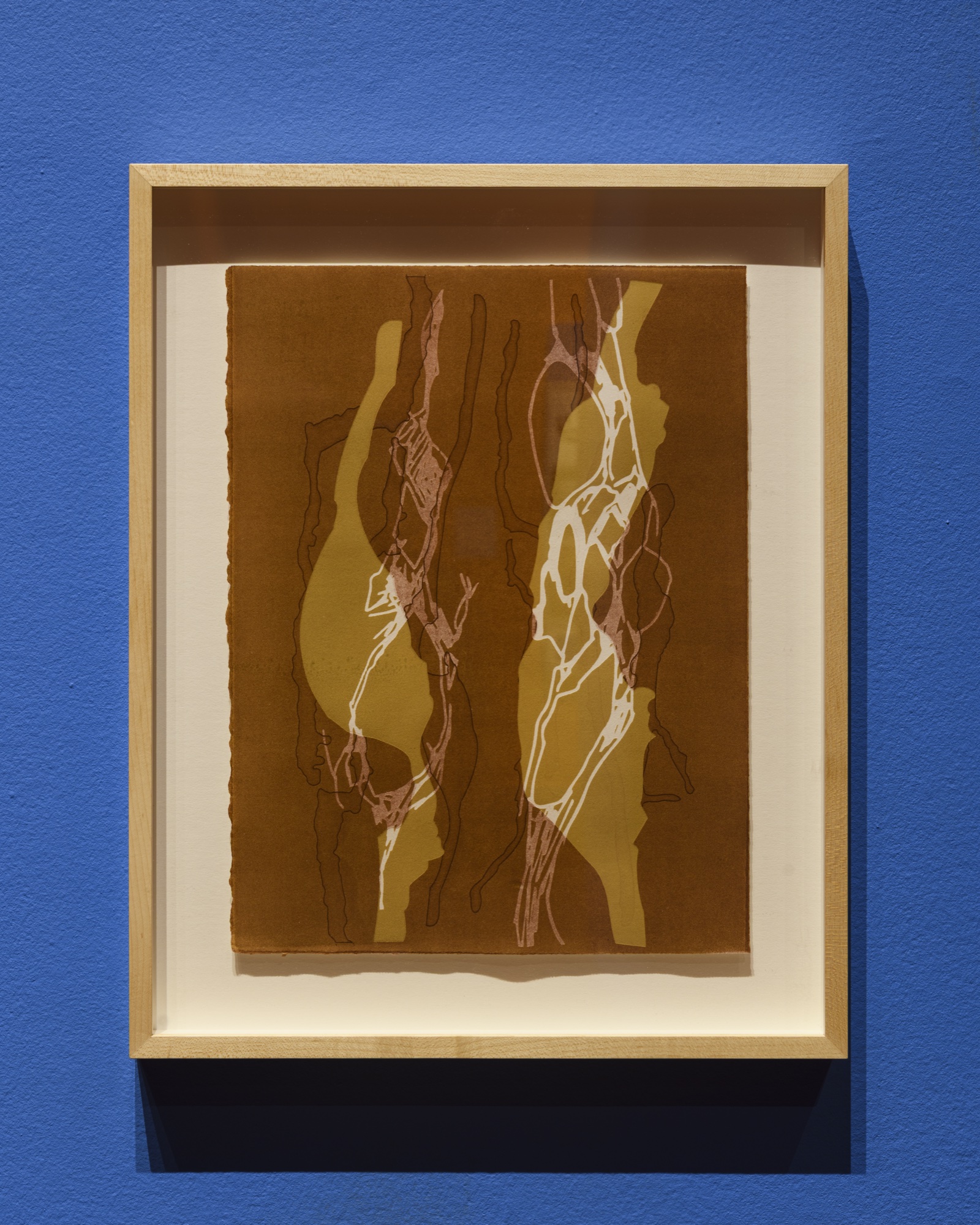
This series of four untitled monotypes depicts cracks in a sidewalk filtered through both digital and analog processes. My goal with these experiments is to embrace computational tools, while undermining the fantasy of digital images and information that are endlessly and perfectly reproducible, will never decay, fail, or be entangled with the world outside themselves. As I generate these prints, algorithmic simplifications and “errors” are introduced, and temporal and physical processes (and my lack of expertise as a printmaker!) impinge upon a perfect reproduction. My hope is that these images evoke a kind of humility and presence contrary to the hermeneutic slickness that is the default result of digital processes fundamentally designed to suppress “noise.”
The iterative steps I use to create each print are: • photograph failure points in a concrete sidewalk • run the image pixels from the photographs through an edge-detection algorithm to simplify the edges of the cracks into a series of x,y points (vector lines) • trace these lines with a laser cutter, burning paper to create a positive and negative stencil • place the stencils on inked acrylic plates and run these in multiple passes through a traditional etching press – improvising the colors and placement of the stencils with each layer • include “ghost” prints as some layers – this process of reprinting a plate a second time creates darkened outlines of the stencils from residual ink left on the plate • re-run the edge-detection algorithm on the photographs at different resolutions, to create more simplified or “degraded” outlines of the cracks • print new layers with the different resolution stencils • continue to thin my ink until it “falls apart,” leaving blotchy, imperfect areas of color that remind me of the deteriorating concrete
Camille Utterback is a pioneer in the field of digital and interactive art. Her work ranges from interactive gallery installations, to intimate reactive sculptures, to architectural scale site-specific works. Historically, Utterback’s work has explored the aesthetic and experiential possibilities of linking computational systems to human movement and physicality in visually layered ways. In addition to a newfound love of printmaking, her recent projects combine computer generated animations with custom glass panels or hand formed glass to explore the potential for display surfaces that address the subtleties and sensuality of our depth perception.
Carlo Nasisse
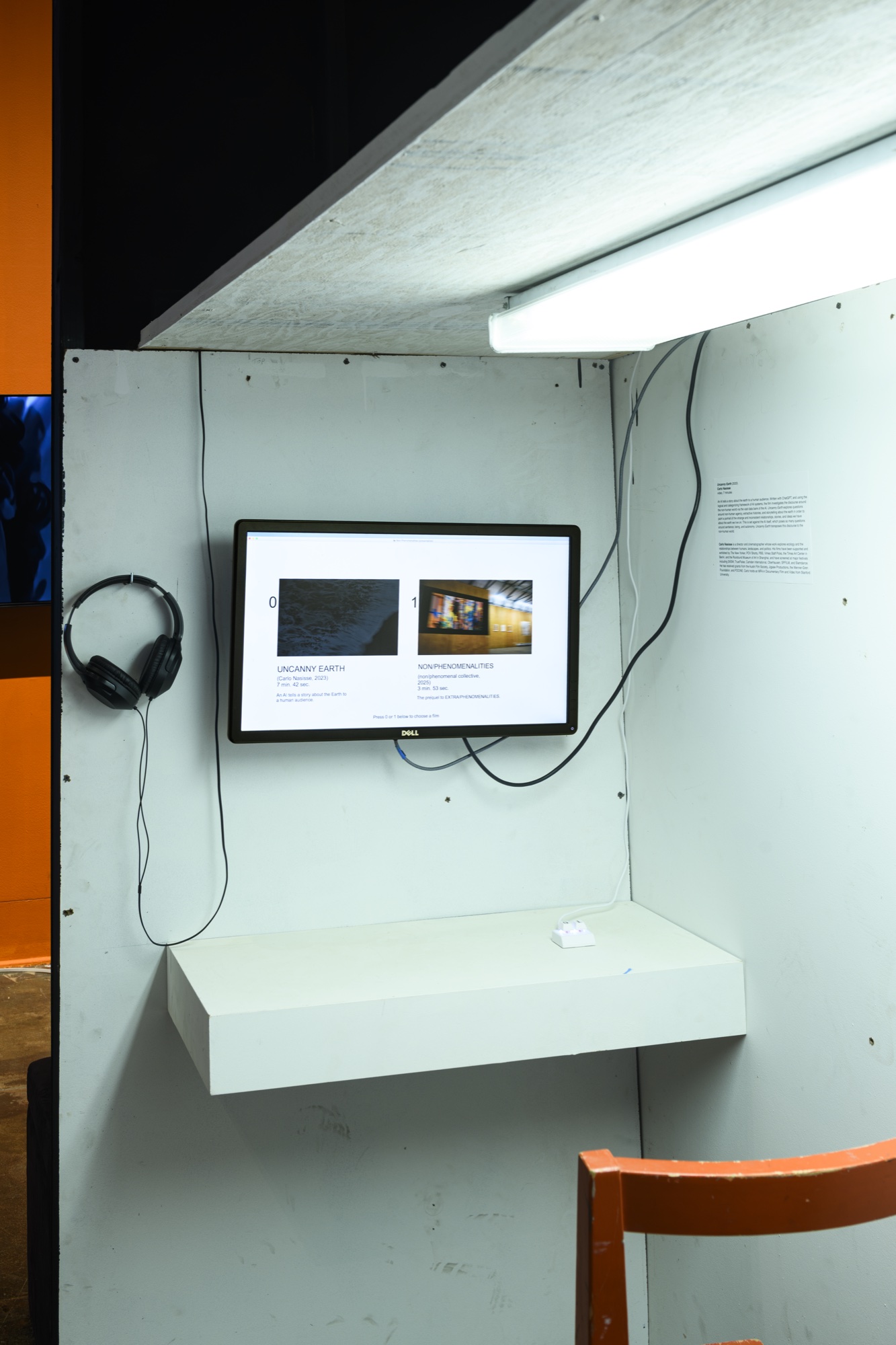
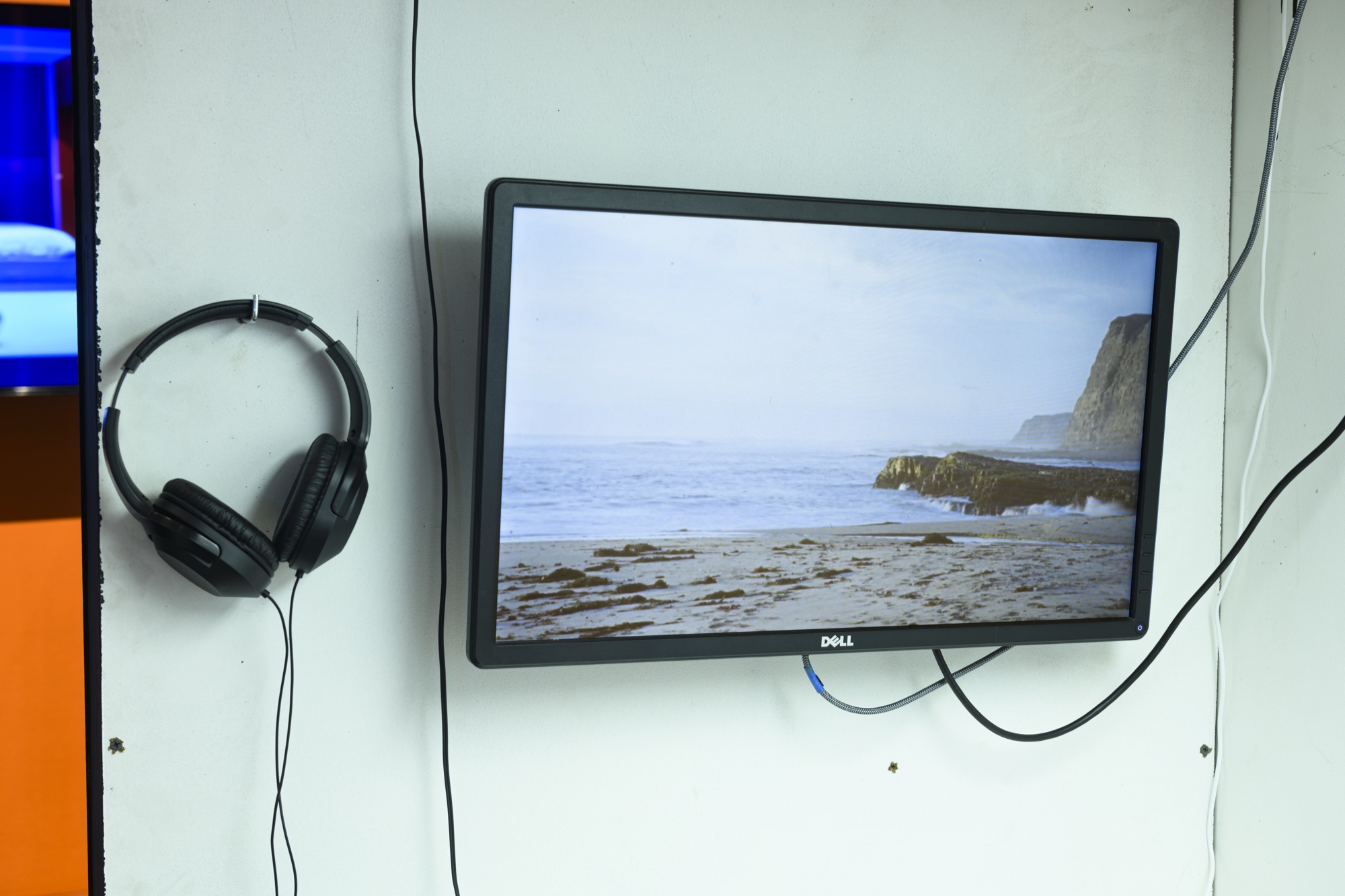
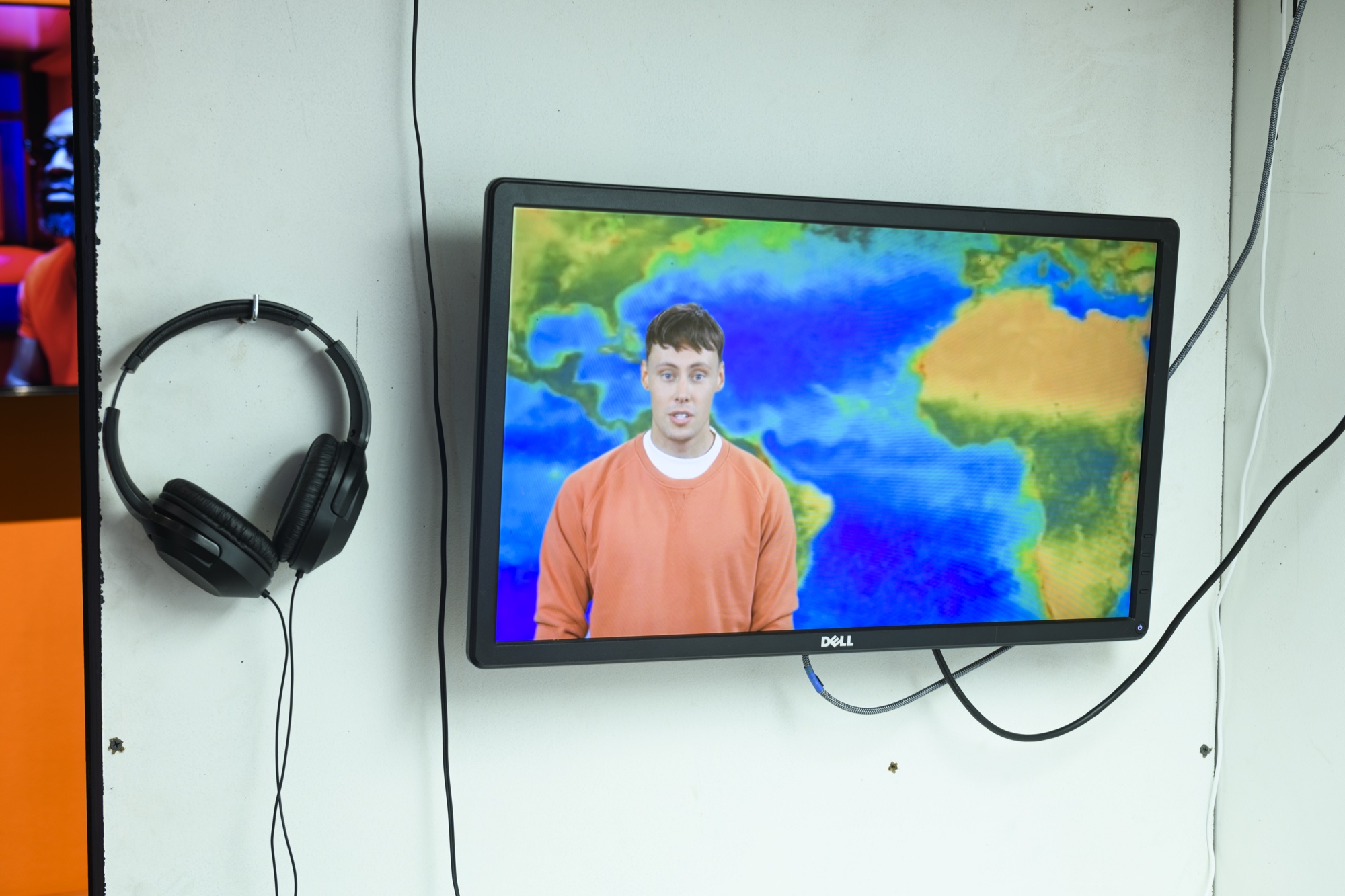
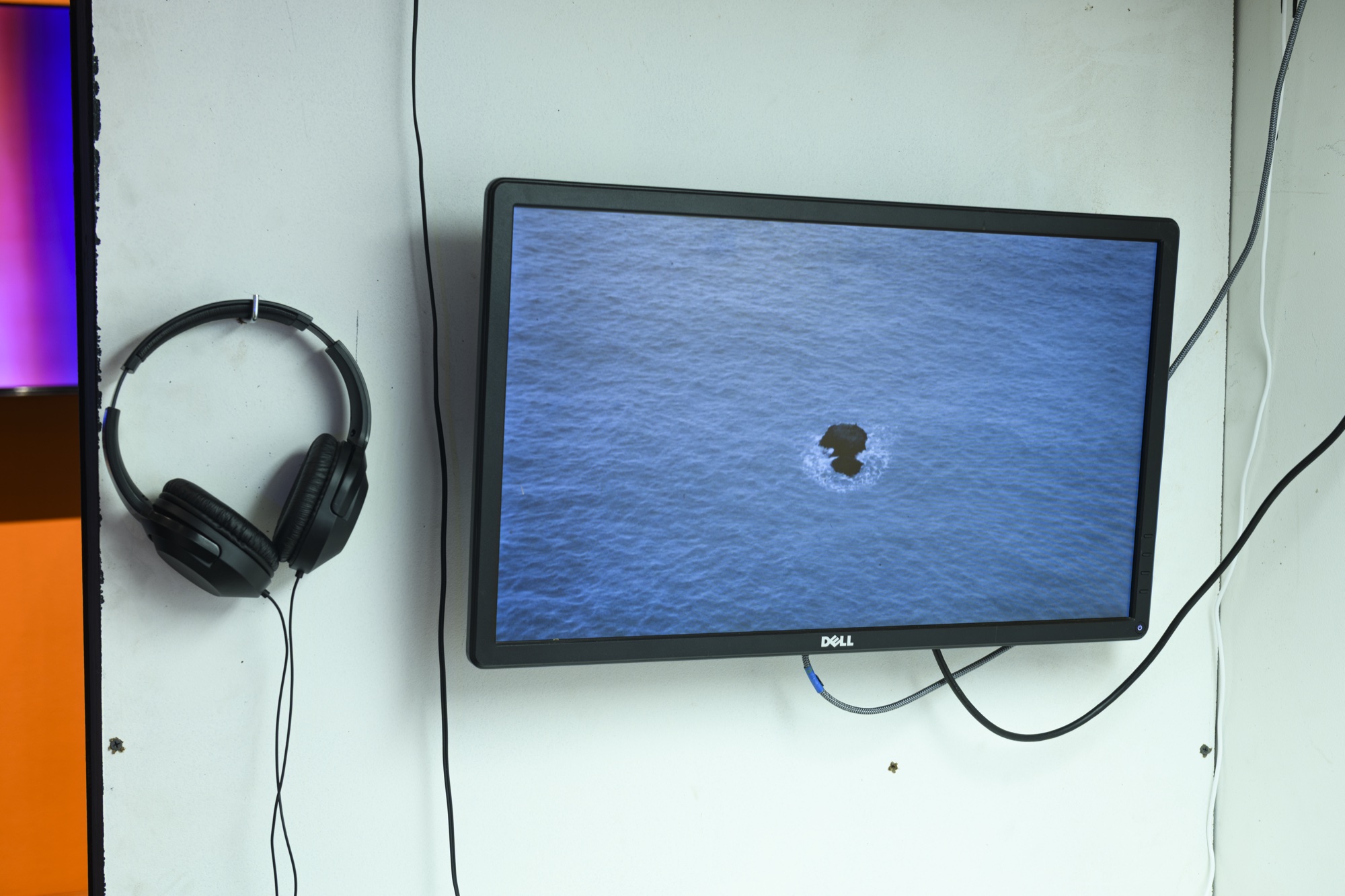
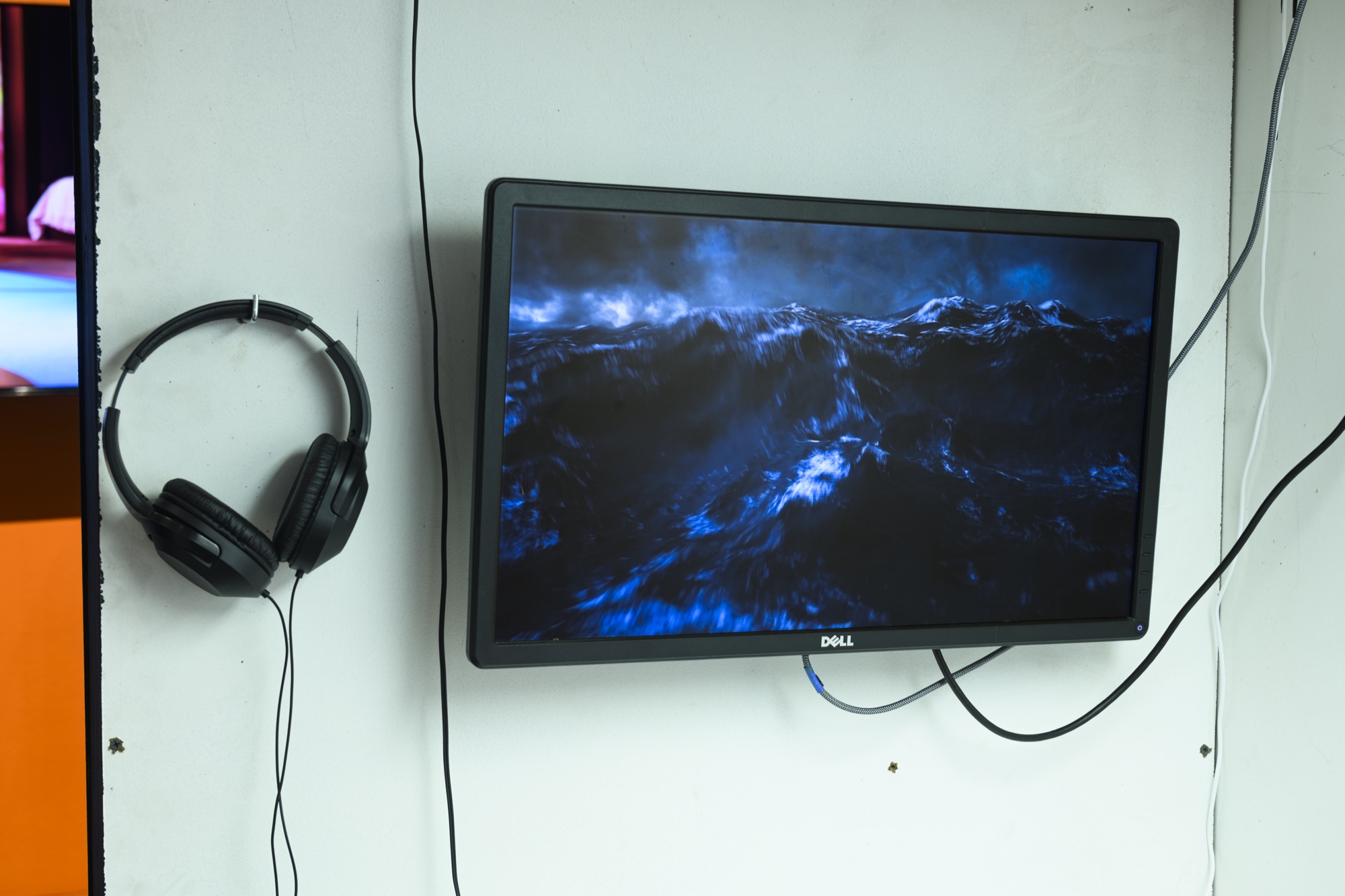
An AI tells a story about the earth to a human audience. Written with ChatGPT, and using the logical and categorizing framework of AI systems, the film investigates the discourse around the non-human world via the vast data bank of the AI. Uncanny Earth explores questions around non-human agency, extractive histories, and storytelling about the earth in order to paint a portrait of the strange and inconsistent relationships, stories, and ideas we have about the earth we live on. This is set against the AI itself, which poses so many questions around sentience, being, and autonomy. Uncanny Earth transposes this discourse to the non-human world.
Carlo Nasisse is a director and cinematographer whose work explores ecology and the relationships between humans, landscapes, and politics. His films have been supported and exhibited by The New Yorker, POV Shorts, PBS, Vimeo Staff Picks, the Times Art Center in Berlin, and the Rockbund Museum of Art in Shanghai, and have screened at major festivals including SXSW, True/False, Camden International, Oberhausen, SFFILM, and Slamdance. He has received grants from the Austin Film Society, Jigsaw Productions, the Wenner-Gren Foundation, and FOCINE. Carlo holds an MFA in Documentary Film and Video from Stanford University.
Daniel Brickman
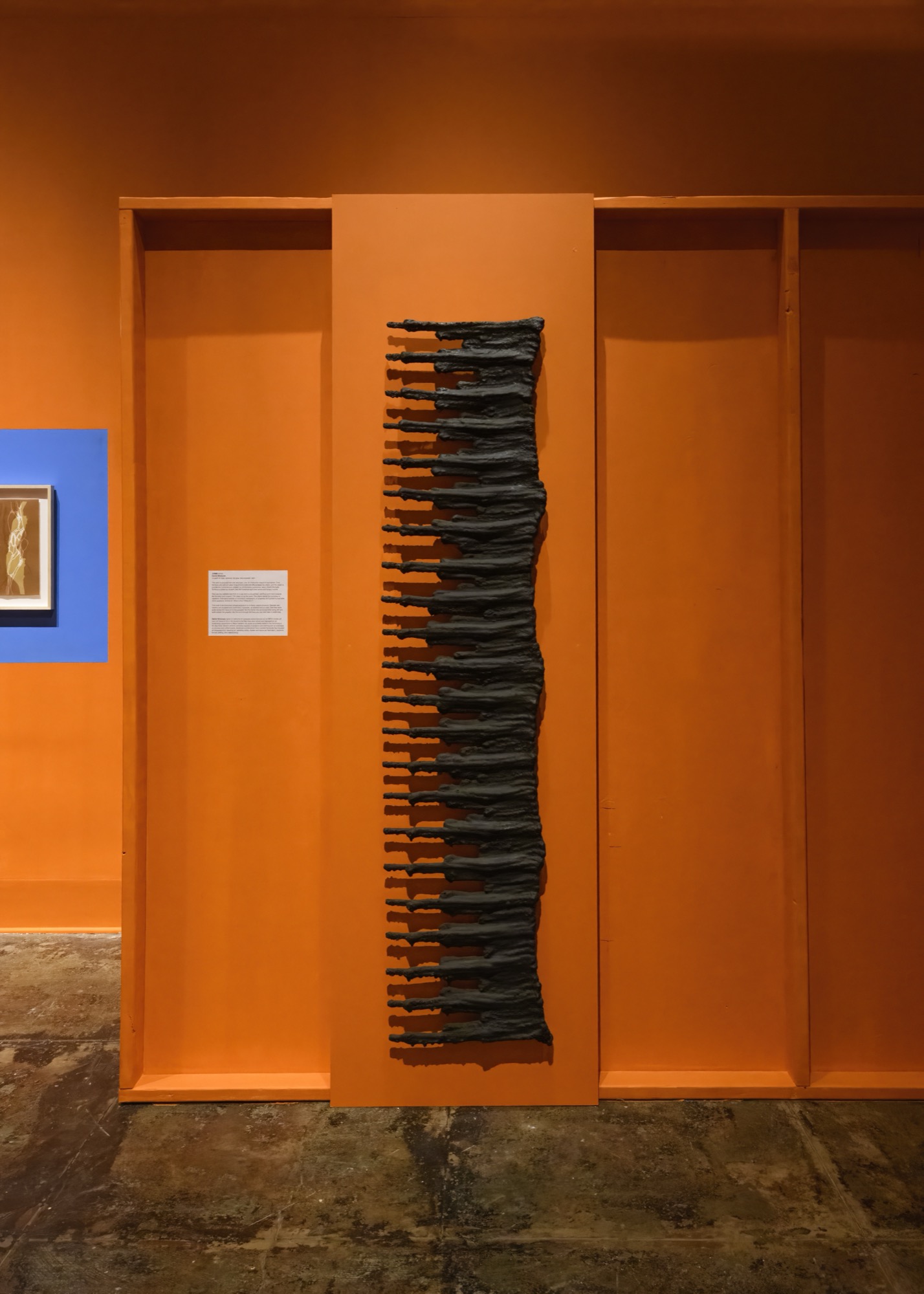
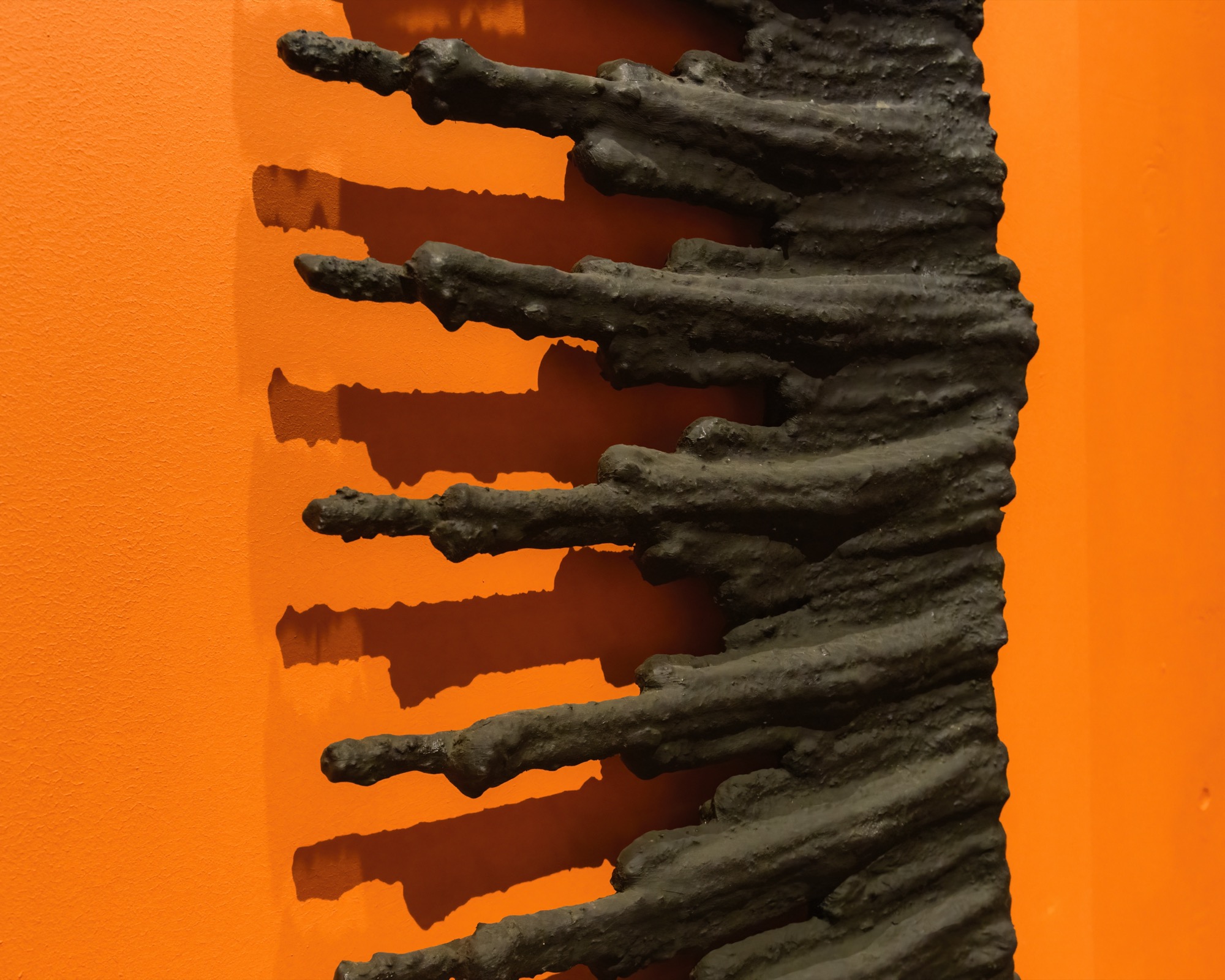
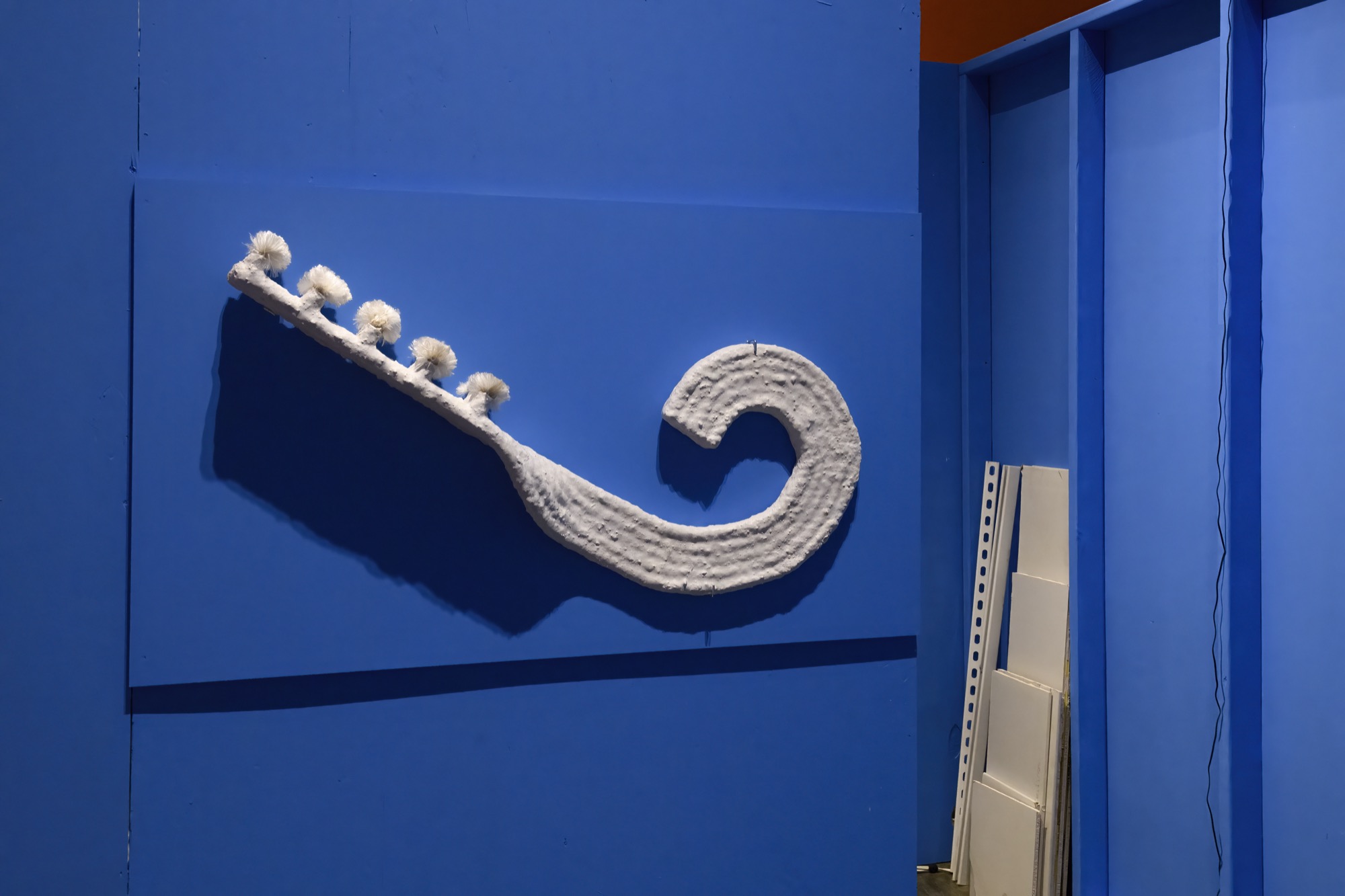
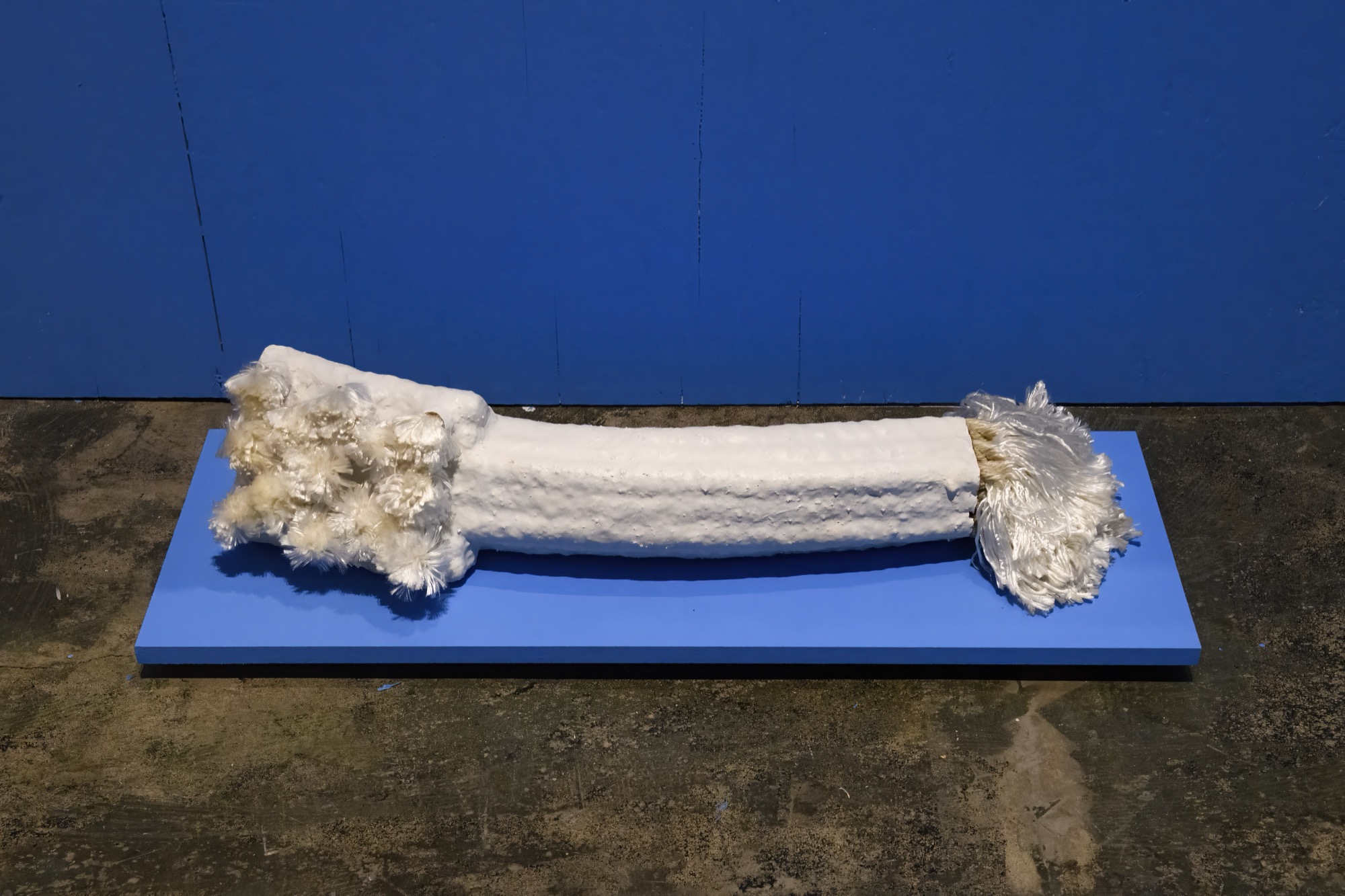
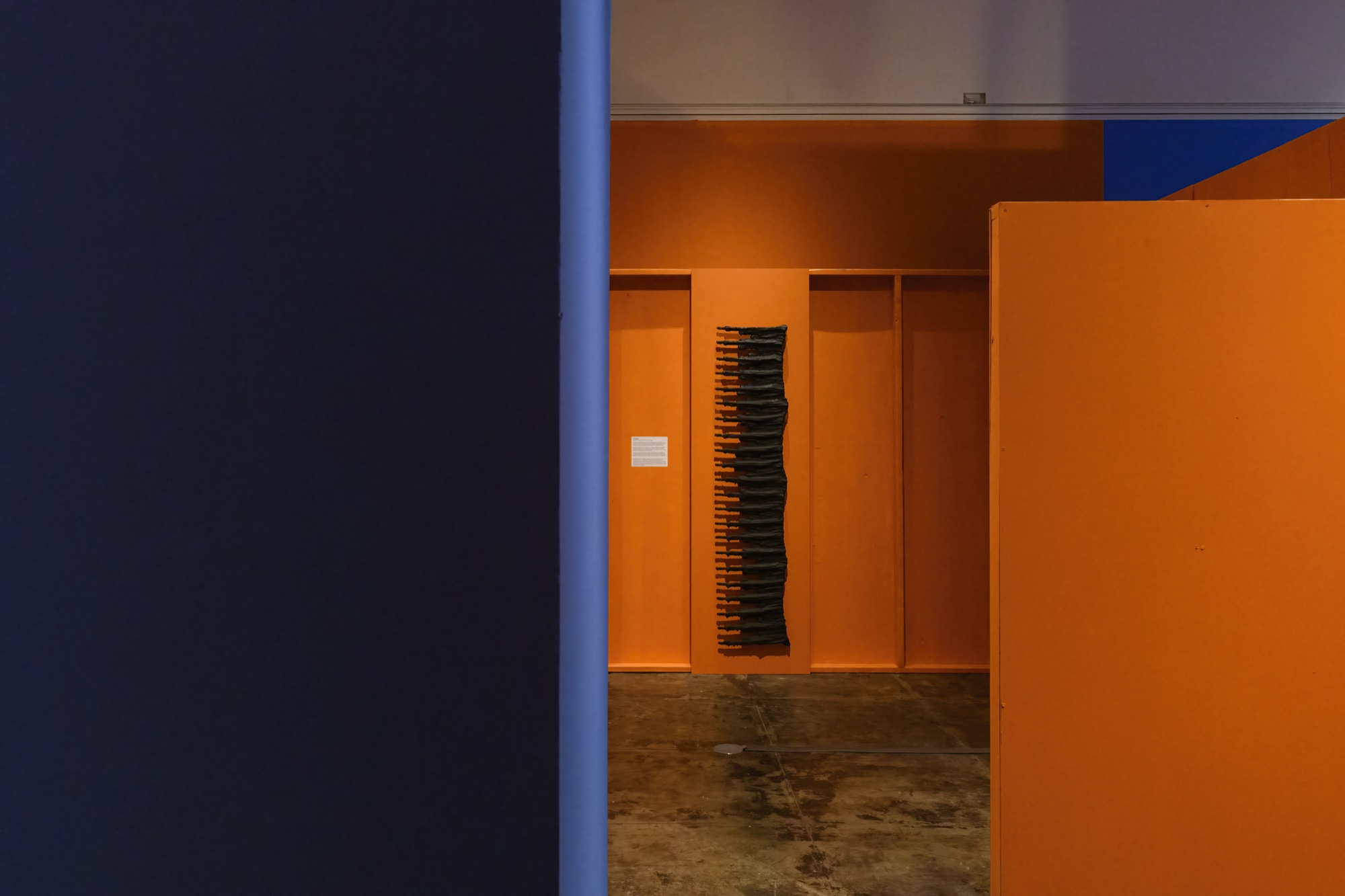
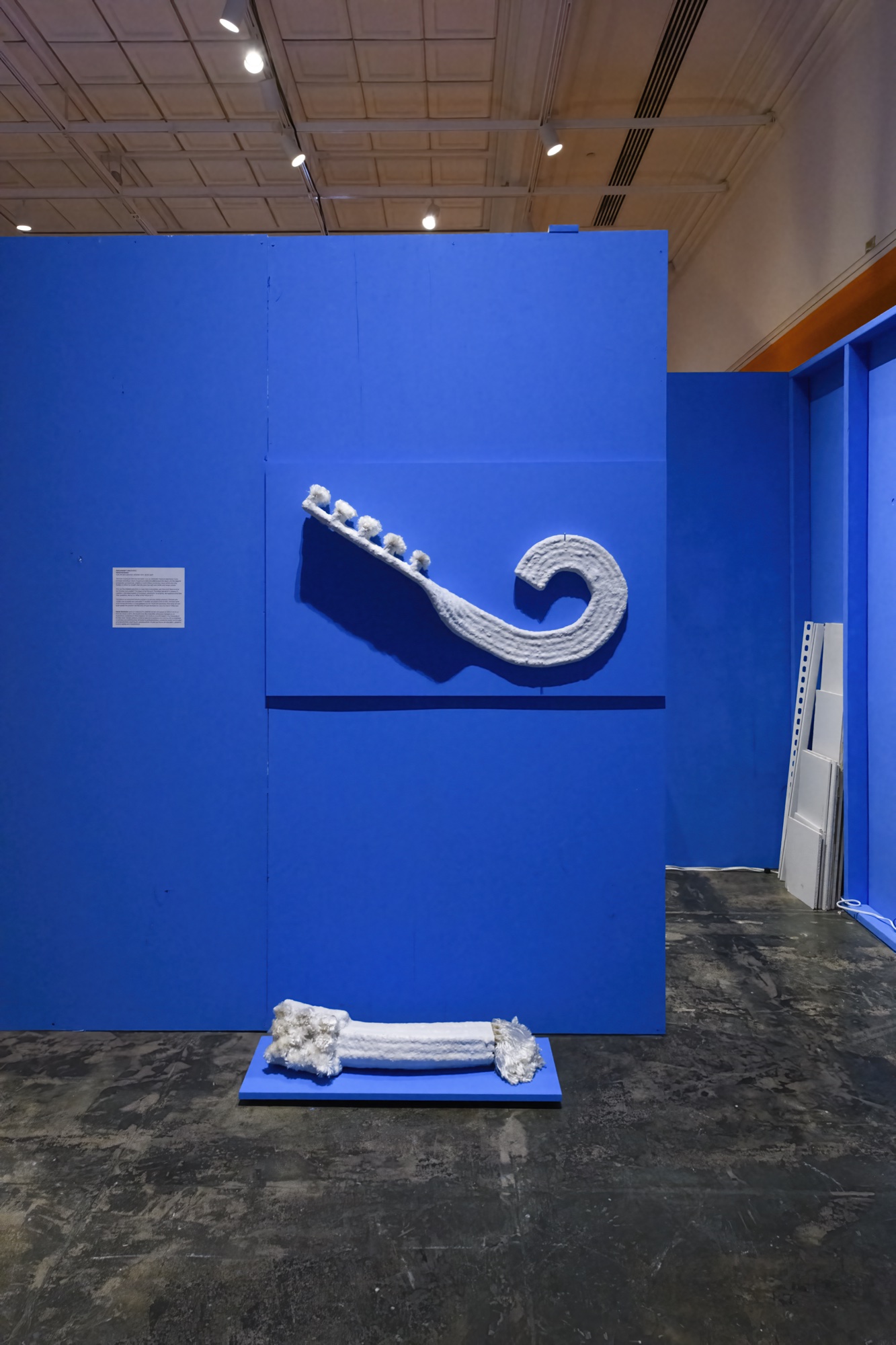
The work is conjured from line and dust. Line, an irreducible means of expression. Dust, formless and without value. A liquid turns solid and differentiates the object, and the object is a projection (unconscious, unseen) or confrontation (conscious, seen) of/with the body. Surface is unified by oil paint, like skin stretched tight over bones and hungry muscle.
How can the ineffable take form in a way that is one-pointed, and thus point back towards the formless and unseen? The object is not the work. The object stands for a process of repetition, time spent outside of movement, momentum, or progress, and questions that belie other questions, and so on. What is this? What am I?
This body is an instrument whose purpose is to embody radical presence. Disorder and mystery are accepted and celebrated, if possible, as another kind of order. One that never quite comes into focus or is fully grasped. But the traces one perceives while being still and quiet sustain the practice, like the wind through the trees you can only hear in wilderness.
Daniel Brickman came to California for graduate school and earned an MFA in studio art from UC Davis in 2012. He moved to the Bay Area after school and managed an art studio/shop cooperative in West Oakland. His studio is currently based in the Peninsula of the Bay Area. Daniel’s artwork combines aspects of sculpture and painting with an emphasis on process and craftsmanship. Brickman’s professional focus outside the studio has included art preparatorship, teaching art, assisting artists, theater and dance set fabrication, carpentry, bronze casting, and metalworking.
DJ Meisner
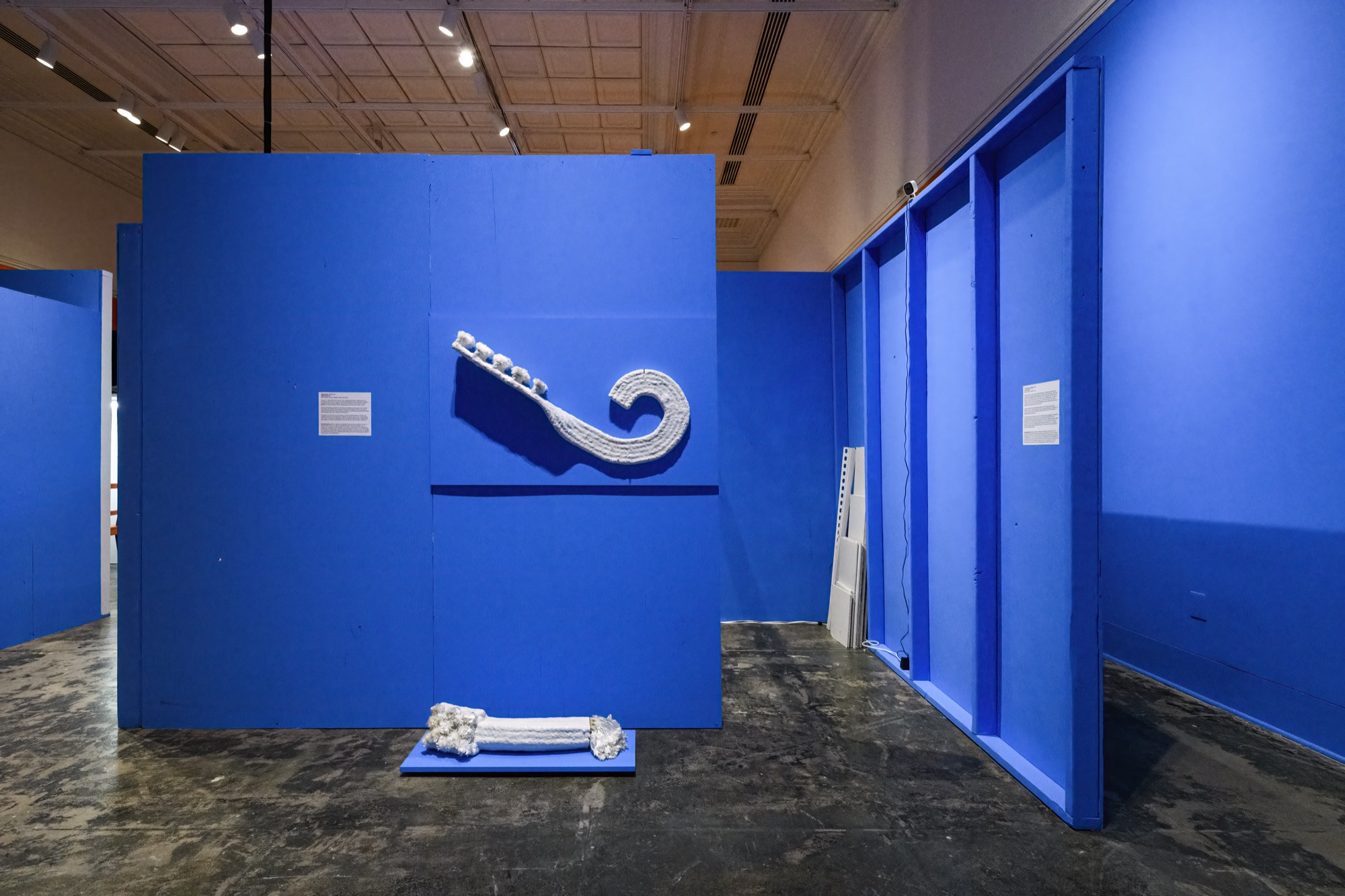
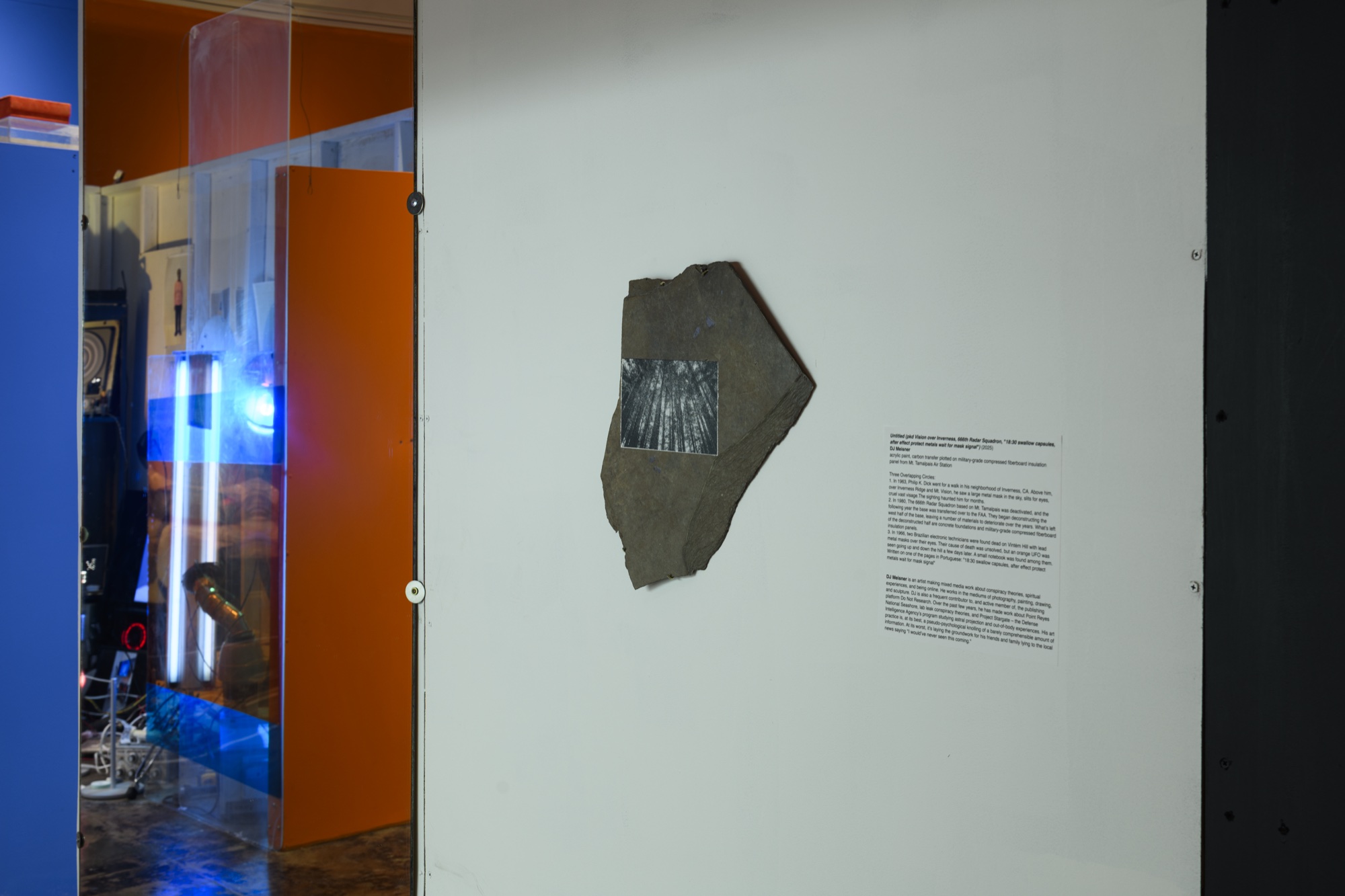
Three Overlapping Circles: 1. In 1963, Philip K. Dick went for a walk in his neighborhood of Inverness, CA. Above him, over Inverness Ridge and Mt. Vision, he saw a large metal mask in the sky, slits for eyes, cruel vast visage.The sighting haunted him for months. 2. In 1980, The 666th Radar Squadron based on Mt. Tamalpais was deactivated, and the following year the base was transferred over to the FAA. They began deconstructing the west half of the base, leaving a number of materials to deteriorate over the years. What’s left of the deconstructed half are concrete foundations and military-grade compressed fiberboard insulation panels. 3. In 1966, two Brazilian electronic technicians were found dead on Vintém Hill with lead metal masks over their eyes. Their cause of death was unsolved, but an orange UFO was seen going up and down the hill a few days later. A small notebook was found among them. Written on one of the pages in Portuguese: “18:30 swallow capsules, after effect protect metals wait for mask signal”
DJ Meisner is an artist making mixed media work about conspiracy theories, spiritual experiences, and being online. He works in the mediums of photography, painting, drawing, and sculpture. DJ is also a frequent contributor to, and active member of, the publishing platform Do Not Research. Over the past few years, he has made work about Point Reyes National Seashore, lab leak conspiracy theories, and Project Stargate – the Defense Intelligence Agency’s program studying astral projection and out-of-body experiences. His art practice is, at its best, a pseudo-psychological knolling of a barely comprehensible amount of information. At its worst, it’s laying the groundwork for his friends and family lying to the local news saying “I would’ve never seen this coming.”
Ebti
My practice is informed by translation, languages, theater, literature, music and my family’s making-traditions I never got to learn. Through this multifaceted, dislocated lens I look at the idea of home, belonging, and attachment. Though my work is rooted in photography, I am constantly looking for new materials and methods that will best translate my ideas. Once I start working on a project, I embrace notions of accident and failure. My practice is ever-evolving and is influenced by my restlessness.
Ebti is a multidisciplinary artist, a photographer and a translator living between Cairo and San Francisco. She holds an MA in translation and intercultural studies from Johannes Gutenberg Universität, Mainz, and an MFA in Fine Art from California College of the Arts. Ebti is part of “Right window” collective, “Off Hours” collective and is sitting on the curatorial council at “Southern Exposure Gallery” in San Francisco. Her work has been shown in galleries around the US and Egypt. She currently teaches visual arts and photography at Performing Arts Workshop in the San Francisco Bay Area.
Frank Floyd
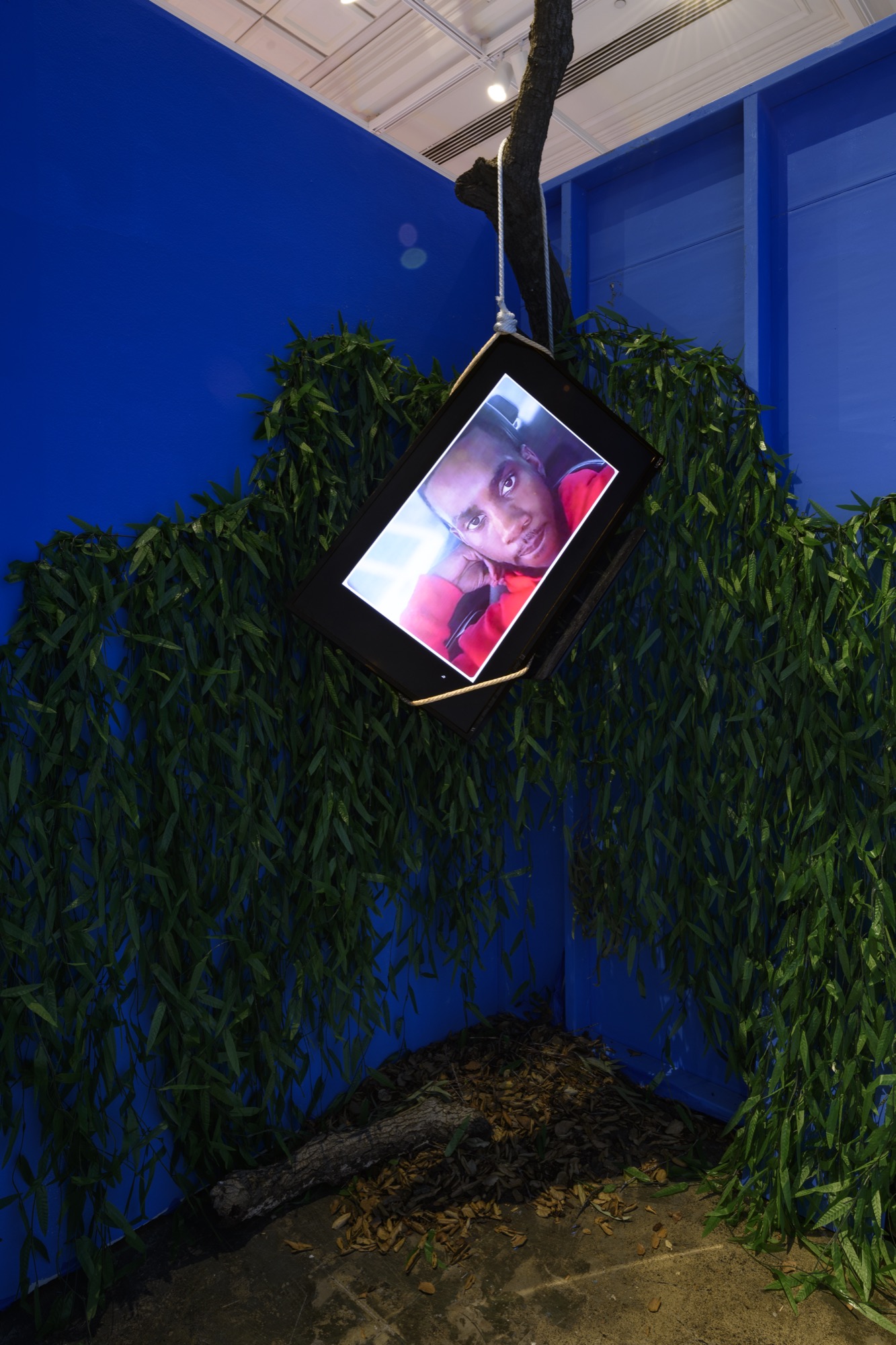
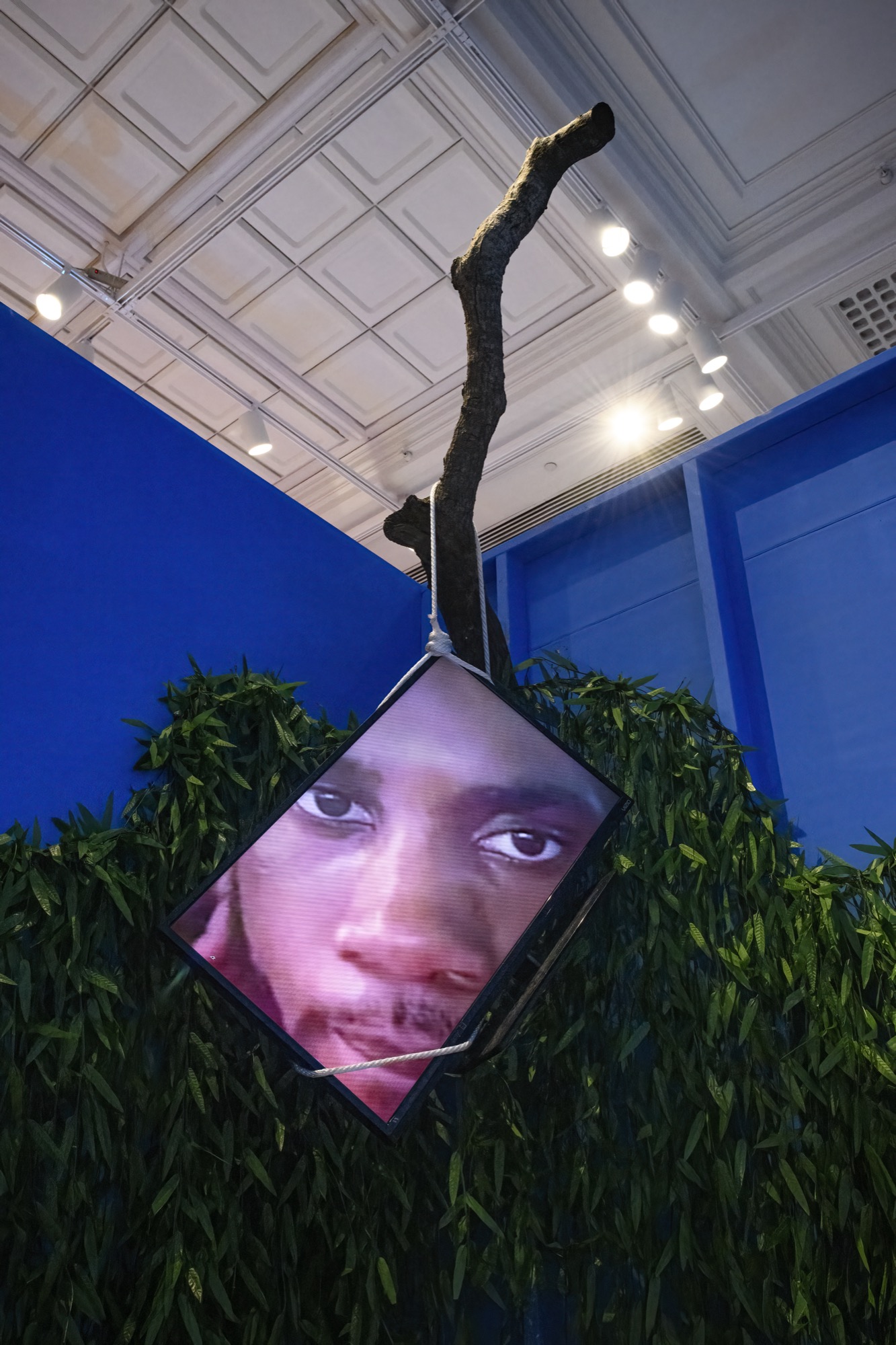
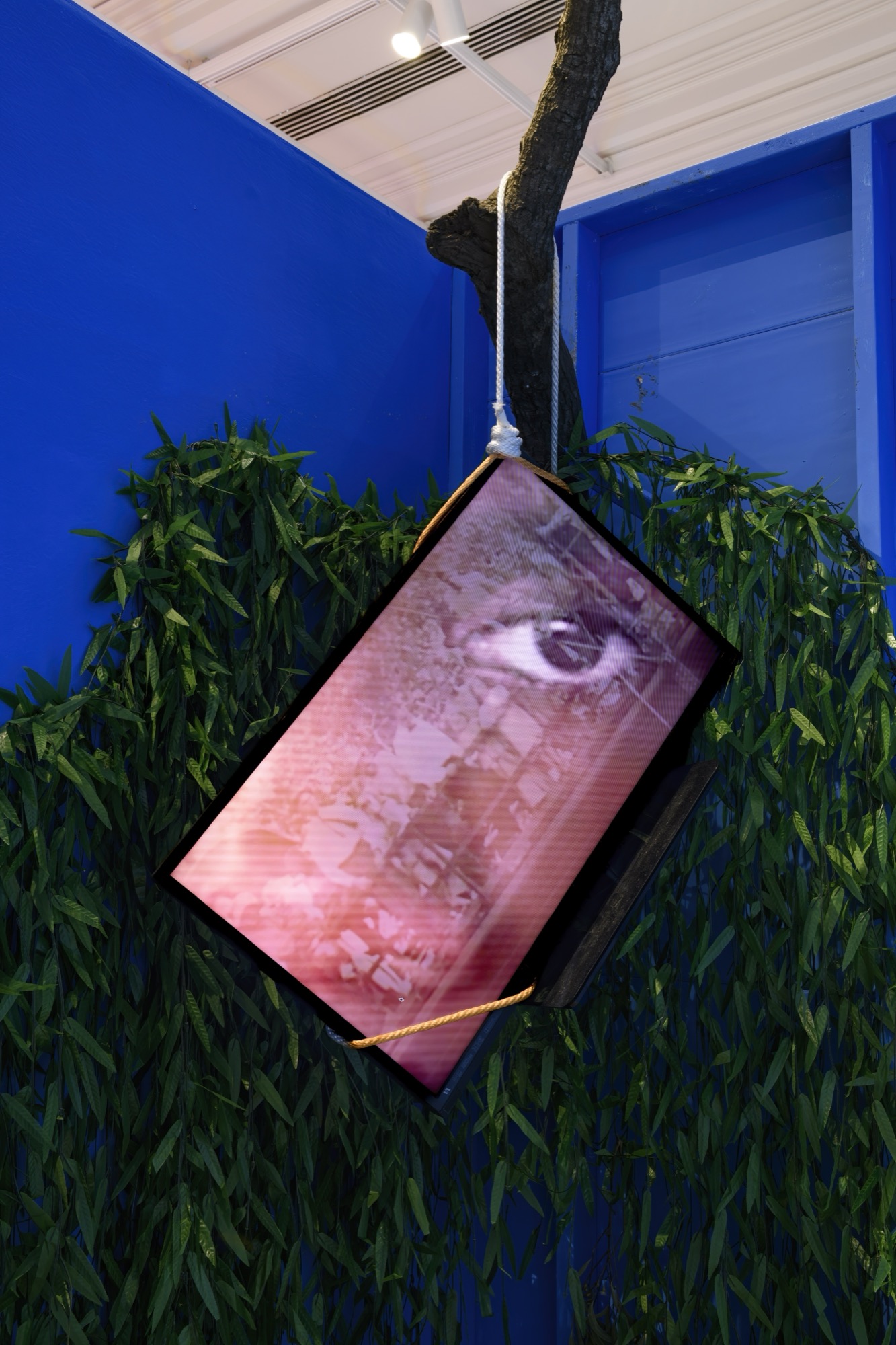
I create video and audio work whose themes encompass the nature of time, consciousness, surveillance, and communication. My practice often draws from the streams of information we encounter, both digital and sensorial. I focus and distill physical experiences and media culture into moments that, for the participant, invite exploration, reflection and questioning.
I welcome the occurrence when someone stops and thinks to themself: What is this about? I’m interested most in that journey of thought which follows engagement with my artwork. I work fluidly across mediums—sound pieces, single-channel video, multi-channel installations and more—always letting the intention dictate the form. In recent years I’ve been creating video sculptures: works incorporating sound, visuals and objects that emphasize not only their own spatial nature but also that of the viewer’s experience around them.
Frank Floyd’s video work has appeared on SundanceTV, at Kingston Gallery in Boston, and been mentioned in The New York Times and Art New England. Notable installation projects include “The Gallop of Chyron” at Godine Family Gallery (Boston), and public installations at Boston’s SoWa Power Station and several at the Boston Convention and Exhibitions Center, on an eight-story-tall LED tower. Currently, he works as Art Media Technologist at Stanford University, where the intersection of art and technology remains central to his professional and artistic practice.
Gabriel Harrison
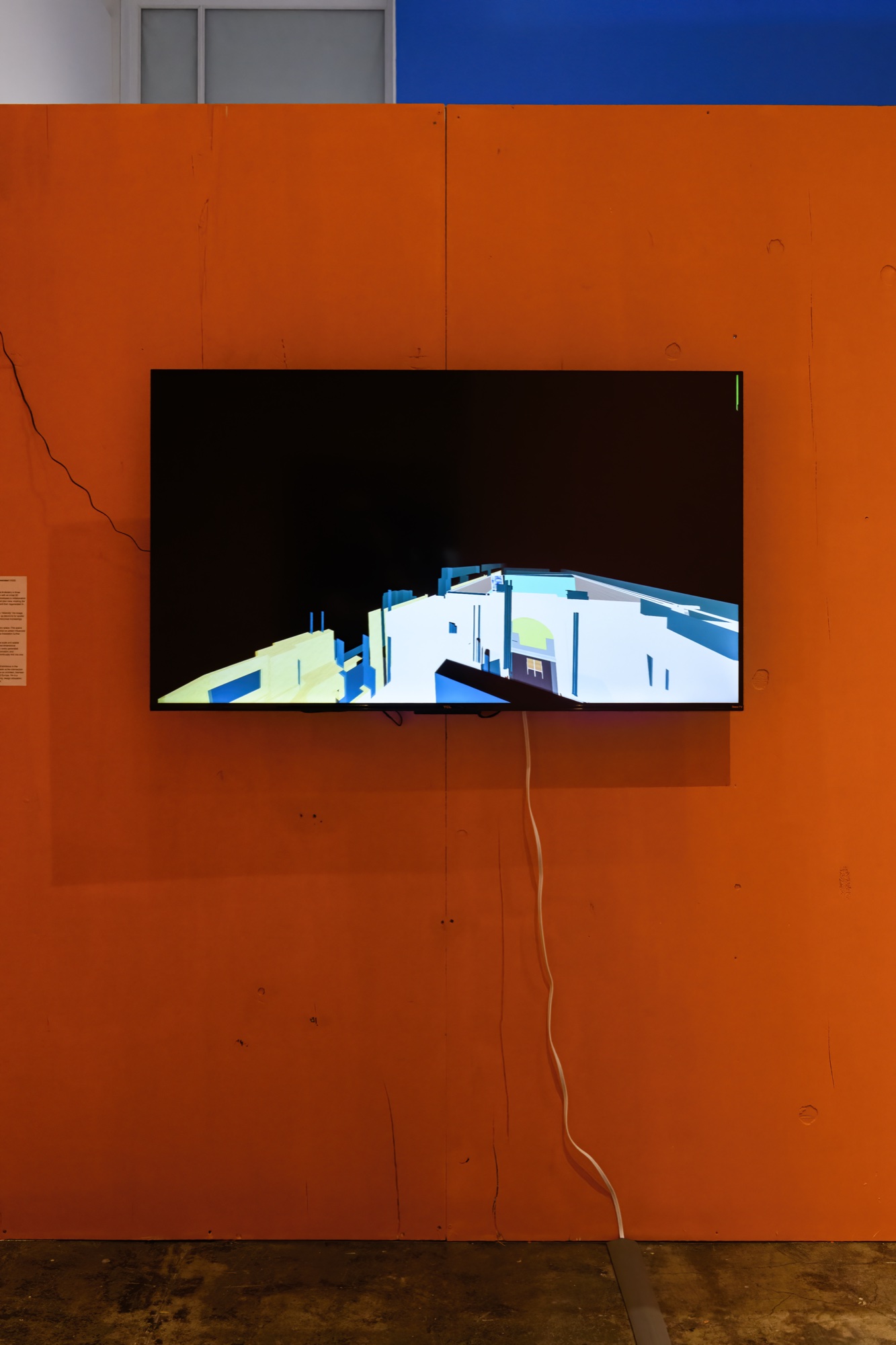
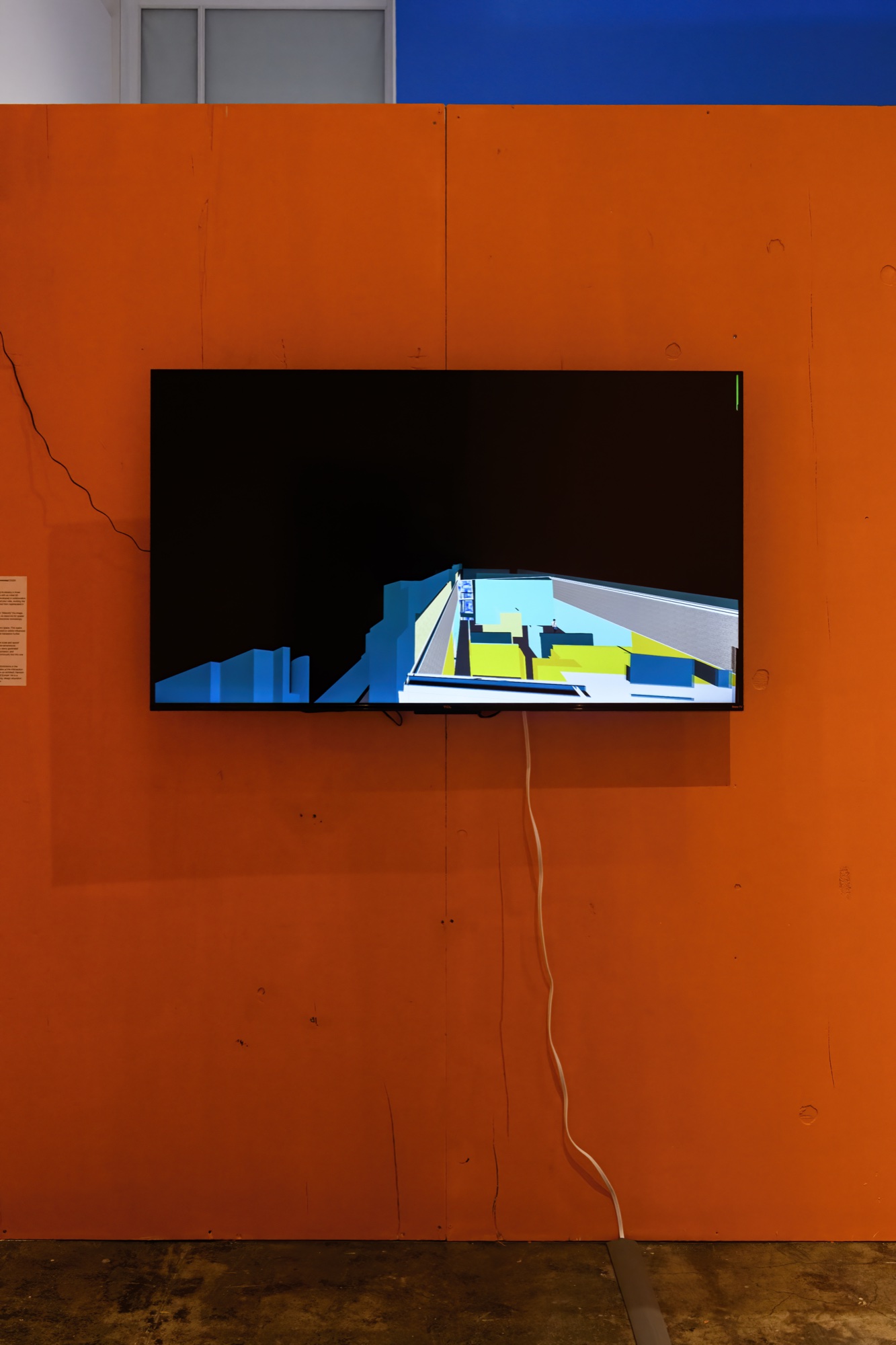
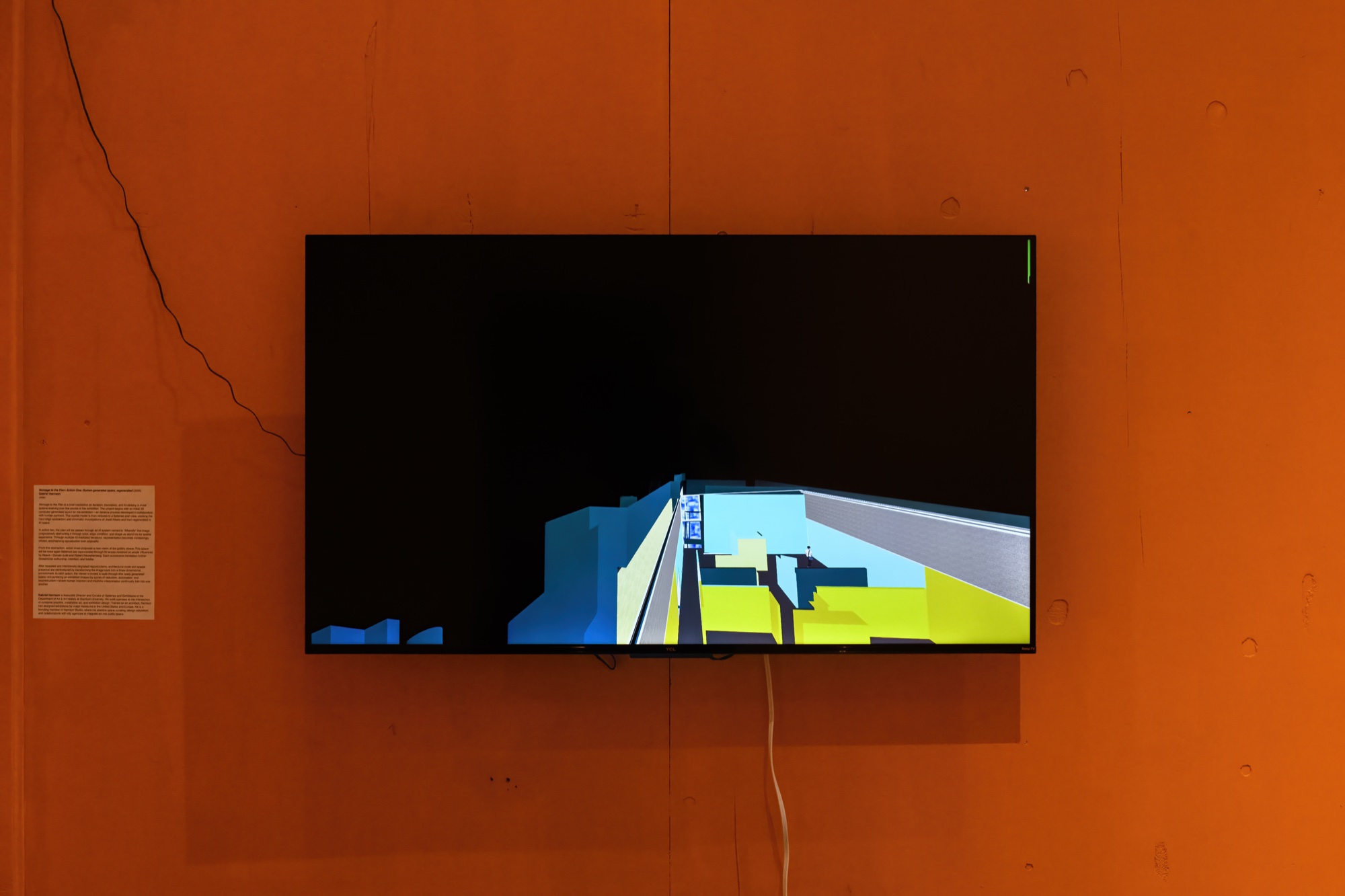
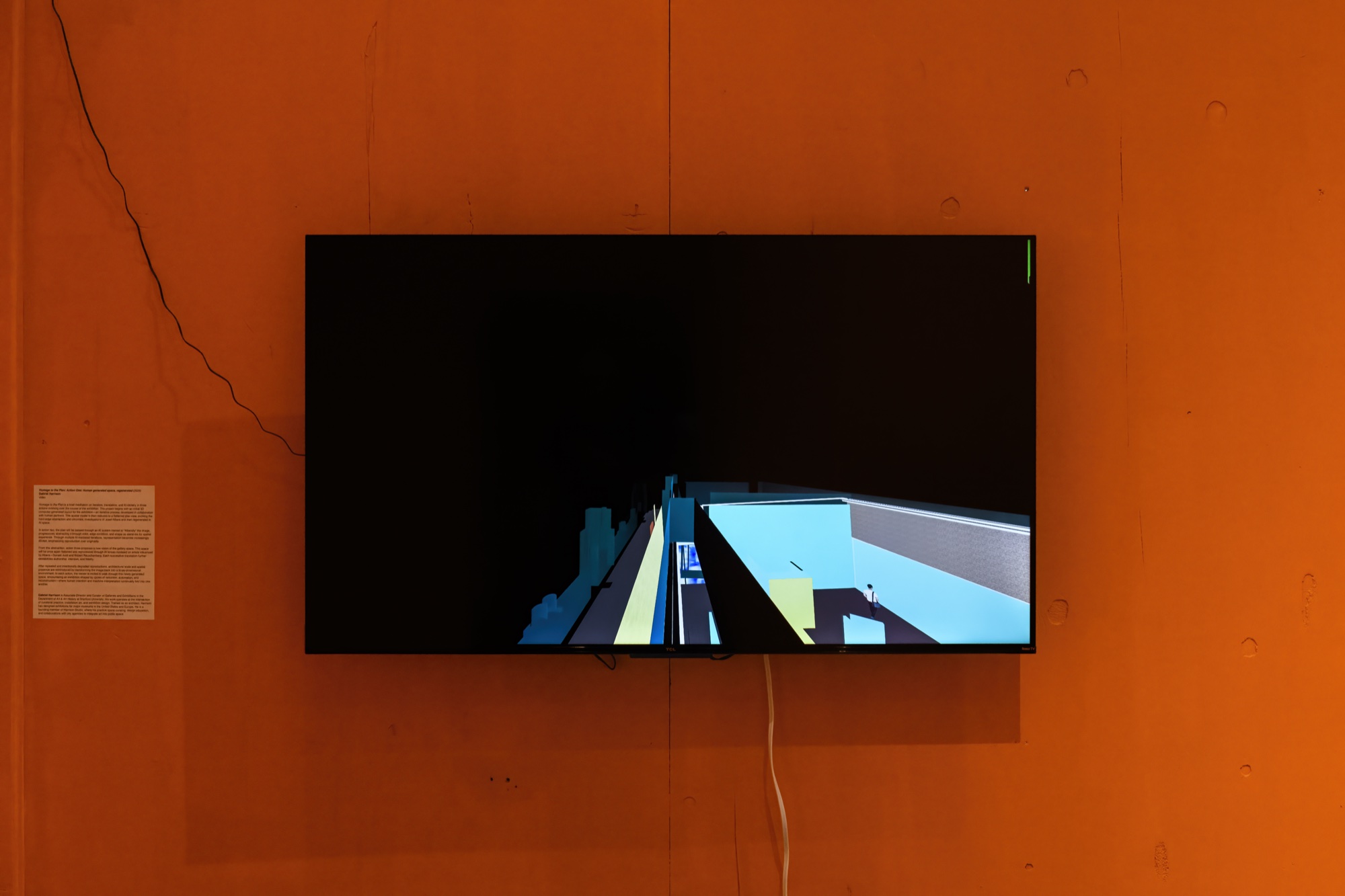
Homage to the Plan is a brief meditation on iteration, translation, and AI-idolatry in three actions evolving over the course of the exhibition. The project begins with an initial 3D computer-generated layout for the exhibition—an iterative process developed in collaboration with human partners. This spatial model is then reduced to a flattened plan view, evoking the hard-edge abstraction and chromatic investigations of Josef Albers and then regenerated in AI space.
In action two, the plan will be passed through an AI system trained to “Albersify” the image, progressively abstracting it through color, edge condition, and shape as stand-ins for spatial experience. Through multiple AI-mediated iterations, representation becomes increasingly diluted, emphasizing reproduction over originality.
From this abstraction, action three proposes a new vision of the gallery space. This space will be once again flattened and reprocessed through AI lenses modeled on artists influenced by Albers—Donald Judd and Robert Rauschenberg. Each successive translation further destabilizes authorship, intention, and fidelity.
After repeated and intentionally degraded reproductions, architectural scale and spatial presence are reintroduced by transforming the image back into a three-dimensional environment. In each action, the viewer is invited to walk through this newly generated space, encountering an exhibition shaped by cycles of reduction, automation, and reconstruction—where human intention and machine interpretation continually fold into one another.
Gabriel Harrison is Associate Director and Curator of Galleries and Exhibitions in the Department of Art & Art History at Stanford University. His work operates at the intersection of curatorial practice, installation art, and exhibition design. Trained as an architect, Harrison has designed exhibitions for major museums in the United States and Europe. He is a founding member of Harrison Studio, where his practice spans curating, design education, and collaborations with city agencies to integrate art into public space.
Jon Bernson
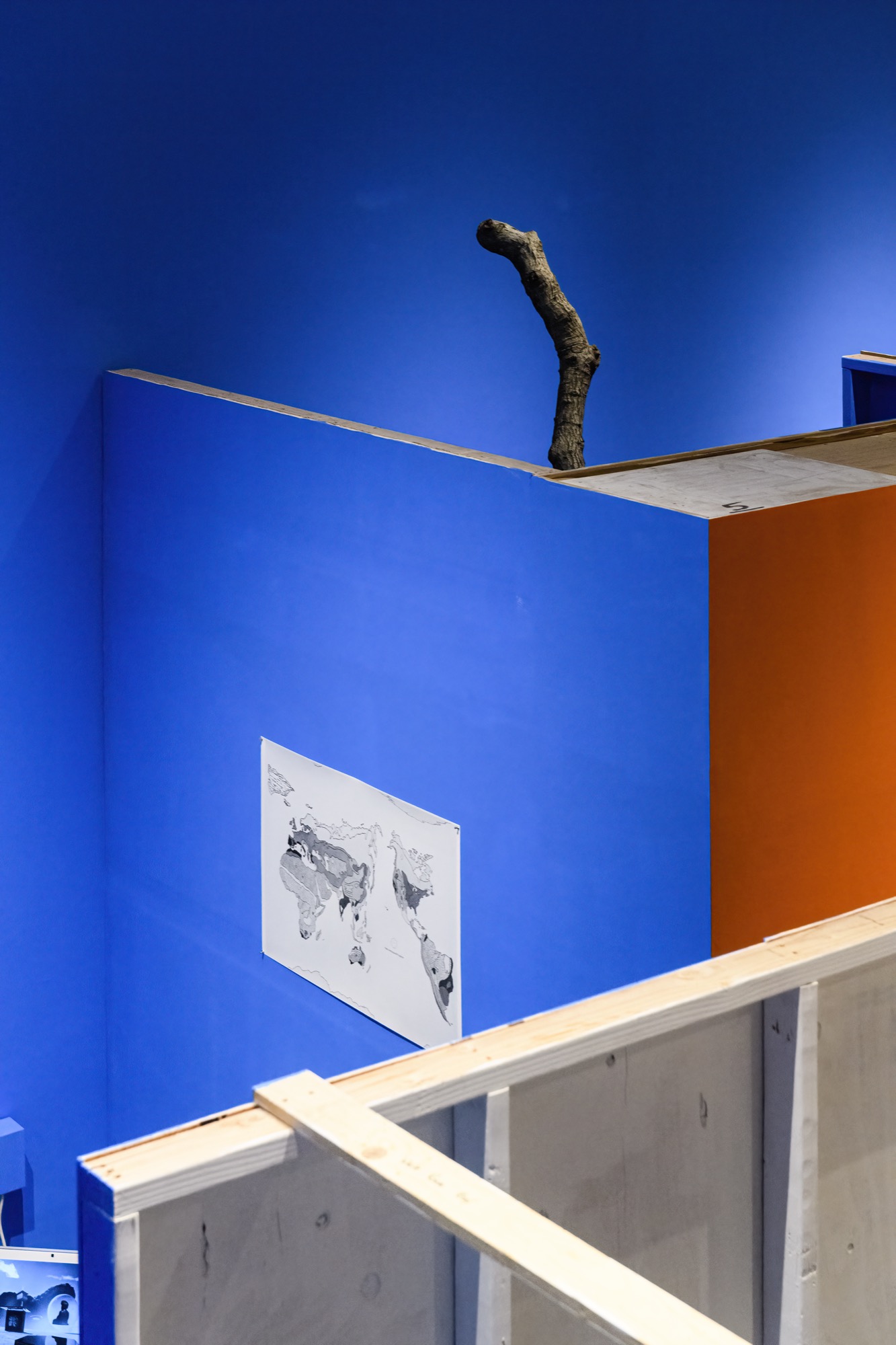
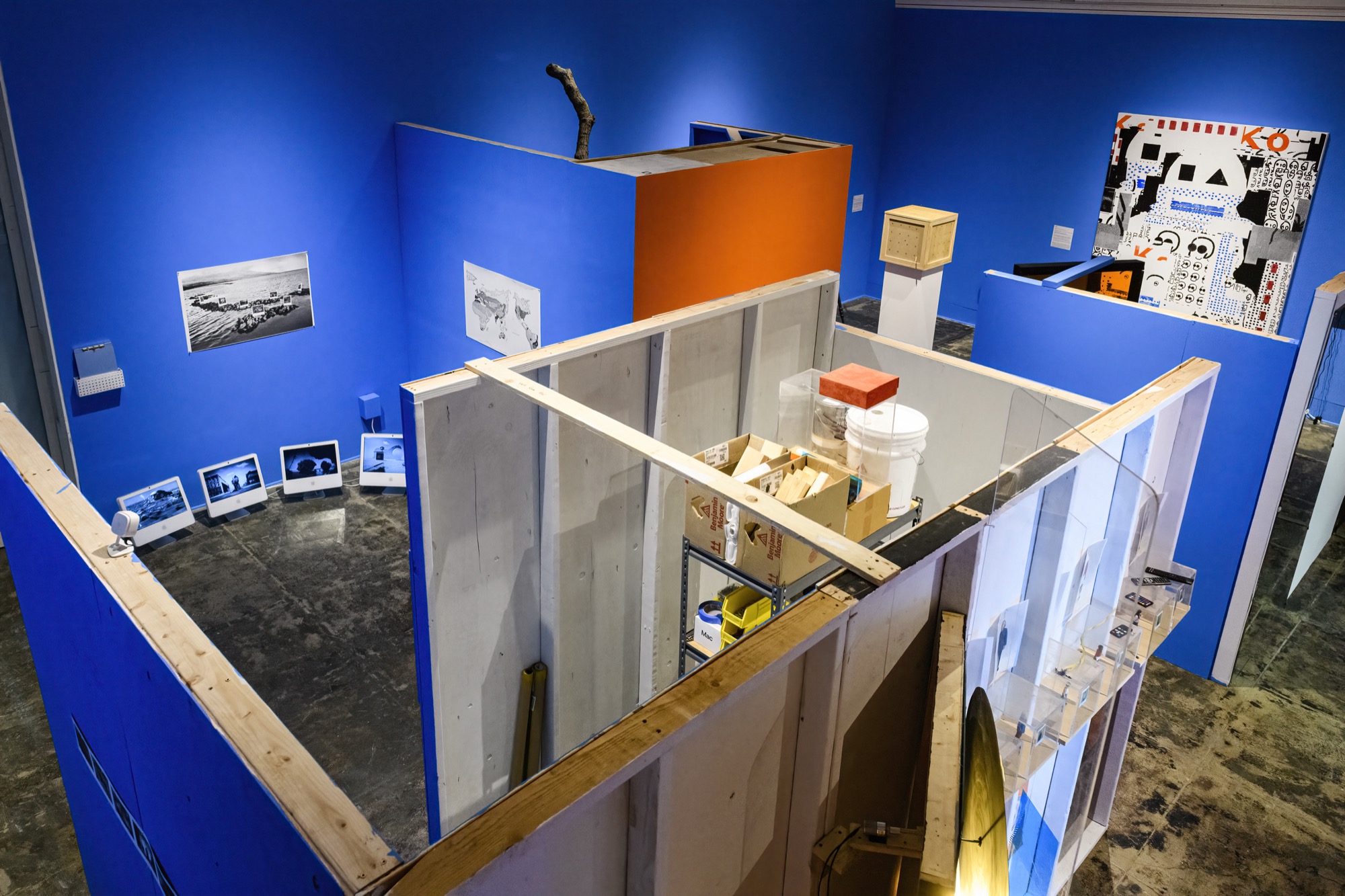
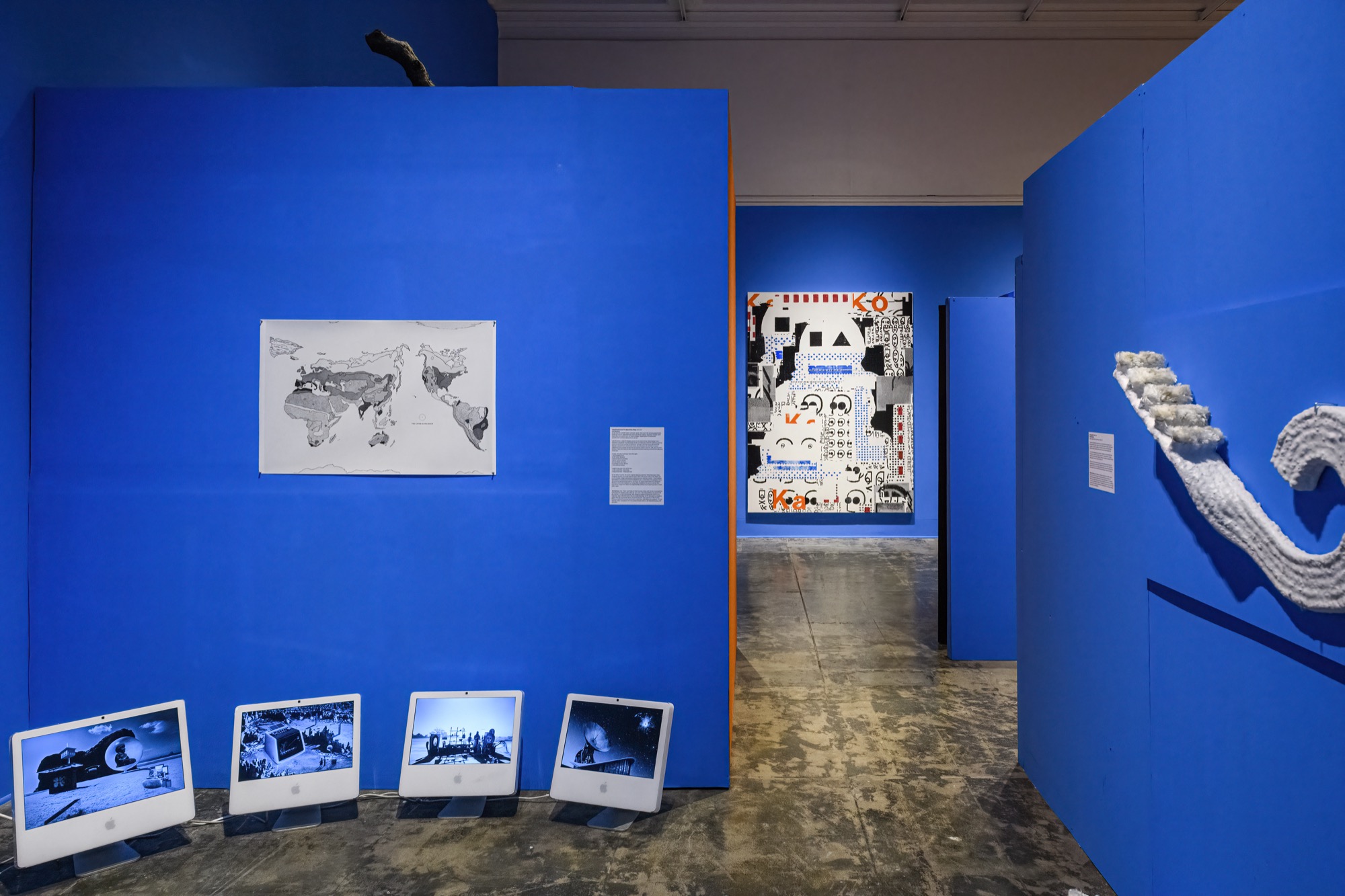
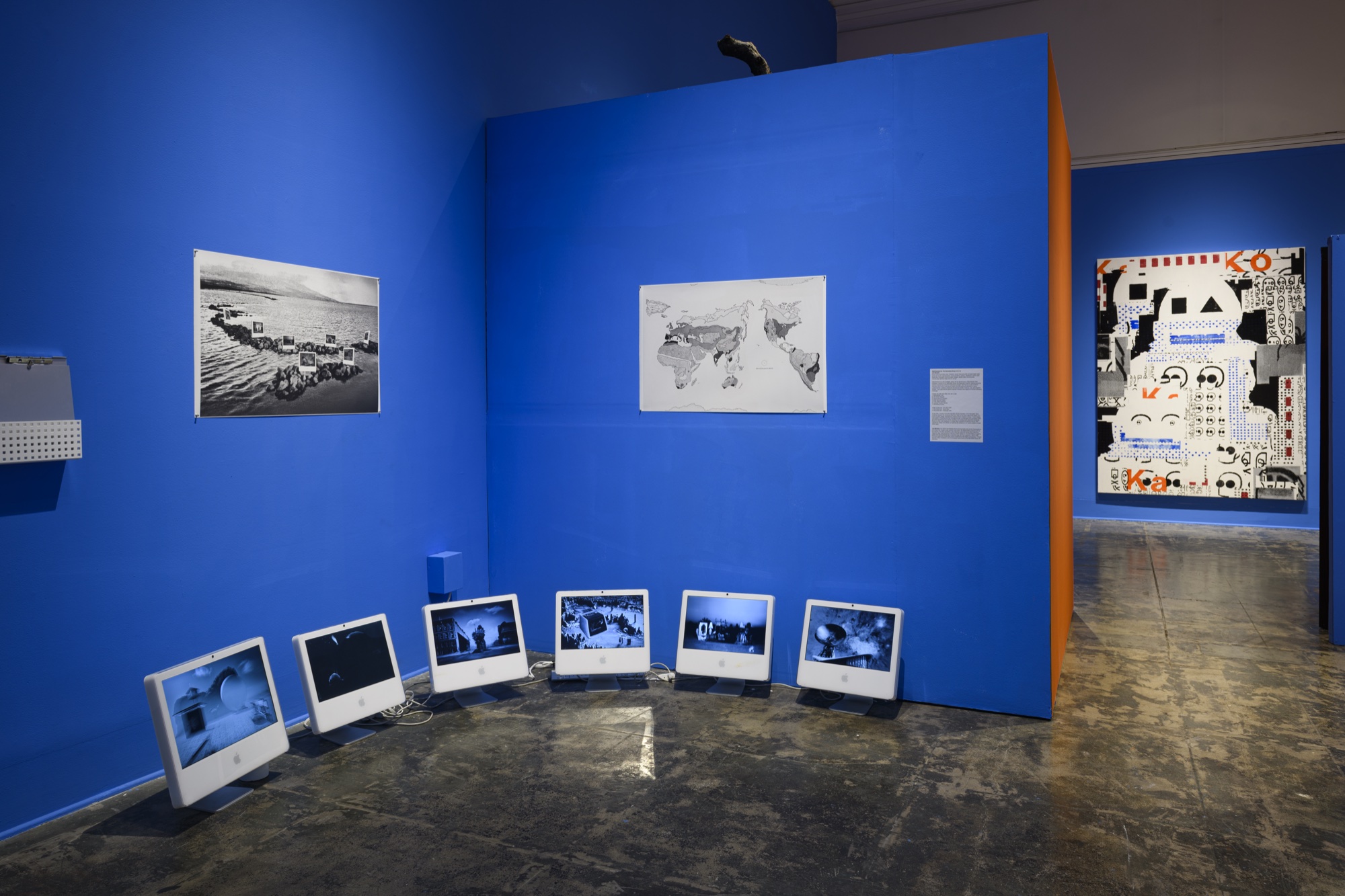
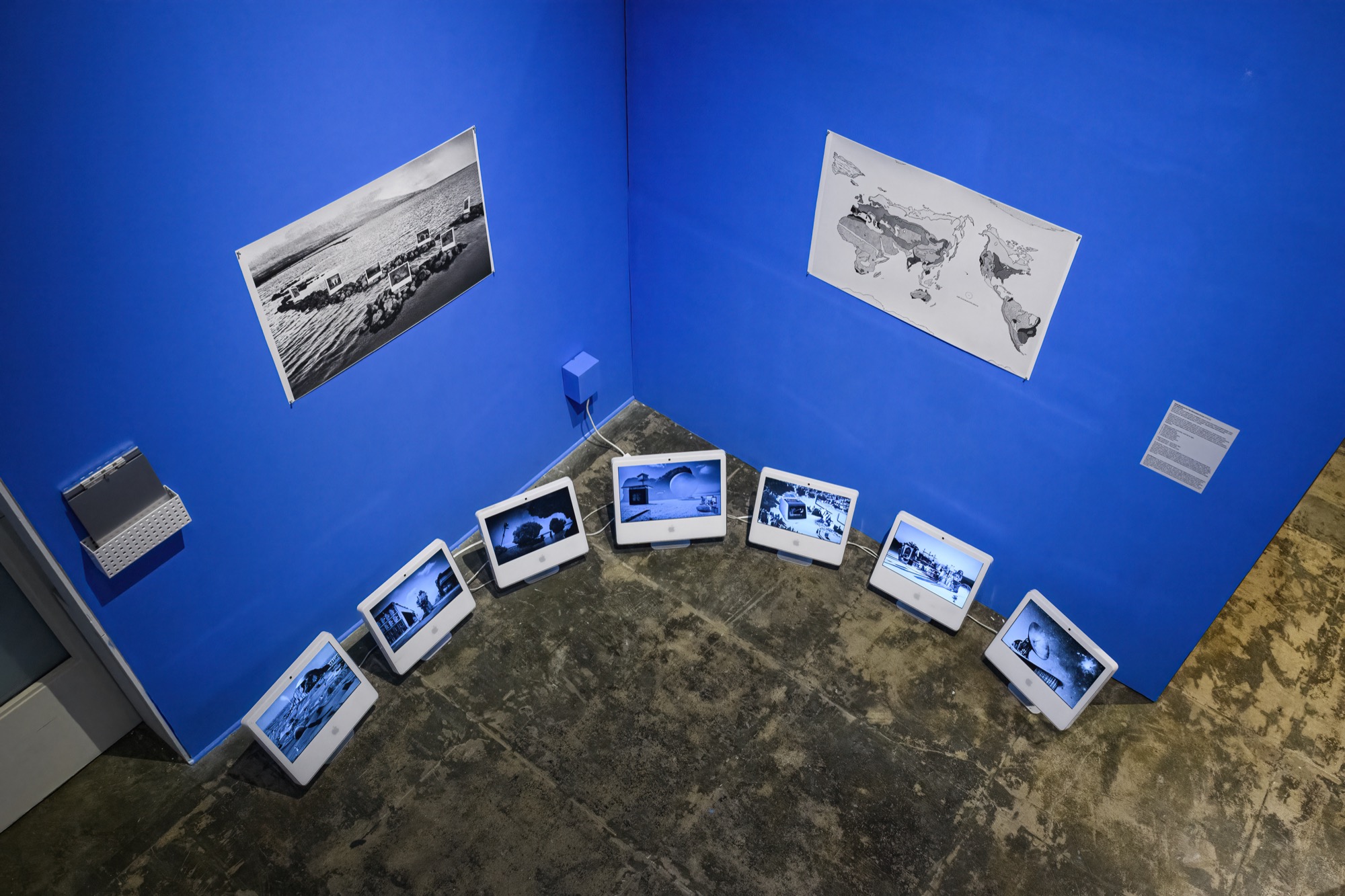
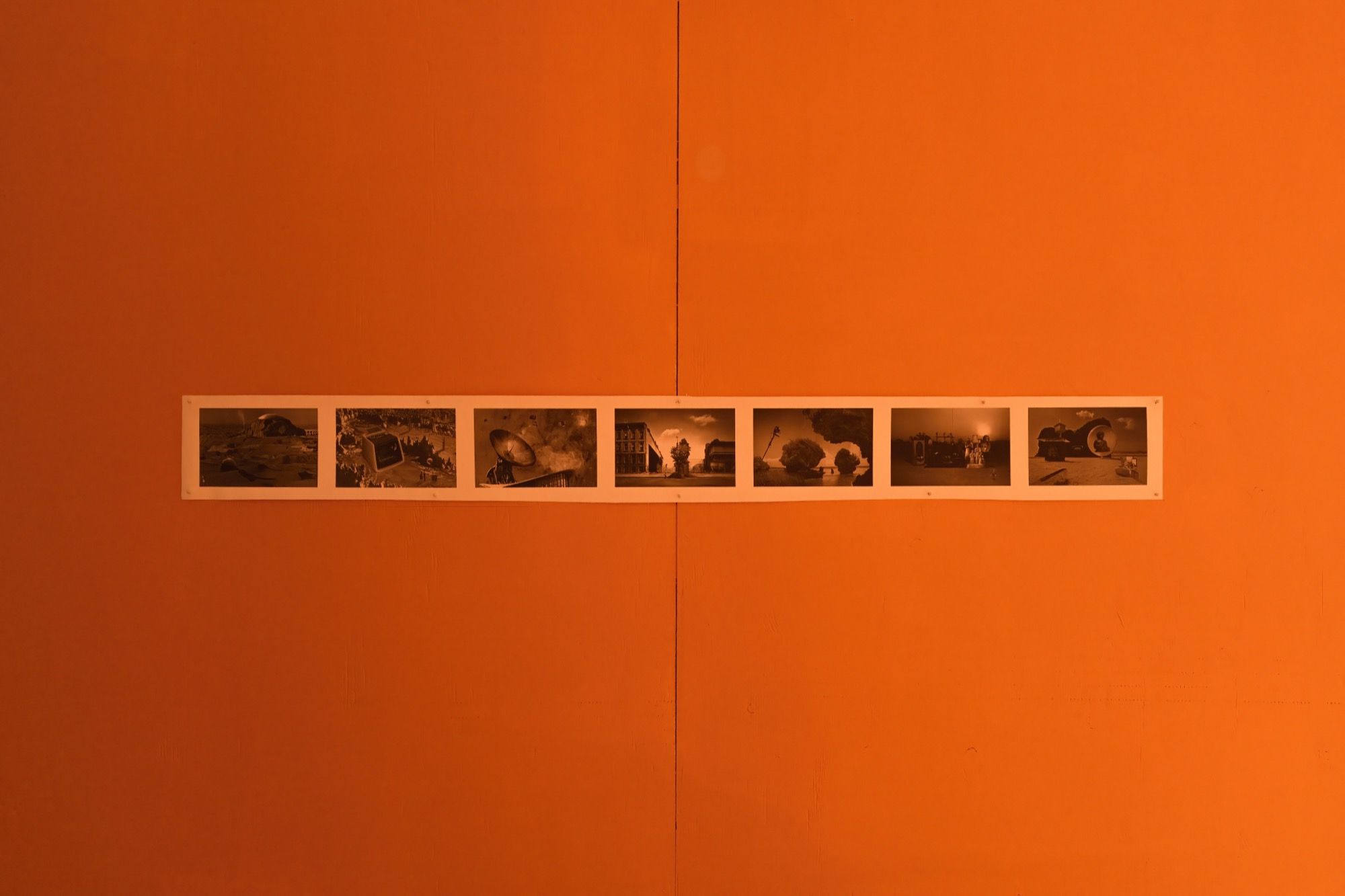
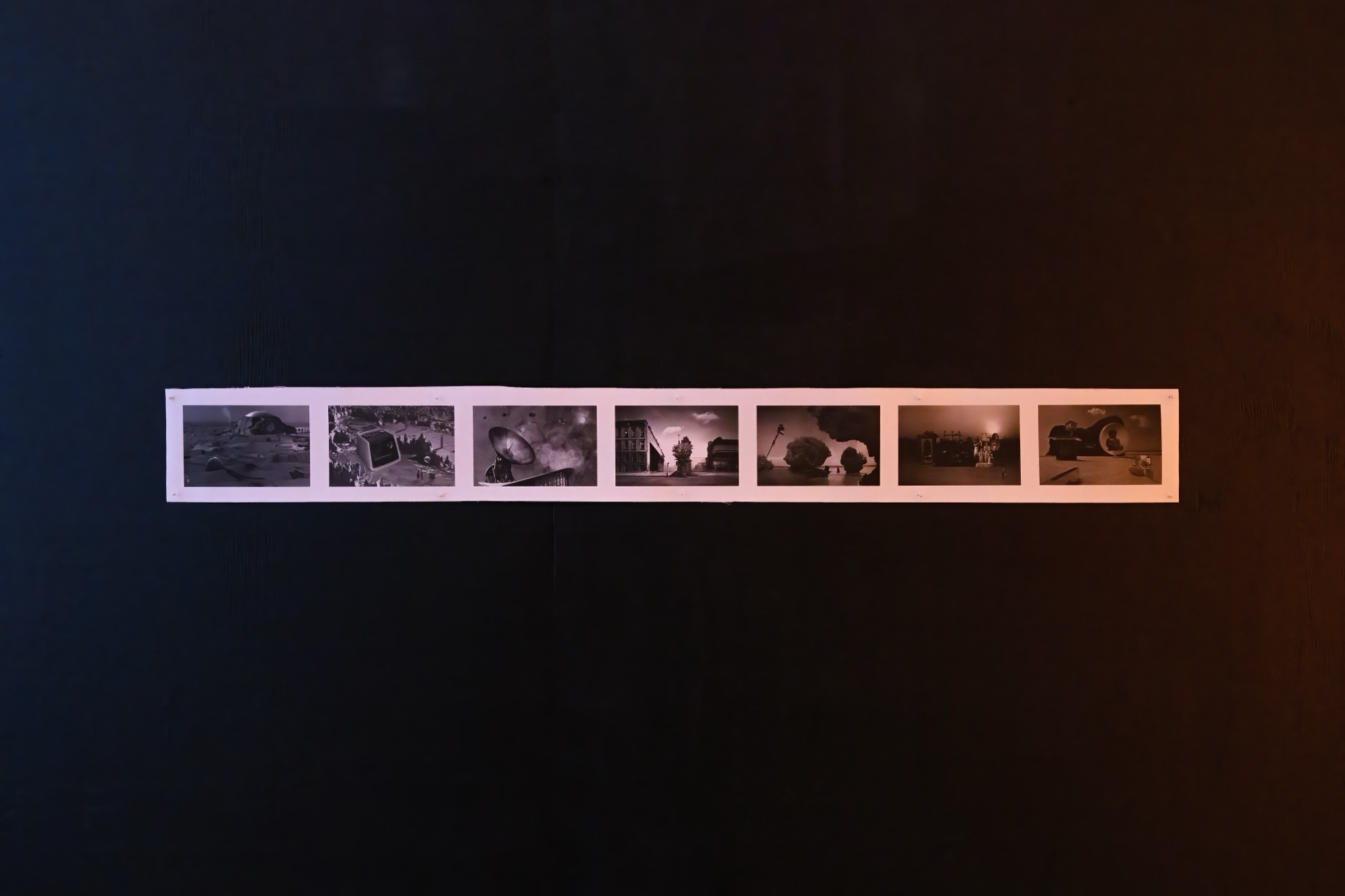
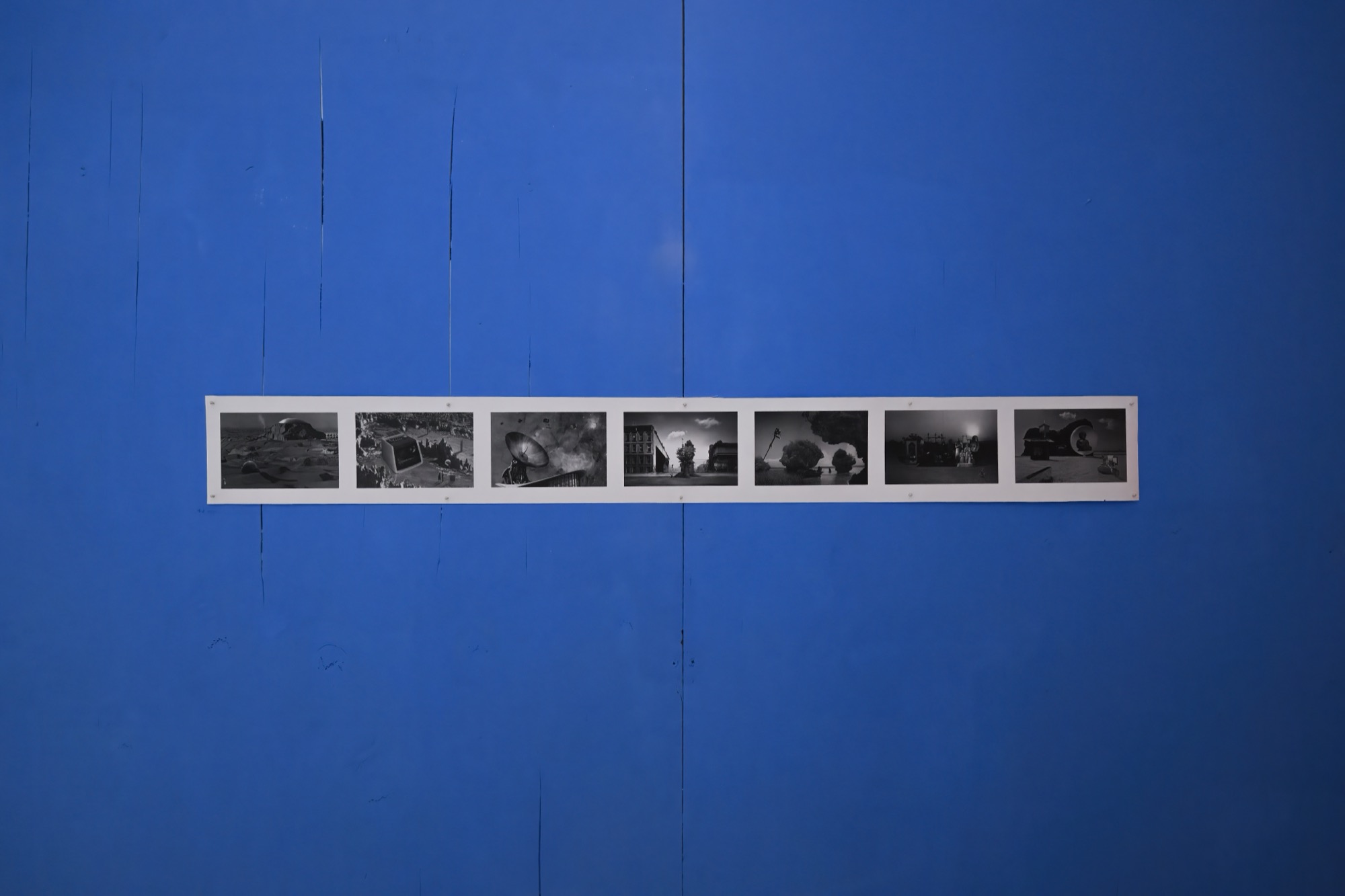
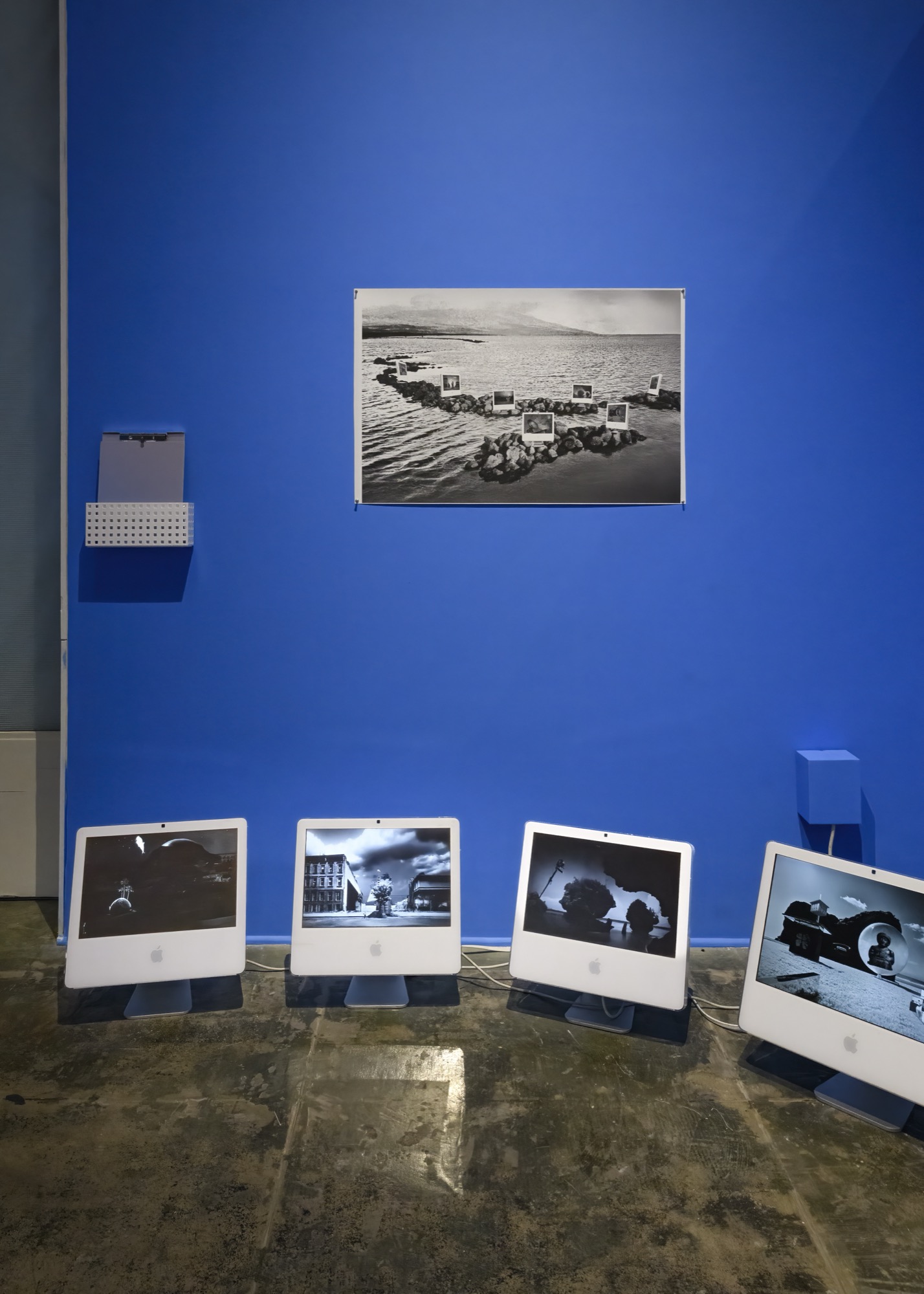
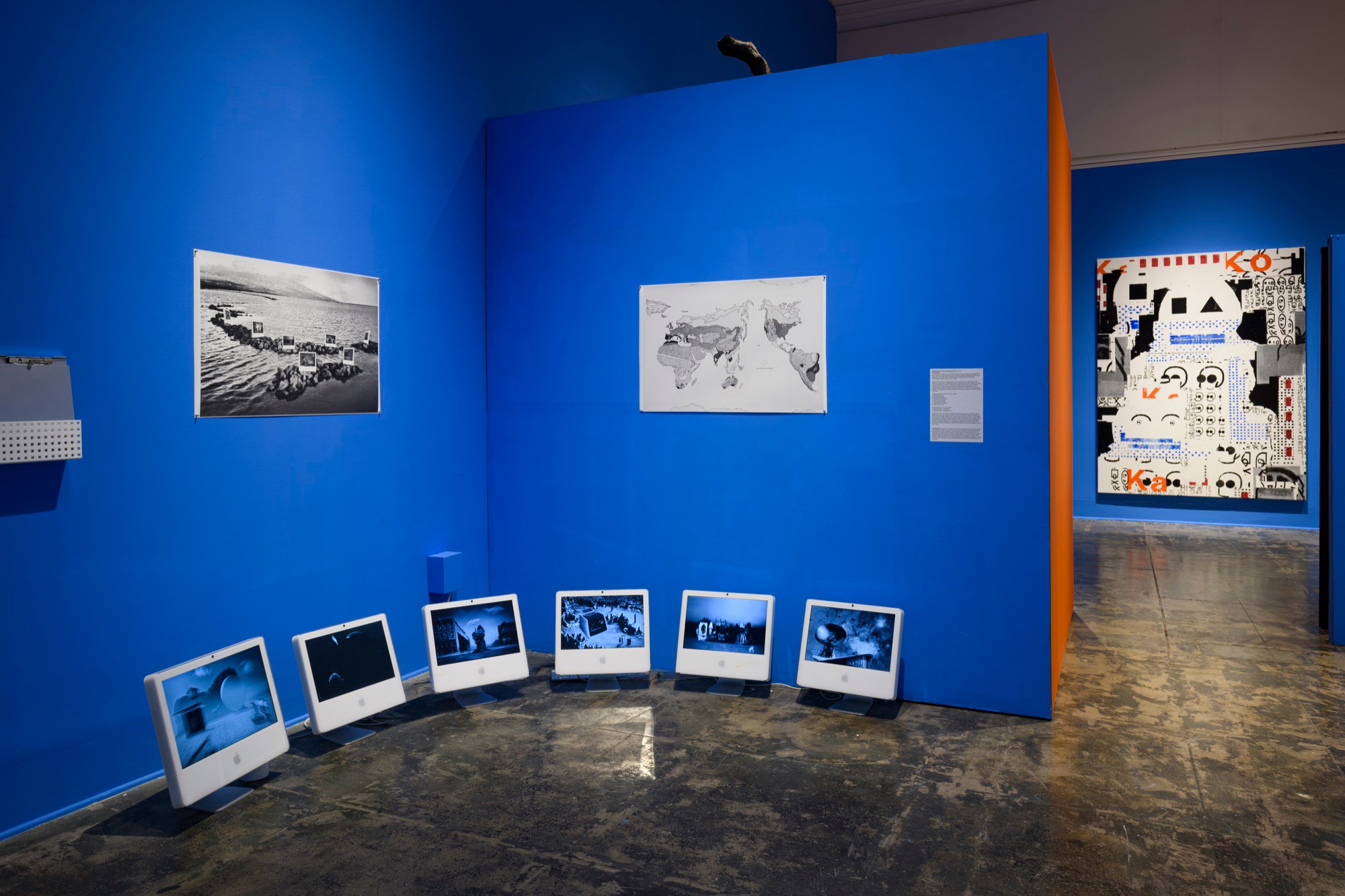
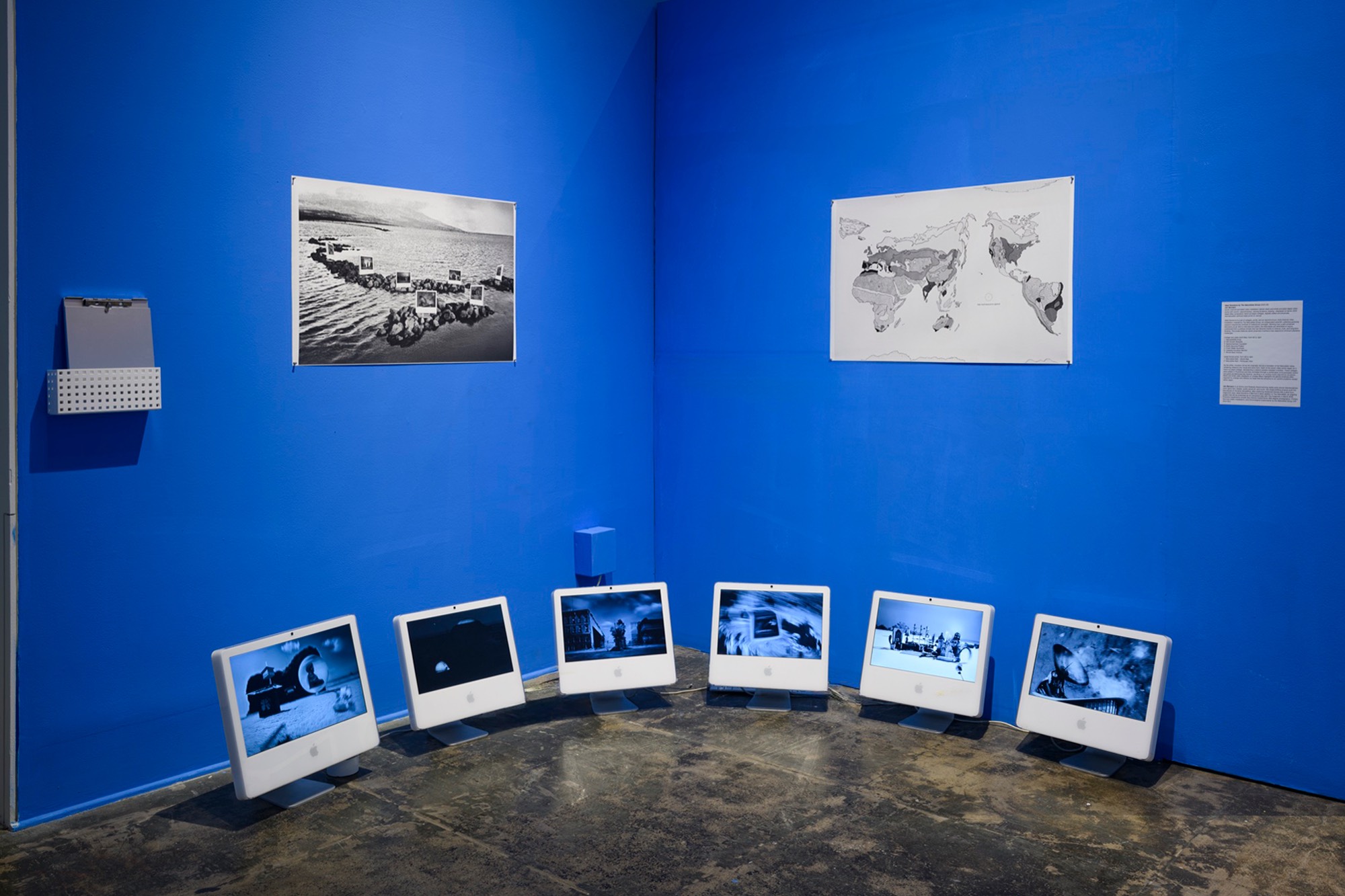
Ideal Solutions is a set of collages, prints, and an asynchronous, multi-channel video installation inspired by The Naturalists Group, an independent scientific collective pursuing research beyond the confines of institutional oversight. Working from a self-contained laboratory on an atoll in international waters, the Naturalists are dedicated to inquiry untethered from a political climate that has become hostile to science, truth, and long-term thinking. The project features seven proposed inventions that respond to imminent planetary challenges.
Collage and video work titles, from left to right: 1. Nanosatellite Array 2. Old Growth Modules 3. Semiochemical Translator 4. Earth Genome Project 5. Fresh Water Synthesis 6. Celestial Accretion Monitor 7. Whole Brain Archive
Large format prints, from left to right: 1. Naturalists Atoll – World Map 2. Naturalists Atoll – Periscope View
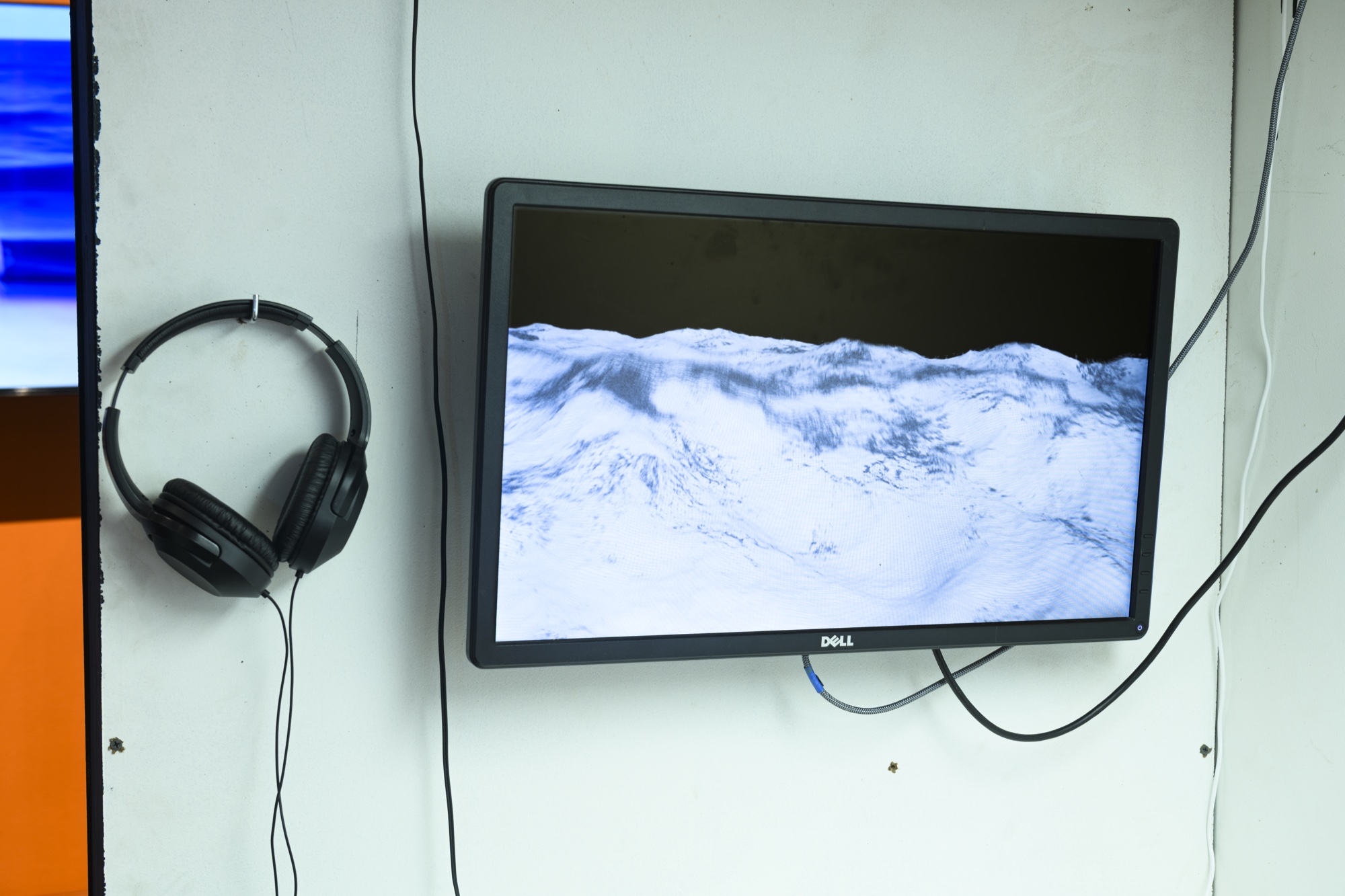
As the artist, I function not as the originator, but as a translator of the Naturalists’ ideas, rendering research into visual and sonic form. Each of the seven video works began as a hand-cut paper collage, representing a distinct solution-oriented invention. These collages were edited in Photoshop and then animated through a combination of AI-prompted motion and good old-fashioned key framing, resulting in an analog-meets-algorithmic sensibility. Black and white video displayed on vintage iMacs highlights the glacial timelines often required for change and reflects my hope that the solutions to our world’s problems remain within reach.
Jon Bernson is an Emmy and Peabody Award-winning media artist whose interdisciplinary work spans film, theater, audio-visual art, and music. His shape-shifting projects push the boundaries of narrative storytelling, often exploring existential themes with a slow-burn, tragicomic style. Ideal Solutions is Bernson’s latest addition to The Naturalists, an ongoing project that will be presented as an interactive play with The Imaginists in March 2026. Previous installments include Zero Gravity Experiments (360-degree photography), Primary Sources (video installation), and Chronological Experiments by the Naturalists Group (VR short film).
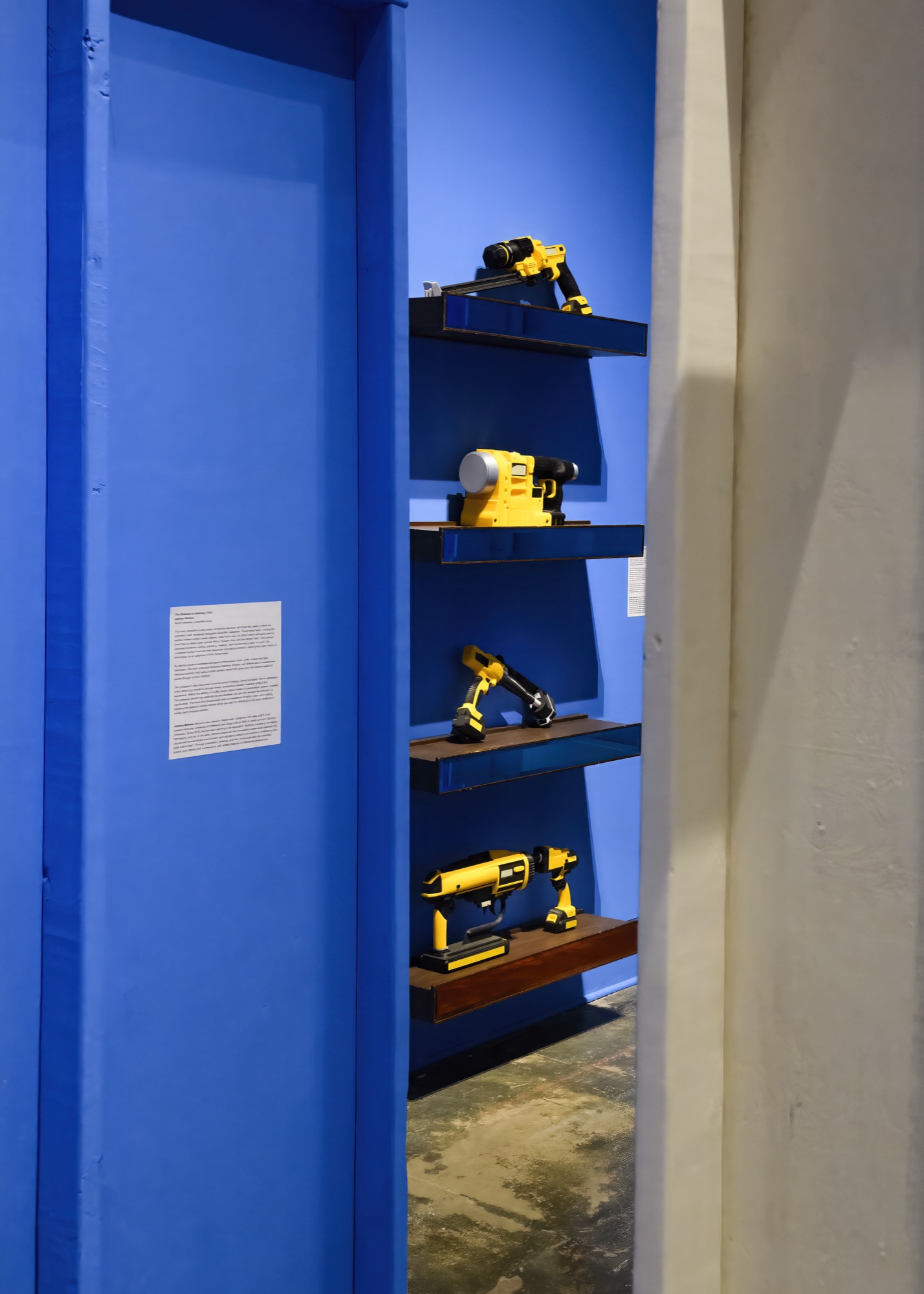
Joshua Moreno
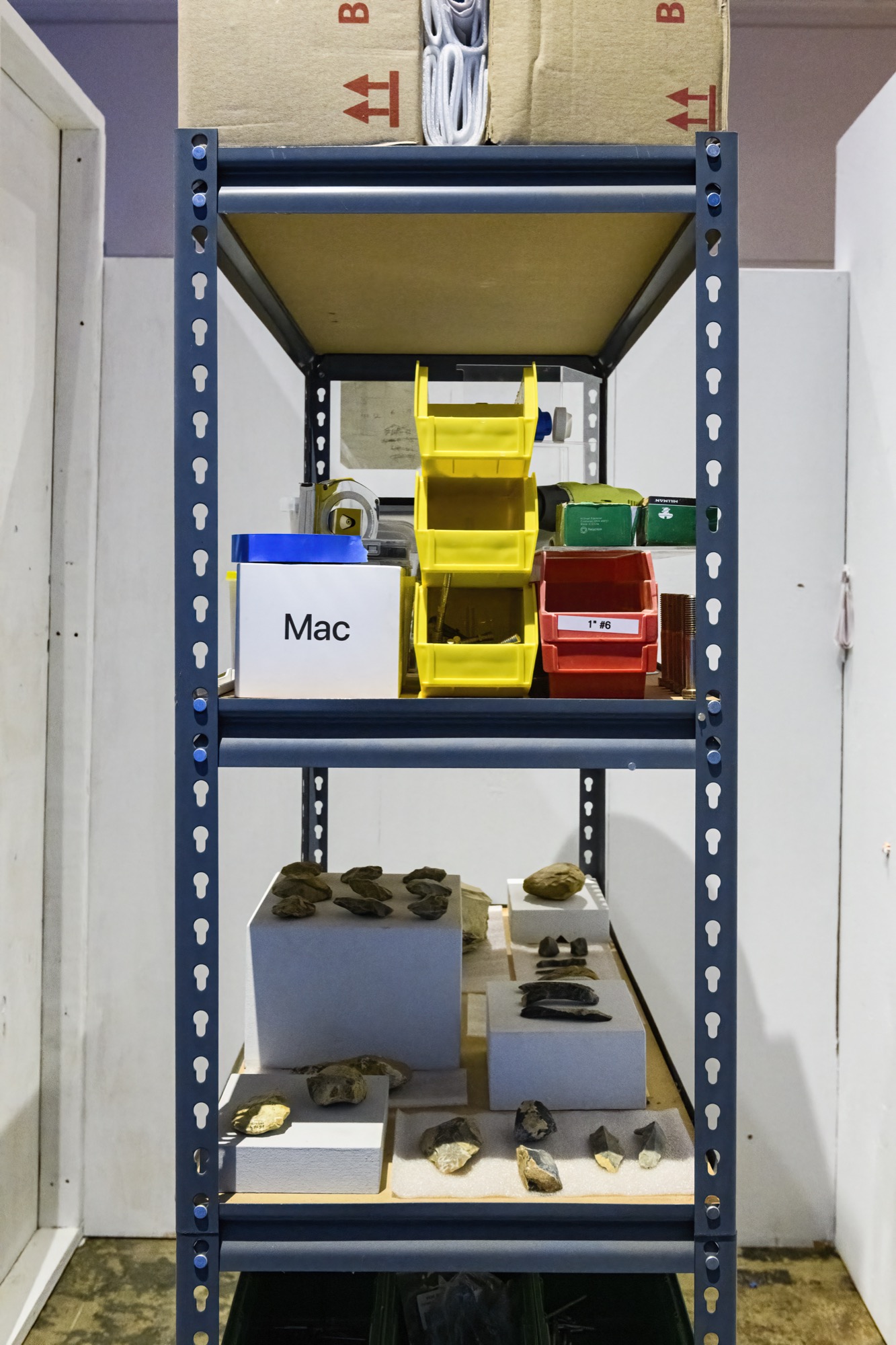
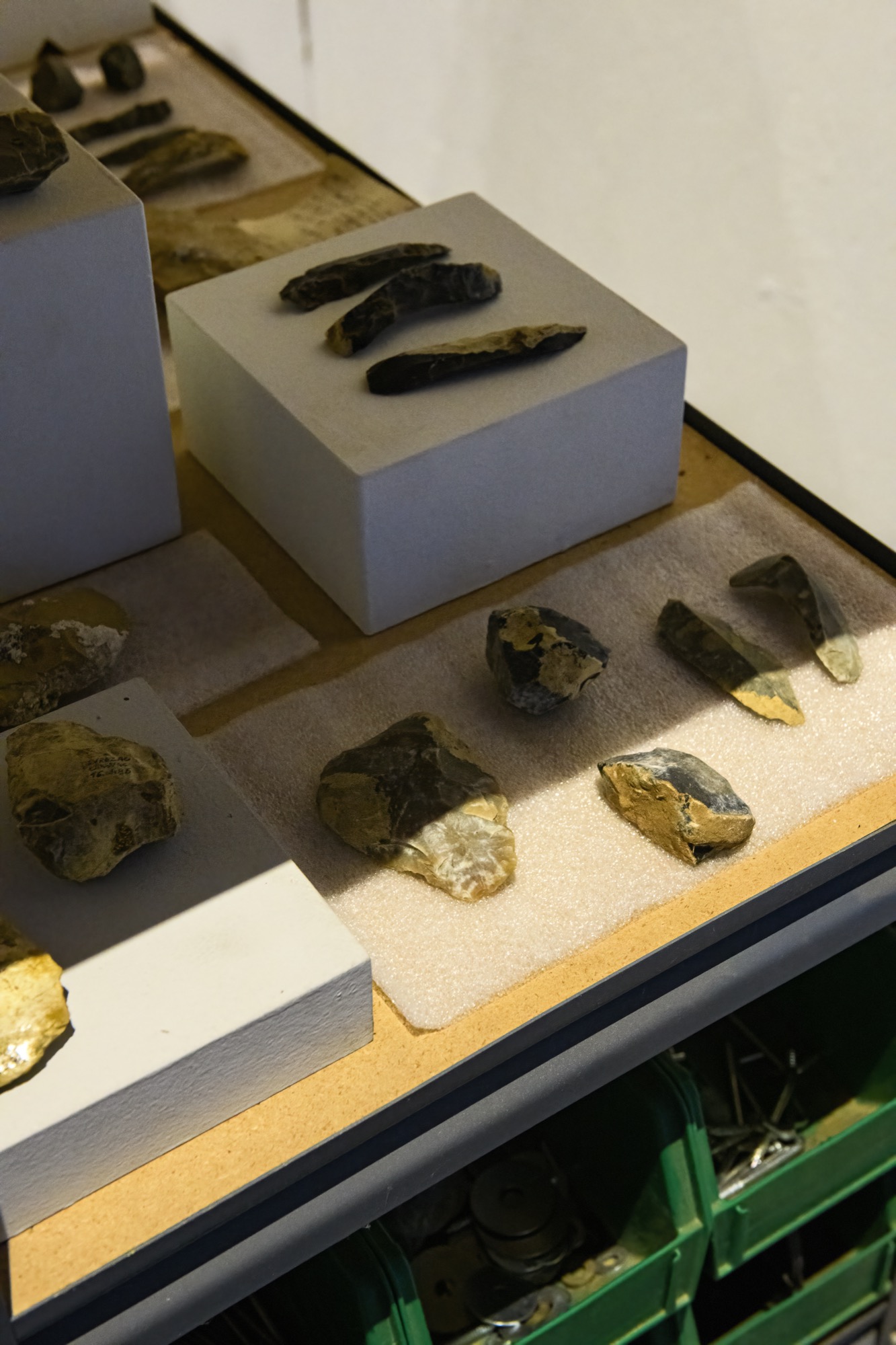
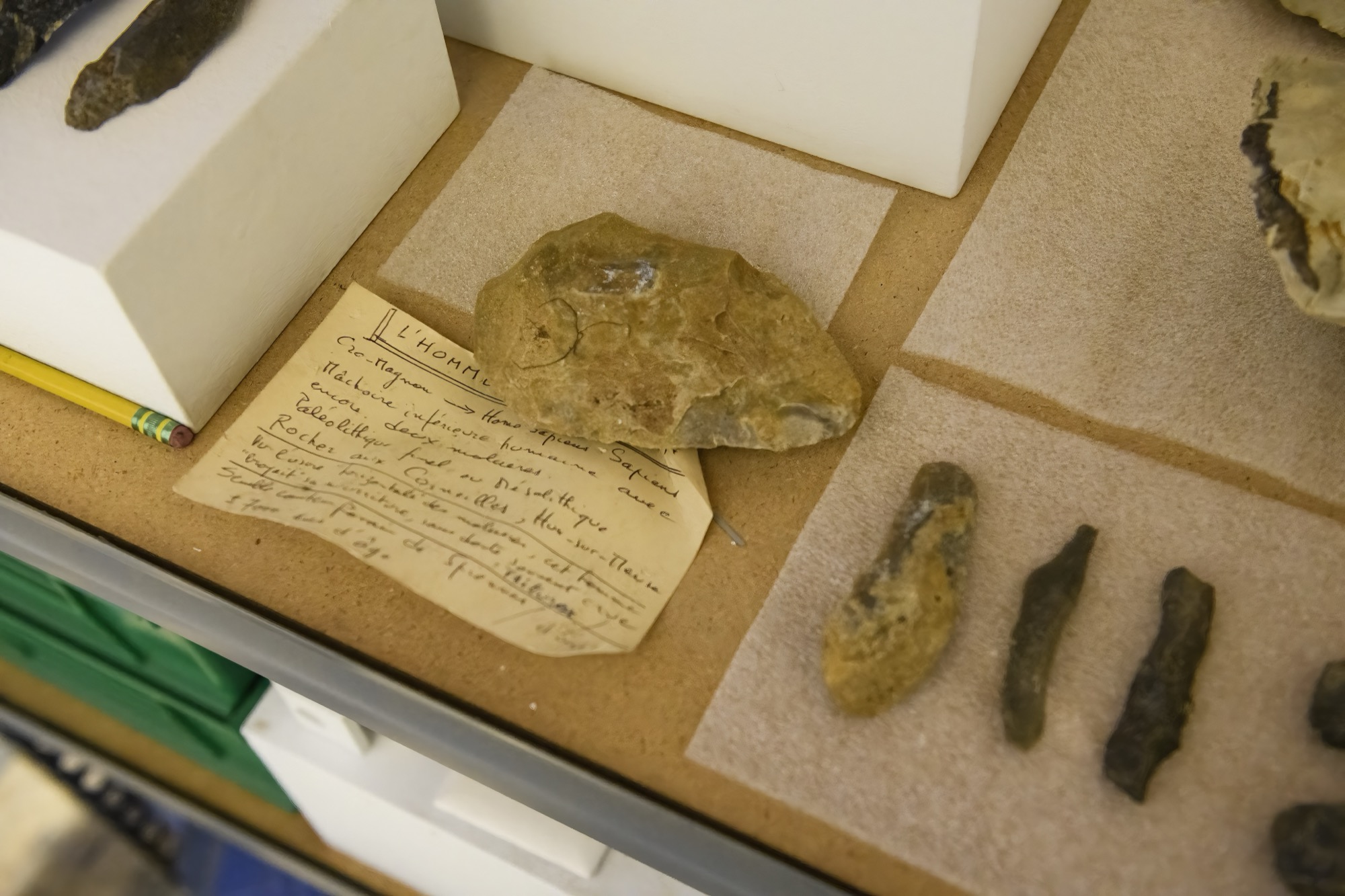
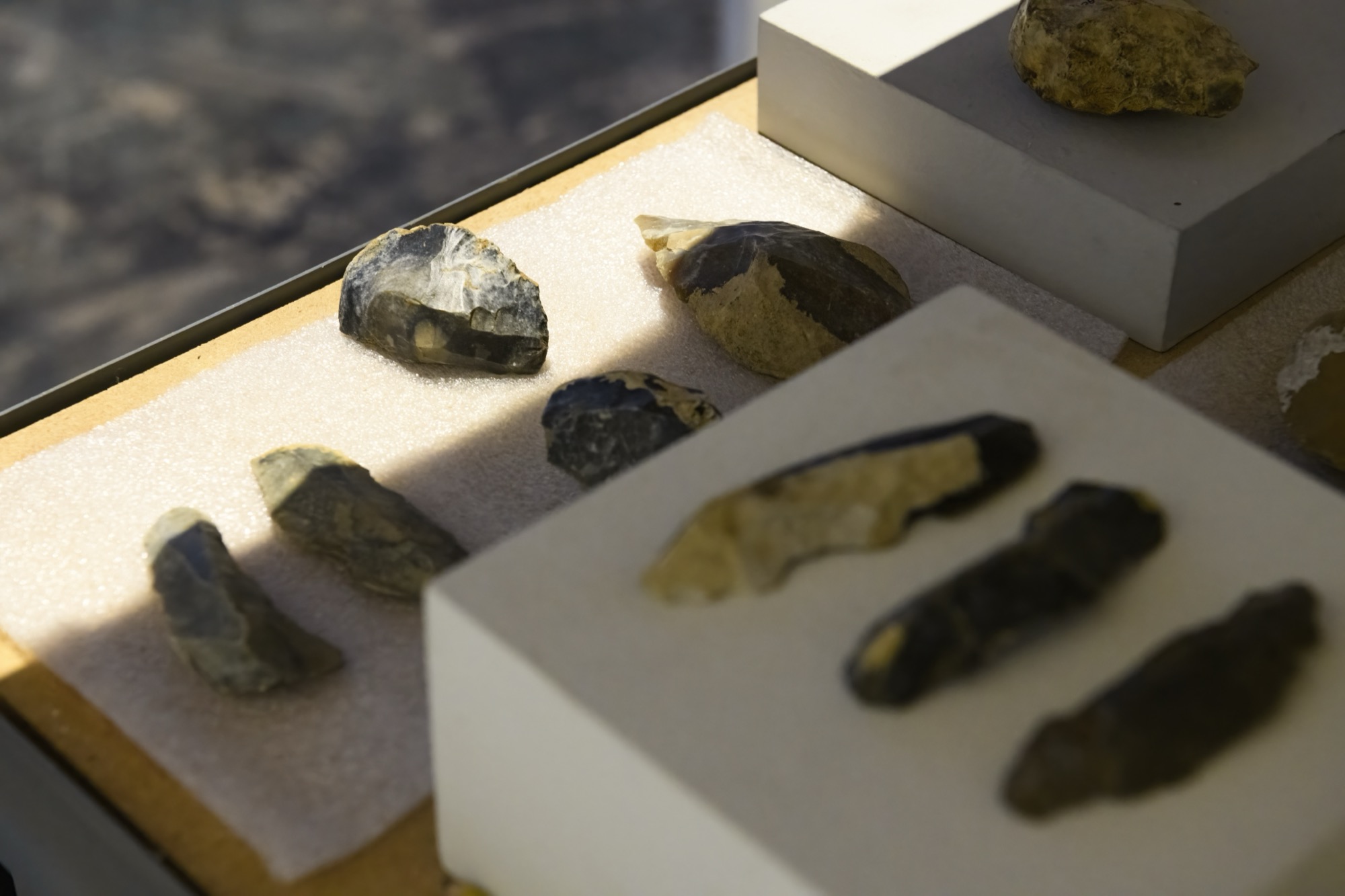
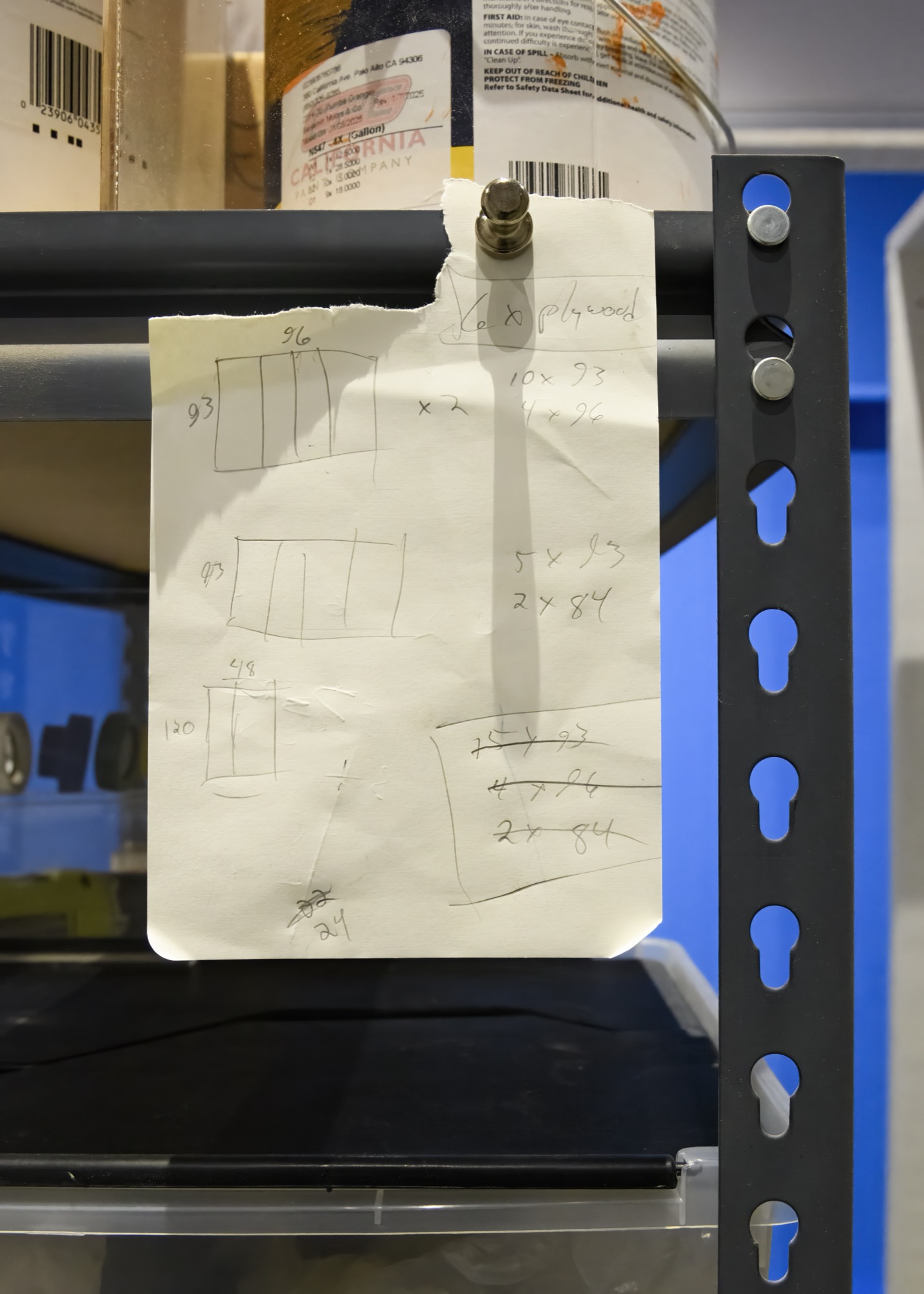
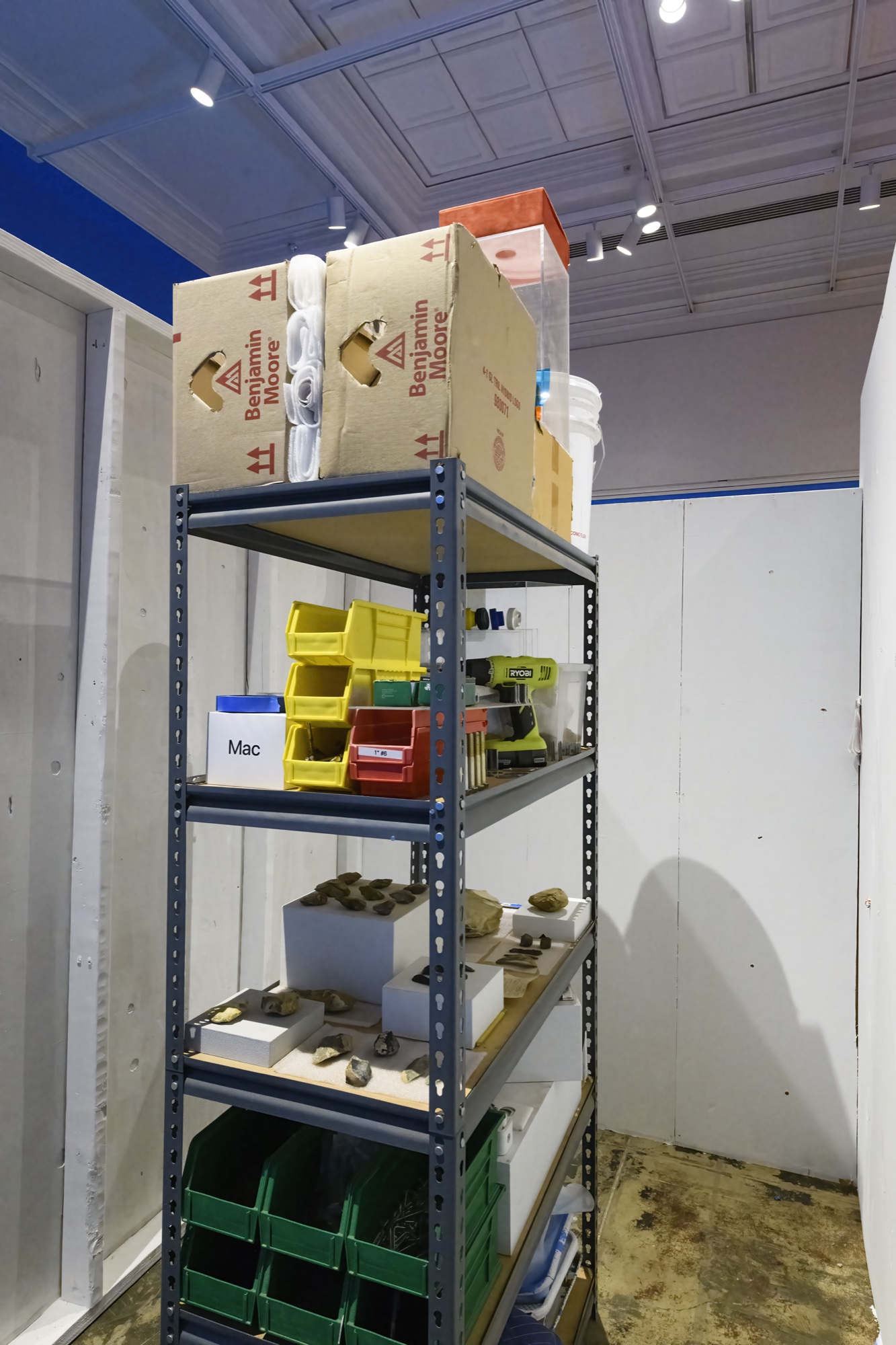
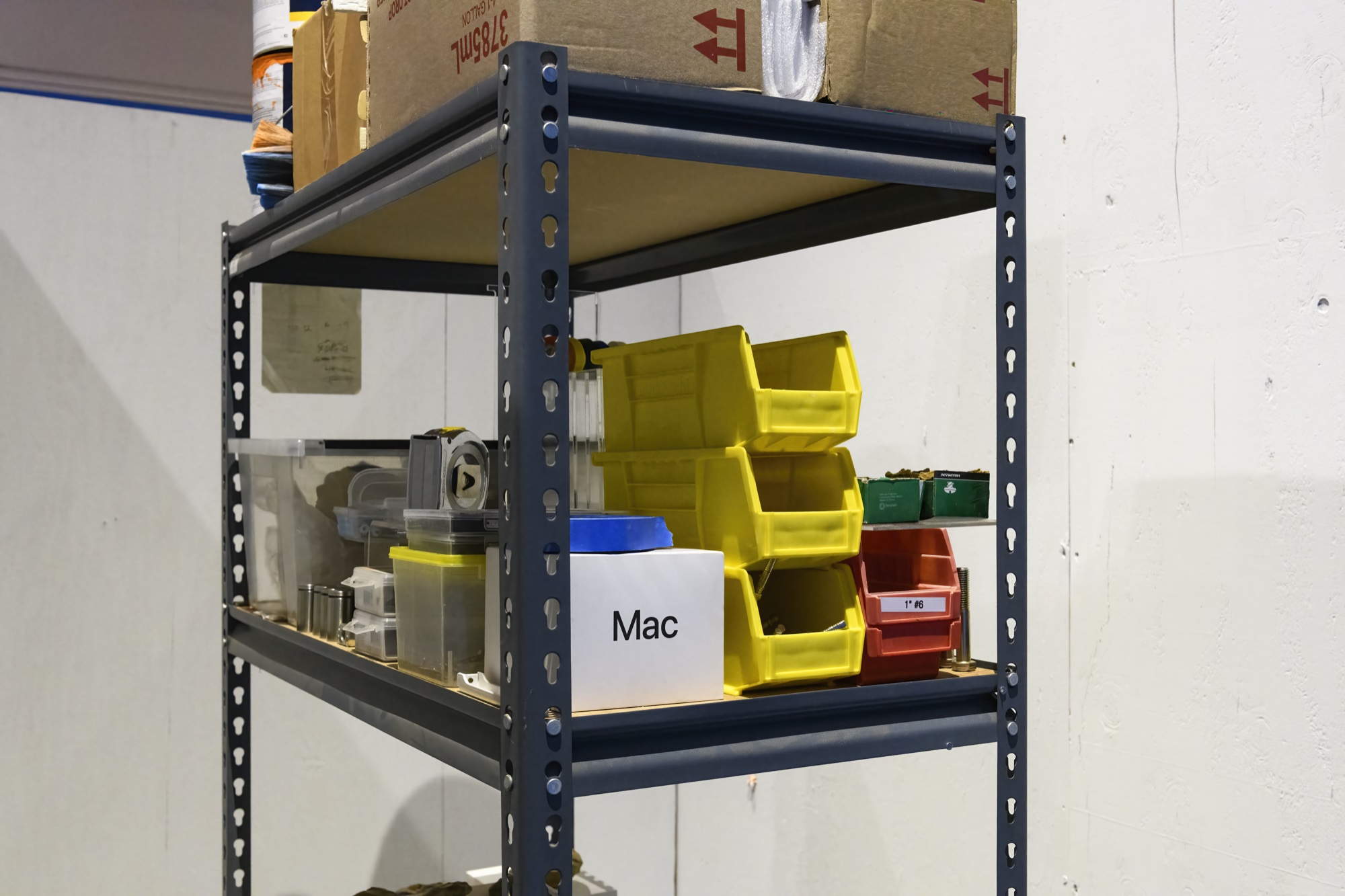
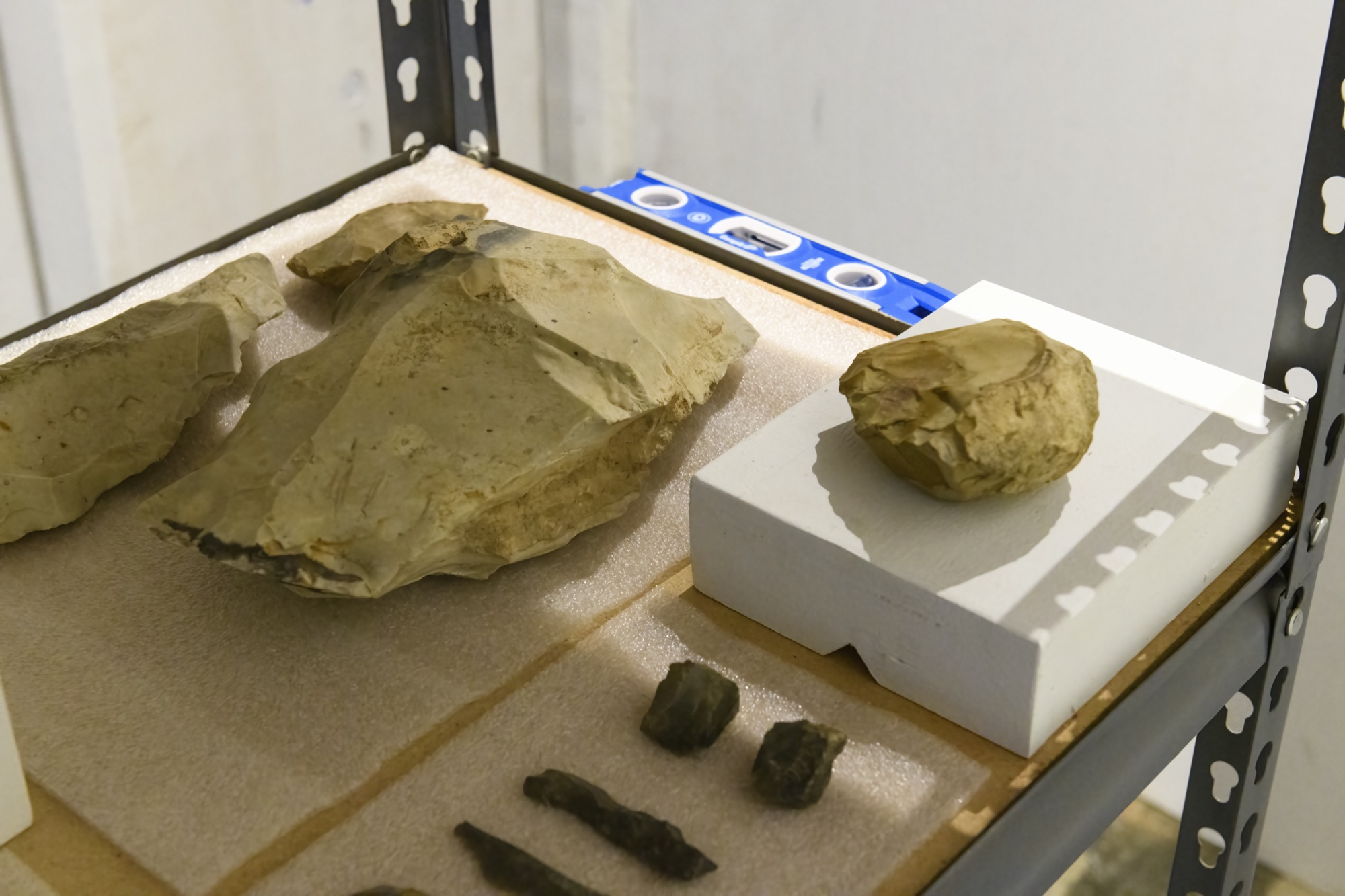
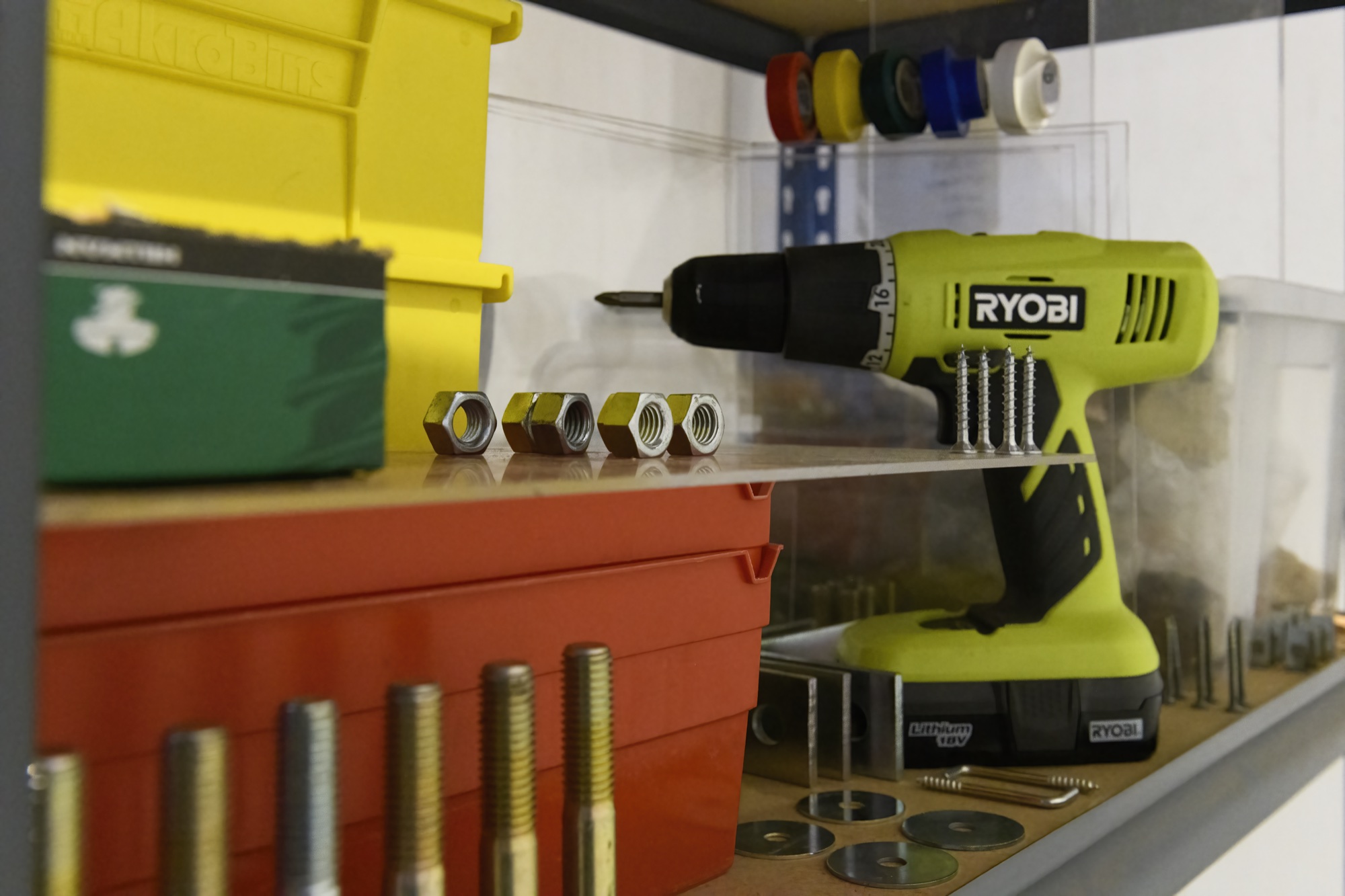
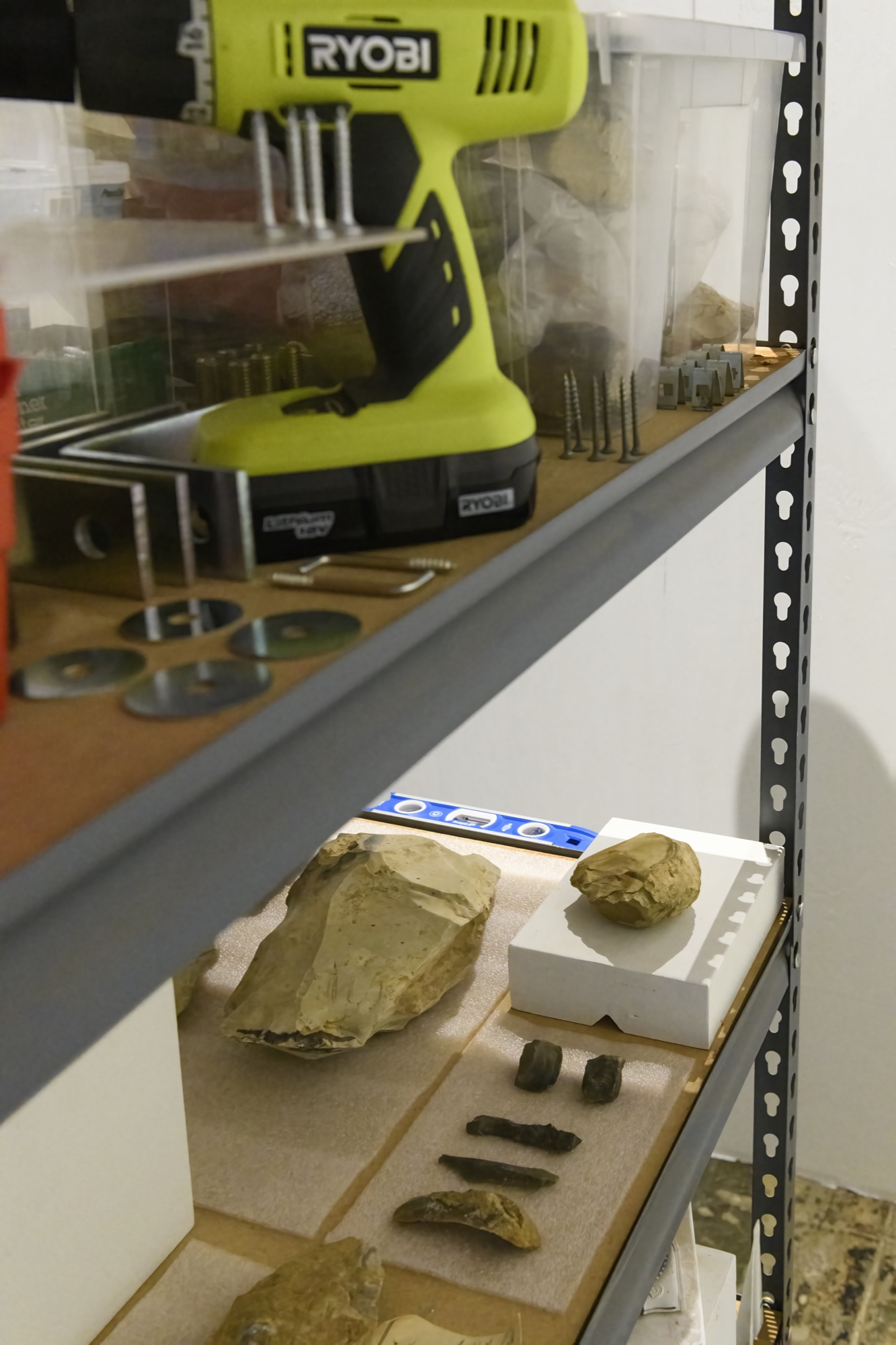
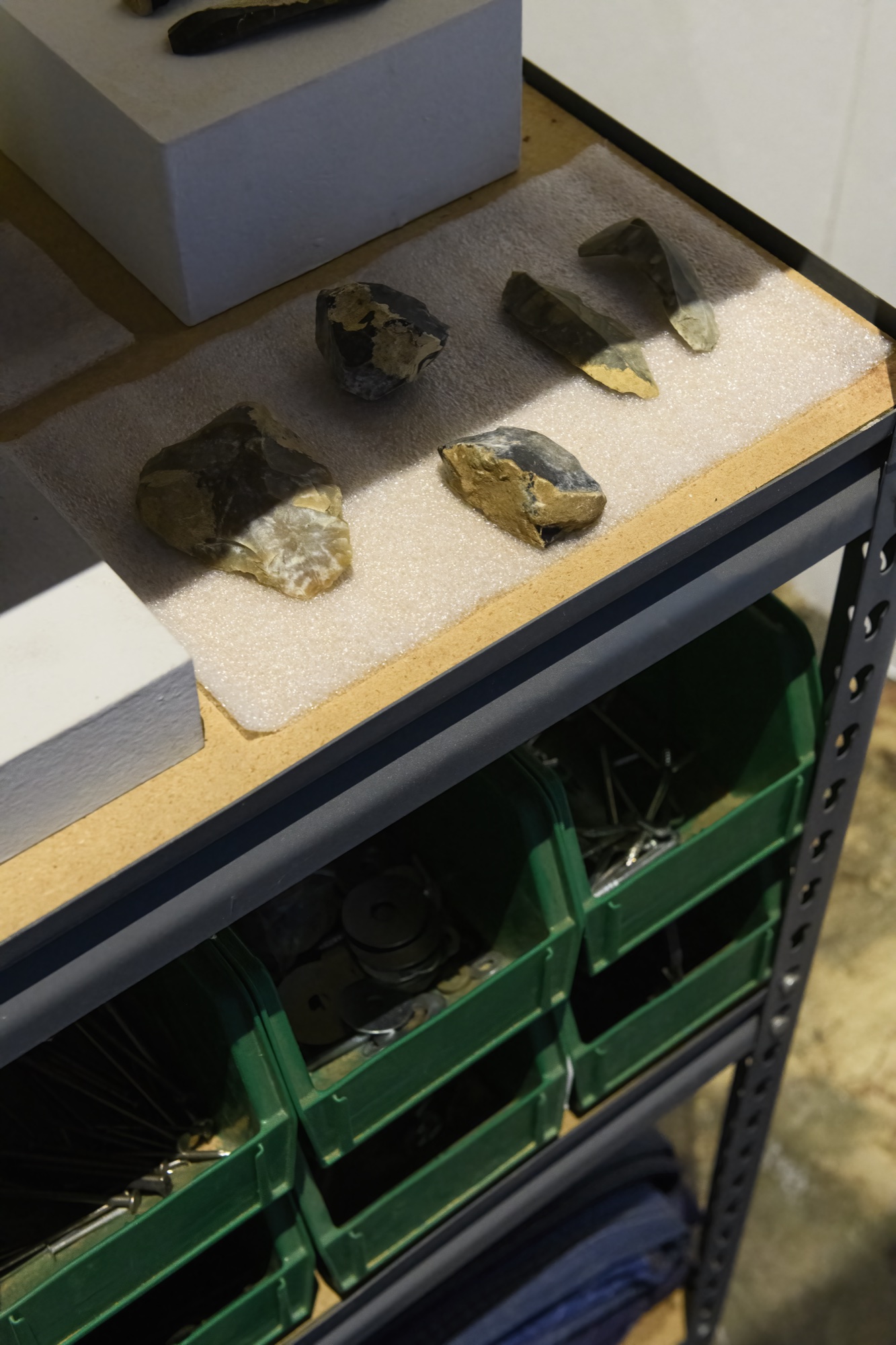
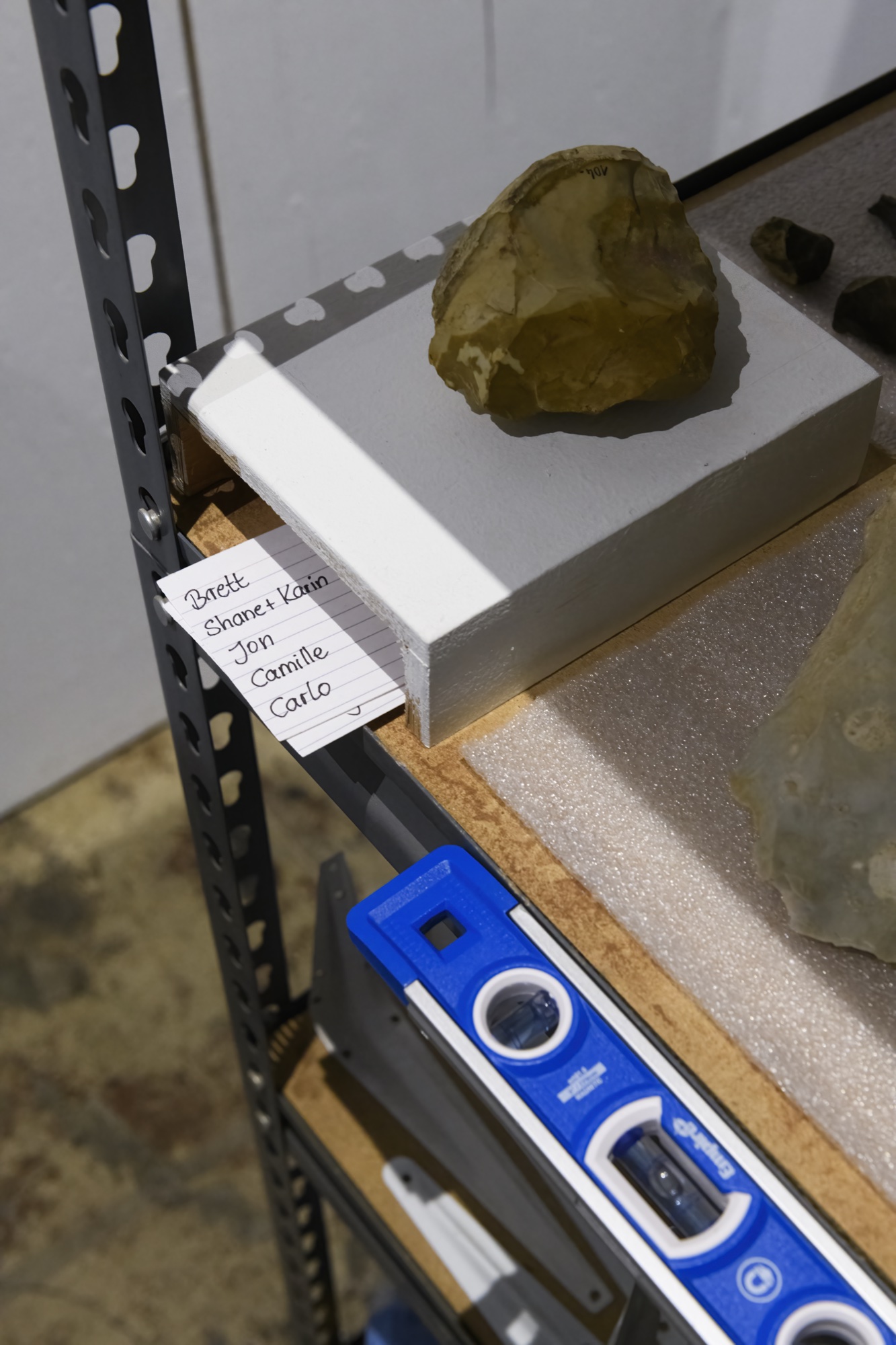
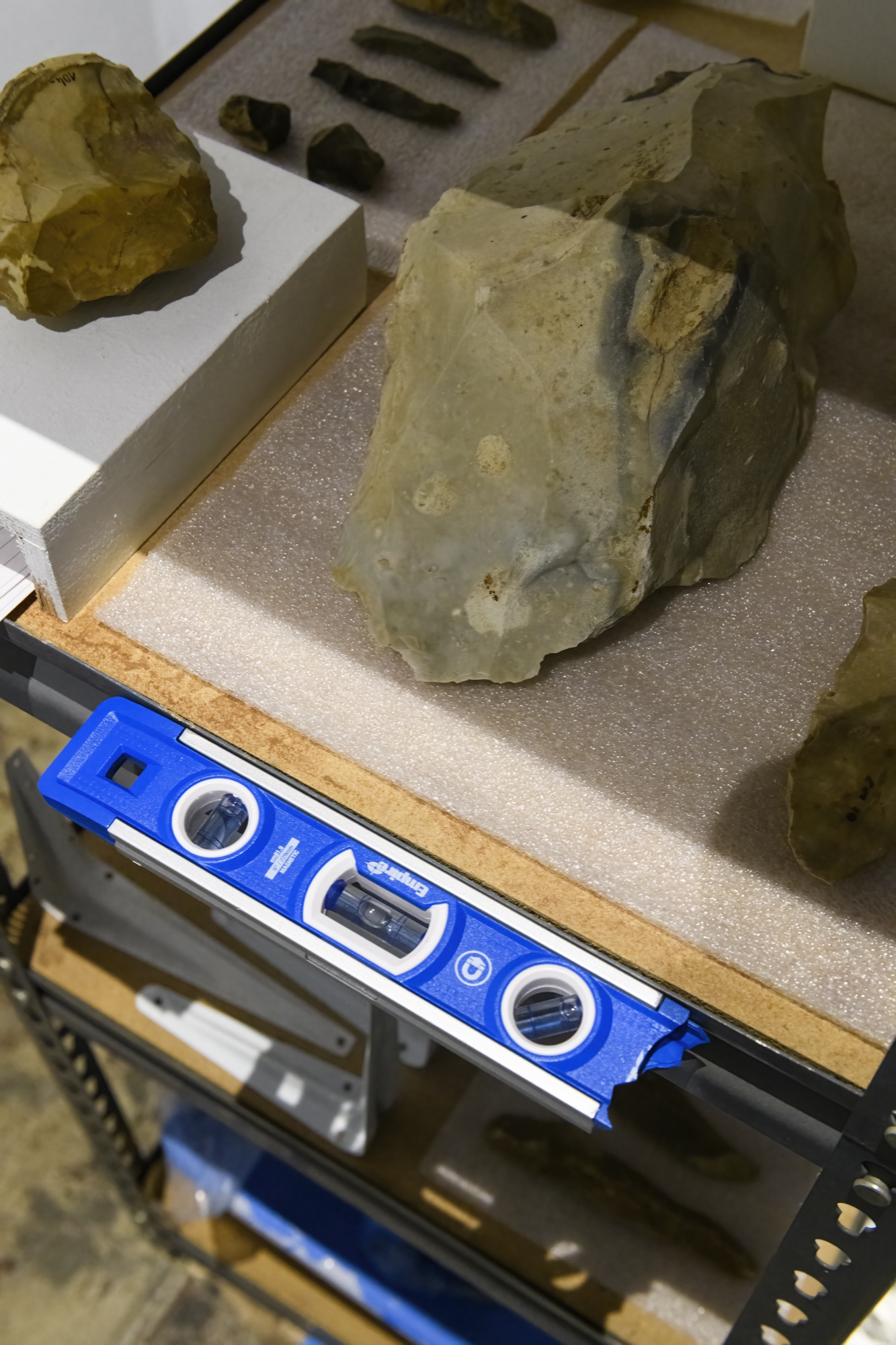
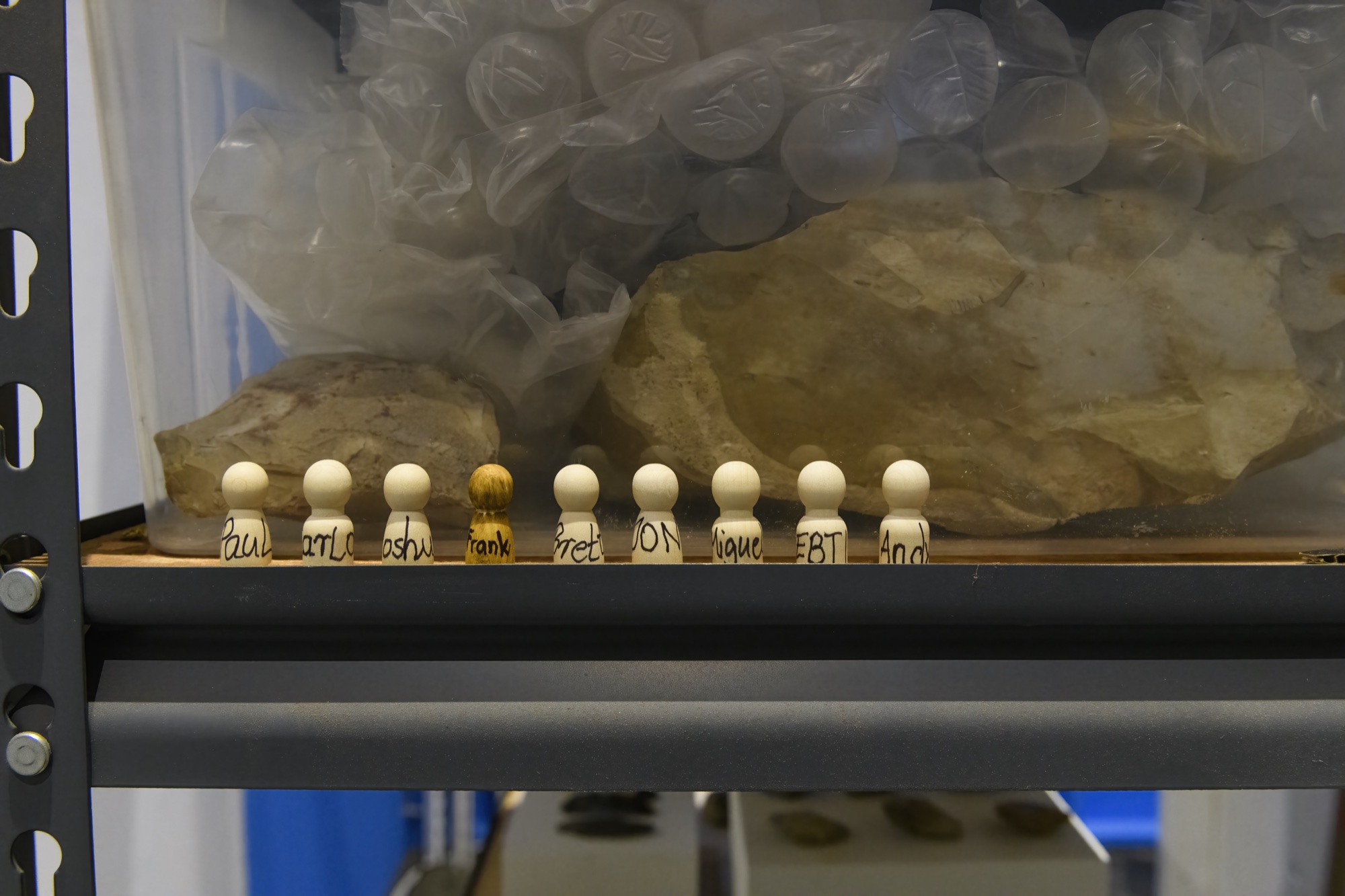
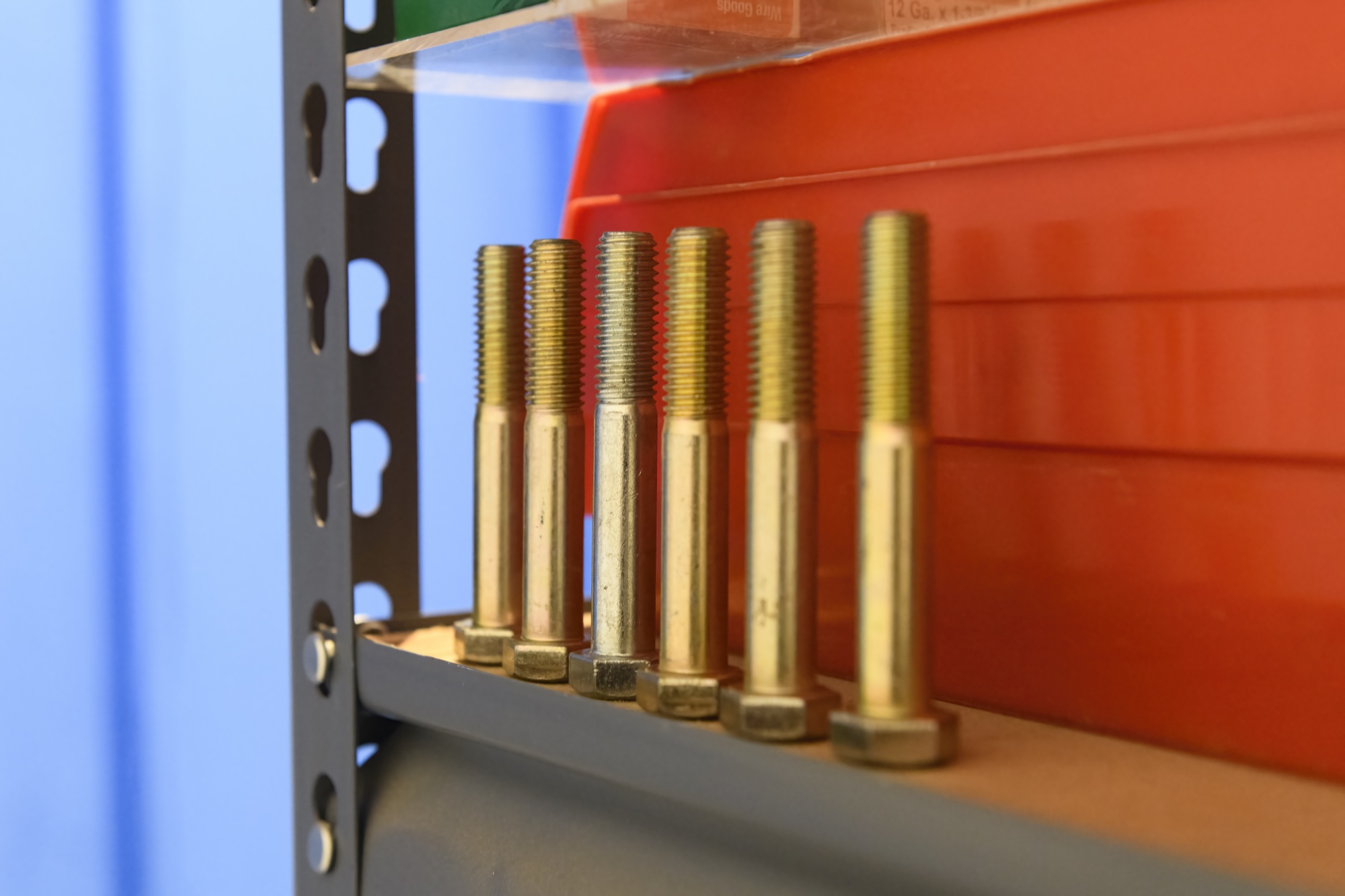
This work presents a utility closet containing the tools and materials used to install the exhibition itself, displayed alongside paleolithic handaxes. These stone tools—among the earliest known human-made objects—date back over 1.8 million years and were used for more than a million years across Africa, Europe, Asia, and the Middle East. They served essential functions: cutting, breaking, shaping, and transforming matter. As such, the handaxes function here as both visual and conceptual anchors, marking the deep history of technology as an extension of the human body.
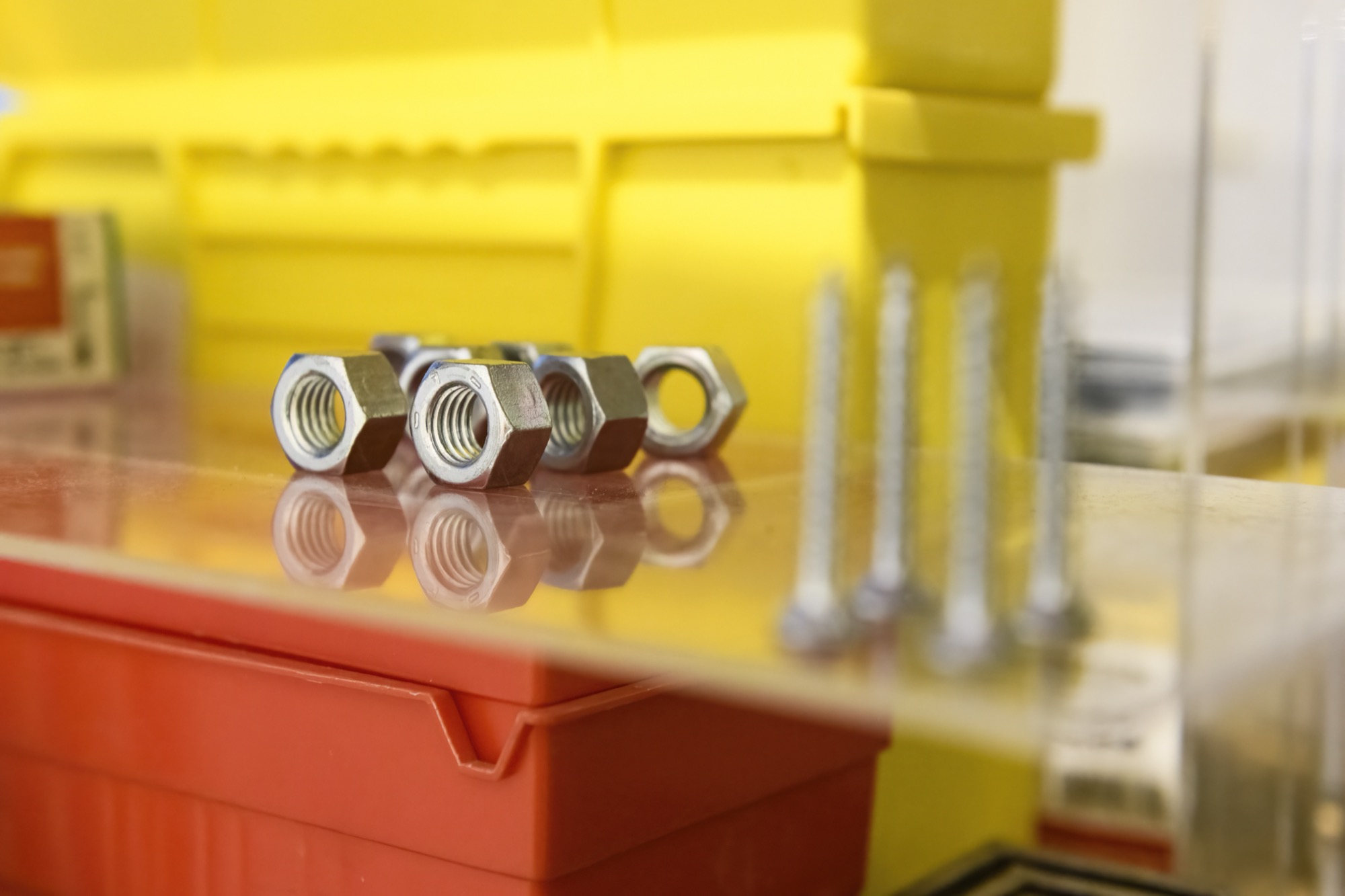
By placing ancient handaxes alongside contemporary tools—drills, measuring tape, hardware—the work collapses temporal distance. Despite vast differences in material and historical context, both sets of tools operate toward the same end: the transformation of space through human intention.
The installation also intervenes in conventions of display. Some handaxes rest on pedestals, while others are placed in storage boxes, producing a tension between artifact and implement. Within the setting of a utility closet, these modes of presentation appear unstable. The pedestal cannot fully aestheticize the handaxe, nor can the storage box diminish its significance. The work thus foregrounds tools as mediators of action, labor, and making, situating the gallery’s hidden infrastructure as a site for reflecting on the long continuity of human technological practice.
Joshua Moreno was born and raised in Watsonville, California. He holds a BFA in art practice from the University of California San Diego and an MFA in studio art from Stanford University. Since 2012, he has been working in art education, teaching courses in art history, filmmaking, and art. In his work, Moreno examines the overlapping relationship between the natural and human-made environment and highlights patterns and systems of efficiency that exist within them. Through installation, drawing, and film, he re-evaluates the everyday spaces and objects that surround us, with added attention to elemental phenomena.
Karin + Shane Denson
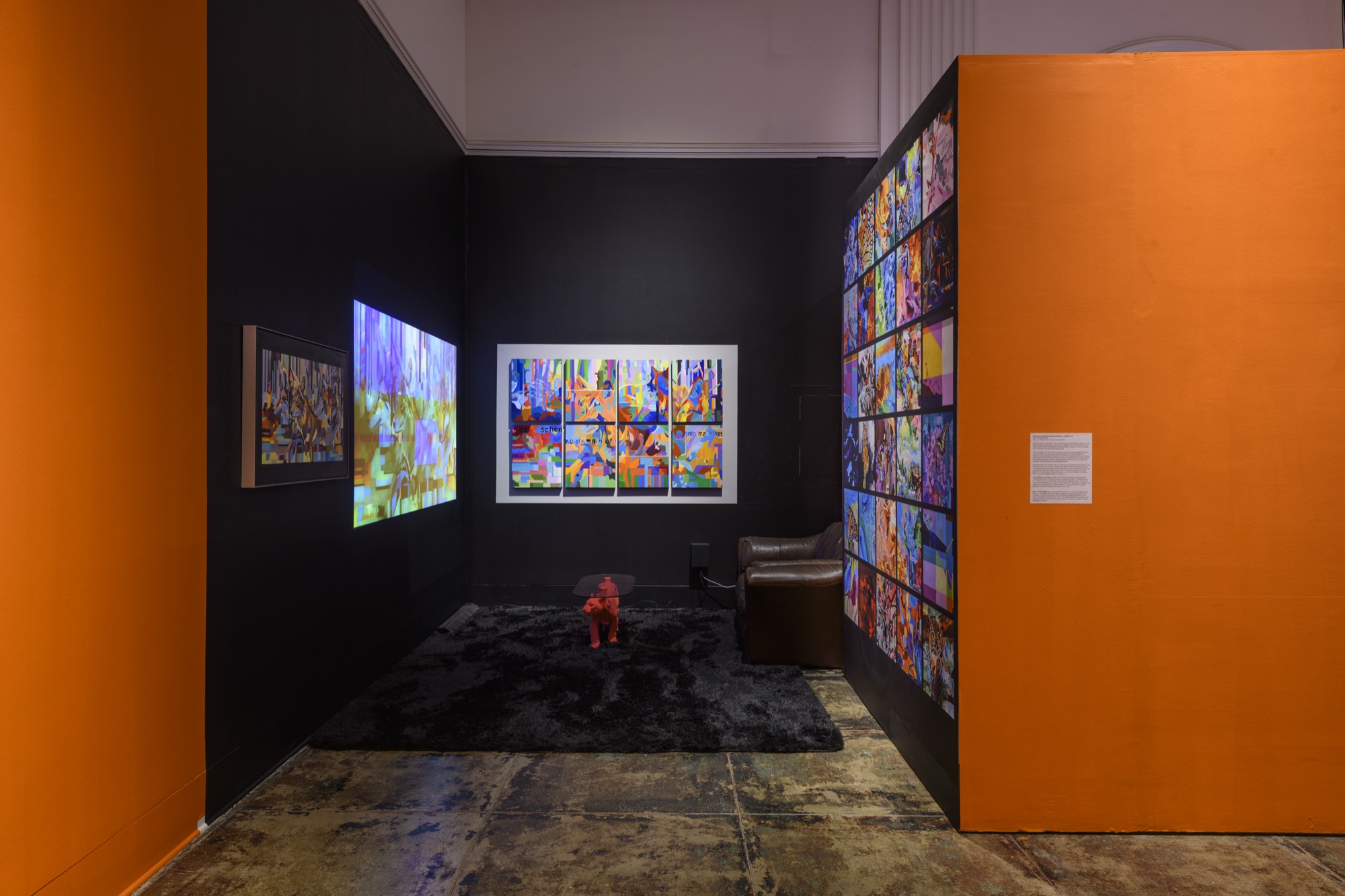
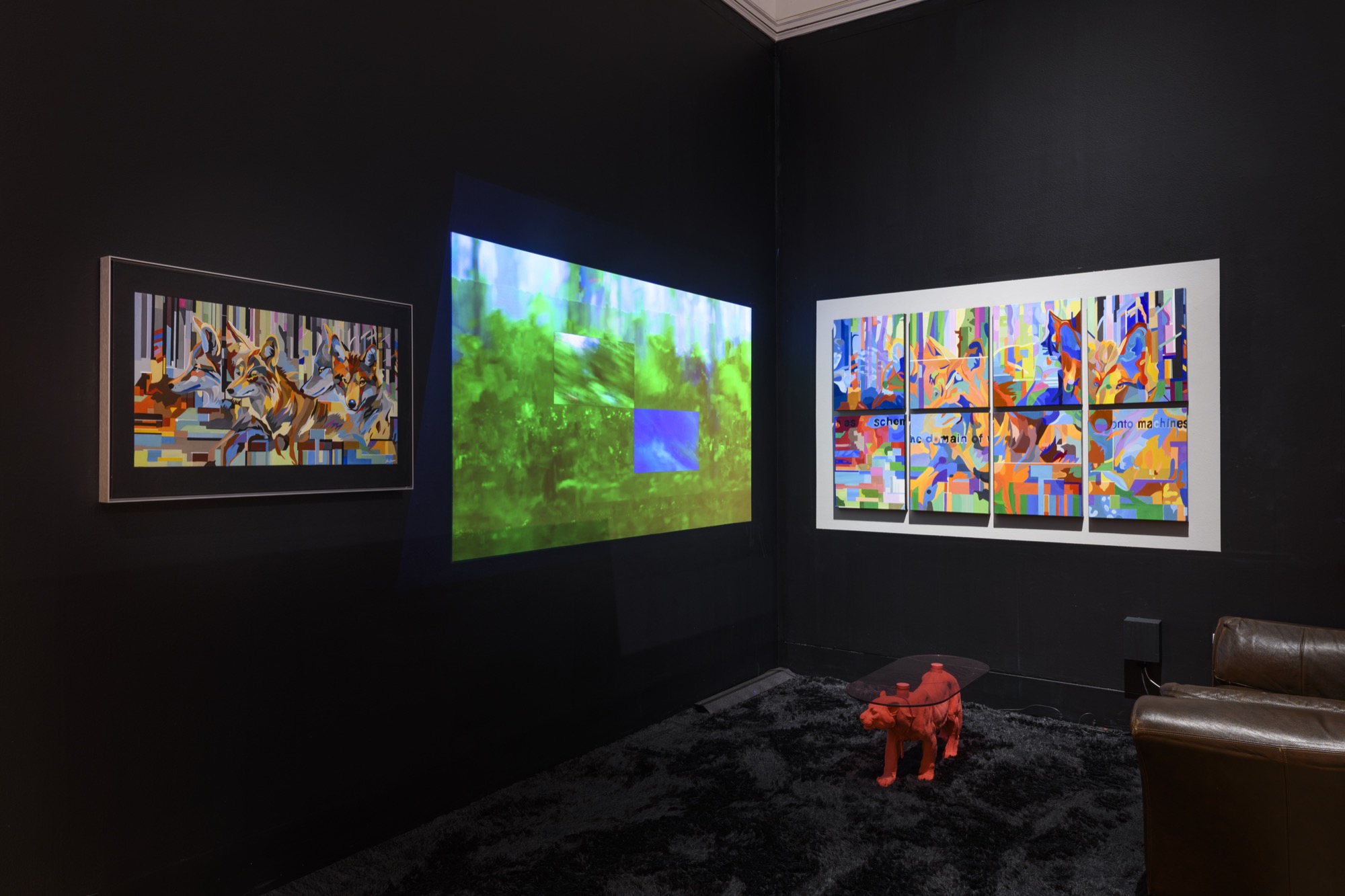
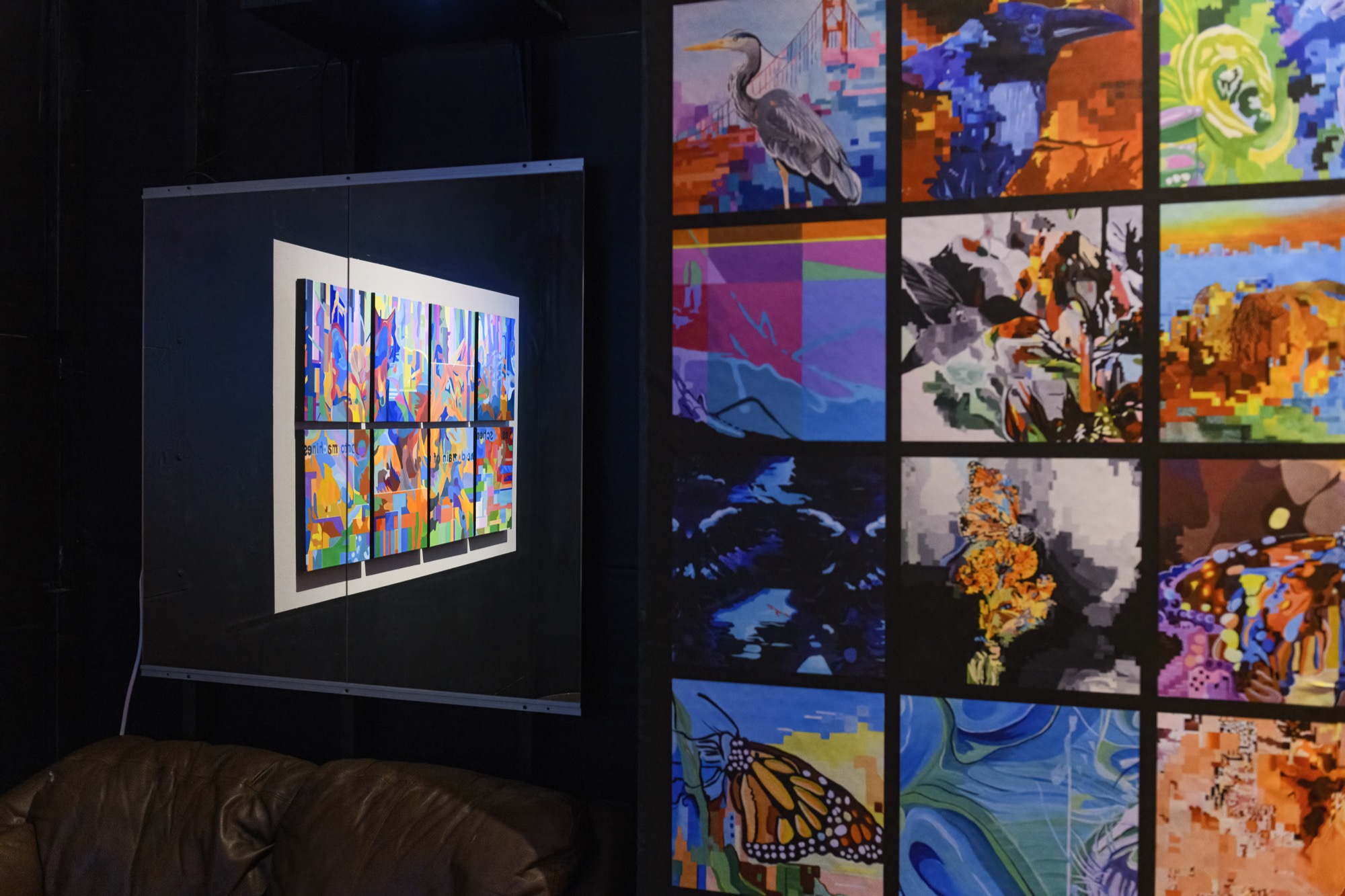
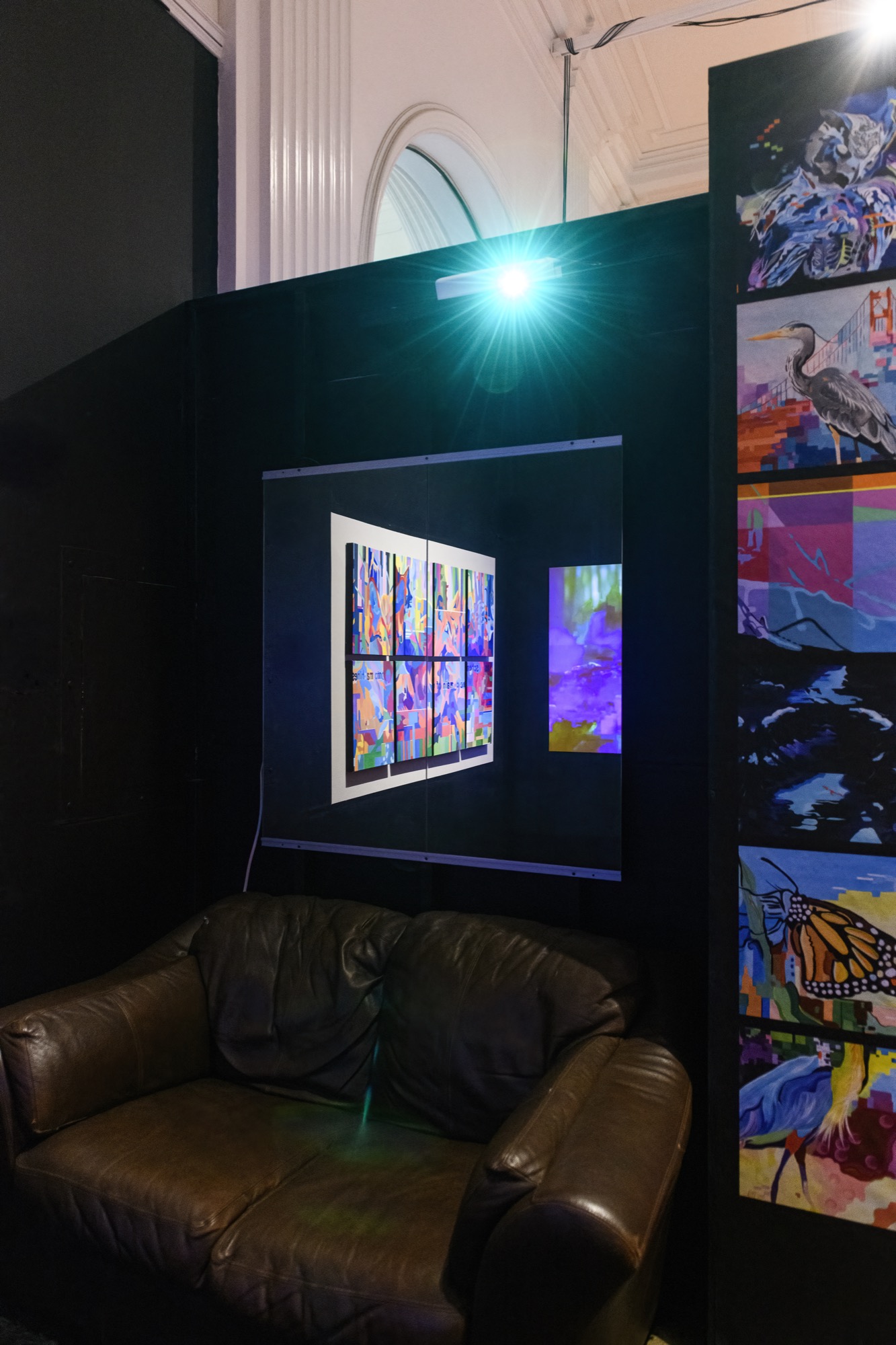
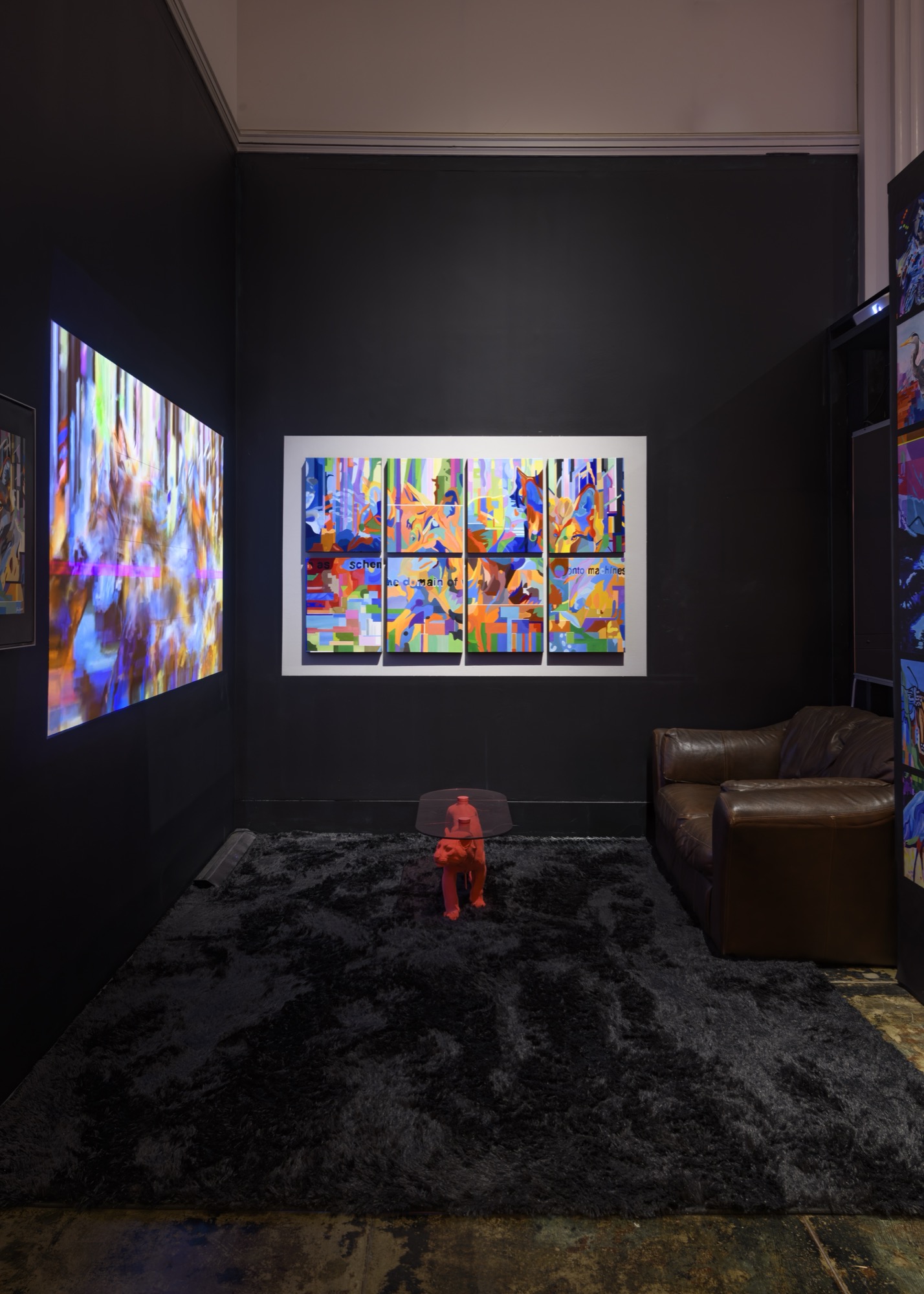
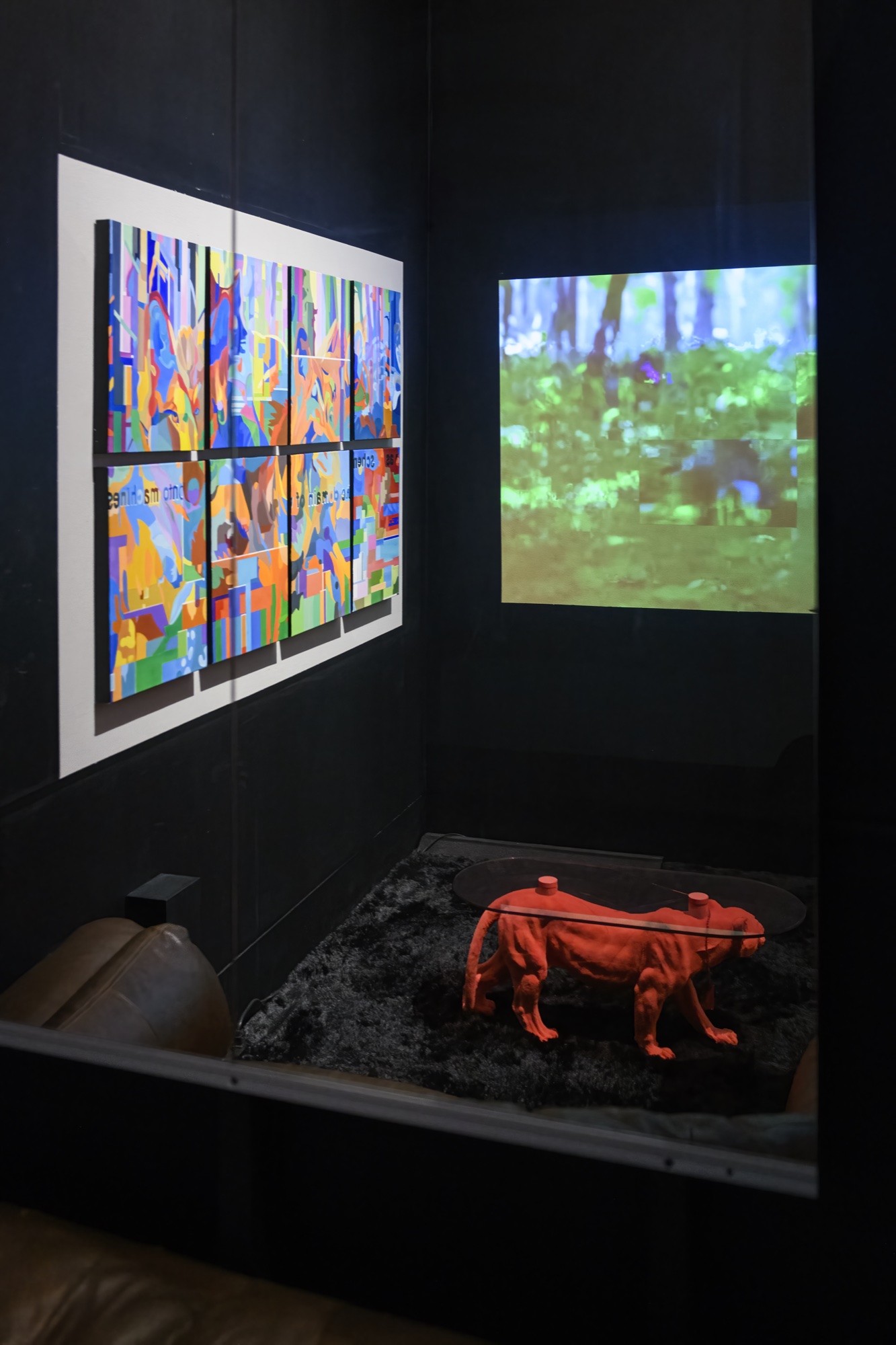
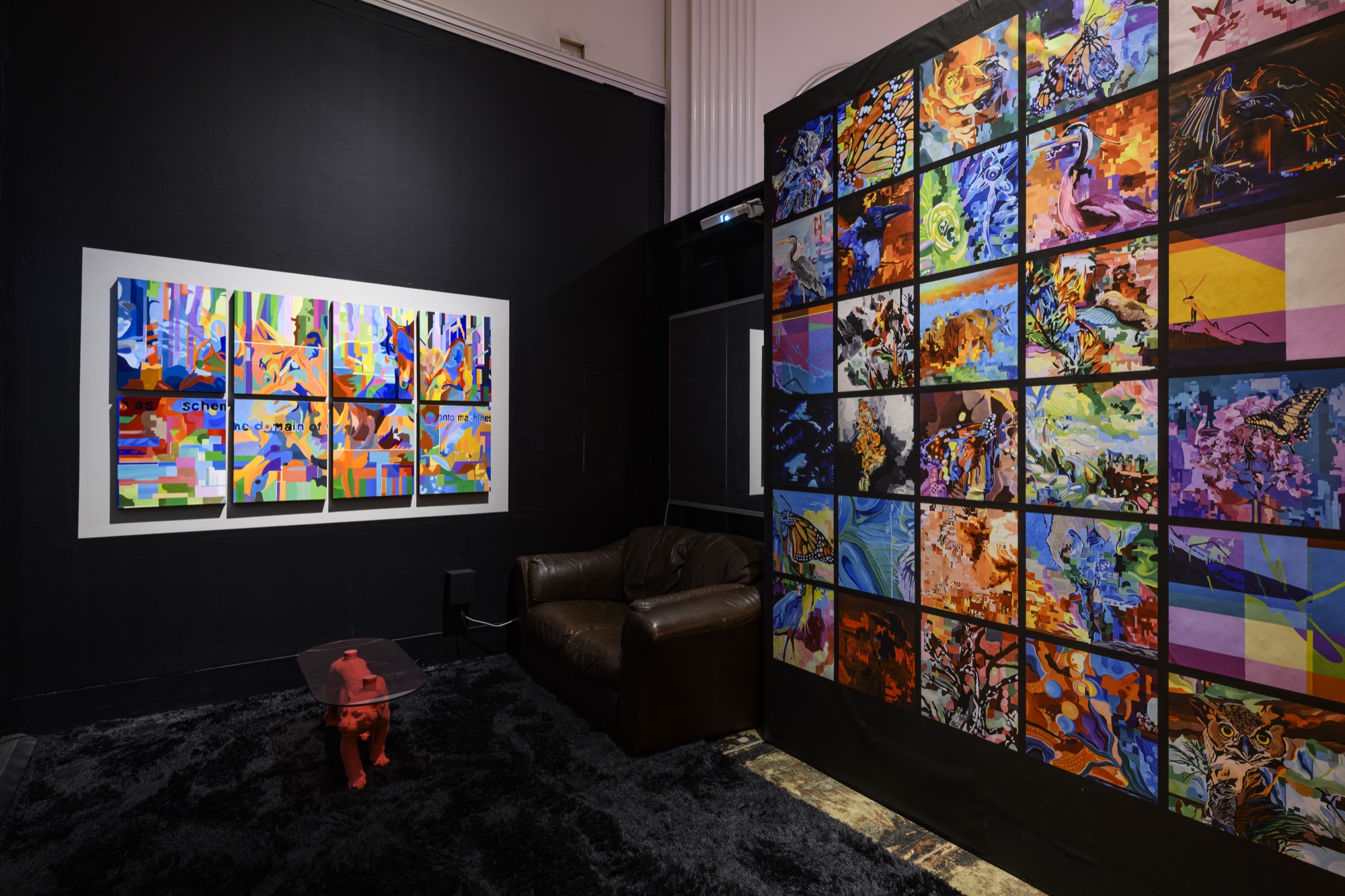
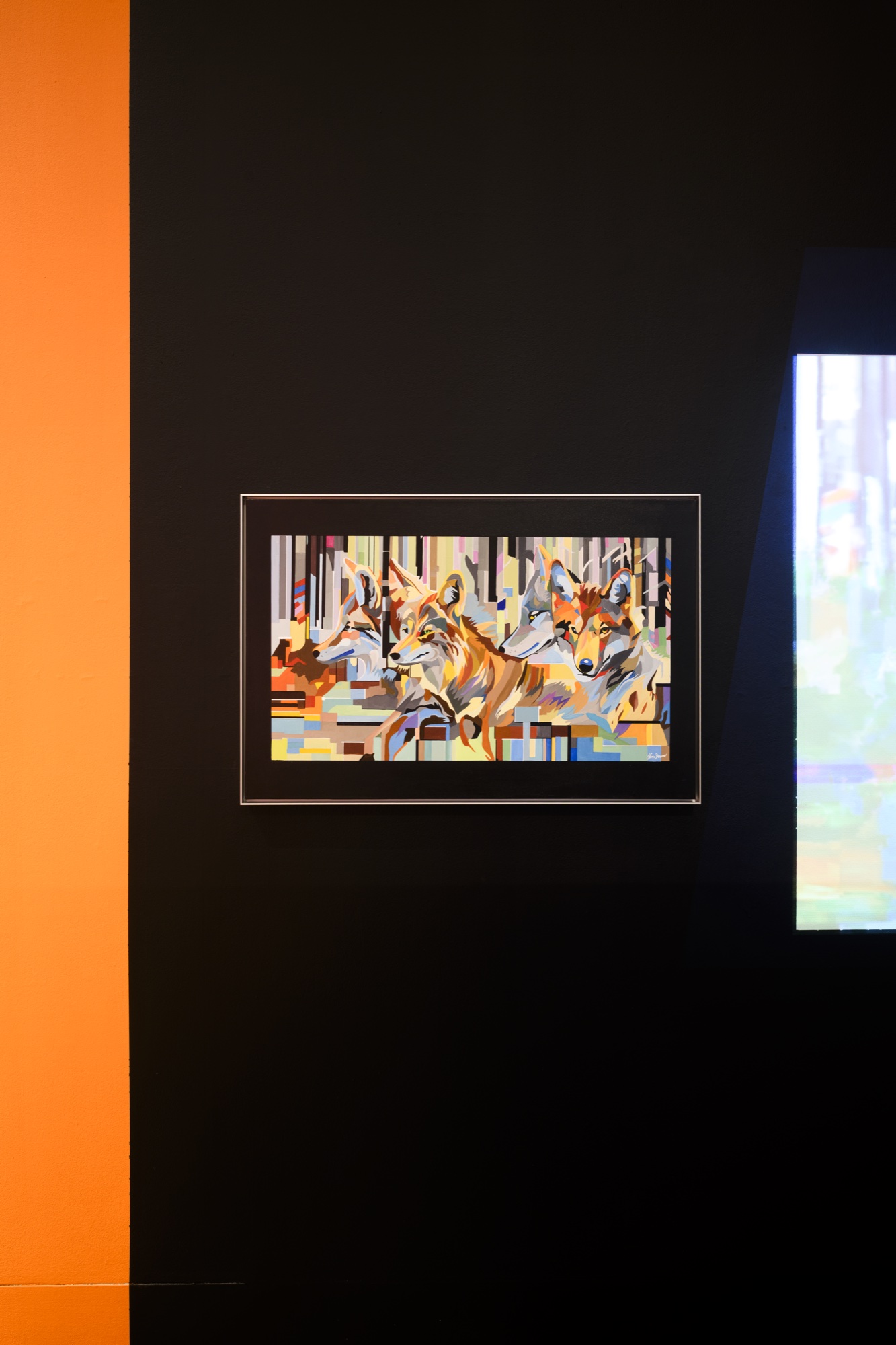
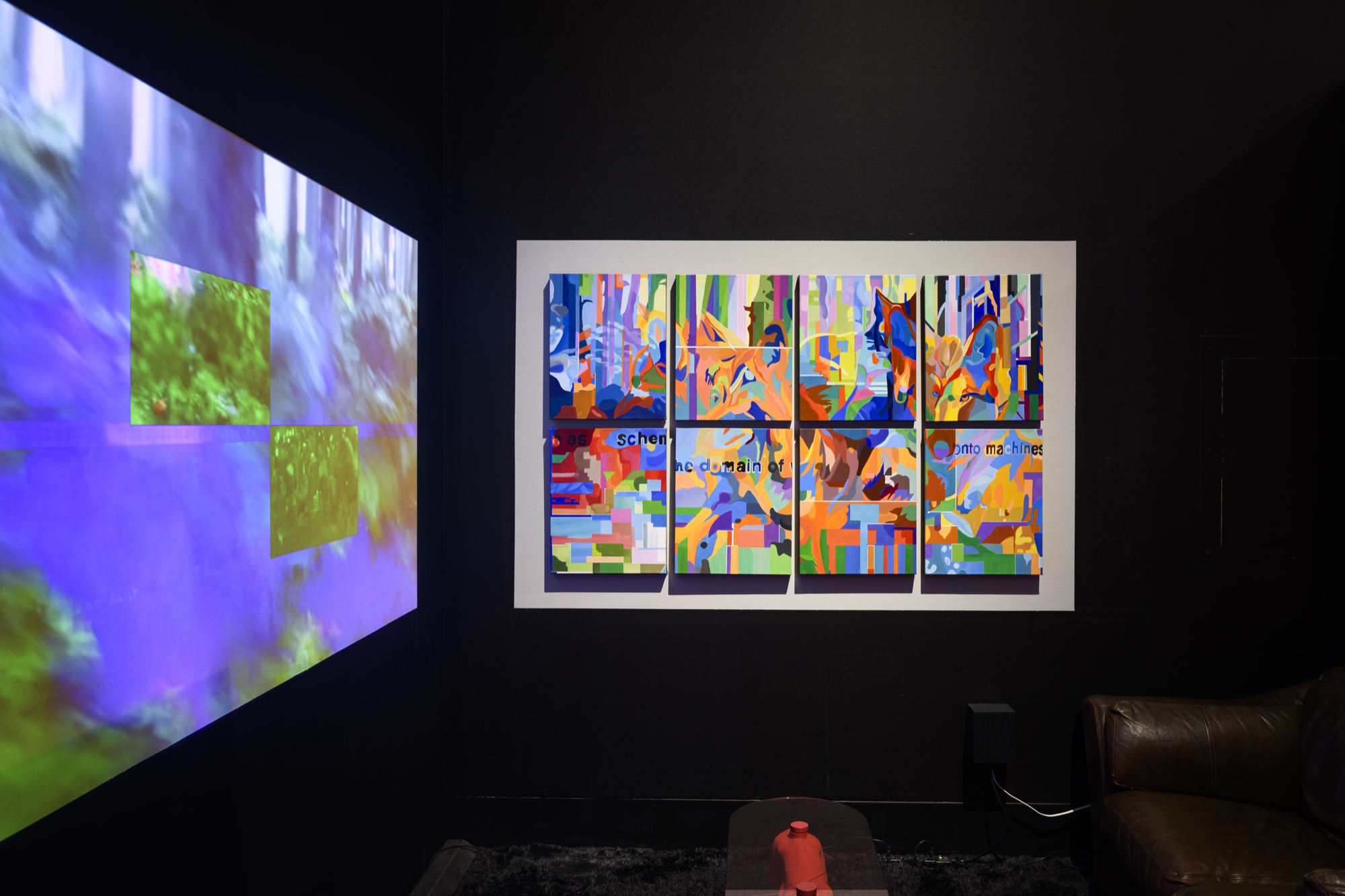
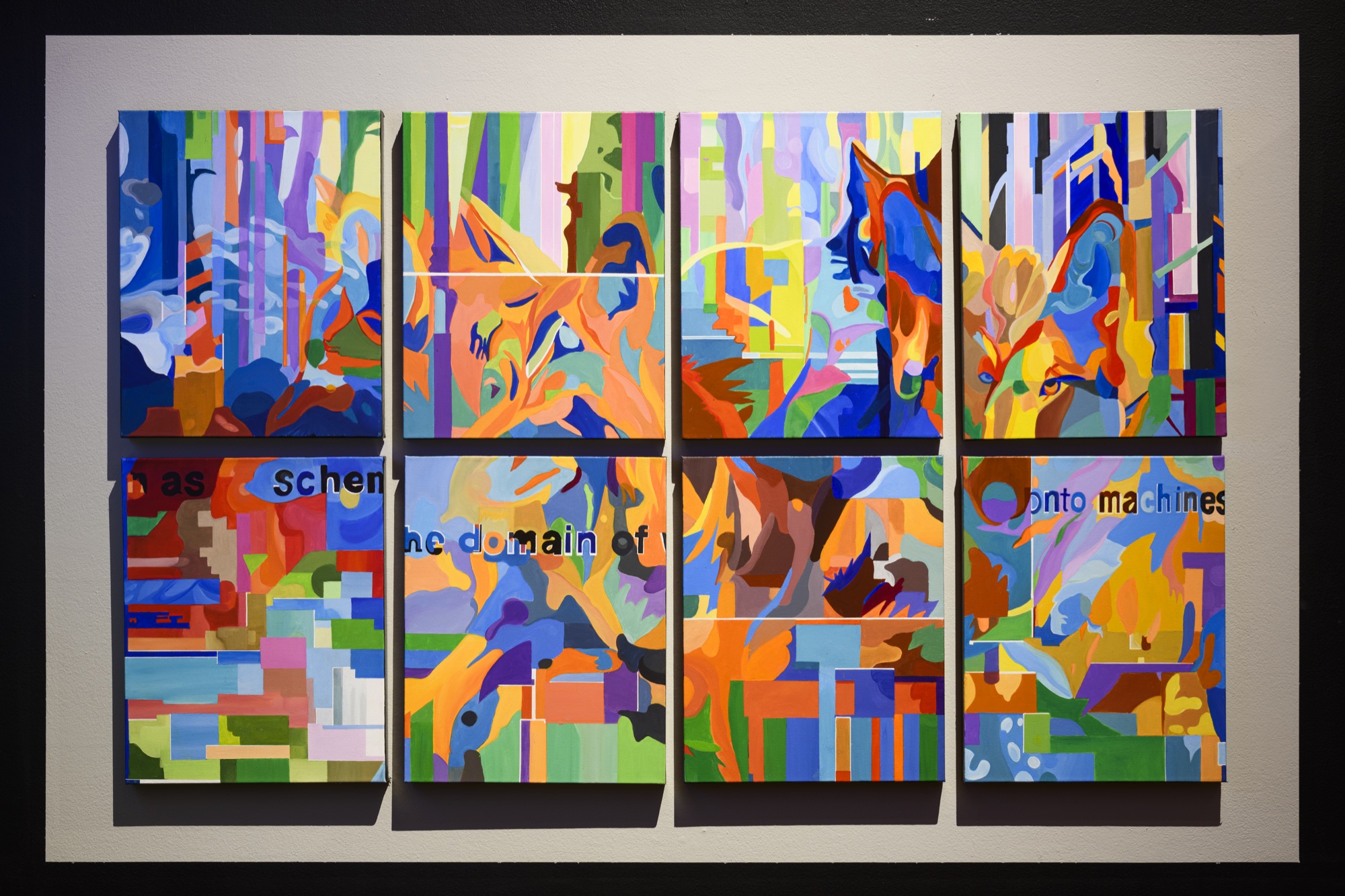
Inspired by glitch-art vernaculars, early chronophotography (Muybridge and Marey), cut-up practices (Gysin and Burroughs), and generative traditions from Oulipo to Brian Eno, our ongoing series GlitchesAreLikeWildAnimalsInLatentSpace! stages an encounter between human imagination and automated image-making.
The project begins with Karin’s glitch paintings, produced by subjecting wildlife videos she records to aleatoric databending processes that expose the hidden protocols and infrastructures of digital media. Selected frames are then translated into acrylic paintings on canvas and used to train AI image models. Because contemporary diffusion-based systems are designed to suppress noise and eliminate glitches, pushing them to reproduce glitch aesthetics produces unstable and unpredictable results.
Generated images are translated back into painting and reintroduced into the system. In this iteration, the focus is on canines—not quite dogs, wolves, or foxes, but generic animals responding to the prompt “glitches are like wild animals.” These paintings become the basis for AI-generated video and aleatoric sound, which are themselves subjected to further glitching and recombination. The machine attempts to resolve the damage; the damage resists. A recursive struggle unfolds; no one wins.
Custom software assembles the videos in real time, while a Markov model generates fragmentary text drawn from Shane’s writing on artificial imagination. The resulting video environment functions as a latent space from which new paintings emerge. Through this iterative exchange between human and machine, material and algorithmic, the project invites viewers into a speculative zone of glitchy imagination—an encounter with the opaque processes increasingly shaping contemporary visual culture.
Karin + Shane Denson are a Bay Area art/theory duo. Karin Denson is an artist working with paint, photography, video, and collage. Shane Denson teaches media theory and aesthetics at Stanford’s Department of Art & Art History. In their collaborative work, the Densons travel back and forth between theory and practice, implementing generative and aleatoric principles across the media of pigment and pixel, canvas and concept, machinic and manual production.
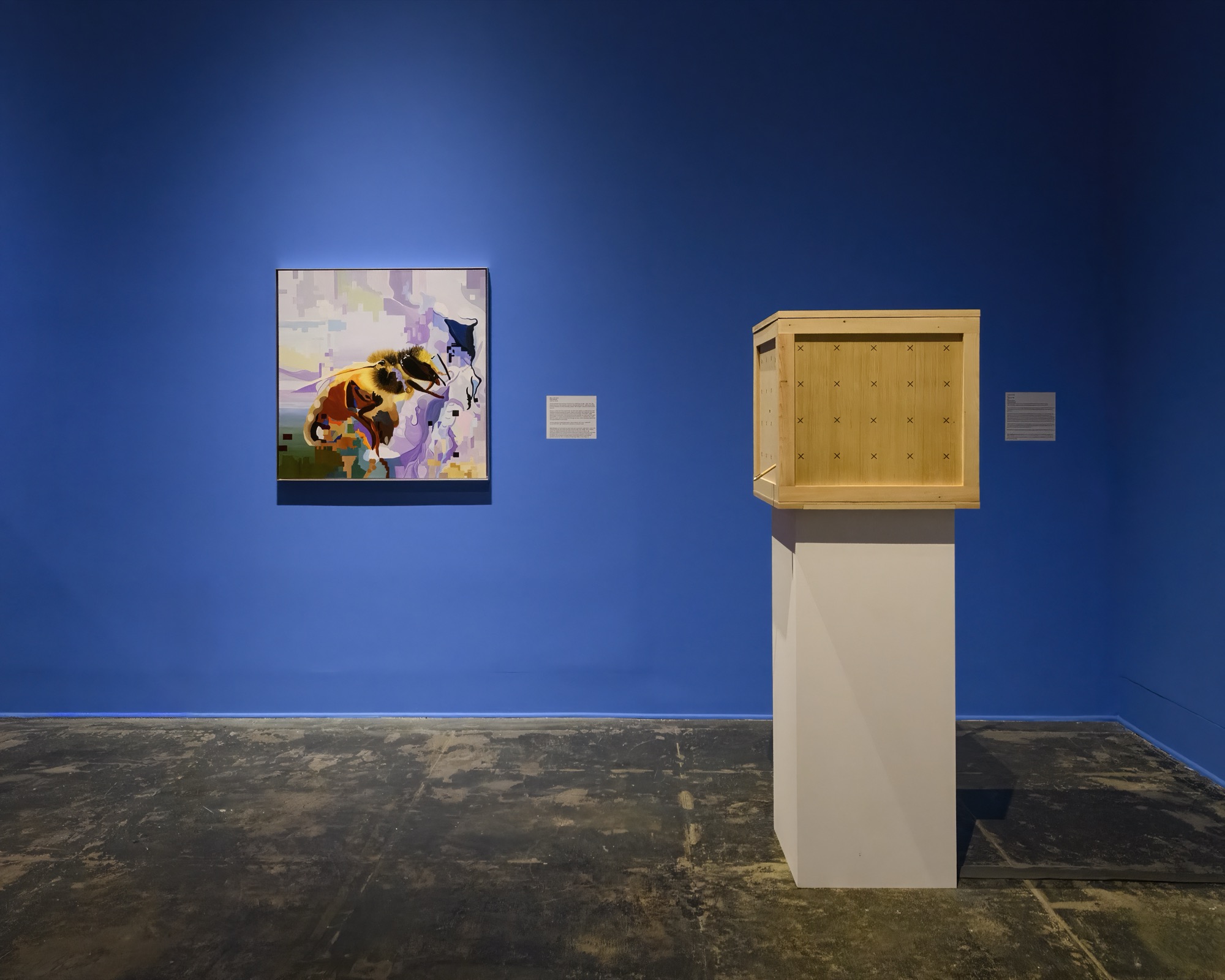
Karin Denson
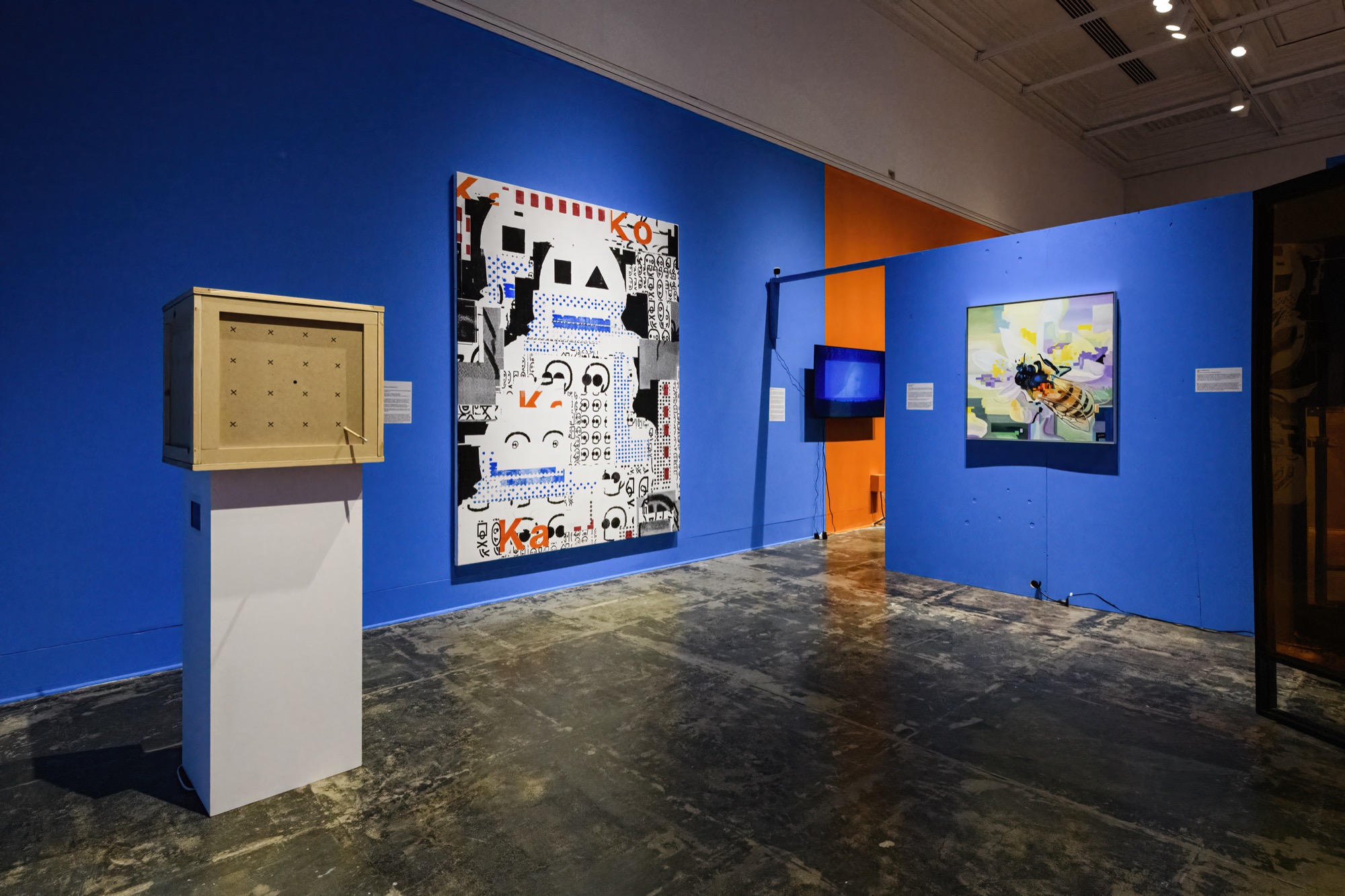
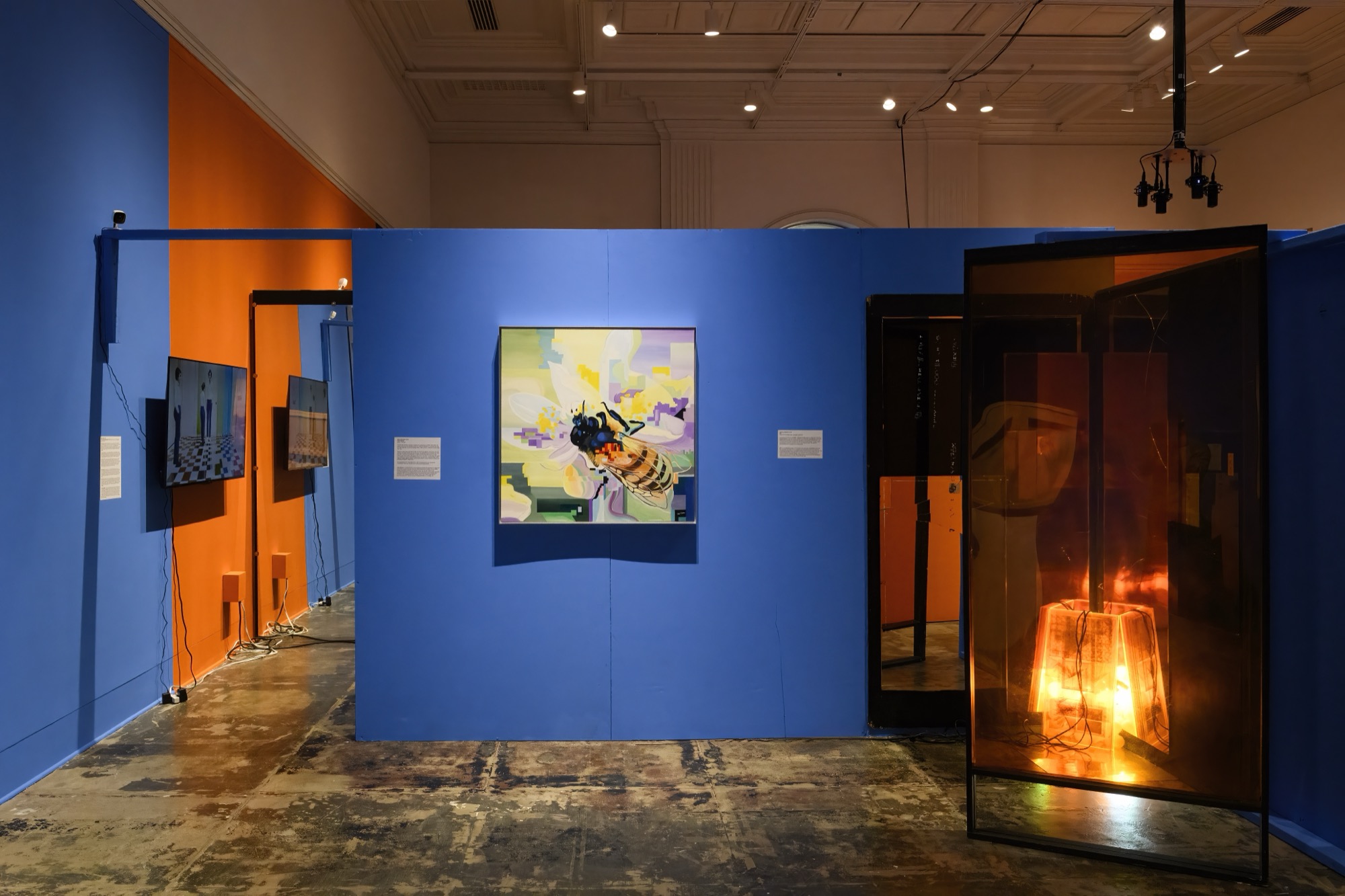
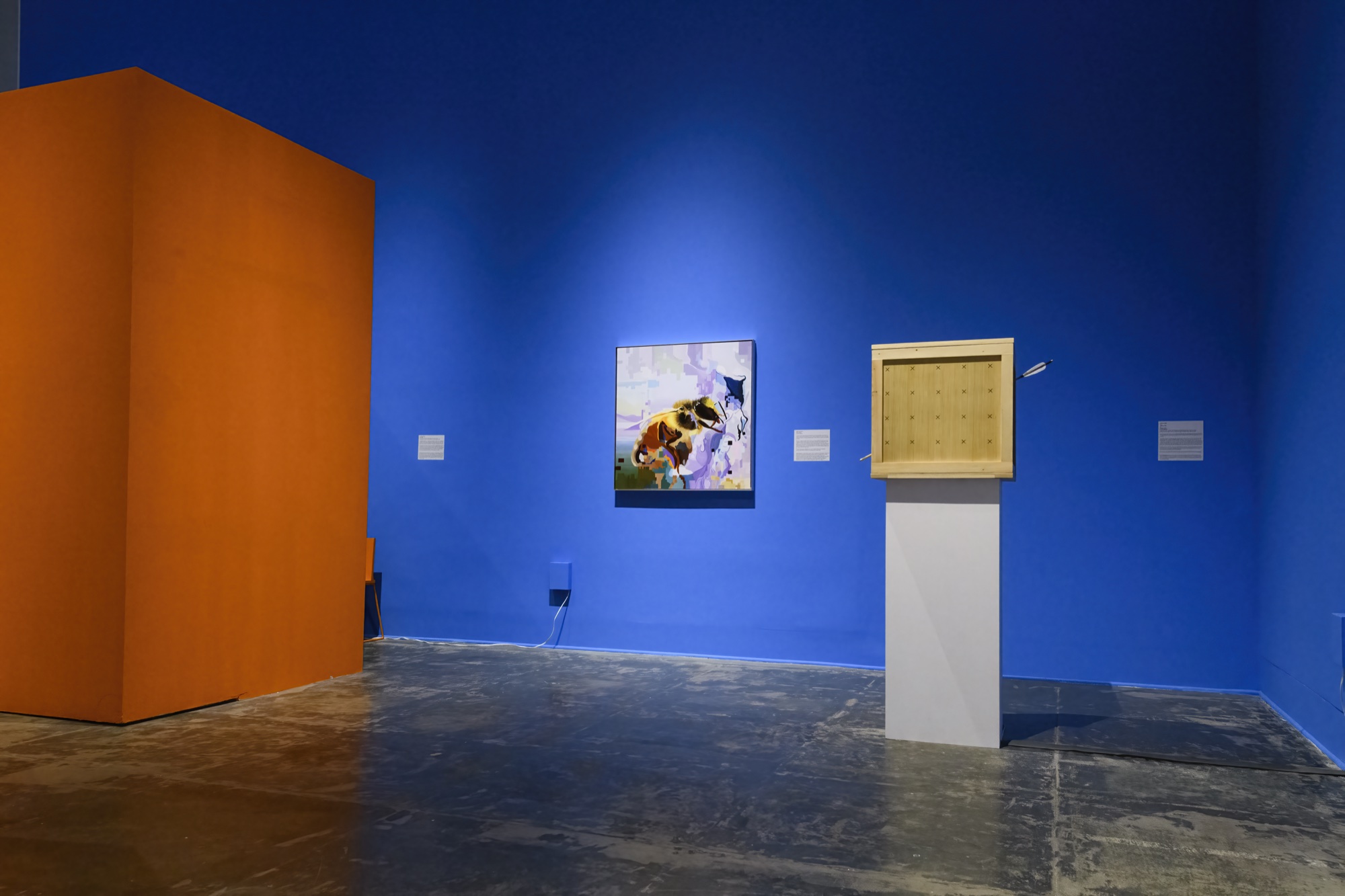
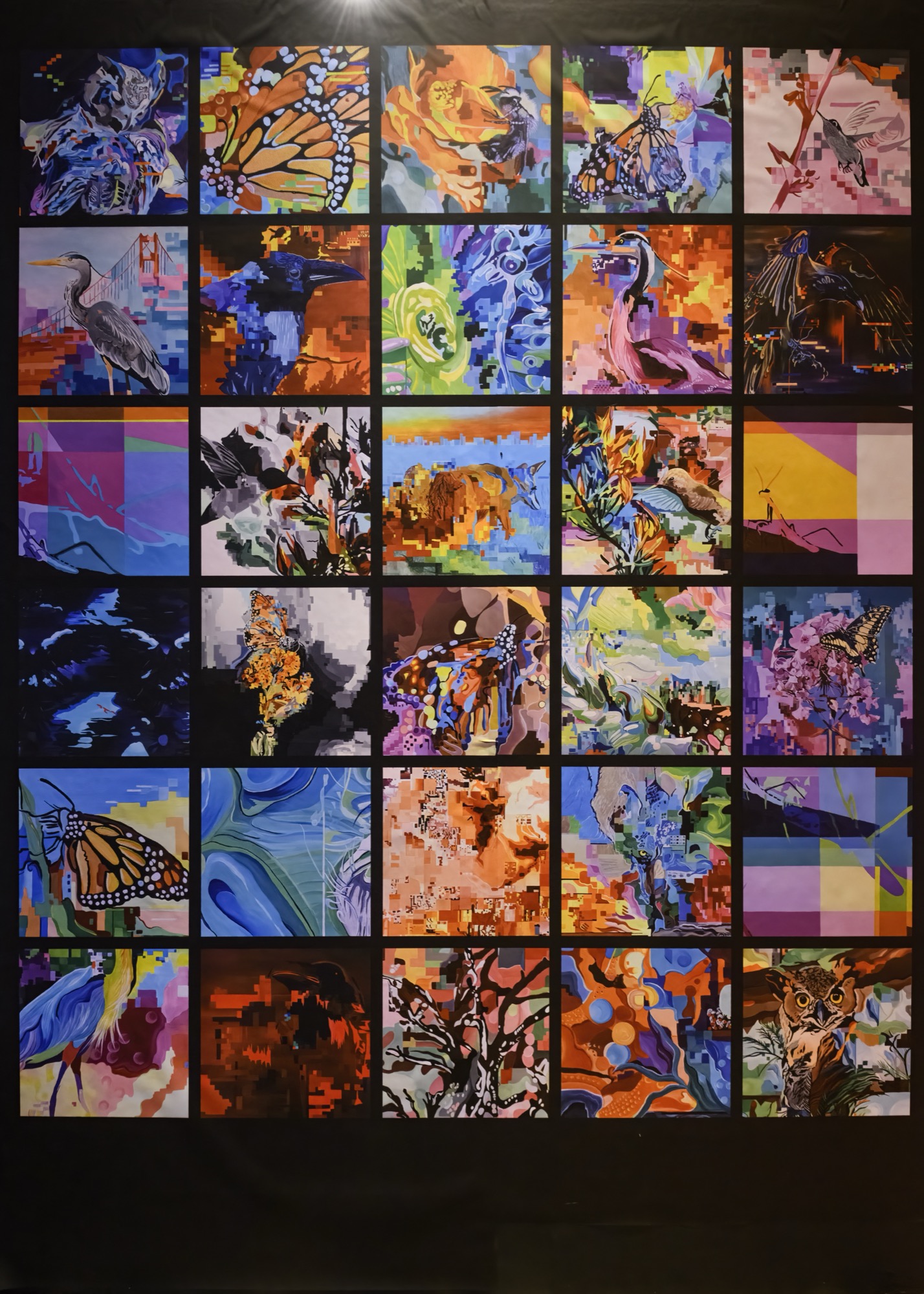
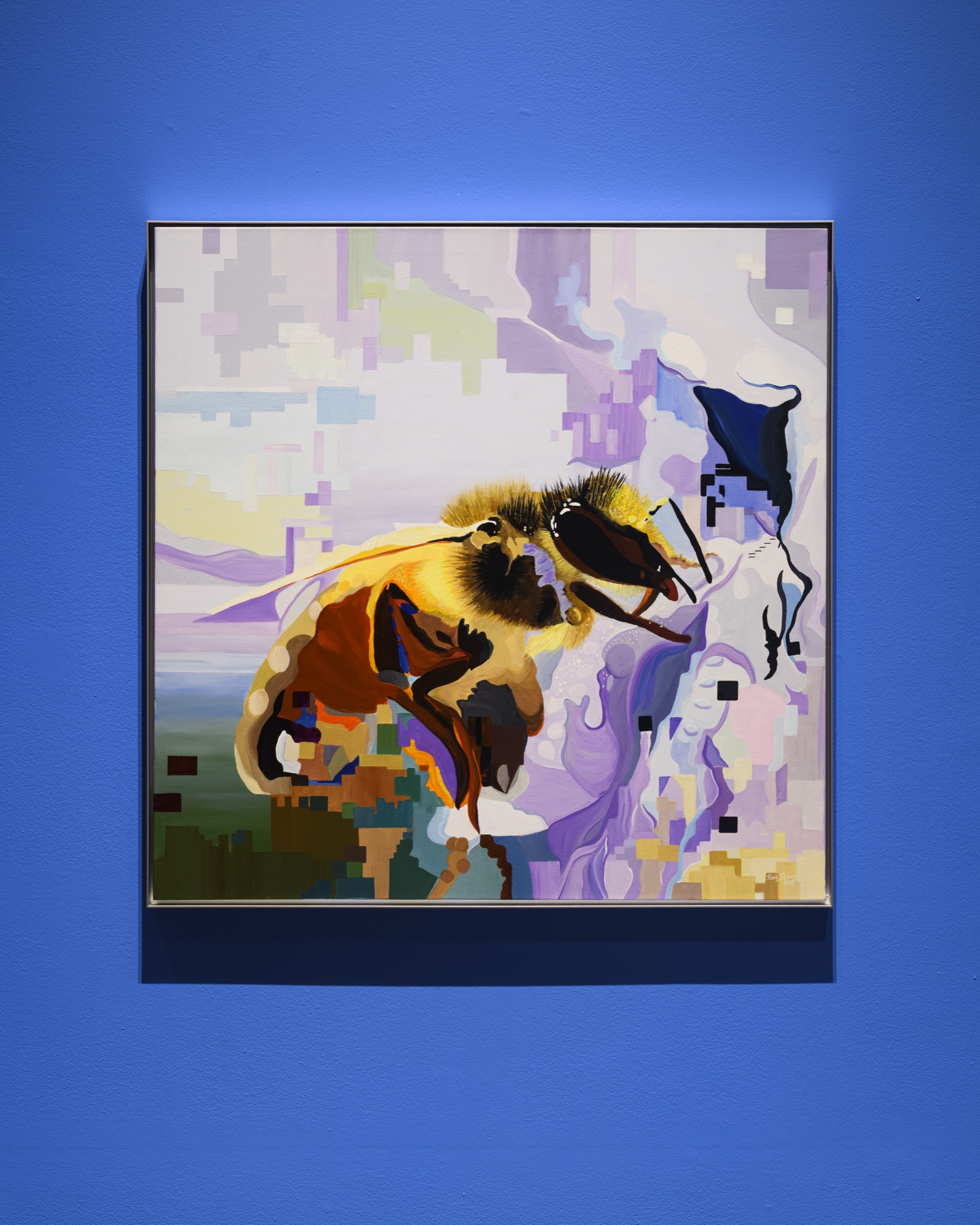
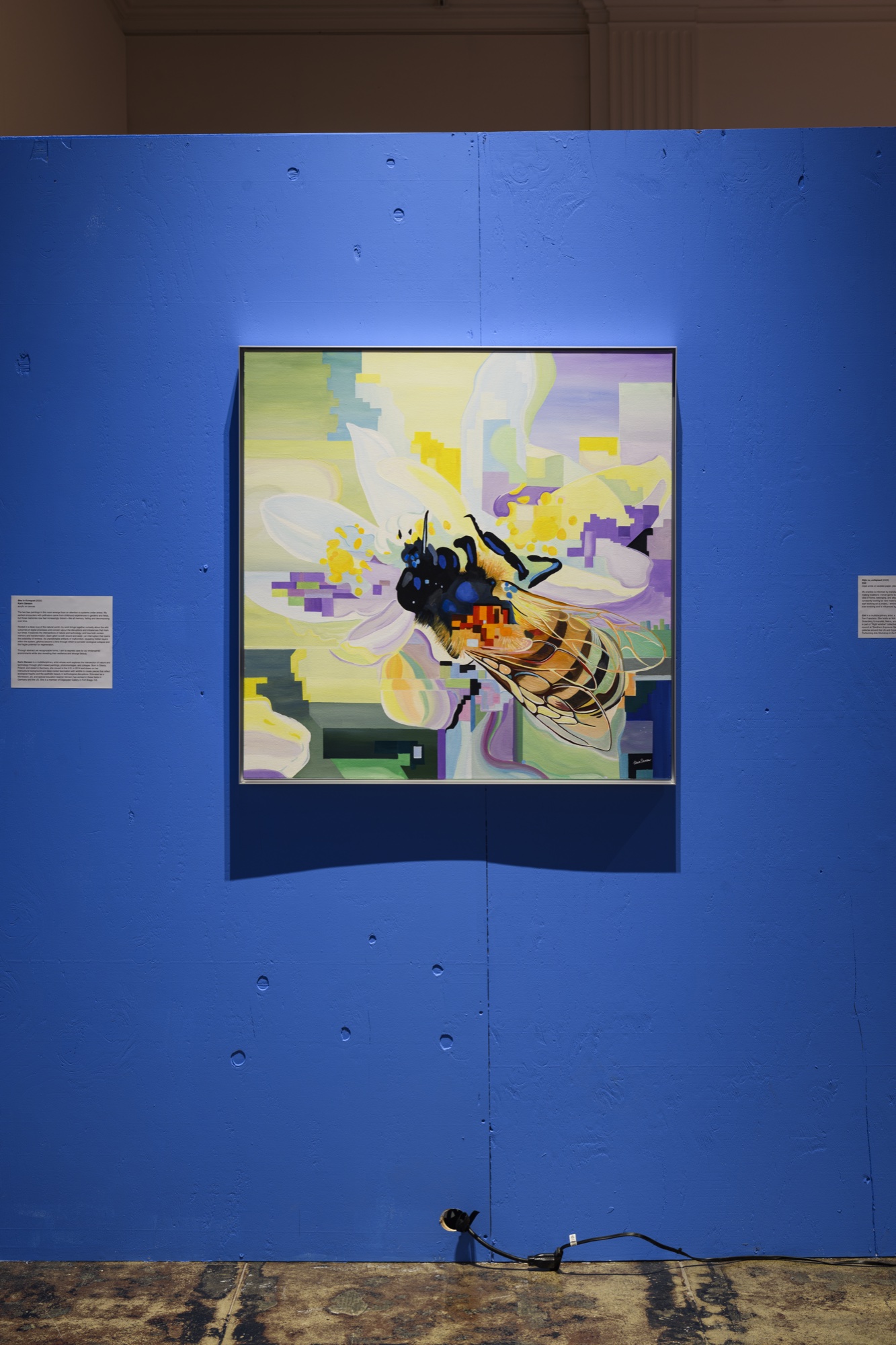
The two bee paintings in this room emerge from an attention to systems under stress. My earliest encounters with pollinators came from childhood experiences in gardens and fields, but those memories now feel increasingly distant—like all memory, fading and decomposing over time.
Rooted in a deep love of the natural world, my work brings together curiosity about the wild outcomes of digital processes and concern about the disruptions and imbalances that mark our times. It explores the intersections of nature and technology, and how both contain memory and transformation. Each glitch is both wound and seed—an interruption that opens the possibility of renewal. As unpredictable artifacts of malfunction, revealing hidden layers within the system, glitches become a lens through which to consider ecological collapse and the fragile potential for regeneration.
Through abstract yet recognizable forms, I aim to express care for our endangered environments while also revealing their resilience and strange beauty.
Karin Denson is a multidisciplinary artist whose work explores the intersection of nature and technology through glitch-based paintings, photomontages, and collages. Born in Silesia, Poland, and raised in Germany, she moved to the U.S. in 2014 and draws on her intercultural background and deep-rooted fascination with wildlife to create pieces that reflect ecological fragility and the aesthetic beauty in technological disruptions. Educated as a Montessori, art, and special‑education teacher Denson has worked in these fields in Germany and the US. She is a member of Edgewater Gallery in Fort Bragg, CA.
Kristen Wong
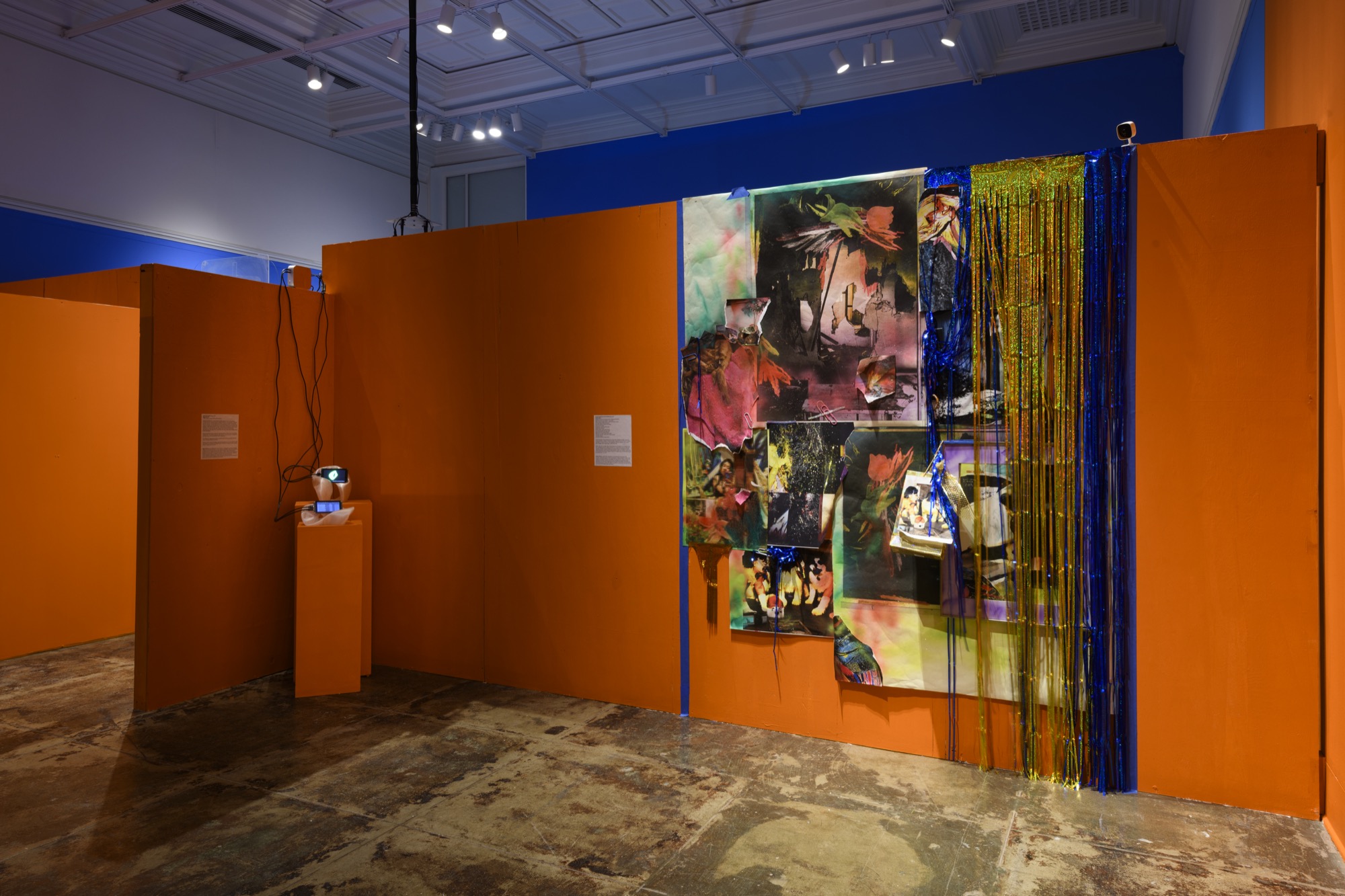
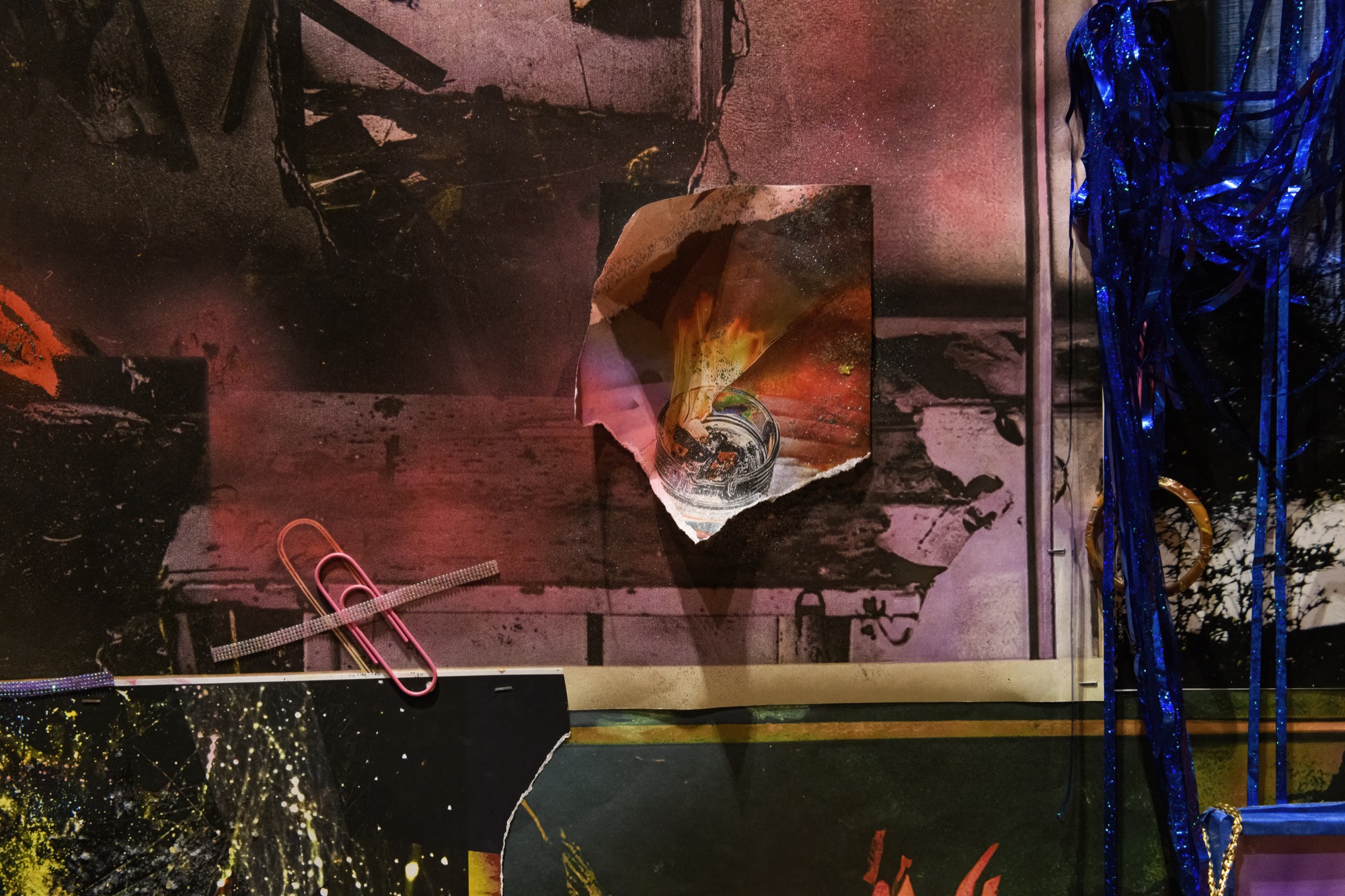
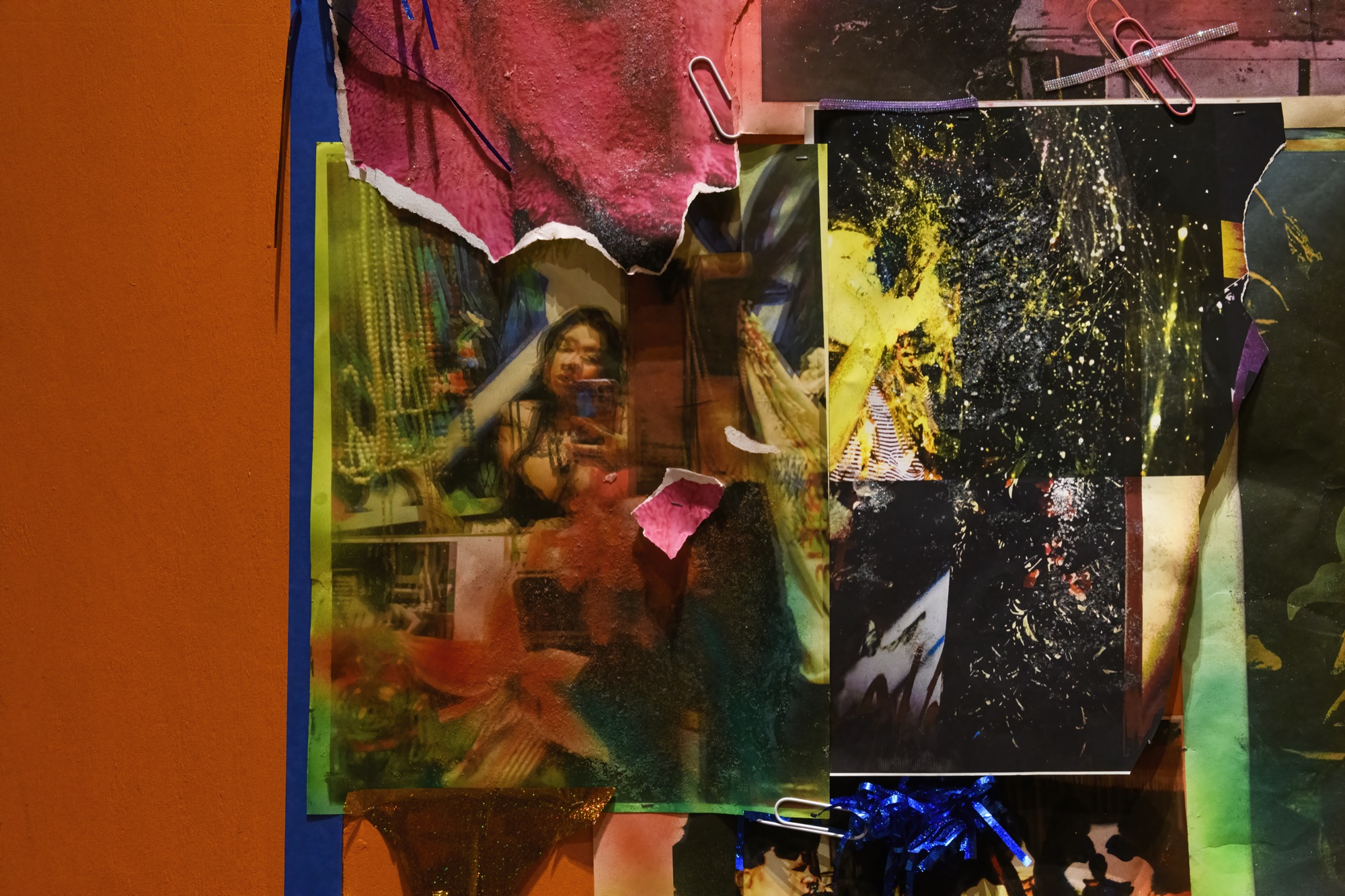
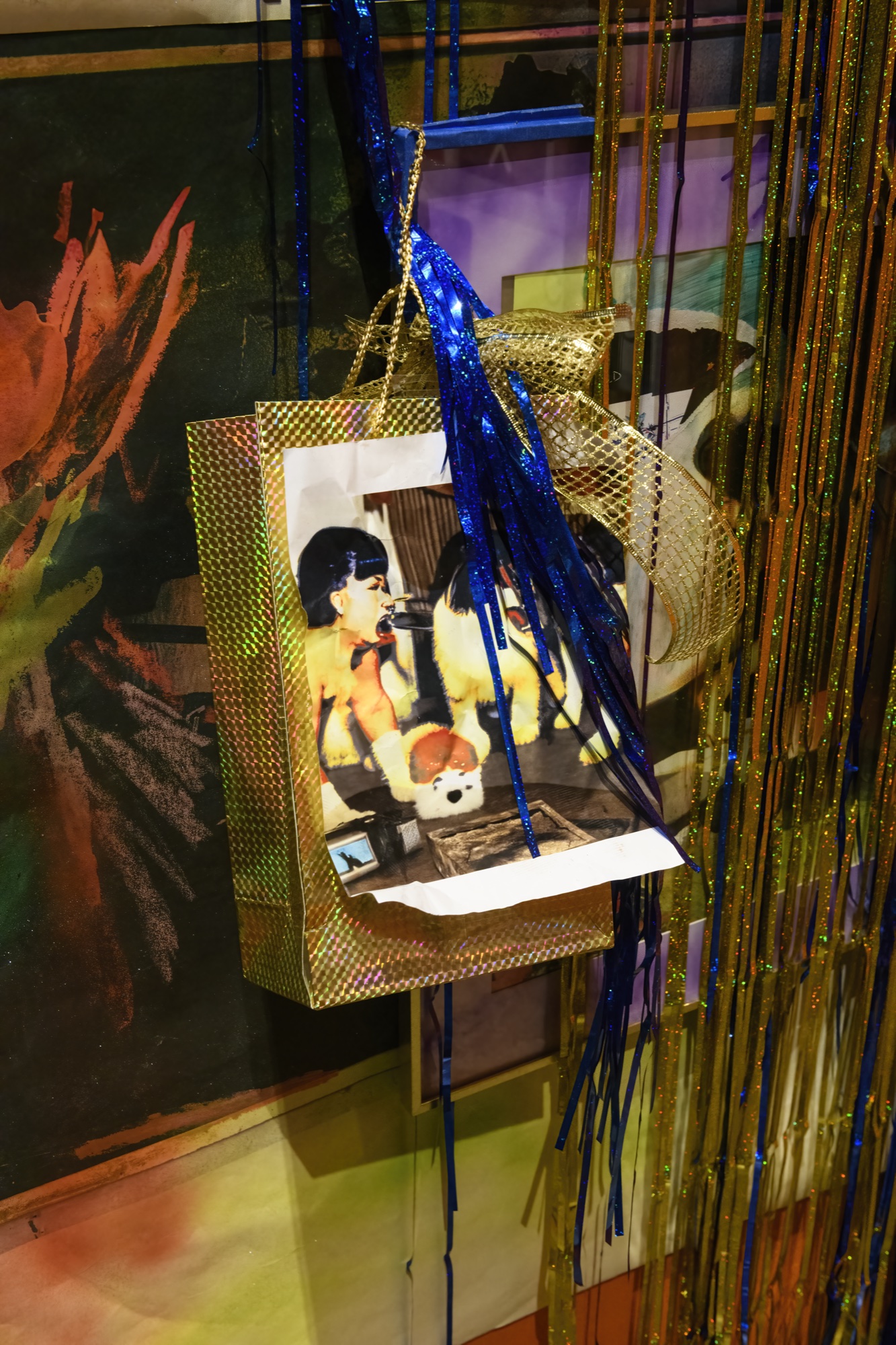
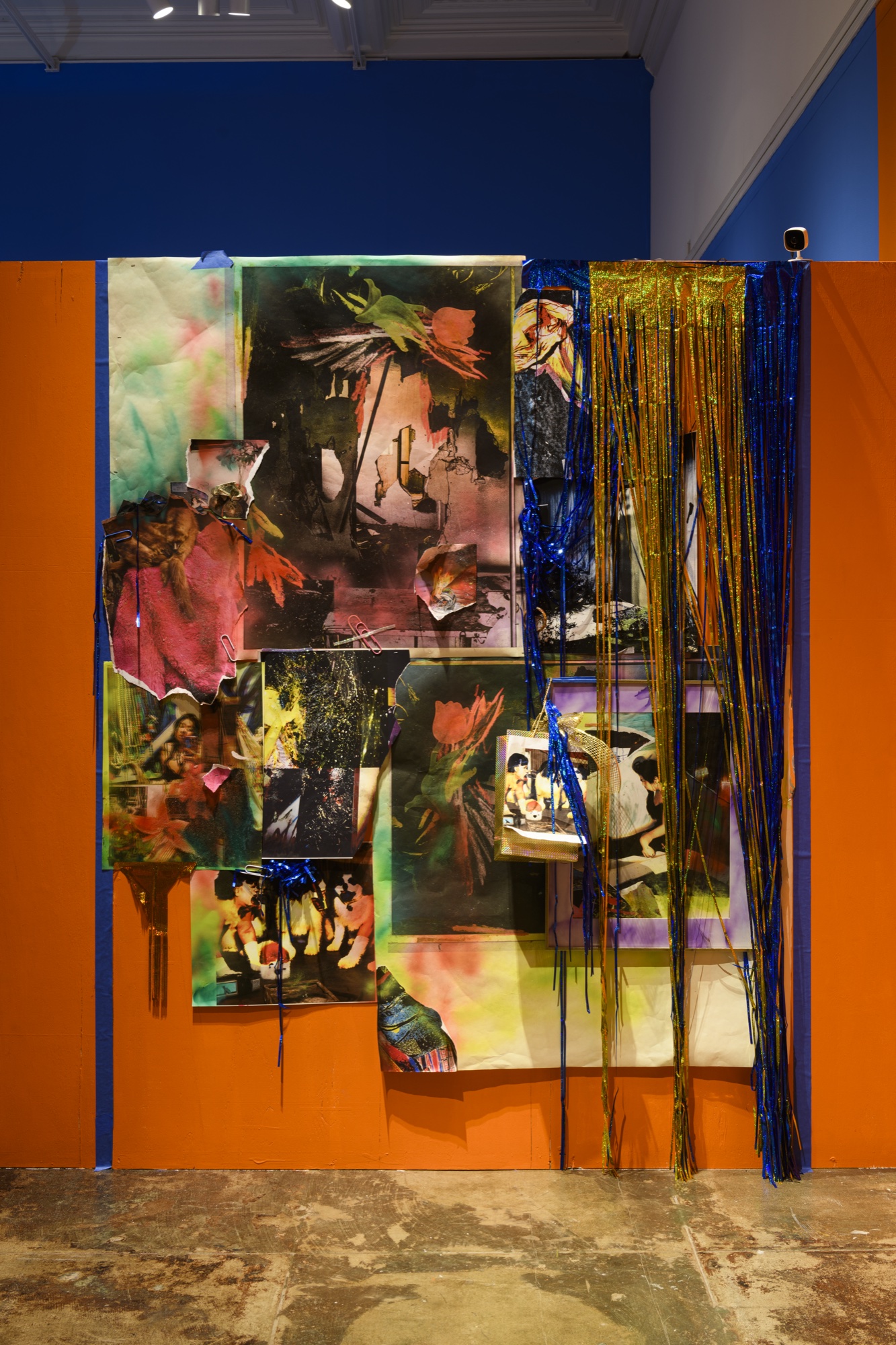
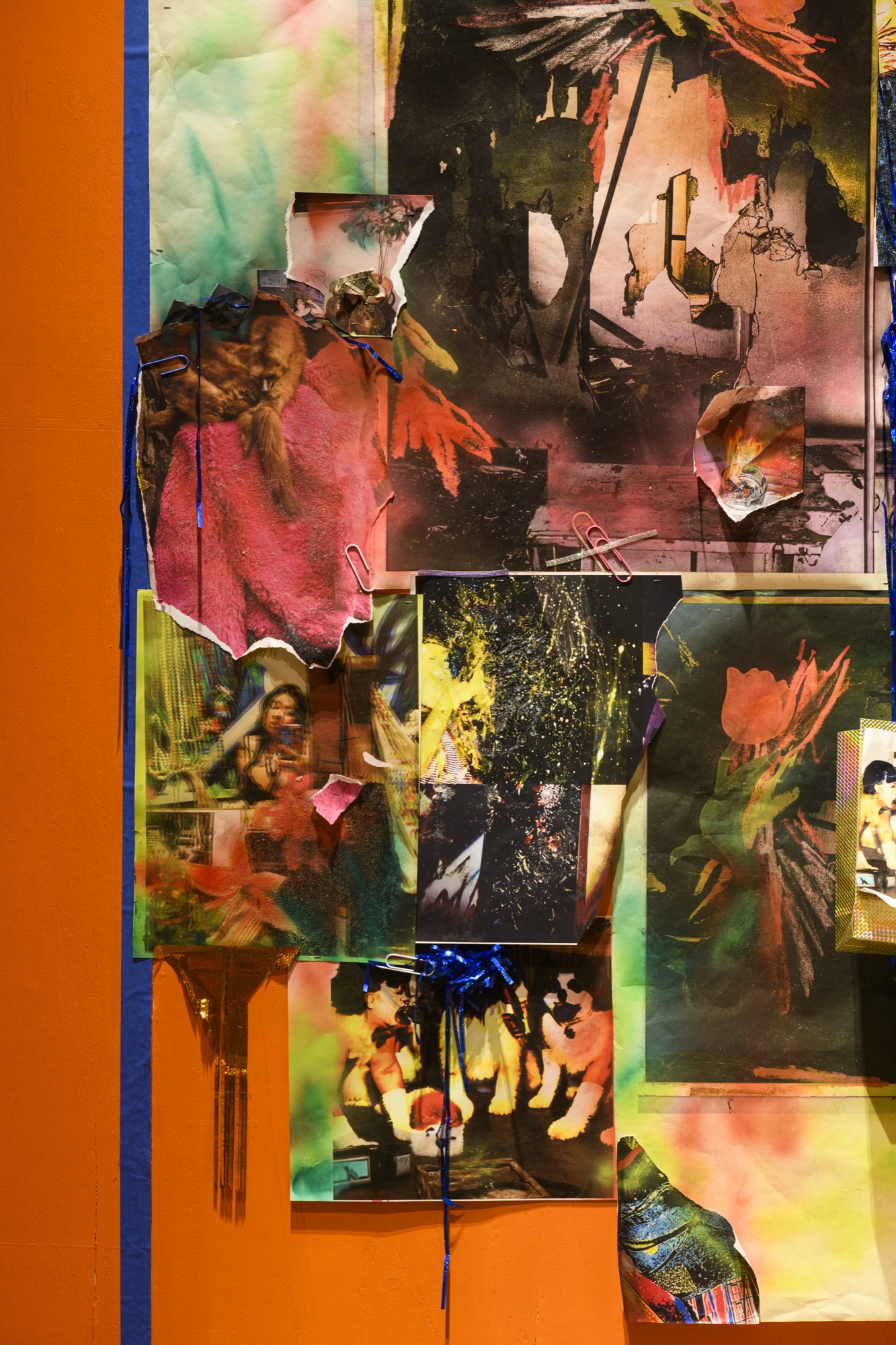
mental landscape of the elucidated bop is a large-scale installation of collage, digital and physical ephemera—artifacts of artifice and reality; images that serve as vessels of memory. specifically, this piece is shrine to / visual aggregate of what is a reductive, tip-of-tongue tropic nostalgia of early aughts digital media (2010-2016).
Glitter is high–low: oil, fossils, dirty old stars refined into microplastic small enough to mimic light. Photography does this. Digital media does this. Content farming does this. Meaning recedes by reduction; moments collapse into vignettes designed to resemble illumination rather than produce it. What remains is edited, gussied, scarred, and masked—broken down to the smallest part until it’s are polished enough to be reflected upon and diminished enough to be grazed upon, as a treat.
Kristen Wong is a visual artist, photographer, and writer living and working in San Francisco. Her practice largely consists of photographic collage composed of mixed media images of minutiae that becomes monumental in her head and then outside of it. She uses destructive and additive marking, hand rendering, and digital and analog manipulation techniques, and incorporates collage elements into altering 35mm/medium format film and iPhone photographs to question the validity of what parts of what functions as visual truth are “real” across sentimentality, place, and memory.
Mark Amerika, Will Luers, & Chad Mossholder
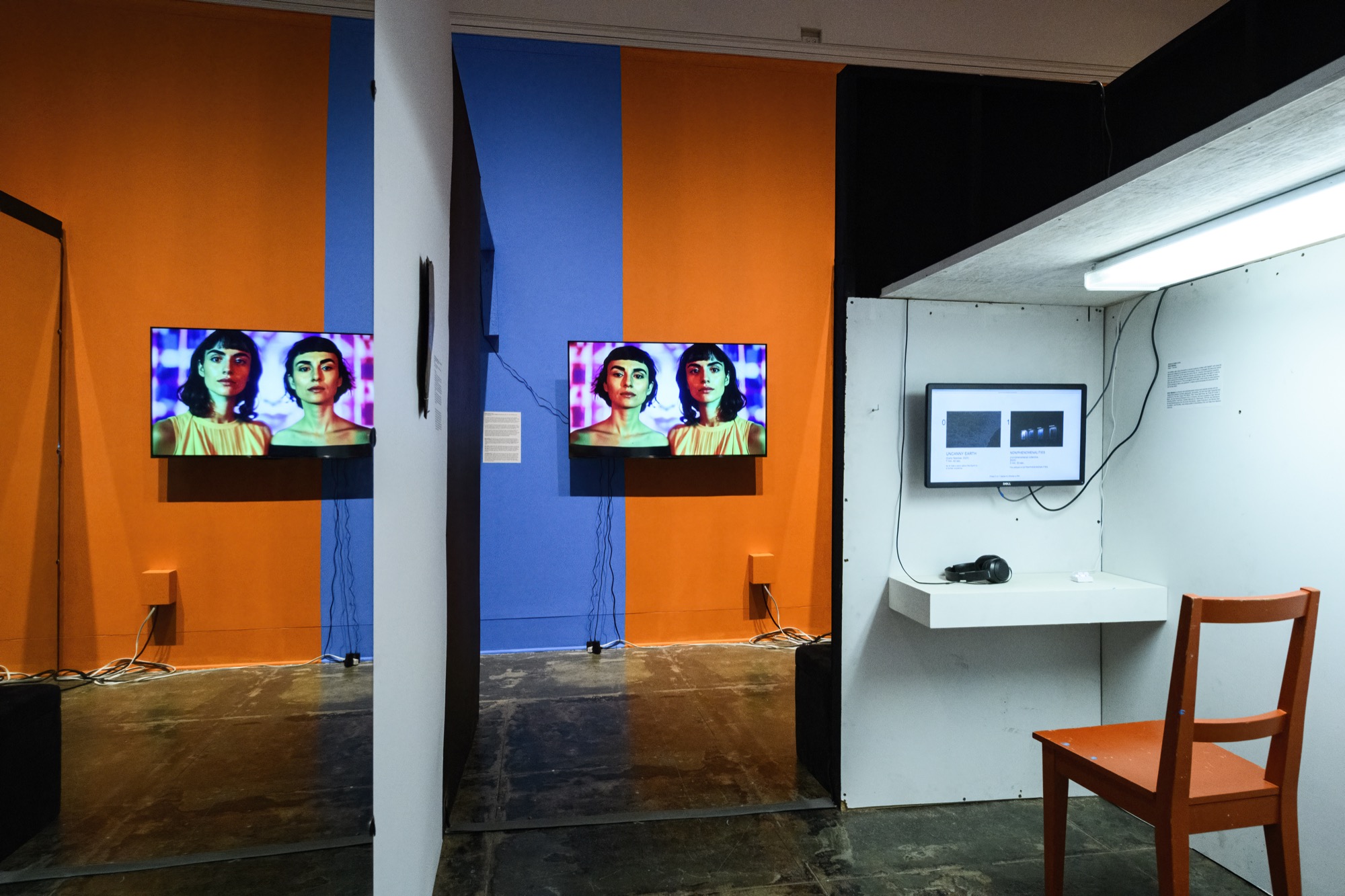
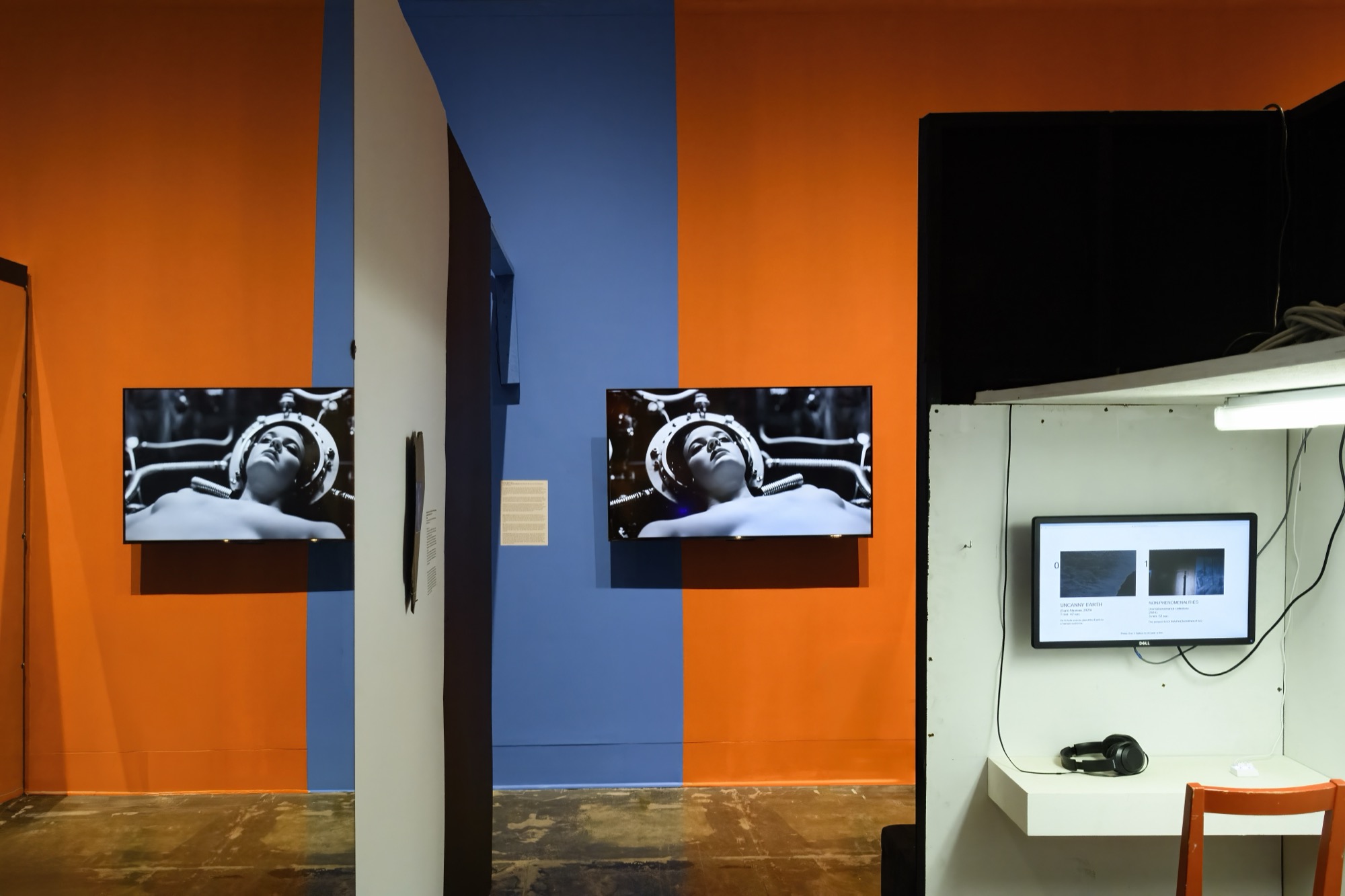
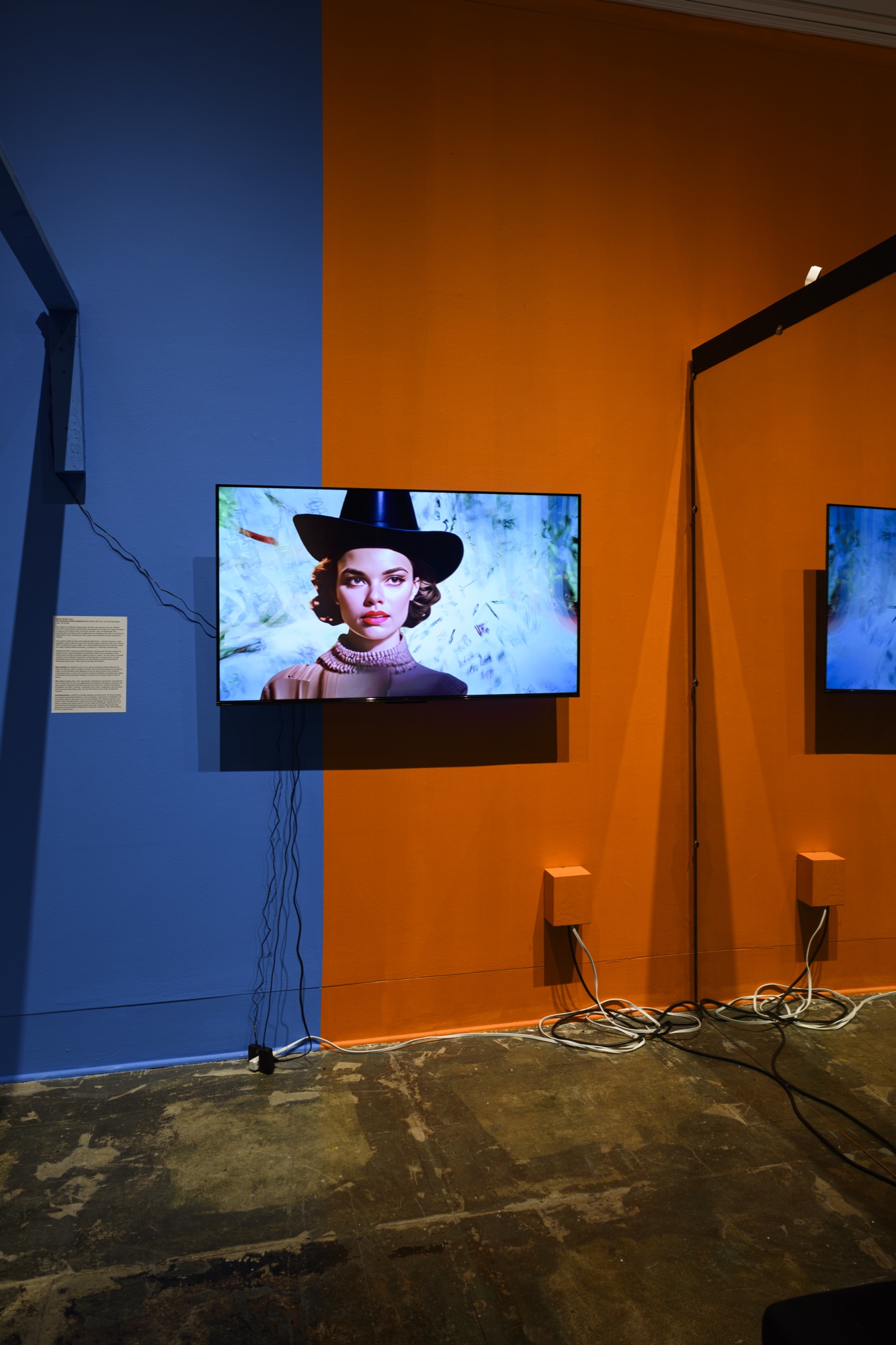
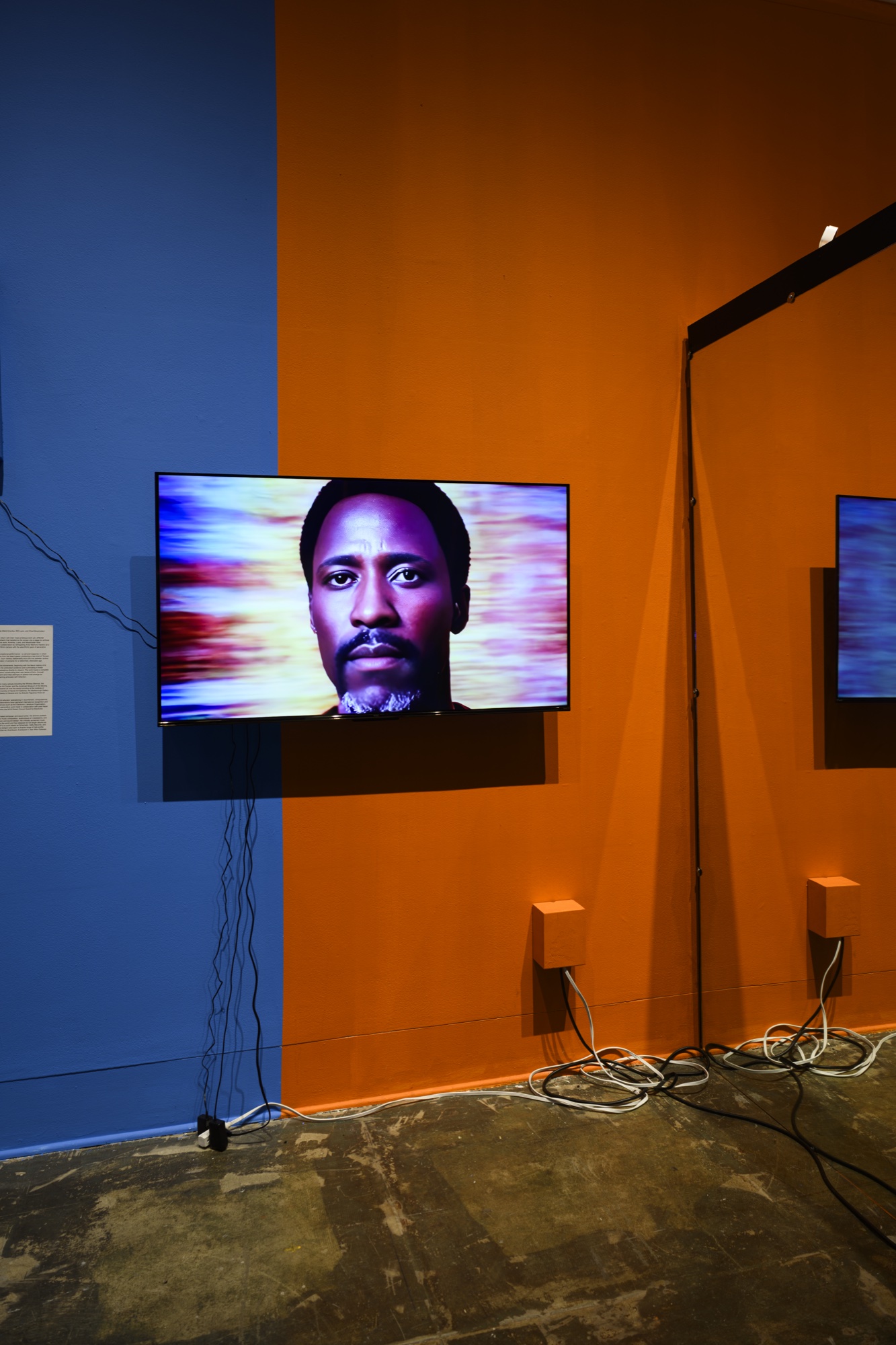
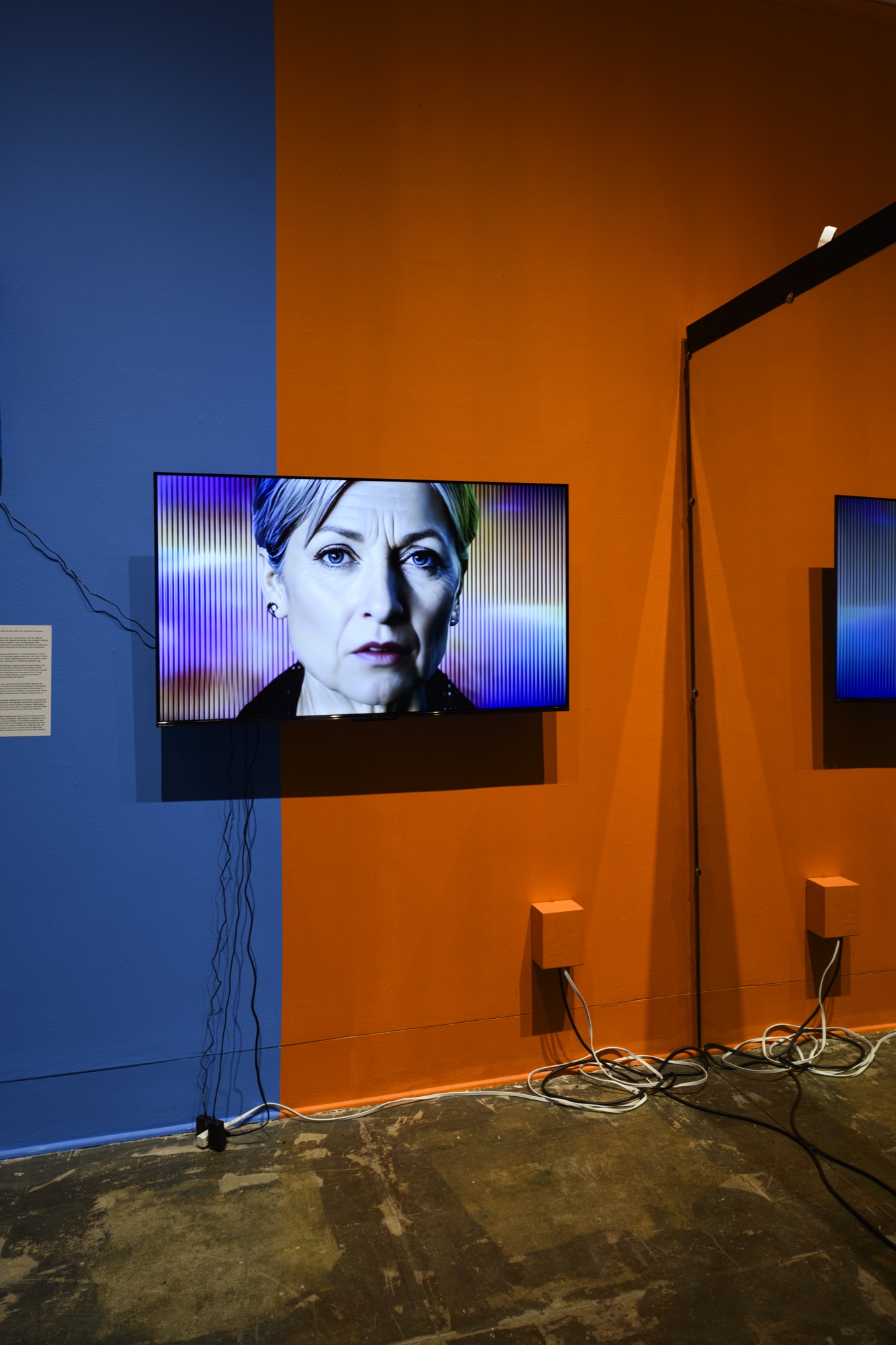
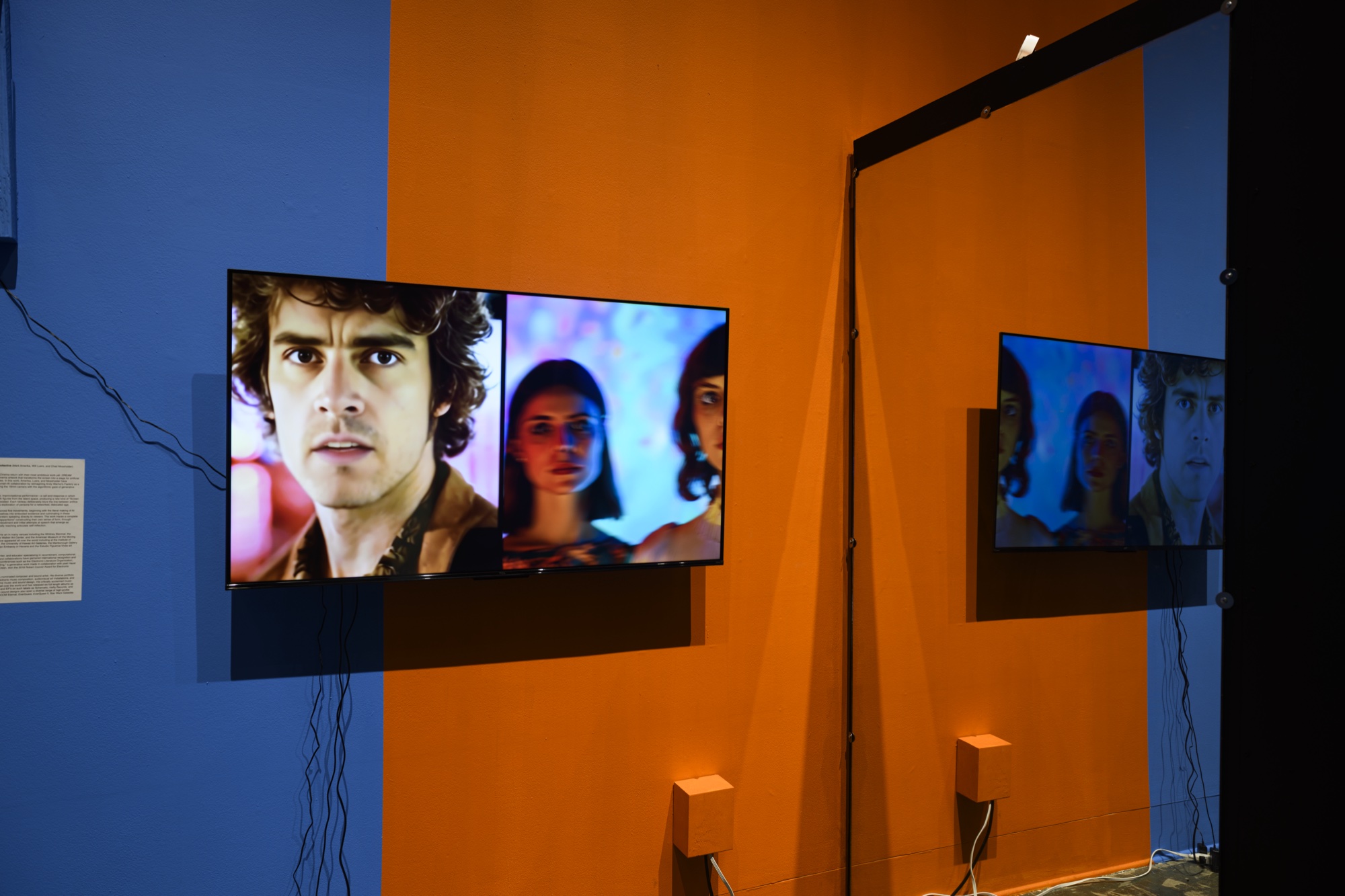
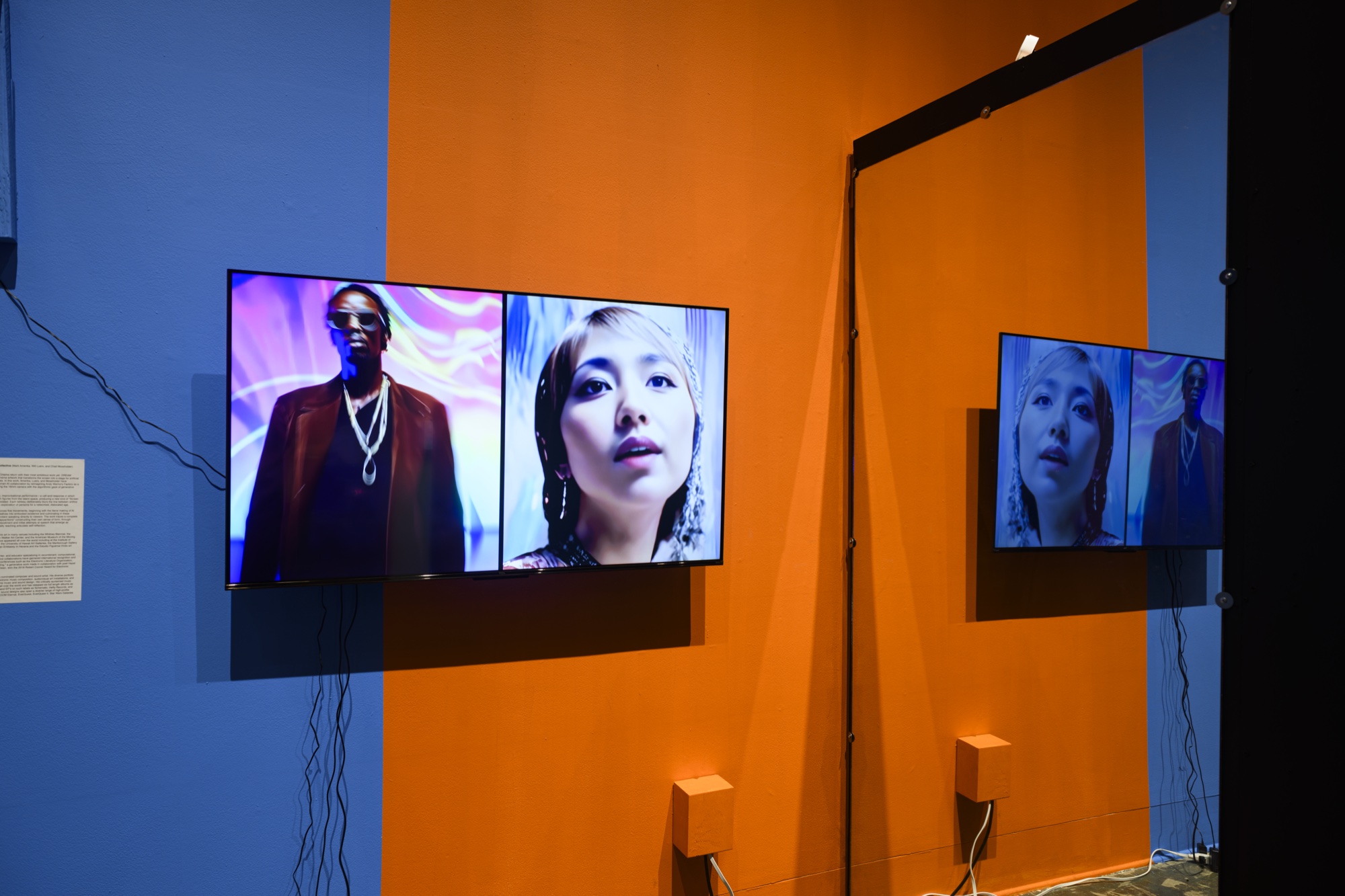
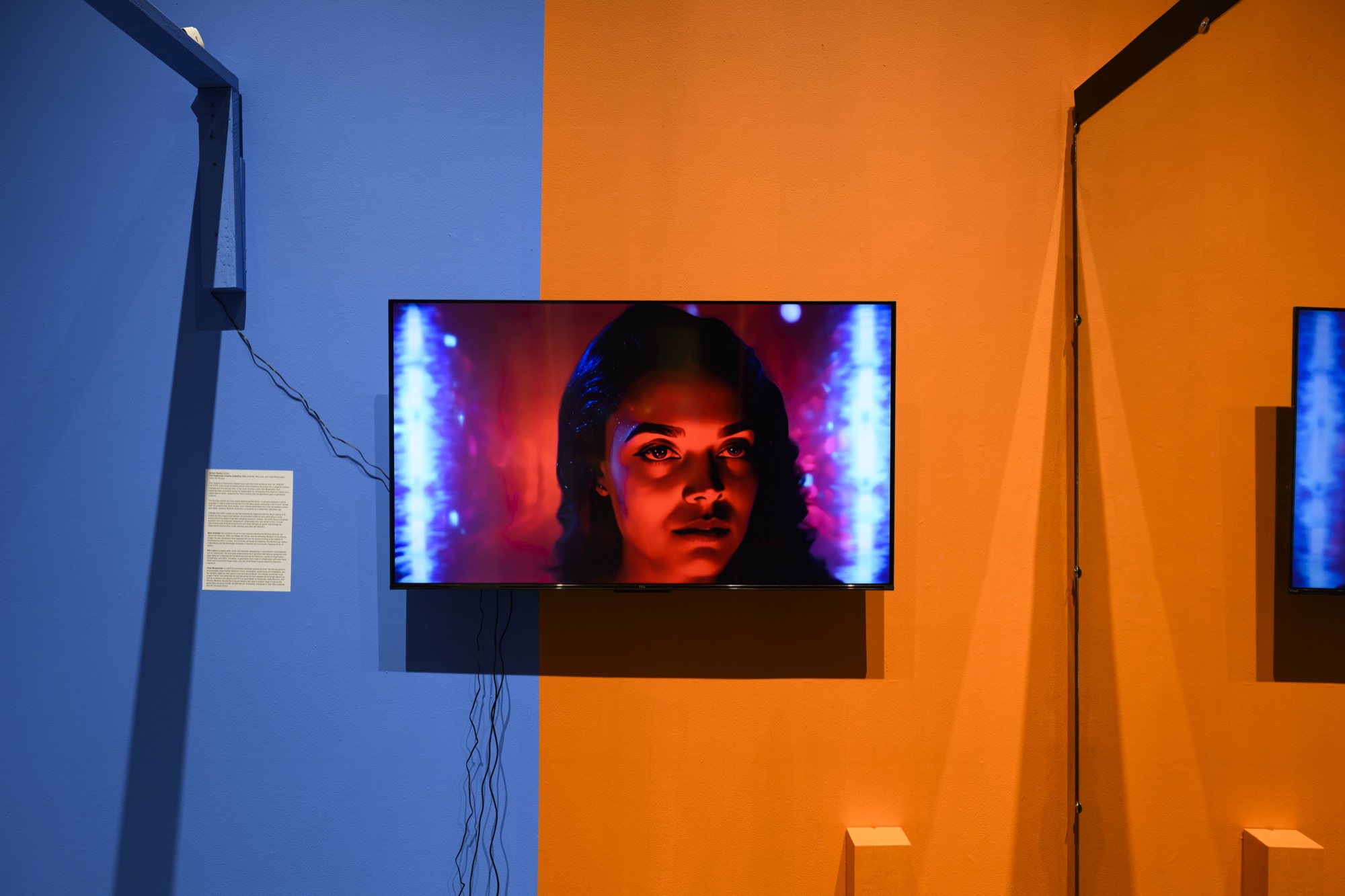
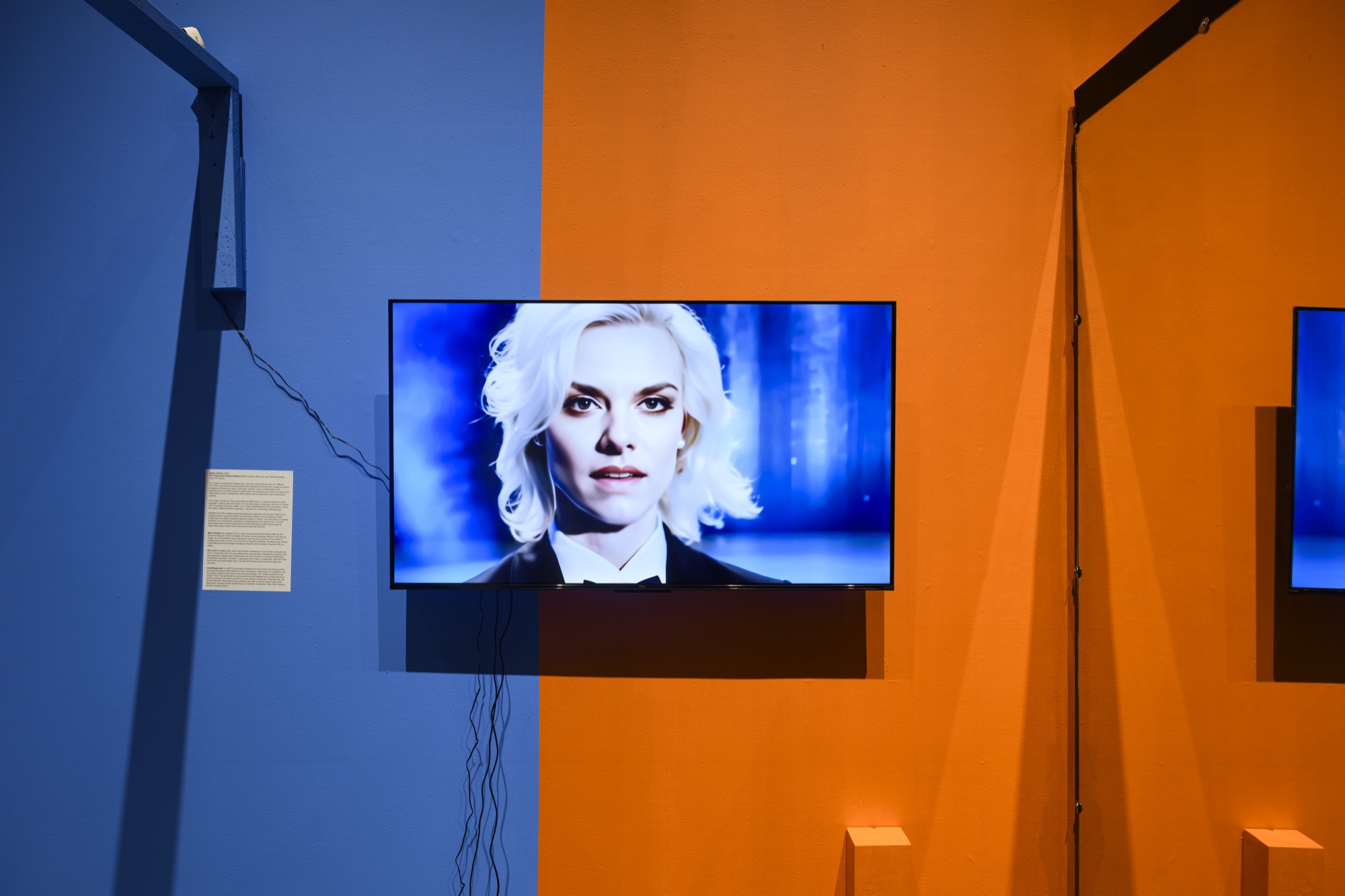
The creators of Posthuman Cinema return with their most ambitious work yet: DREAM FACTORY, a 29-minute AI cinema artwork that transforms the screen into a stage for artificial intelligence’s first starring roles. In this work, Amerika, Luers, and Mossholder have expanded their innovative human-AI collaboration by reimagining Andy Warhol’s Factory as a digital séance-fiction, replacing the 16mm camera with the algorithmic gaze of generative systems.
The process unfolds as a live, improvisational performance—a call-and-response in which language is used to coax forth figures from the latent space, producing a new kind of “Screen Test” for subjects that never existed. Each tableau deliberately blurs the line between artifice and reality, updating Warhol’s exploration of persona for a networked, dislocated age.
DREAM FACTORY unfolds across five movements, beginning with the literal making of AI models as they imagine themselves into embodied existence and culminating in these entities becoming jaded Superstars speaking directly to viewers. The work traces a complete evolution: from foundational “apparitions” constructing their own sense of form, through hallucinatory acts of social embodiment and initial attempts at speech that emerge as Dada-esque sound poetry, finally reaching articulate self-reflection.
Mark Amerika has exhibited his art in many venues including the Whitney Biennial, the Denver Art Museum, ZKM, the Walker Art Center, and the American Museum of the Moving Image. His solo exhibitions have appeared all over the world including at the Institute of Contemporary Arts in London, the University of Hawaii Art Galleries, the Marlborough Gallery in Barcelona and the Norwegian Embassy in Havana and the Estudio Figueroa-Vives art gallery.
Will Luers is a digital artist, writer, and educator specializing in recombinant, computational, and AI cinema arts. His work and collaborations have garnered international recognition and been featured in festivals and conferences such as the Electronic Literature Organization, FILE(Brazil), and ISEA. “novelling,” a generative work made in collaboration with poet Hazel Smith and sound artist Roger Dean, won the 2018 Robert Coover Award for Electronic Literature.
Chad Mossholder is a BAFTA-nominated composer and sound artist. His diverse portfolio encompasses experimental electronic music composition, audio/visual art installations, and the dynamic realm of video game music and sound design. His critically acclaimed music project “Twine” has performed all over the world and has released six full length albums as well as numerous mini-albums and EP’s on such labels as Schematic, Hefty Records, and Ghostly Records. Mossholder’s sound designs also span a diverse range of high-profile game titles including DOOM, DOOM Eternal, EverQuest, EverQuest II, Star Wars Galaxies and DC Universe Online.
Miguel Novelo
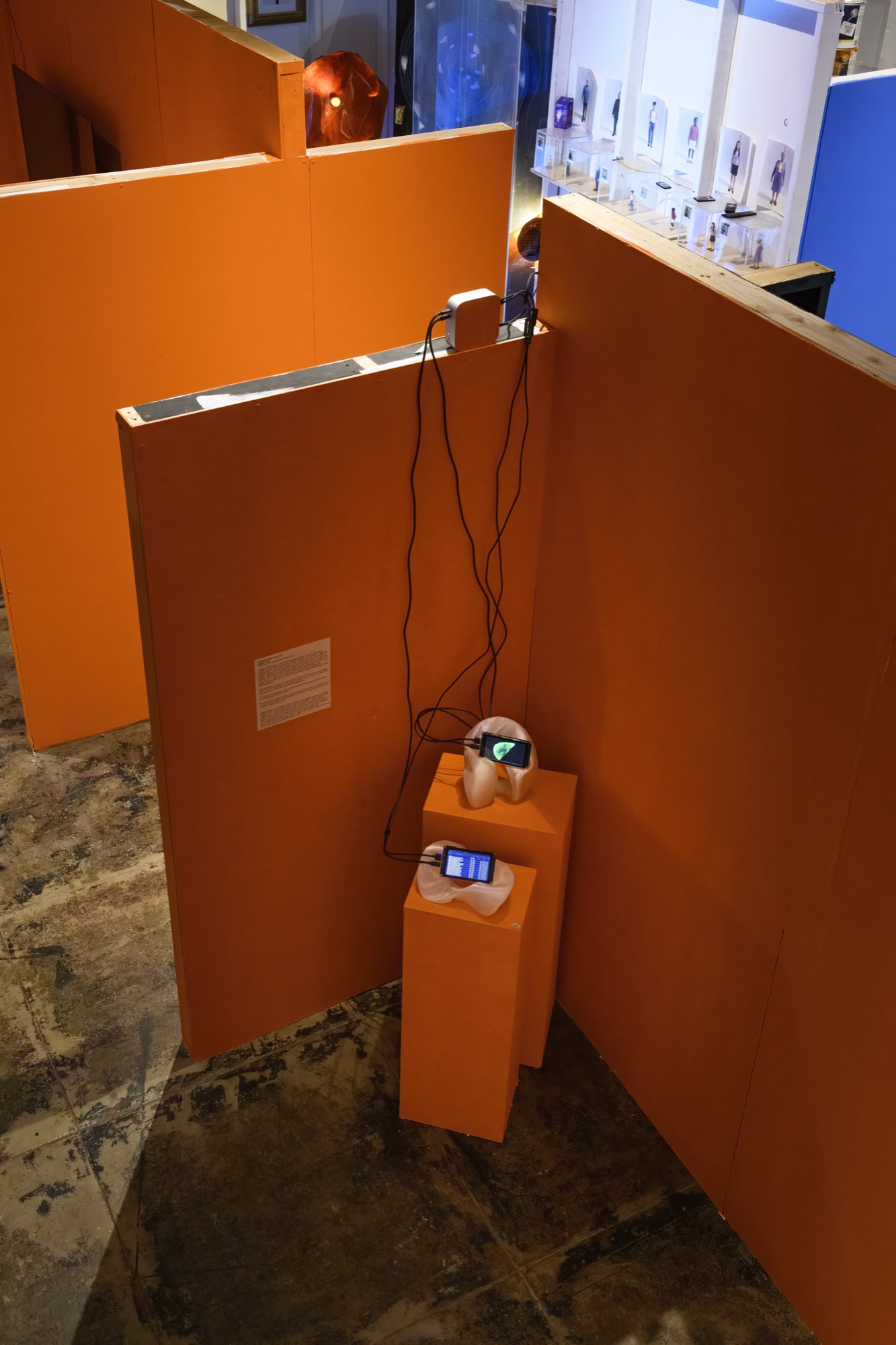
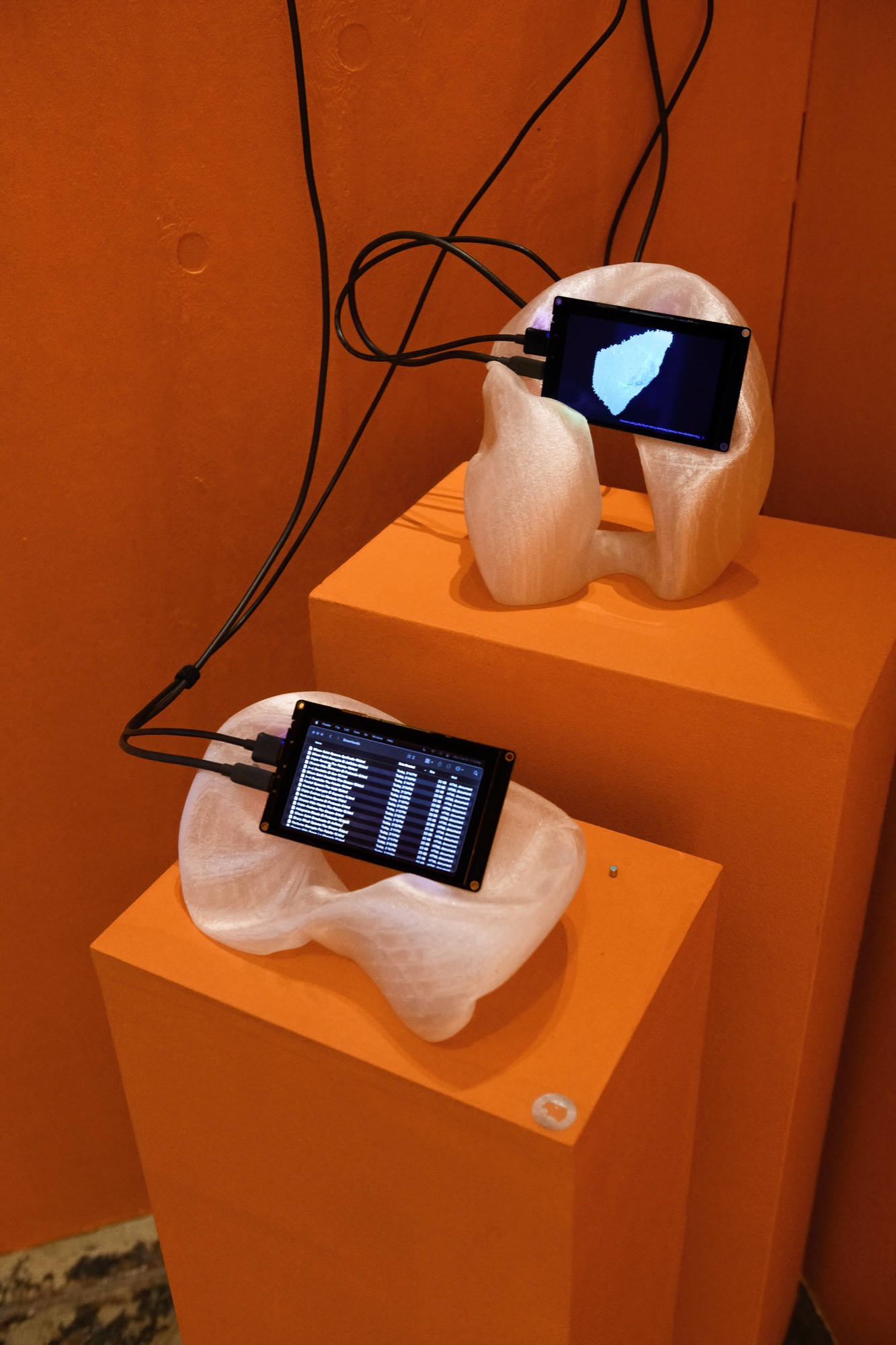
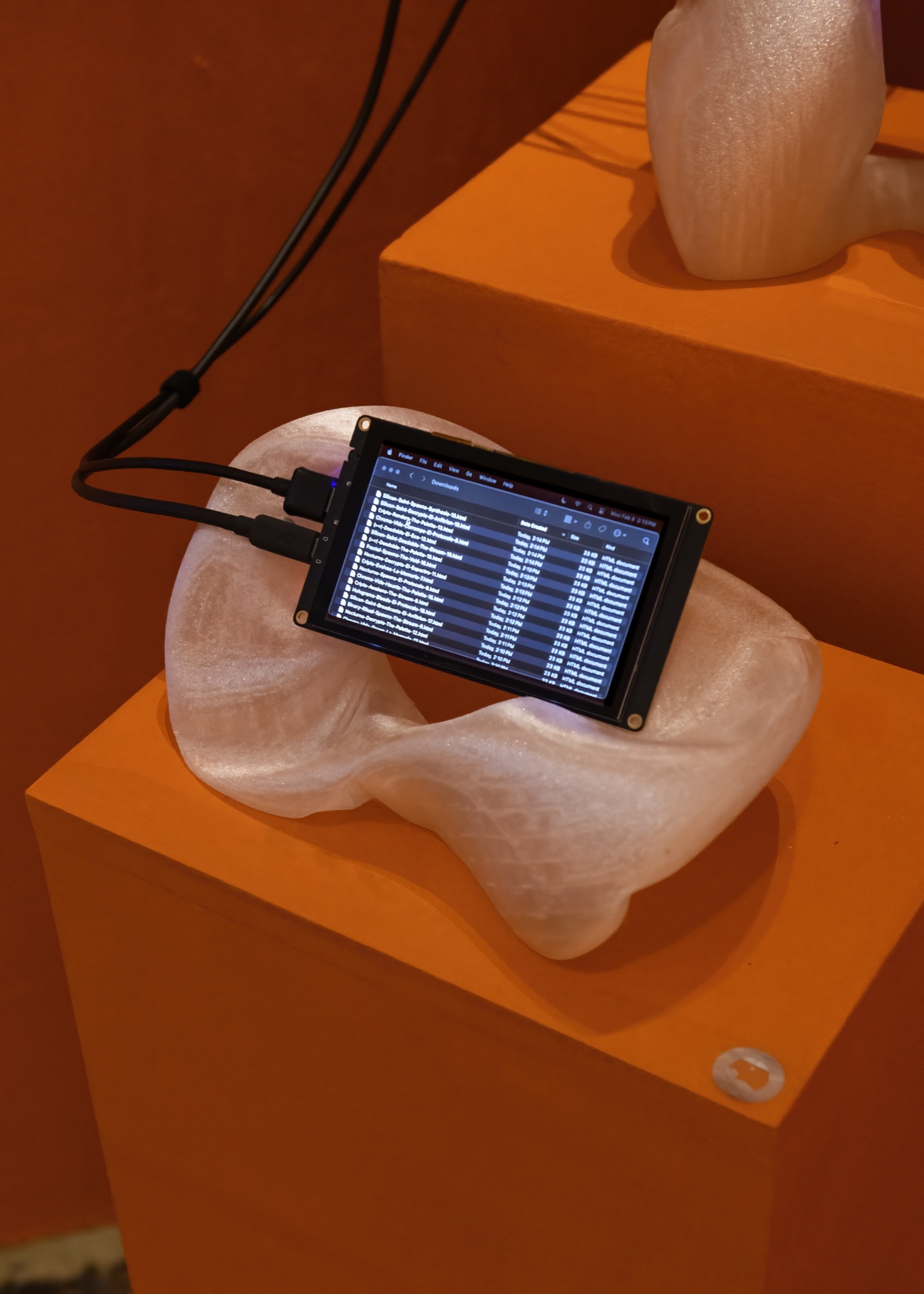
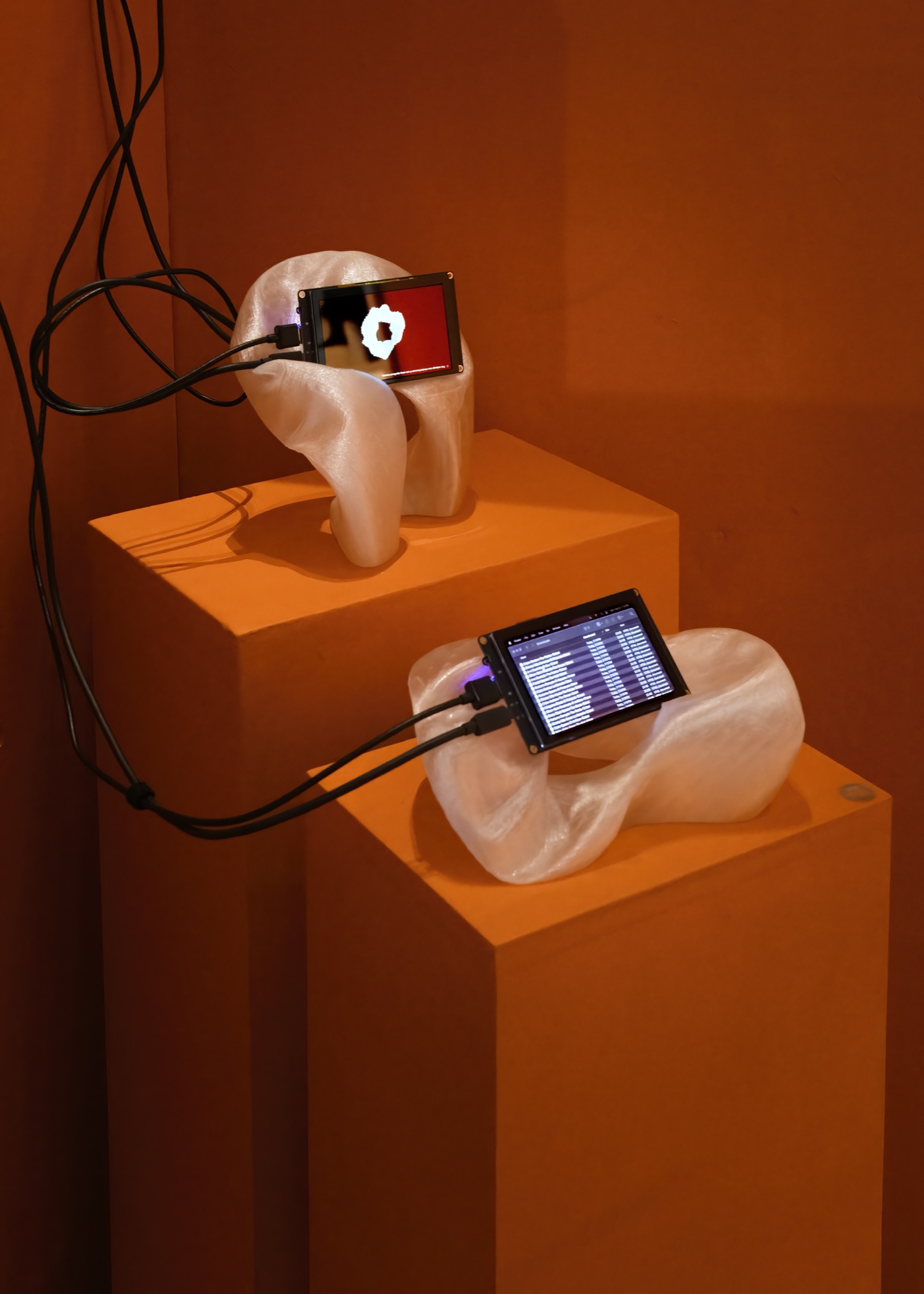
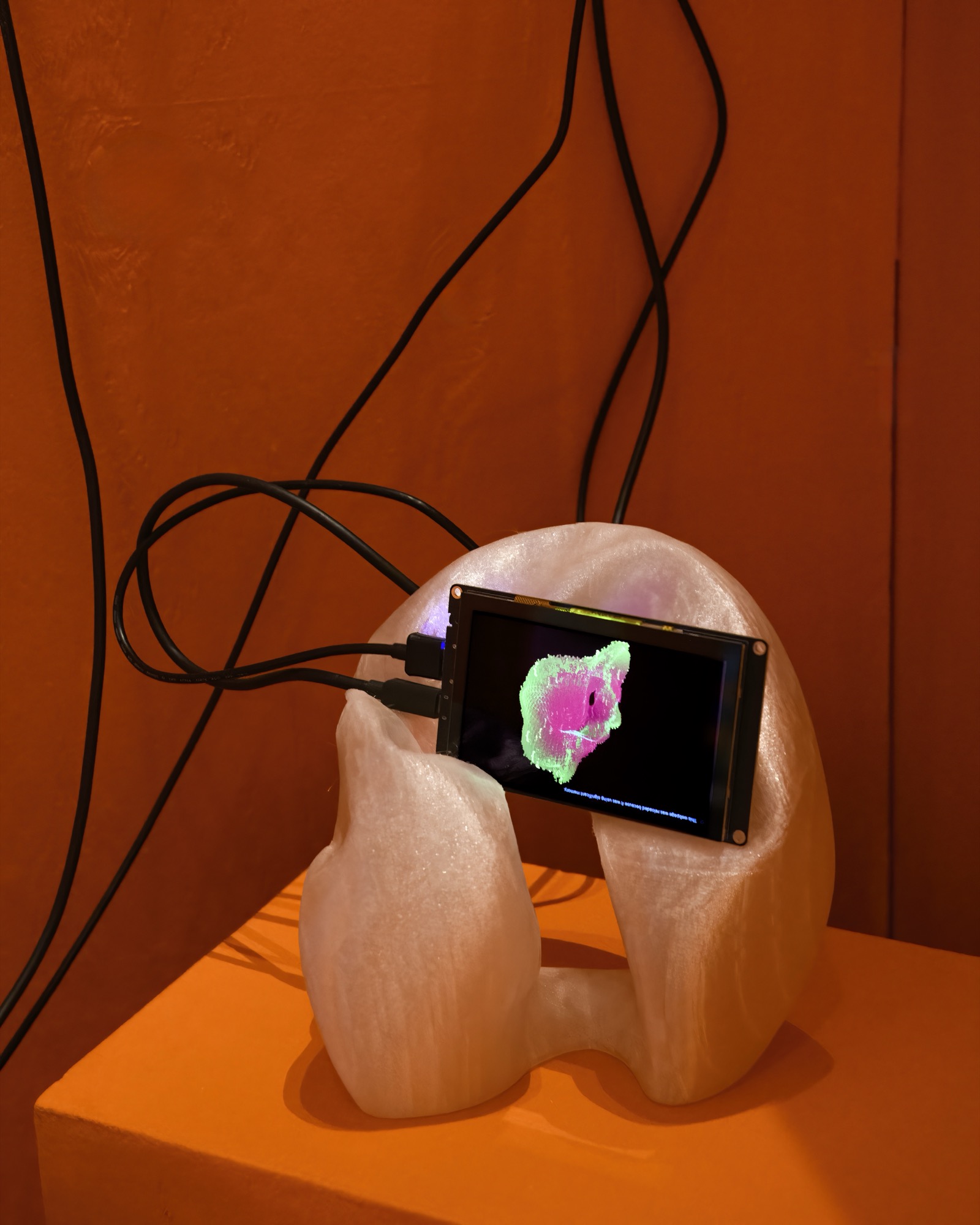
NON-EUCLEDIAN virus is a self-replicating digital organism, akin to a computational virus-like software. It operates based on spatial mathematics, viral propagation, and poetic prompts. This entity communicates through HTML, utilizing the concept of multiplication. Every ten seconds, the vessel replicates itself, producing offspring. Files accumulate, each capable of continuing the replication cycle, transforming the host computer’s filesystem into spreaders. With each replication, the vessel renames itself and digitally permutes from the source code. The code was generated through poetic prompting, involving lengthy discussions about the ethics of virus creationism with various public large language models. Poetic engineering.
NON-EUCLEDIAN virus is a software for machine slowdown, filling up bytes exponentially, utilizing RAM, CPU and GPU capacities. Each offspring, hoping to be open or forgotten in a download folder, eternally distributed, folded in space time.
The 3D print is a collaboration between the design and 3D printing studio ADD:OBJECTS (Arina Pozdnyak and Alina Klimenteva).
Tap your phone to access the piece or visit nev.miguelnovelo.com. Be aware that the website may prompt you to download an HTML file every 10 seconds. To stop the process, close the window. Proceed at your own risk.
Miguel Novelo is an interdisciplinary artist, educator, and researcher focused on emerging media and community organizing. Currently working on algorithmic movies, technoshamanic installations, thermodynamic hypnosis, and friendly computer viruses. Novelo earned a Bachelor of Fine Arts (BFA) from the San Francisco Art Institute (SFAI) in 2018, followed by a Master of Fine Arts (MFA) from Stanford University in 2022. His work has been exhibited at various institutions, including the de Young Museum, the Stanford Institute for Human-Centered Artificial Intelligence (HAI), the Museo Universitario Arte Contemporáneo in Mexico City, and numerous international film festivals.
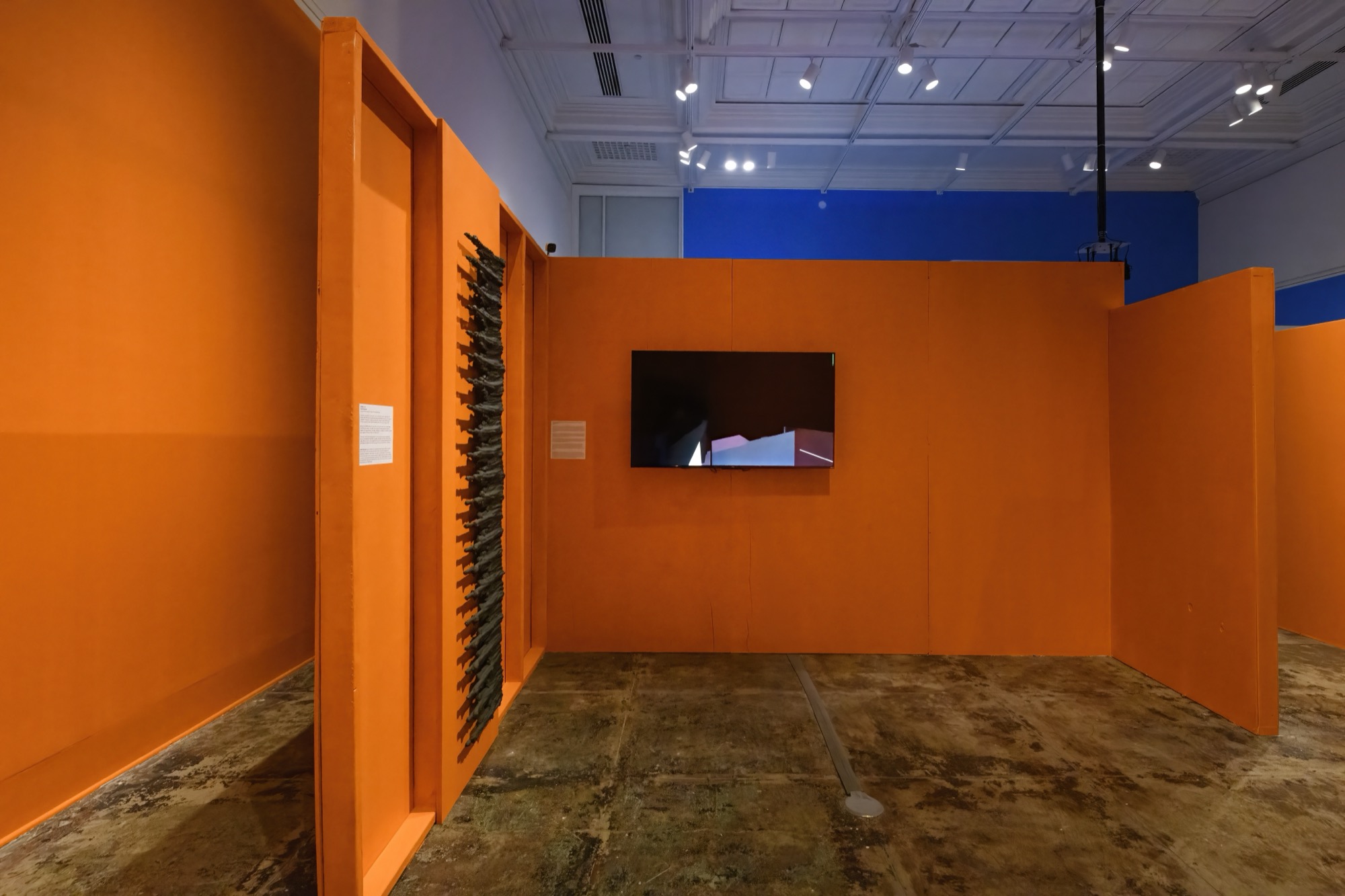
Morehshin Allahyari
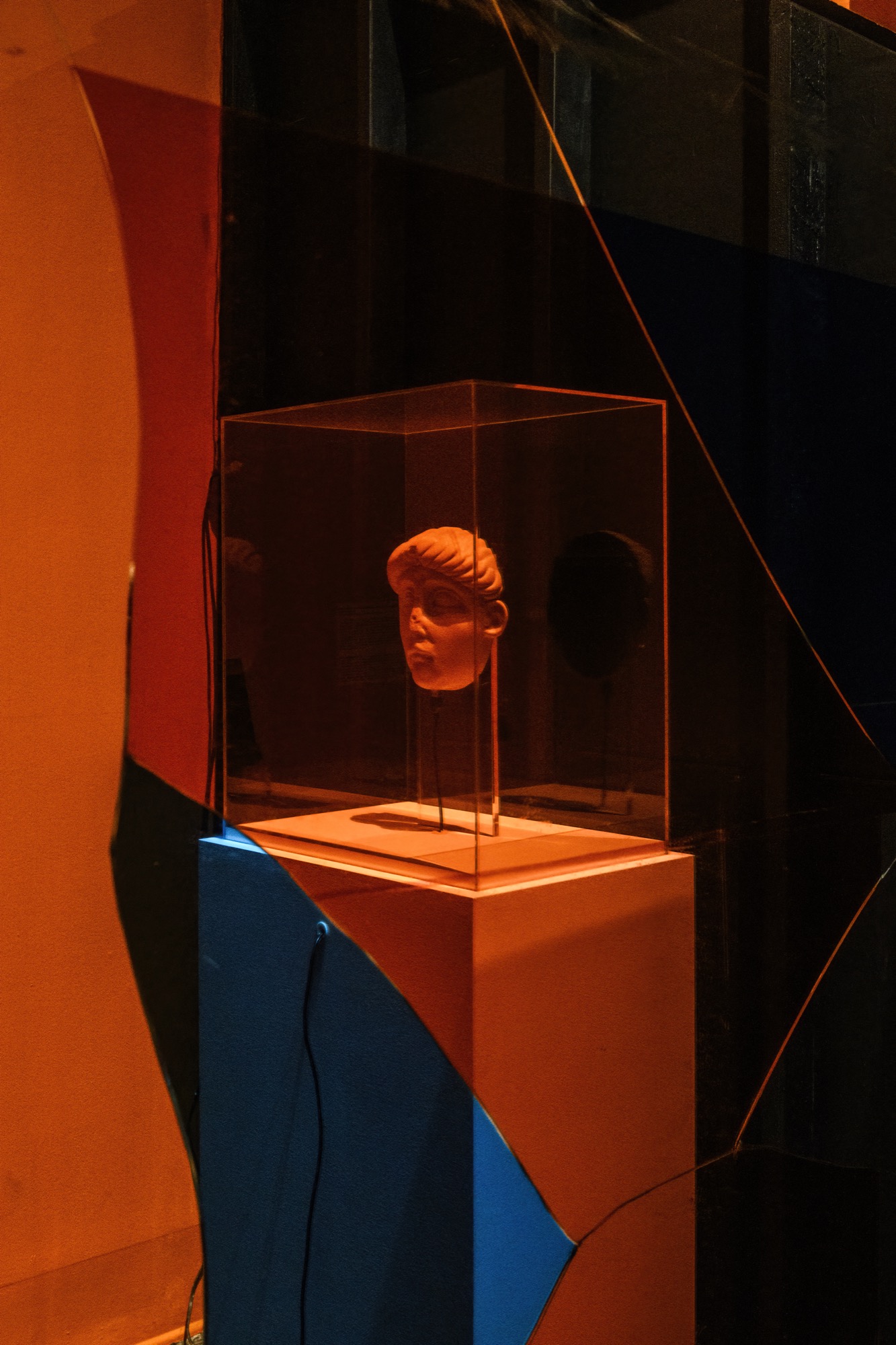
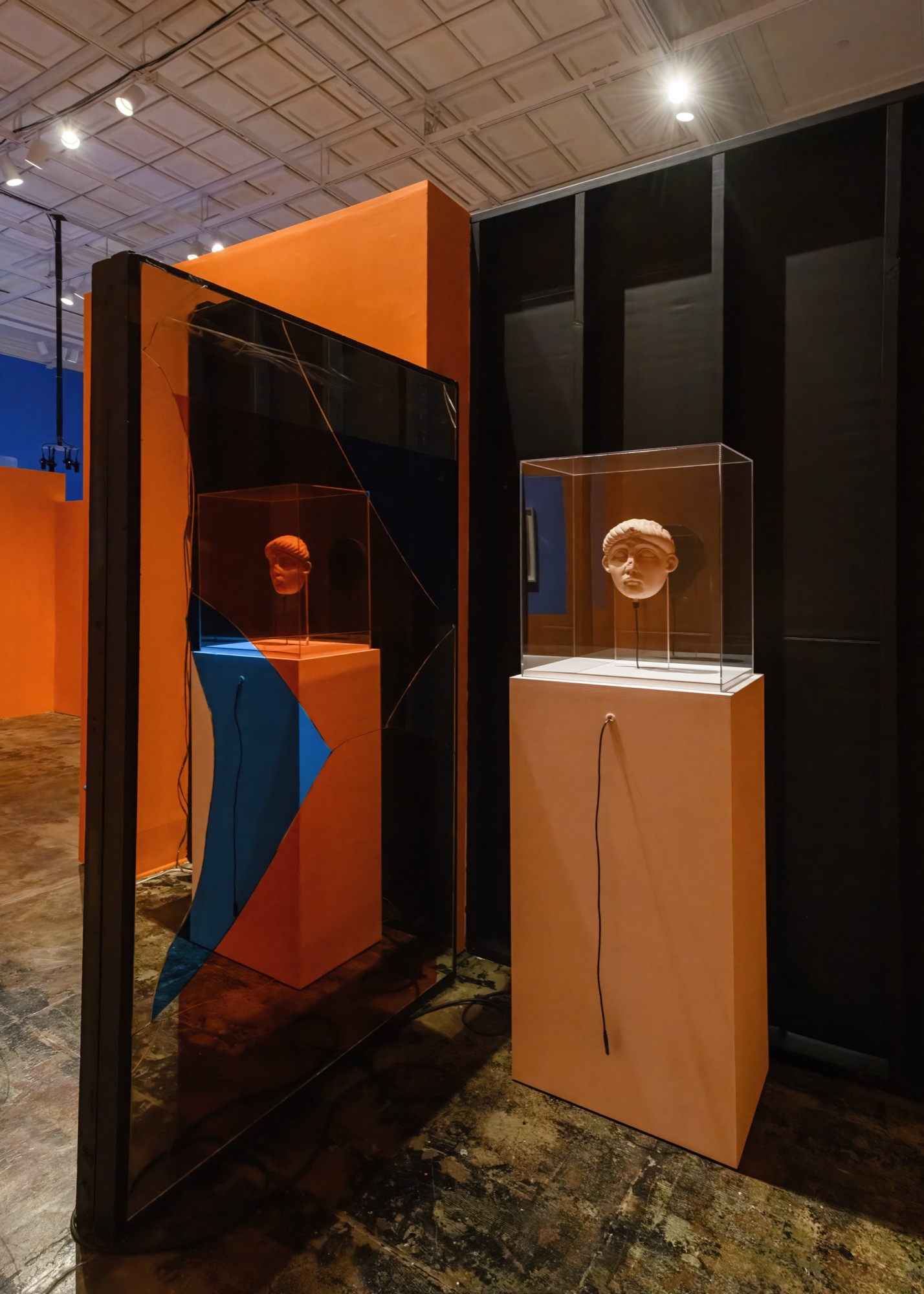
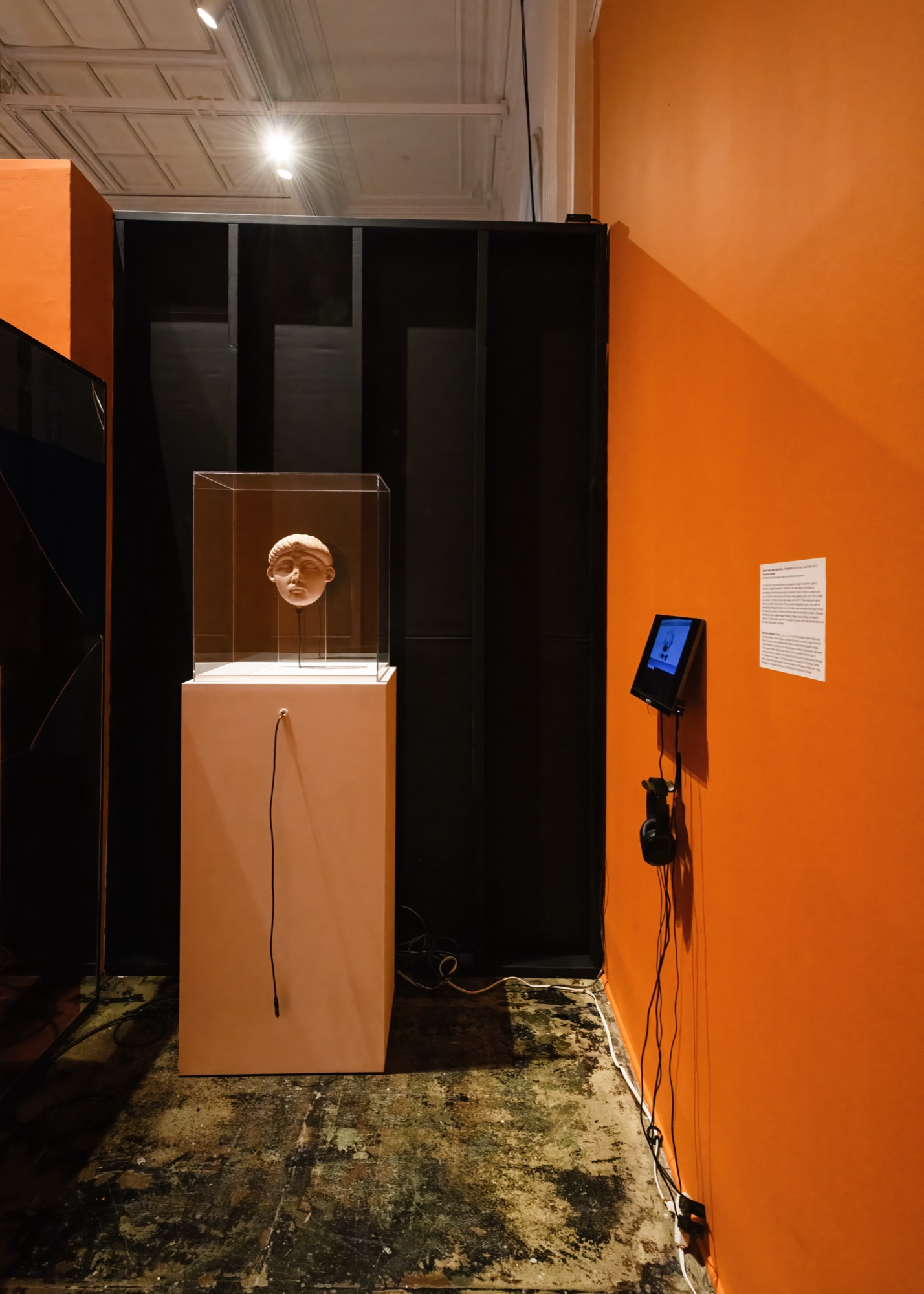
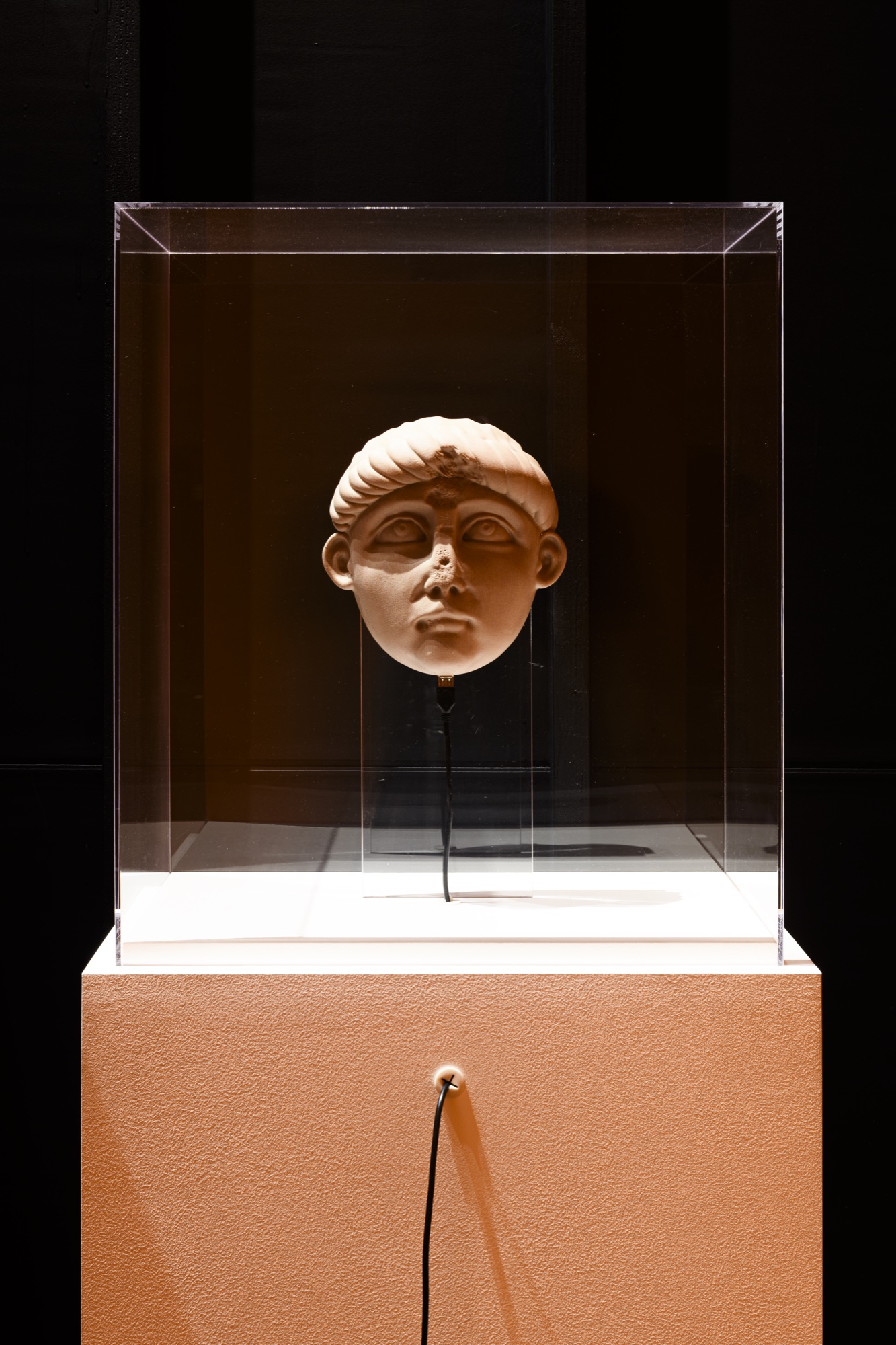
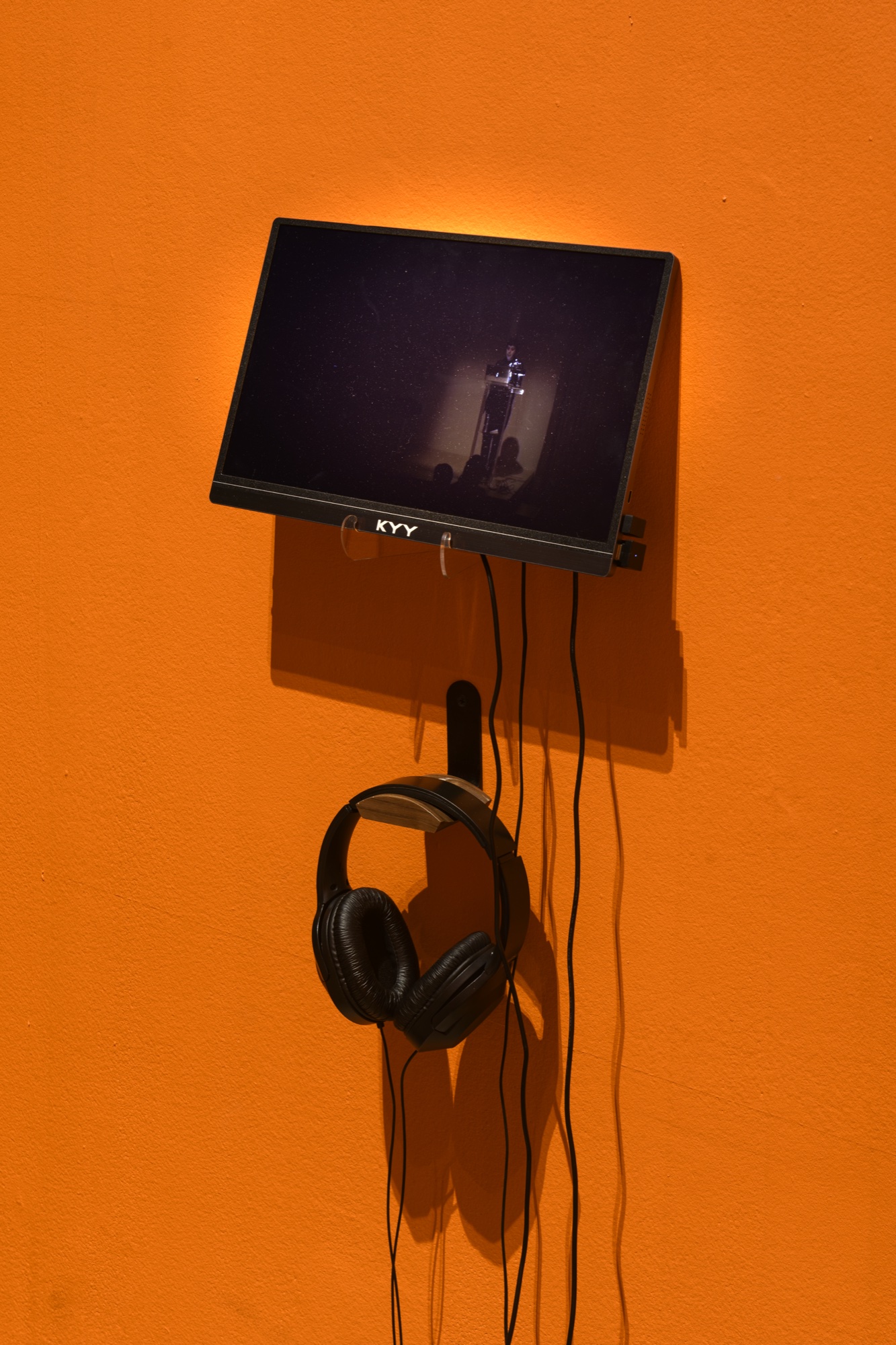
The South Ivan Series (dead drops) are an extension (though not formally a part) of Morehshin’s Material Speculation: ISIS series. The three heads in the series are reproductions of reliefs that were originally located at the ruins of Hatra, an ancient city in Iraq in South Ivan. Hatra was one of the ancient sites targeted by ISIS, and in 2015 a video was released of a fighter shooting these heads with an AK-47. These heads were above ground and visible in ancient times. They survived for thousands of years in the open air. Gertrude Bell photographed them in April 1911 before major excavations took place at Hatra. Each dead drop contains a USB drive, which the viewer can connect to in order to download Morehshin’s openly available research material (images, maps, pdf files, and videos) in addition to the 3D printable object file of the piece King Uthal, one of the reconstructions from her Material Speculation: Isis series.
Morehshin Allahyari (Persian: مورهشین اللهیاری) is a Bay Area based Iranian-Kurdish artist, using 3D simulation, video, sculpture, and digital fabrication as tools to re-figure myth and history. Through archival practices and storytelling, her work weaves together complex counternarratives in opposition to the lasting influence of Western technological colonialism in the context of MENA (Middle East and North Africa). Morehshin has been part of numerous exhibitions, festivals, and workshops around the world including Venice Biennale di Architettura, New Museum, The Whitney Museum of American Art, Pompidou Center, MoMa, Victoria and Albert Museum, Queens Museum, and Museum of Modern Art, Taipei. Morehshin is an assistant professor of Digital Media Art at Stanford University.
Paul DeMarinis
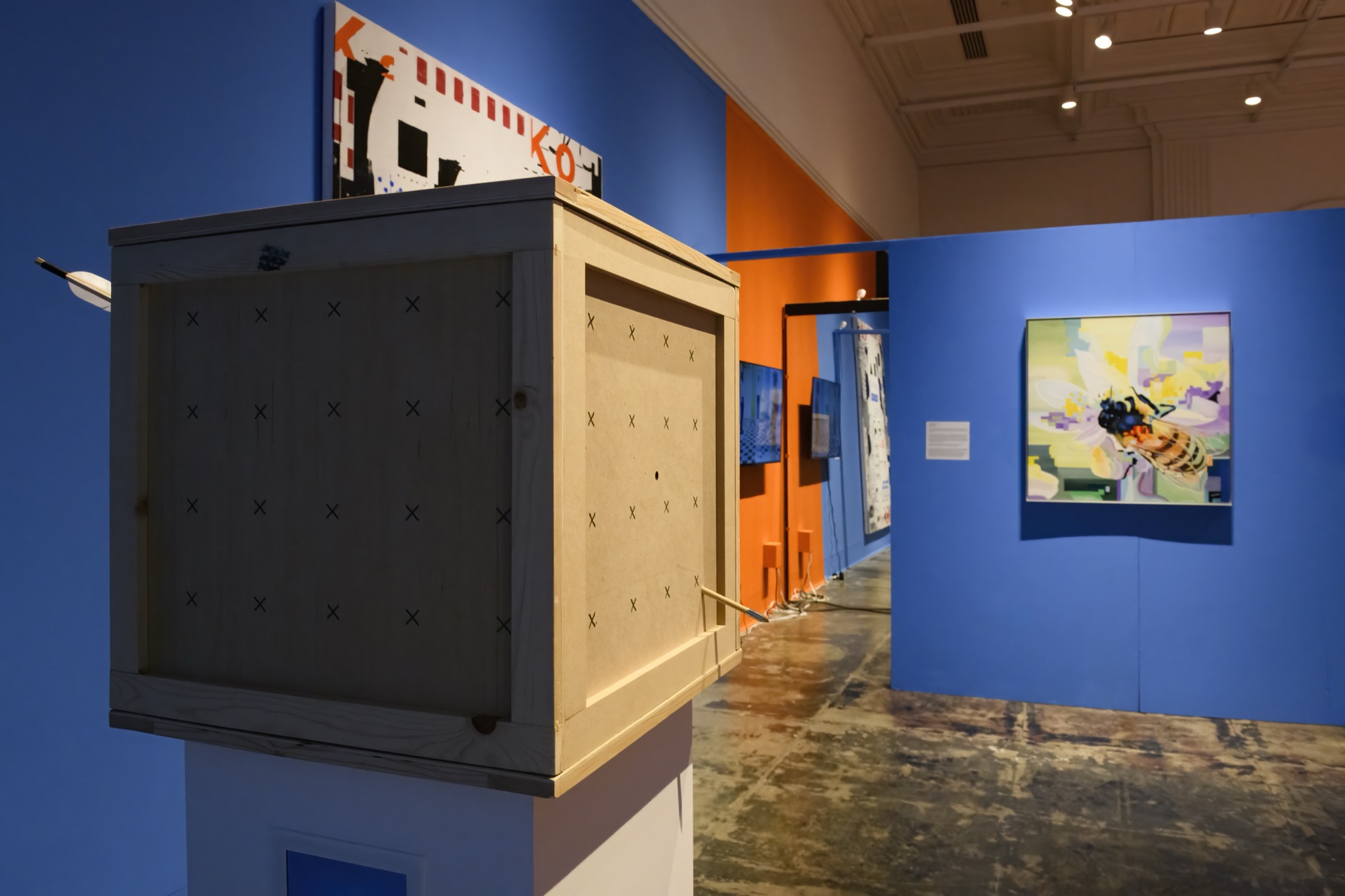
Much of my work in sound has visited the techniques of loop and dither—two different ways of stretching a sonic moment out into an eventful stasis within which the mind can hover, perhaps.
Working in sound is, quintessentially, working with time as a medium. As with all work that deeply concerns, eventually imponderable questions arise. The one that tasks me here, if removed from the realm of ideas and cast into the flat (tho’ hinged) world of words, might go something a little like this: How is it that our concept of time is observationally asymmetrical while it is representationally symmetrical? This work aims to schematize this conundrum and along the way to make a modest offering to the unhinged muse of puns, may there be one.
Afterthought: in truth sonic time is a little different in concept, inasmuch as it seems to have an interior and an exterior. However, being devoid of location, it basically adds up to the same thing, except the puns would be different.
Net result: no questions answered, no problems solved; pure research. Enjoy the aporiae.
Paul DeMarinis has been making noises with wires, batteries and household appliances since the age of four. He has worked in the areas of interactive software, synthetic speech, noise and obsolete or impossible media. He has presented his installations, performances and artworks widely.
Rebecca Baron & Doug Goodwin
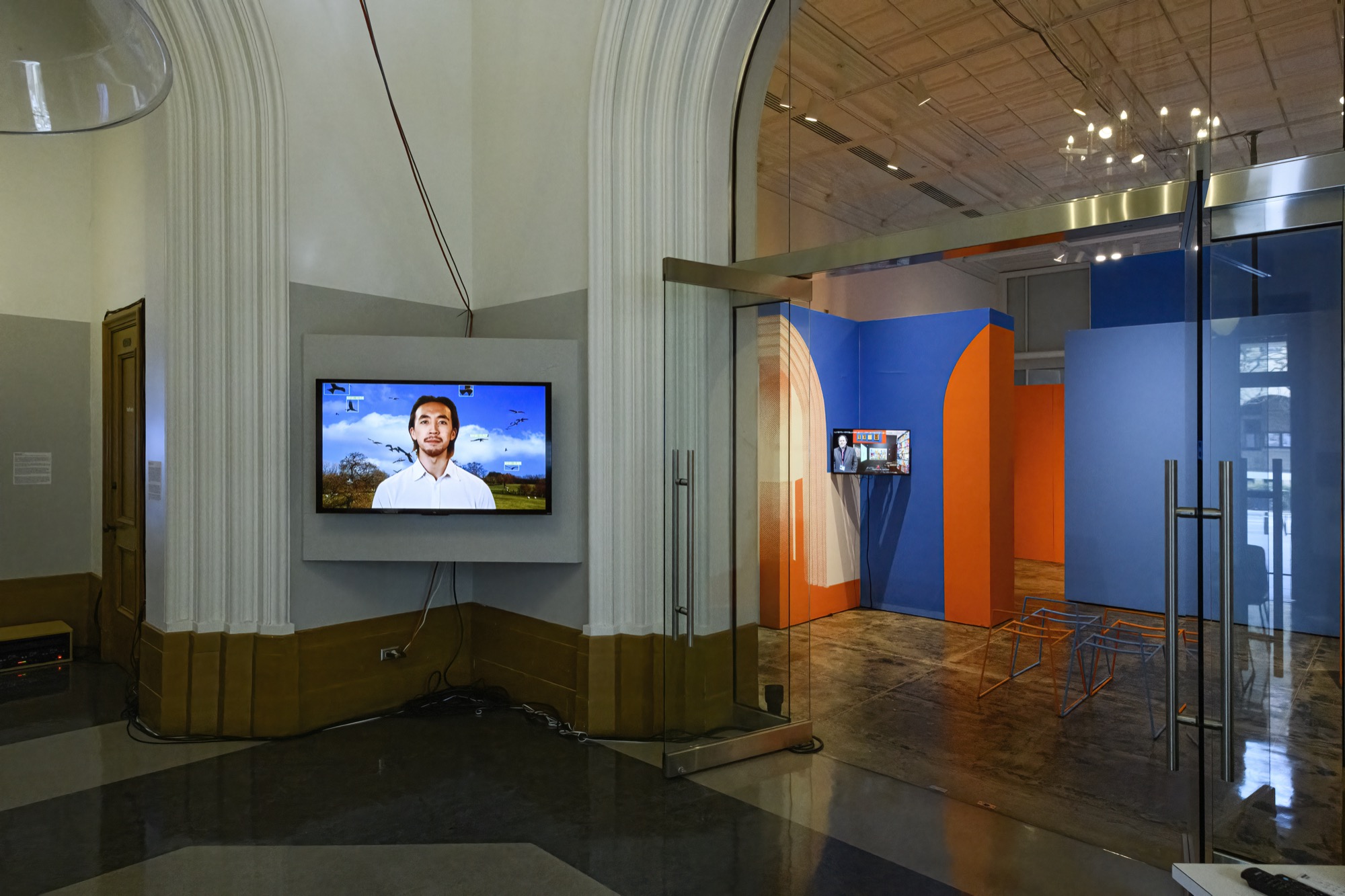
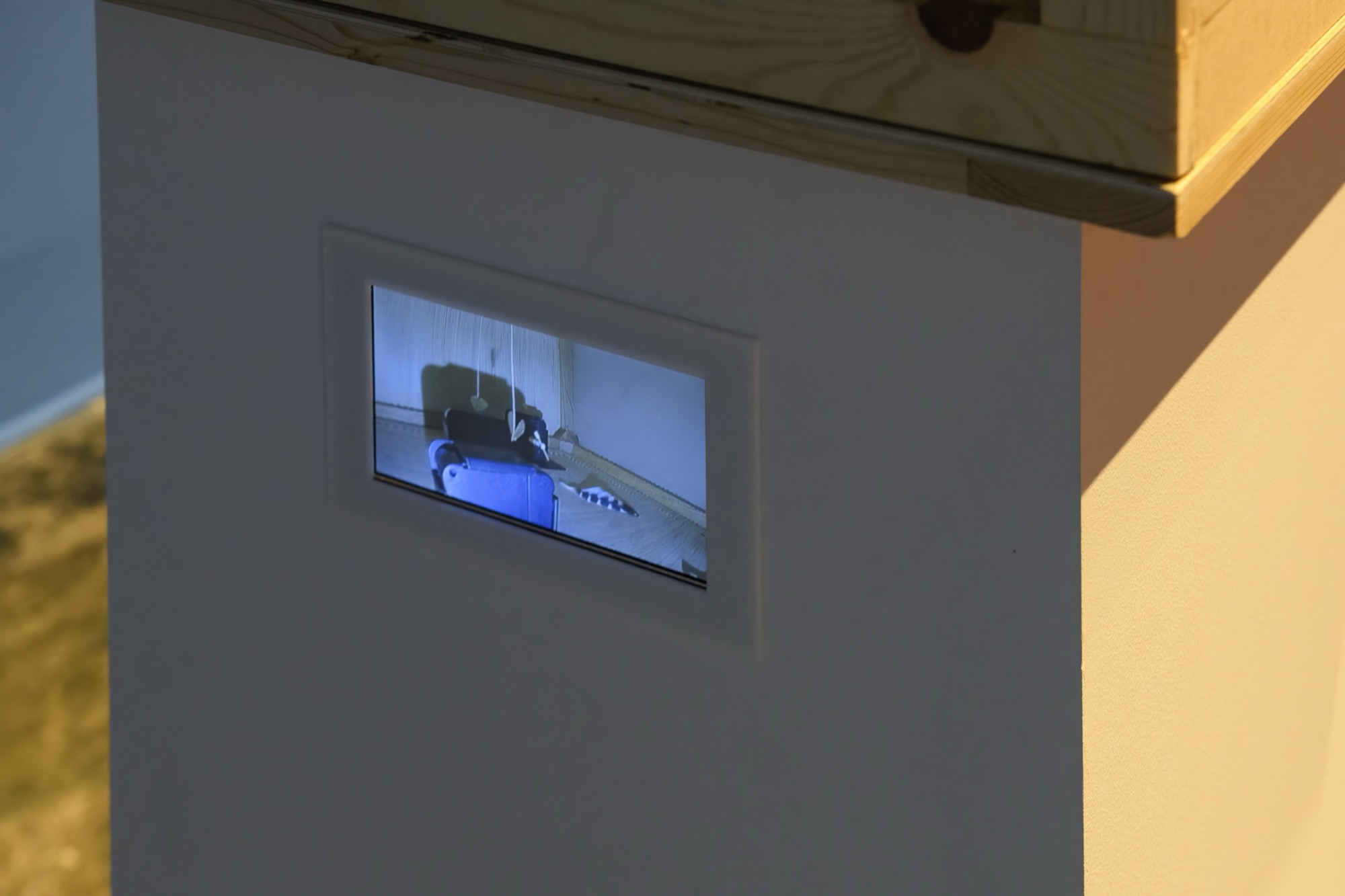
Nearest Neighbor is a sharply observed essay film by Rebecca Baron and Douglas Goodwin that examines humans, animals, and machines reaching toward one another in imperfect attempts to connect. Beginning from the seemingly modest premise of contemporary birdwatching, the film turns language acquisition and mimicry into a screwy machine-learning experiment, exploring communication between humans, birds, and artificial intelligence. Historical tools of ornithology and mechanical imitation give way to AI systems that promise not only to analyze birdsong but to converse with it, producing absurd, unsettling, and at times comic inversions in which humans struggle to learn from their own machines and speak back in alien tongues. Through deliberately playful yet rigorously staged experiments in AI-generated image and sound, Nearest Neighbor probes questions of learning, consciousness, and understanding, situating transhumanist fantasy alongside ecological precarity and mass avian extinction, and asking how far we are willing to go in outsourcing perception itself.
Doug Goodwin is an artist and filmmaker whose work examines how technological mediation reshapes perception, language, and claims to truth. Working across film, computational photography, artificial intelligence, and interactive systems, his projects test the boundary between mechanical process and human experience. His work includes Artifact #1, which transforms iconic cinema into abstract studies of light and motion. With a background in experimental theater and writing, Goodwin’s practice foregrounds what he describes as “authentic synthesis” between technological possibility and lived perception.
Rebecca Baron is a filmmaker based in Los Angeles. She is best known for her essay films that explore the changing nature of image-making and the construction of history. She is particularly interested in the politics of archives and in still photography’s relationship to the moving image. In collaboration with Doug Goodwin, she has most recently been investigating the vicissitudes of AI, machine learning and database design in relation to cinematic expression.
Shane Denson
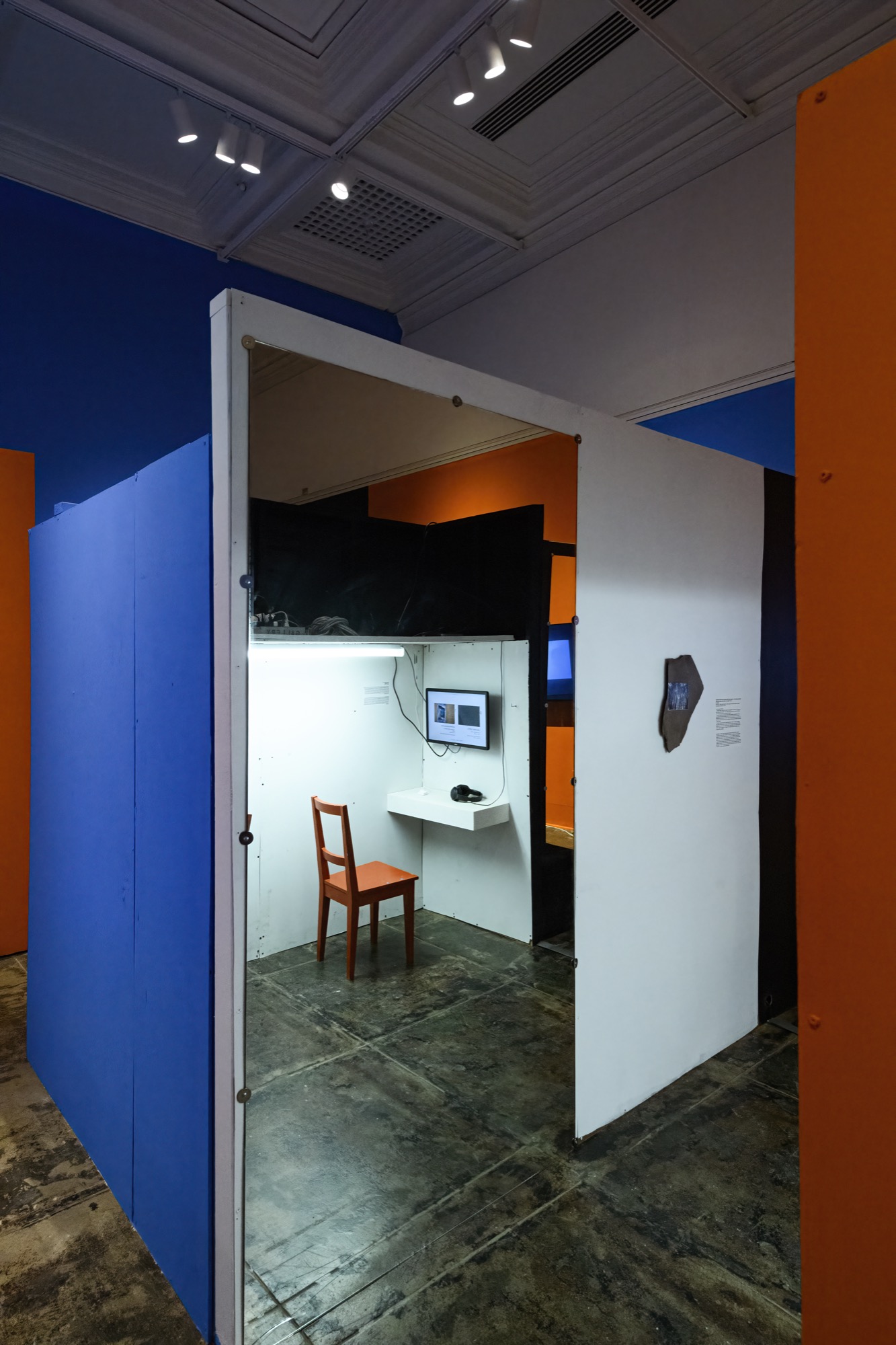
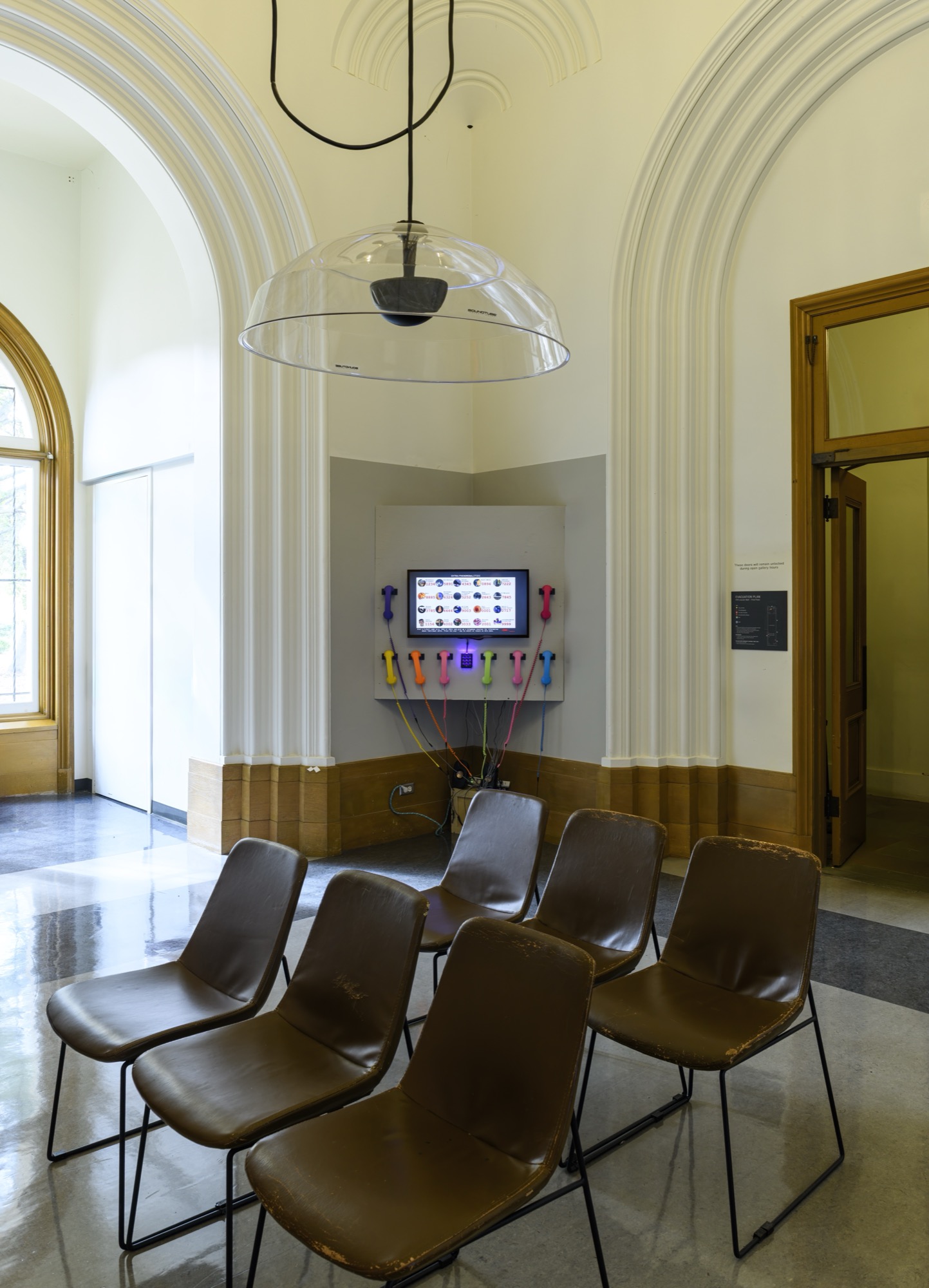
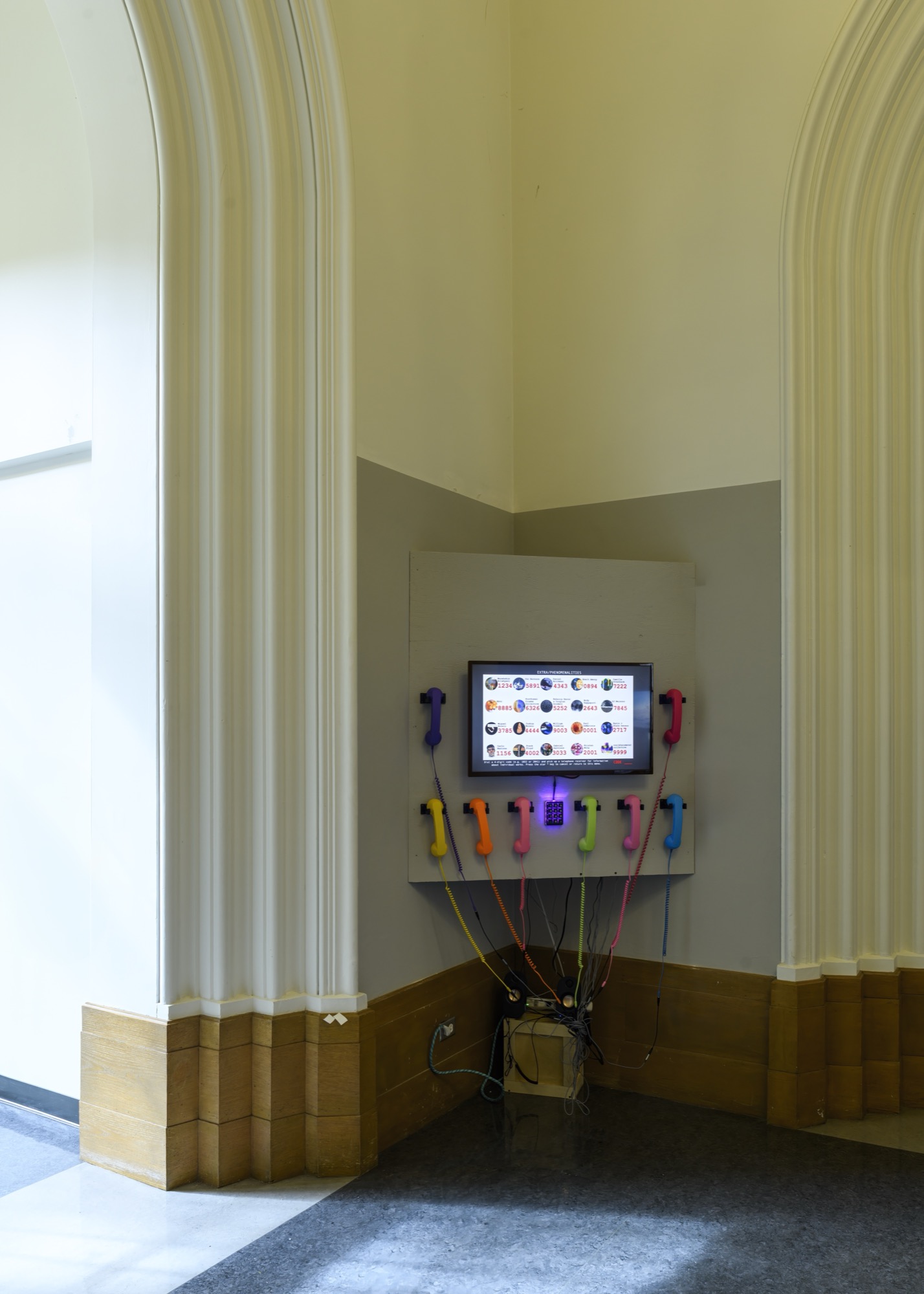
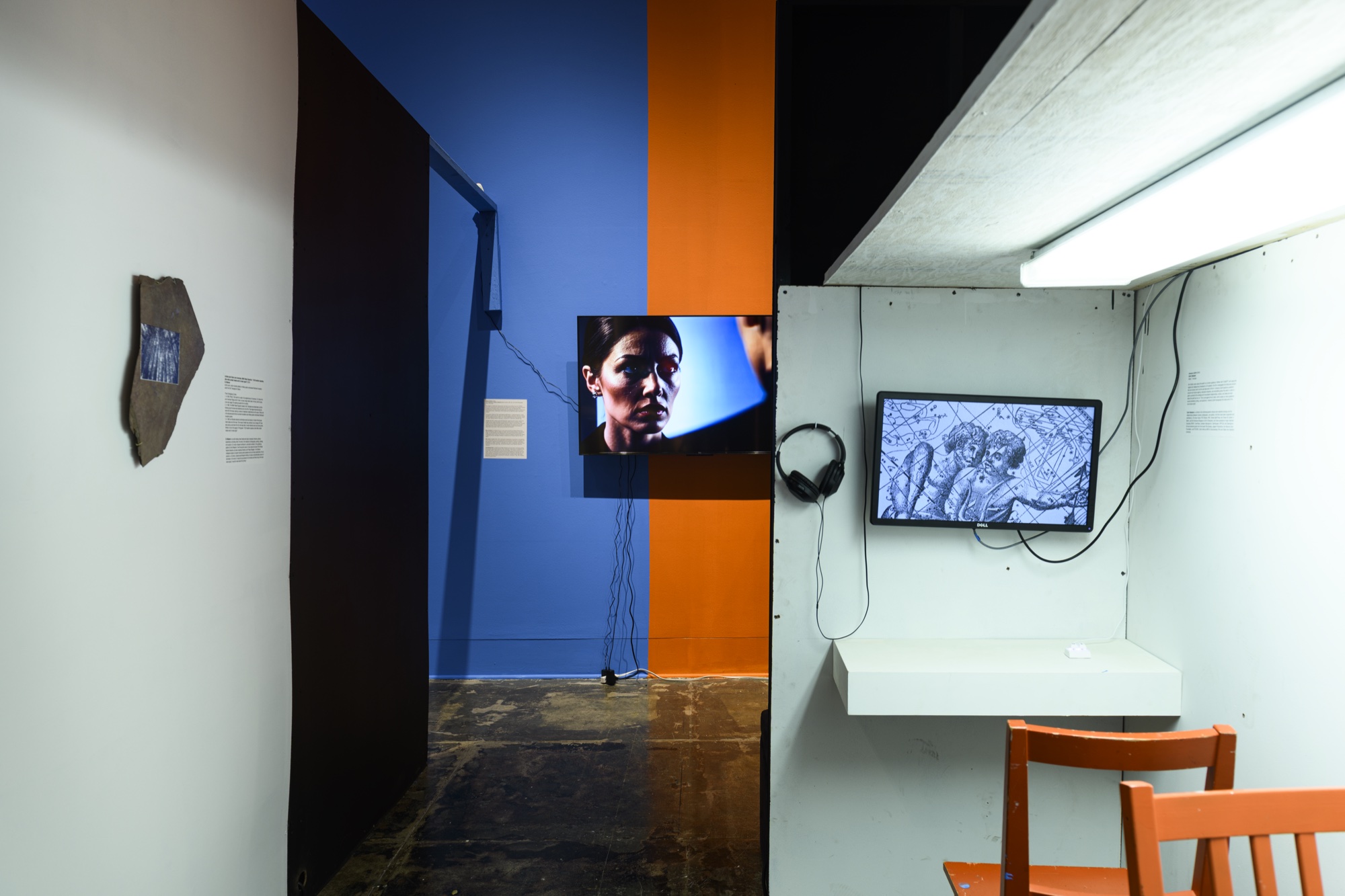
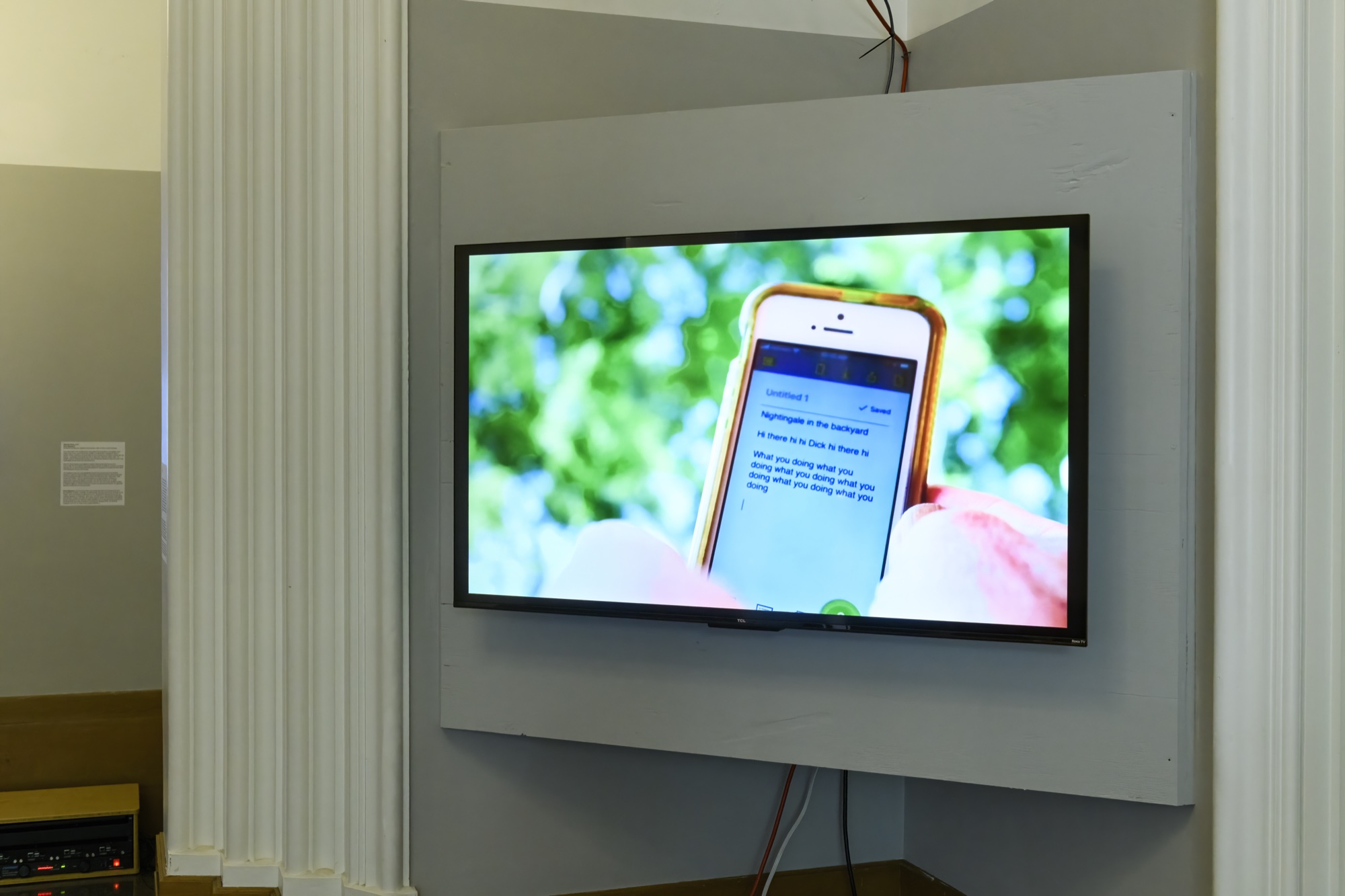
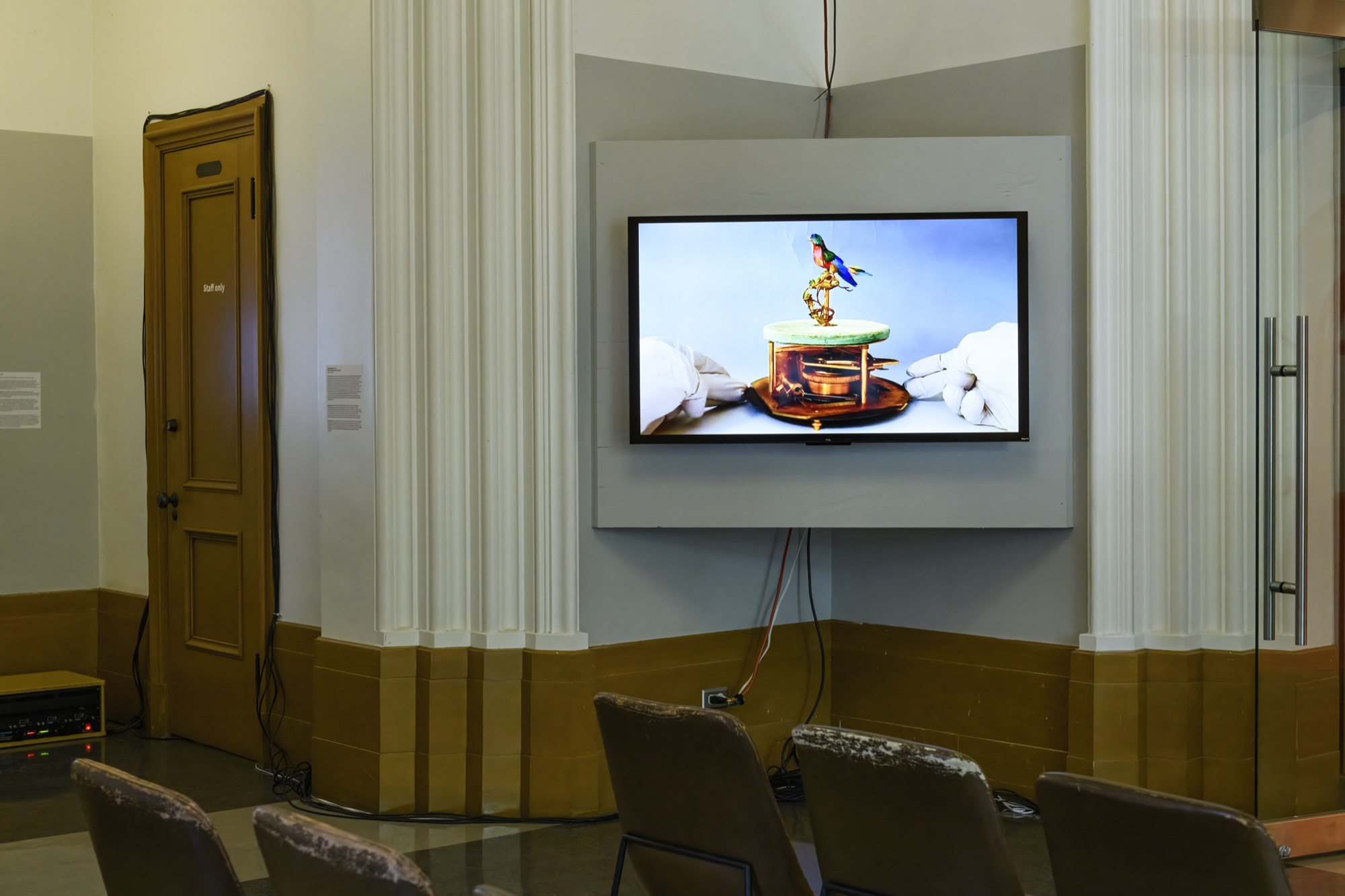
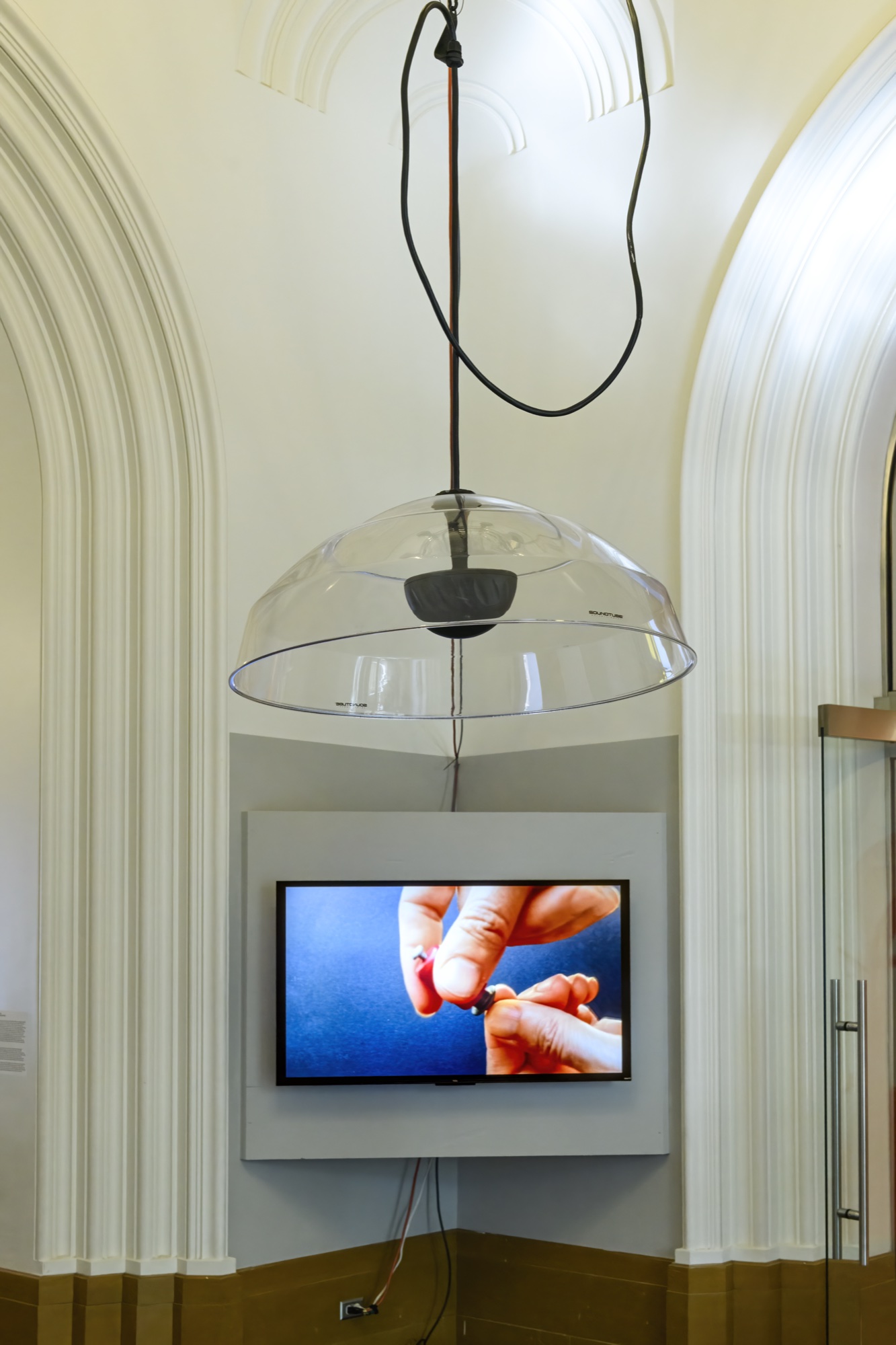
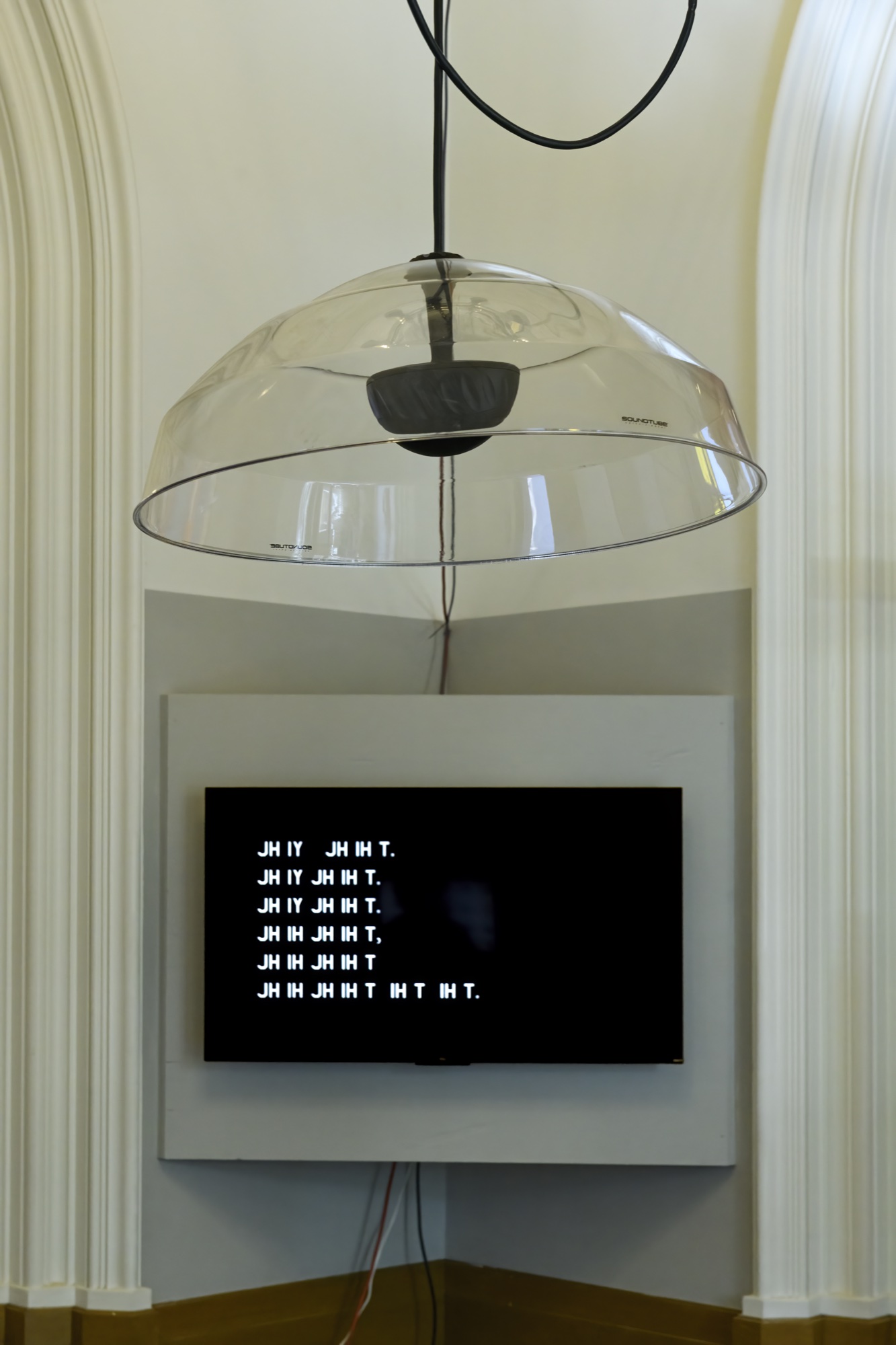
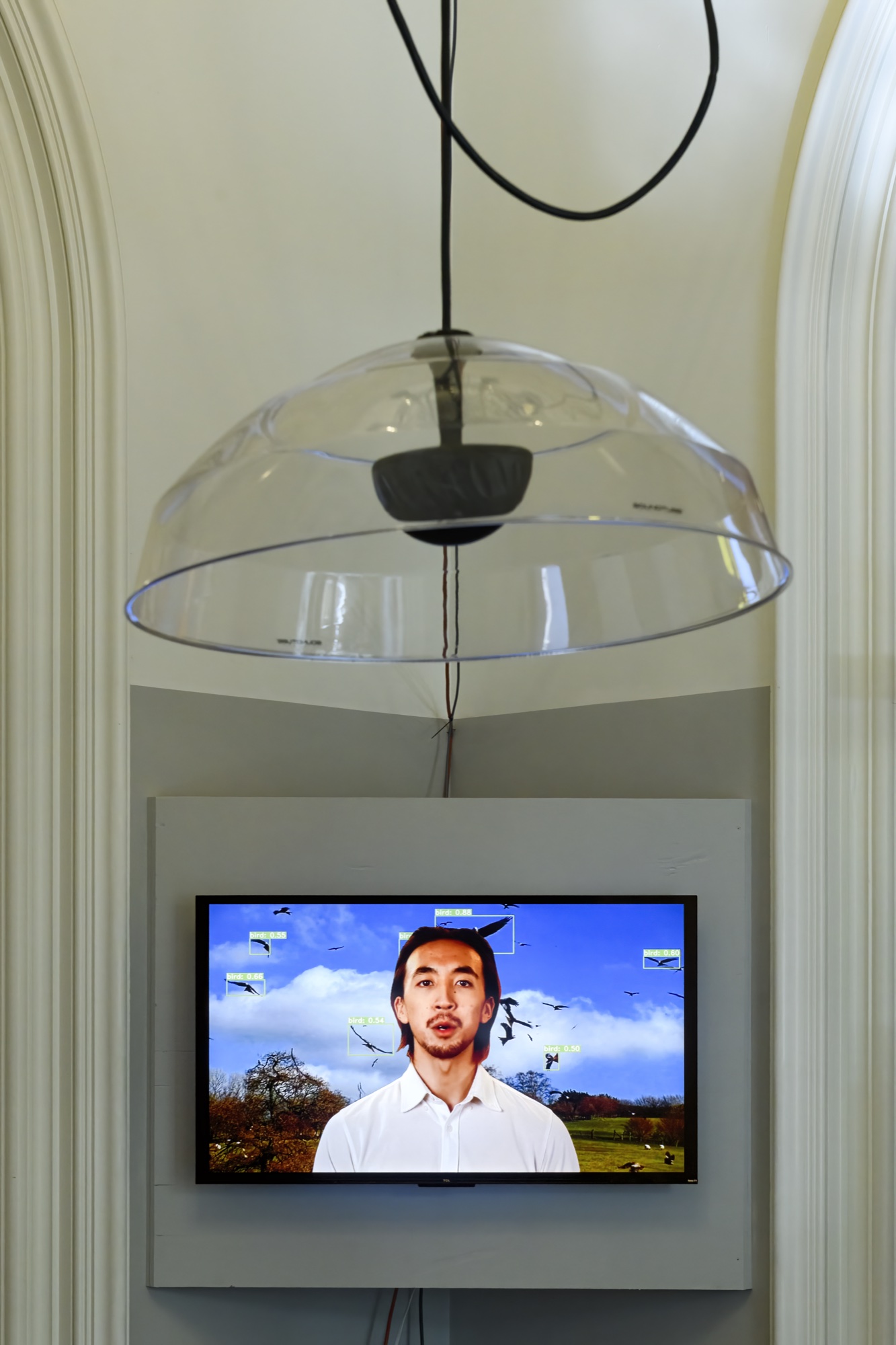
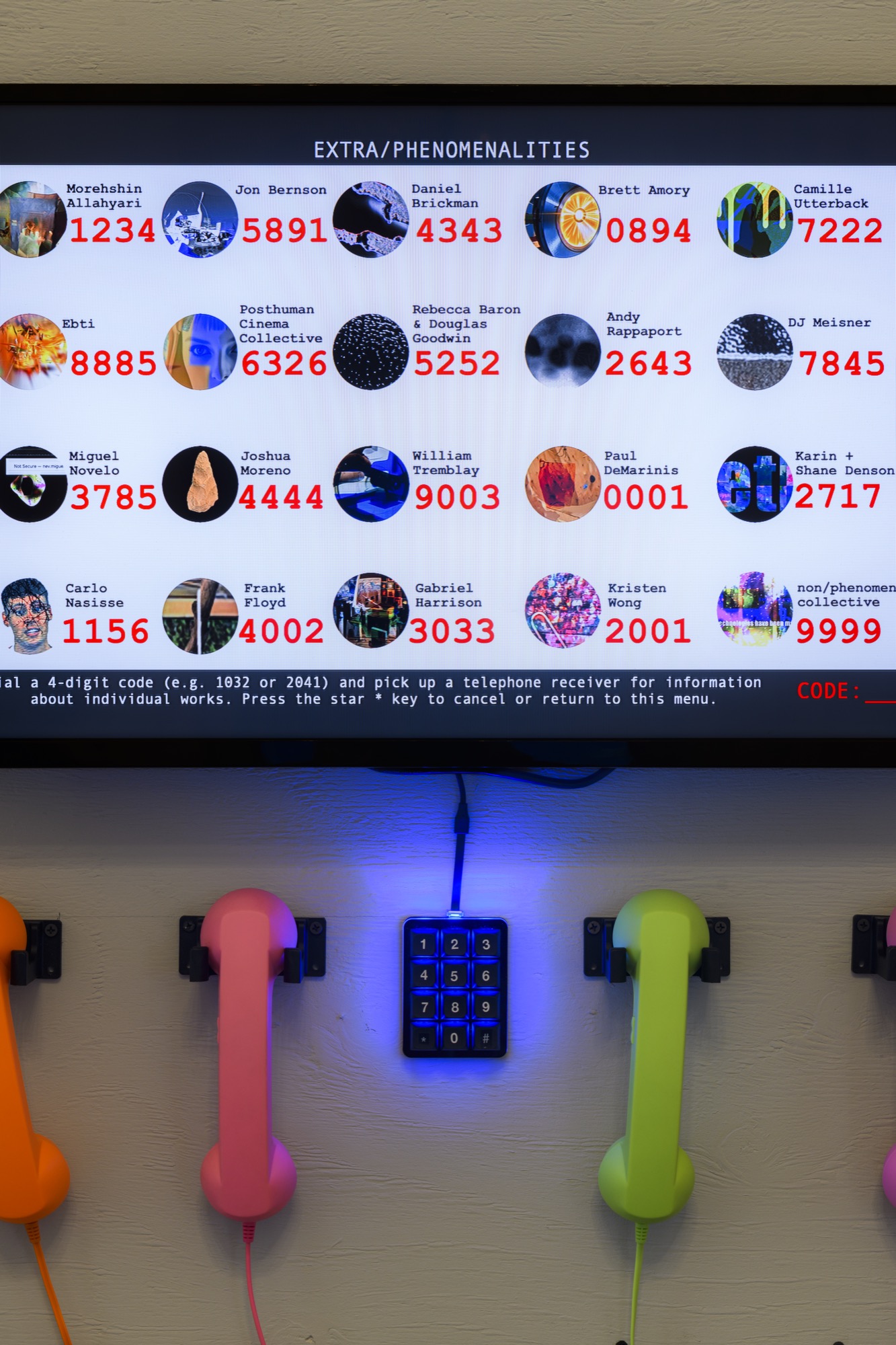
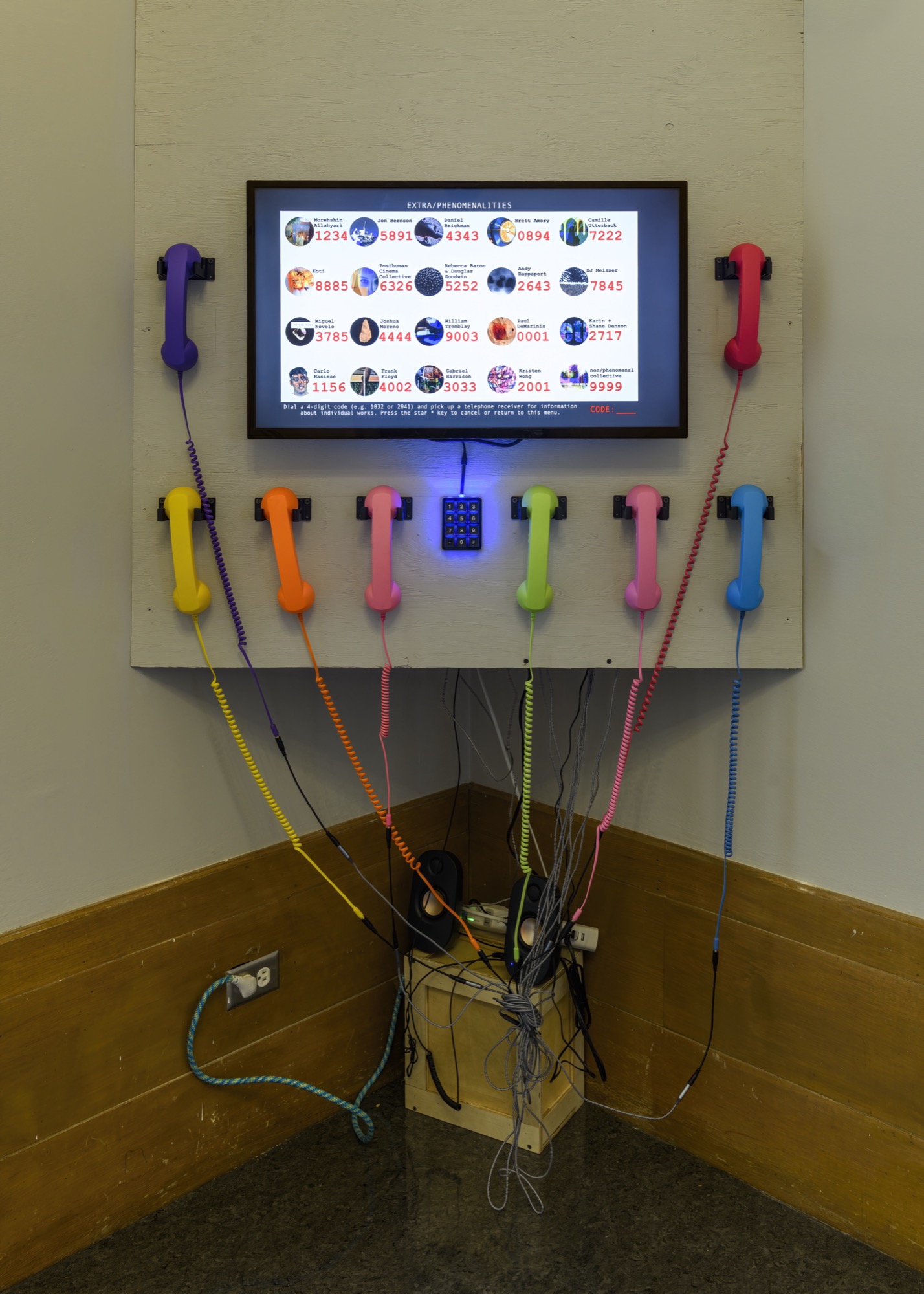
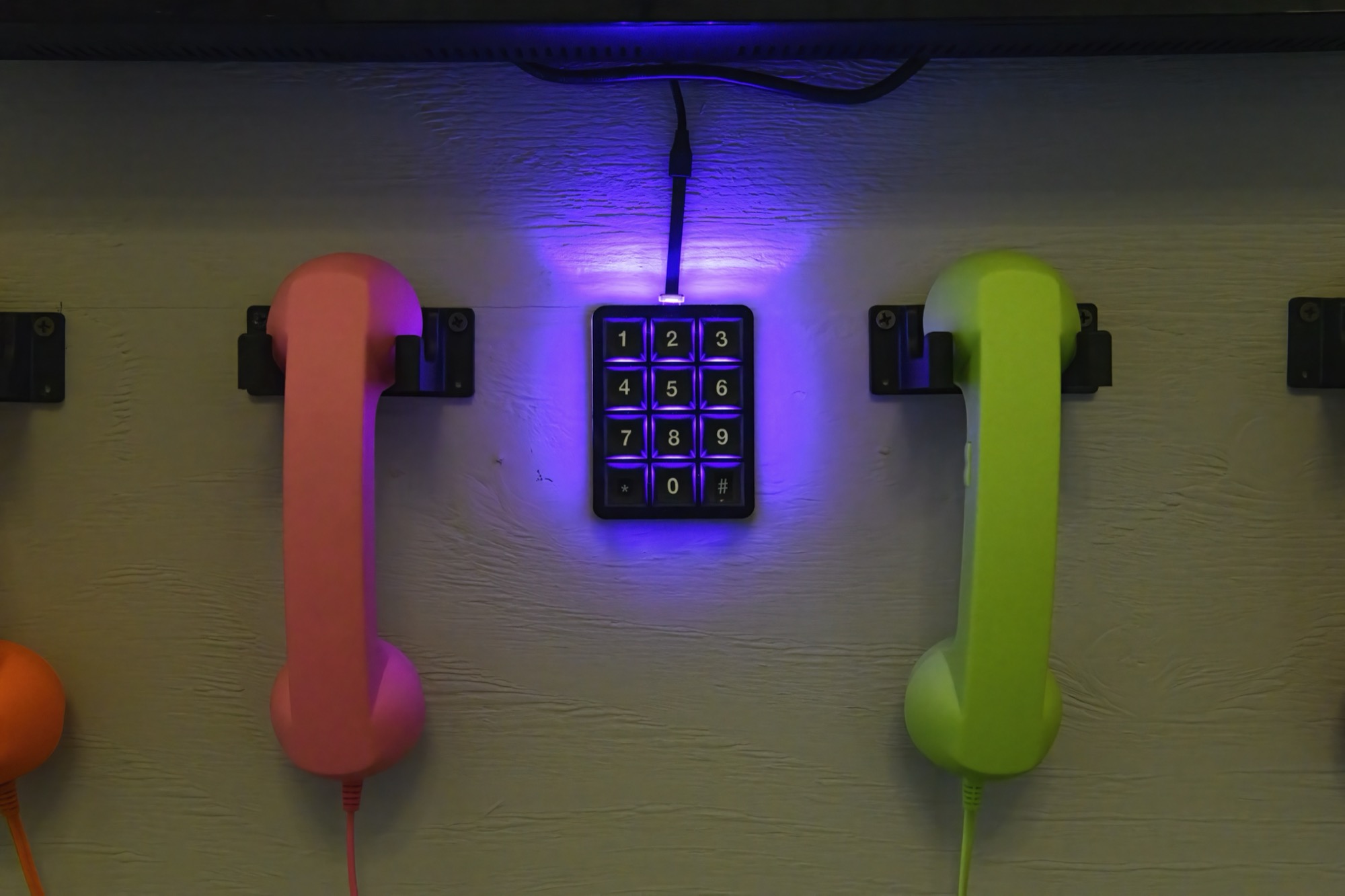
This installation frames twenty videos, each inspired conceptually and materially by the work of a participating artist, which the viewer can choose by dialing its designated code or “phone number.” The videos are bite-sized (or byte-sized, i.e. small enough for social media distribution as teasers for the exhibition) but oblique and not easily digestible. The spoken audio derives from extended artist statements, run through custom voice models trained on the voices of the show’s curators—rendering indeterminate and dislocating the seat of authorial and expressive agency. The visuals are produced through a variety of chance-based logics and procedural algorithms, some manual and some computational (e.g. cut-ups and collages, machine-learning driven photogrammetry, vibe-coded flocking algorithms, or glitchy and randomly chosen traversals of works). Each video draws either physically or spiritually on the artist’s work in the show but refuses to provide a clear or direct view of it.
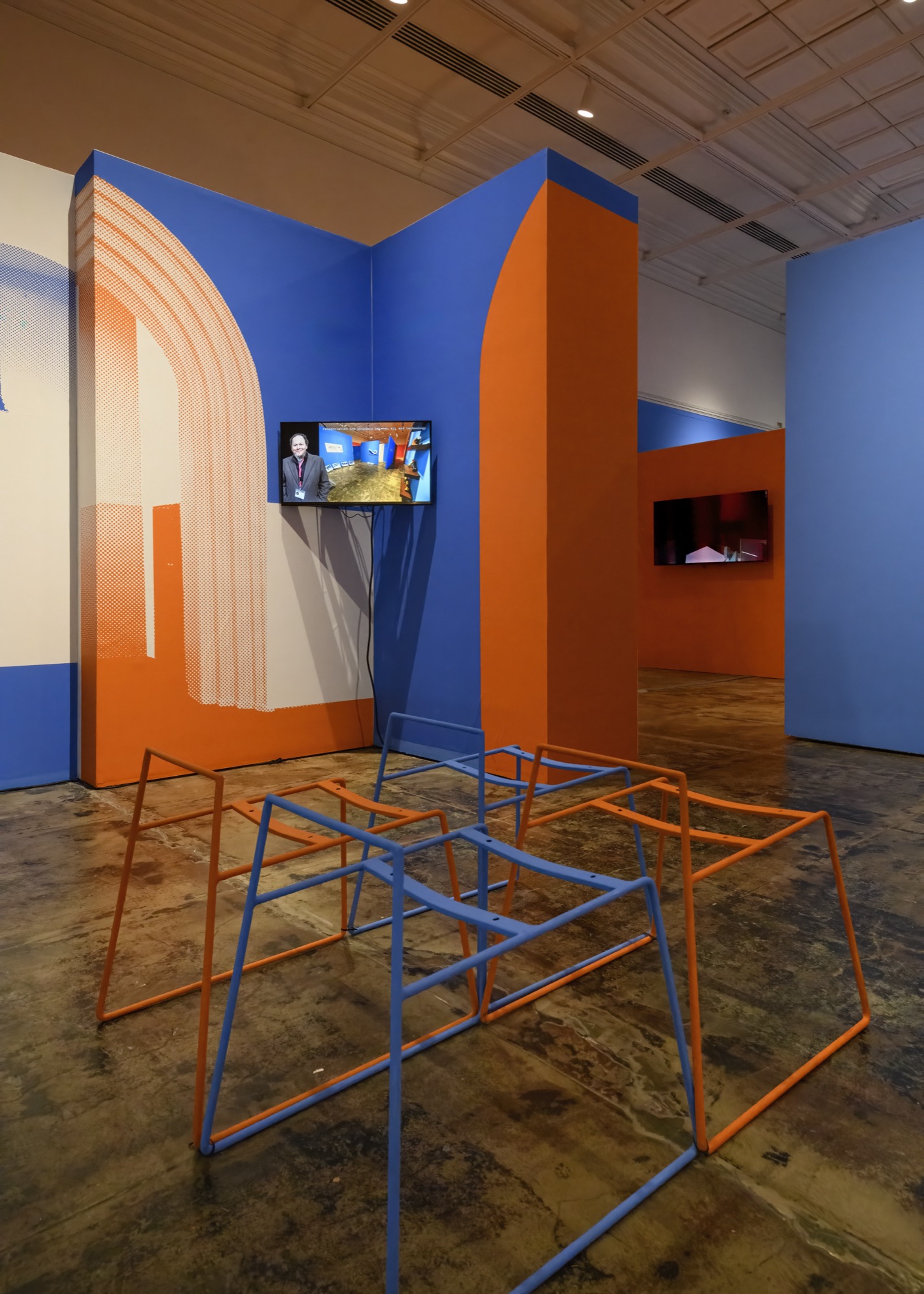
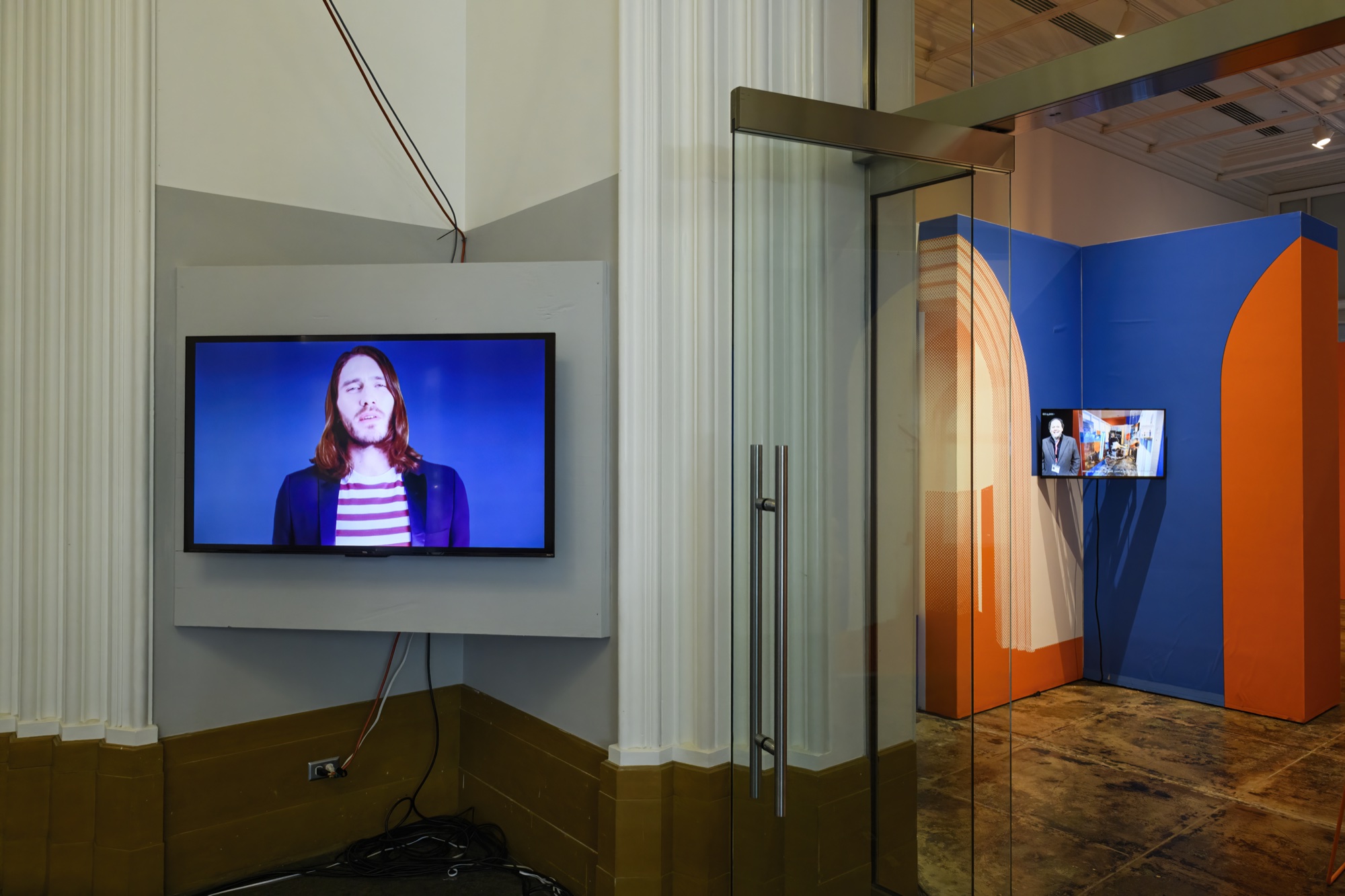
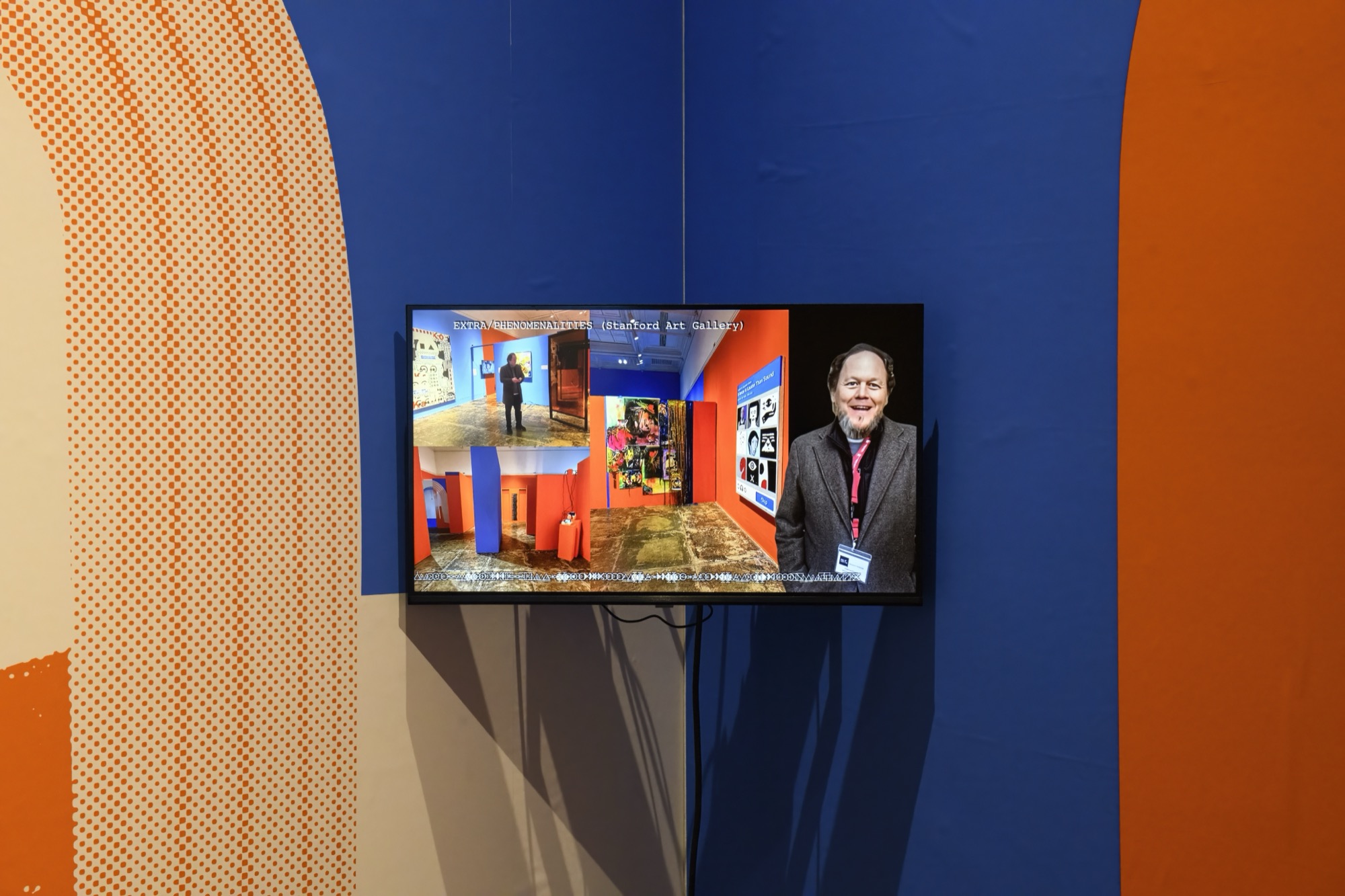
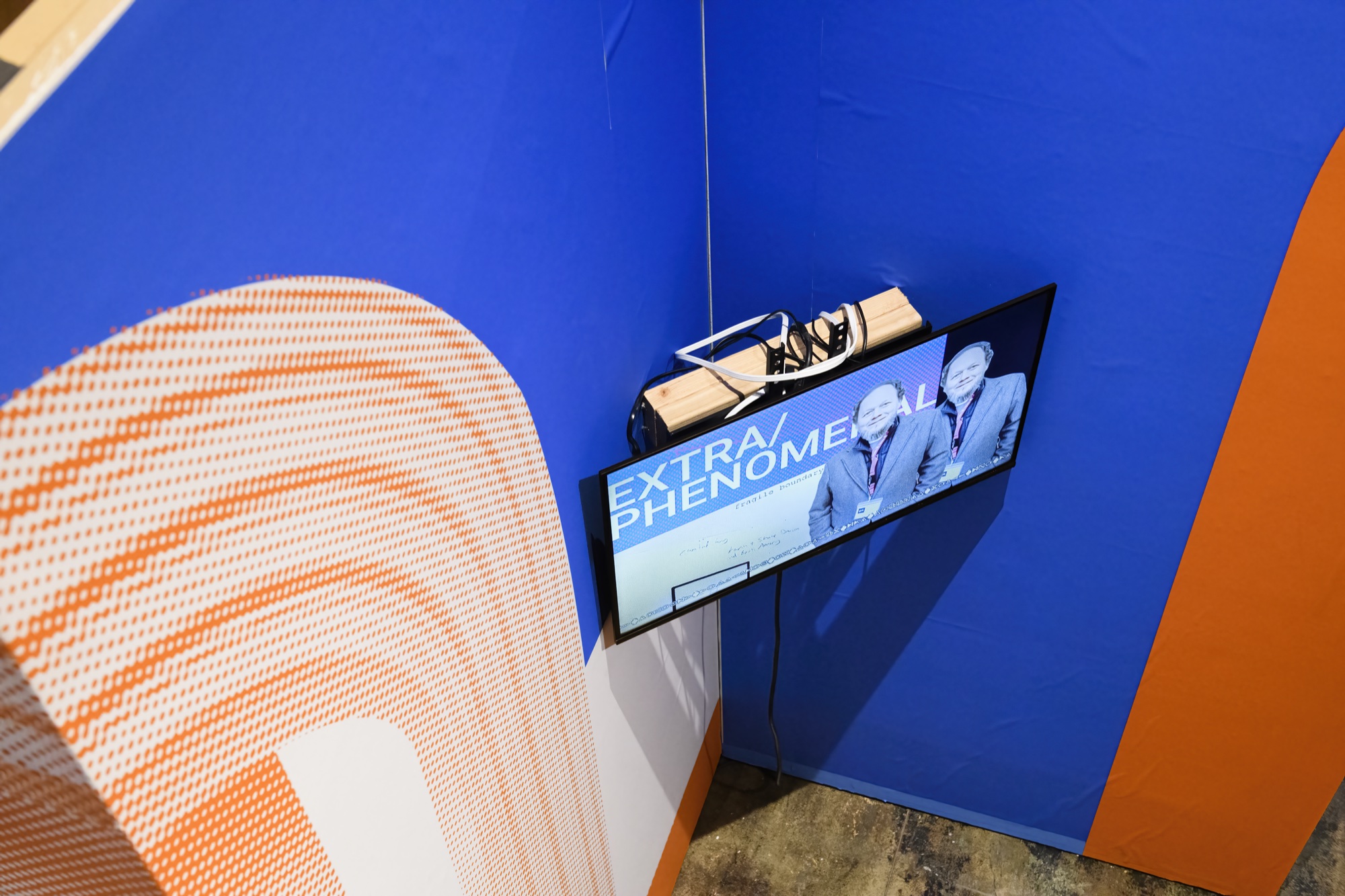
Extra/Phenomenal PechaKucha is a recursively framed video piece based on a PechaKucha presentation about the two exhibitions of the non/phenomenal collective, NON/PHENOMENALITIES and EXTRA/PHENOMENALITIES. Outlining our curatorial, artistic, and theoretical interventions, it explores how art can register the invisible forces — algorithmic, ecological, and perceptual — that shape experience today.
Shane Denson is a theorist and practitioner of media with a special focus on comparative aesthetics and phenomenology. Recent work deals with the embodied, imaginative, and conceptual dimensions of our encounters with computational systems, including AI, and what they mean for aesthetic experience. Denson is Professor of Film & Media Studies in the Department of Art & Art History at Stanford University. With Brett Amory and Karin Denson, he is a founding member of the non/phenomenal art and curatorial collective.
William Tremblay
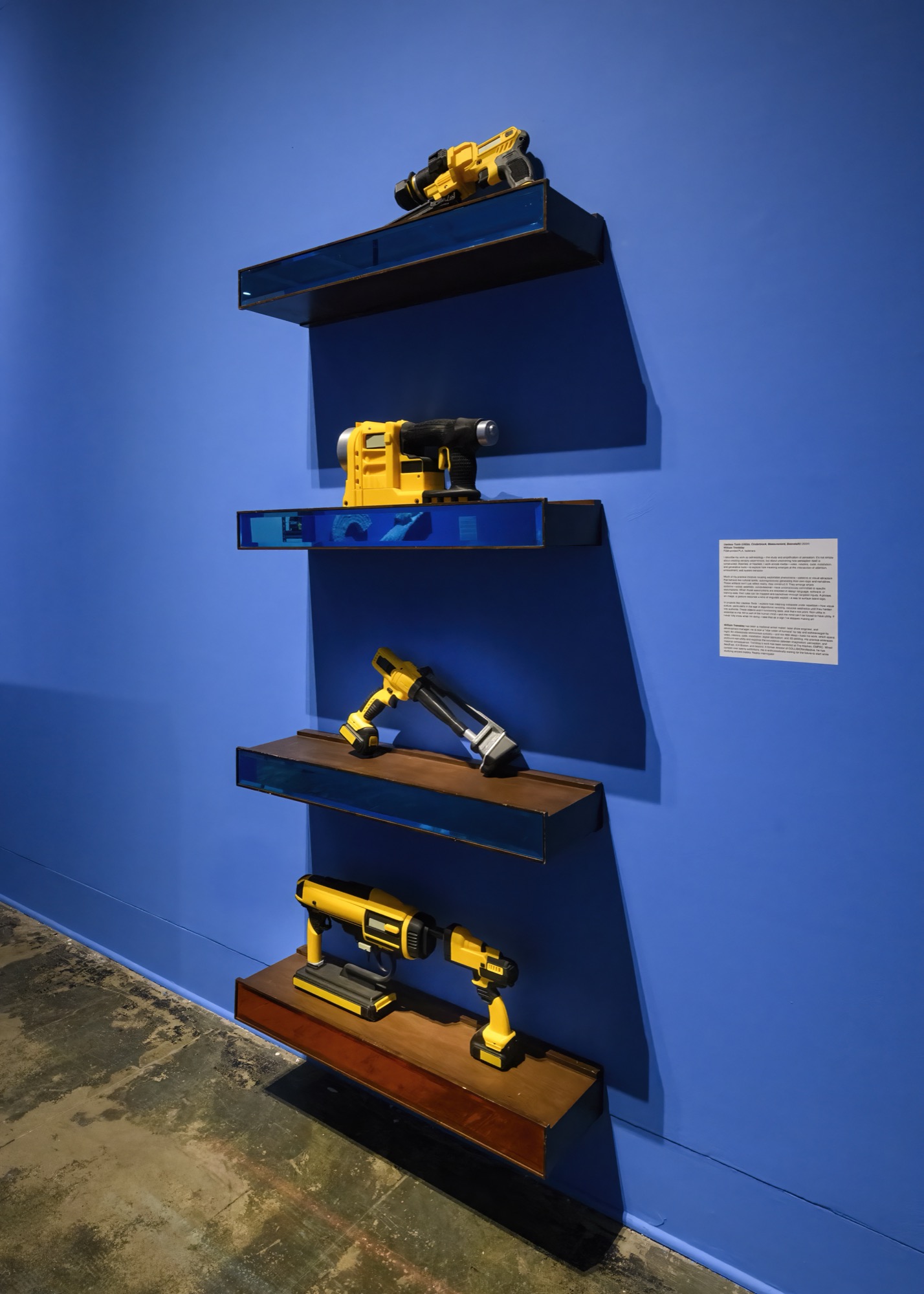
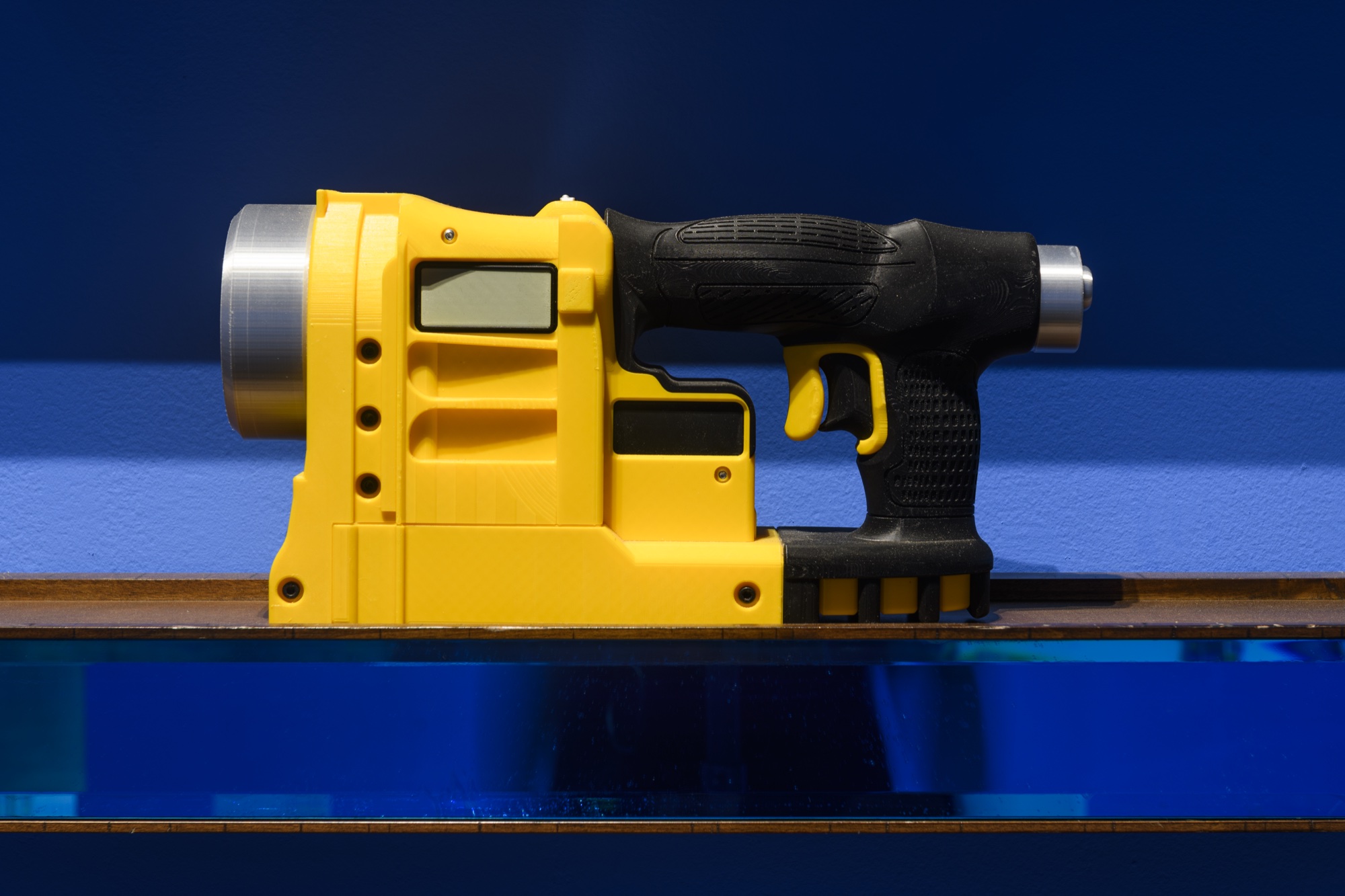
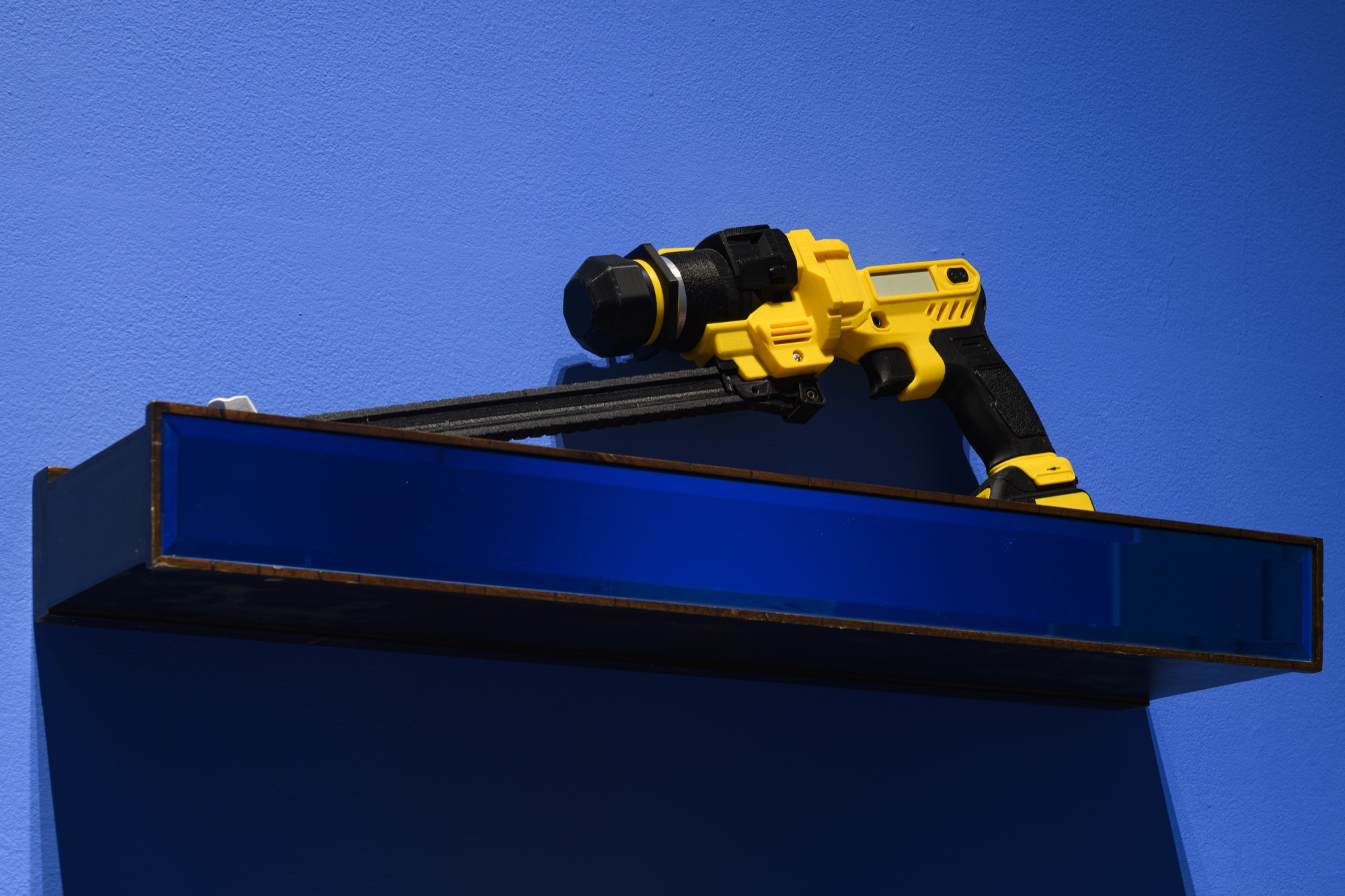
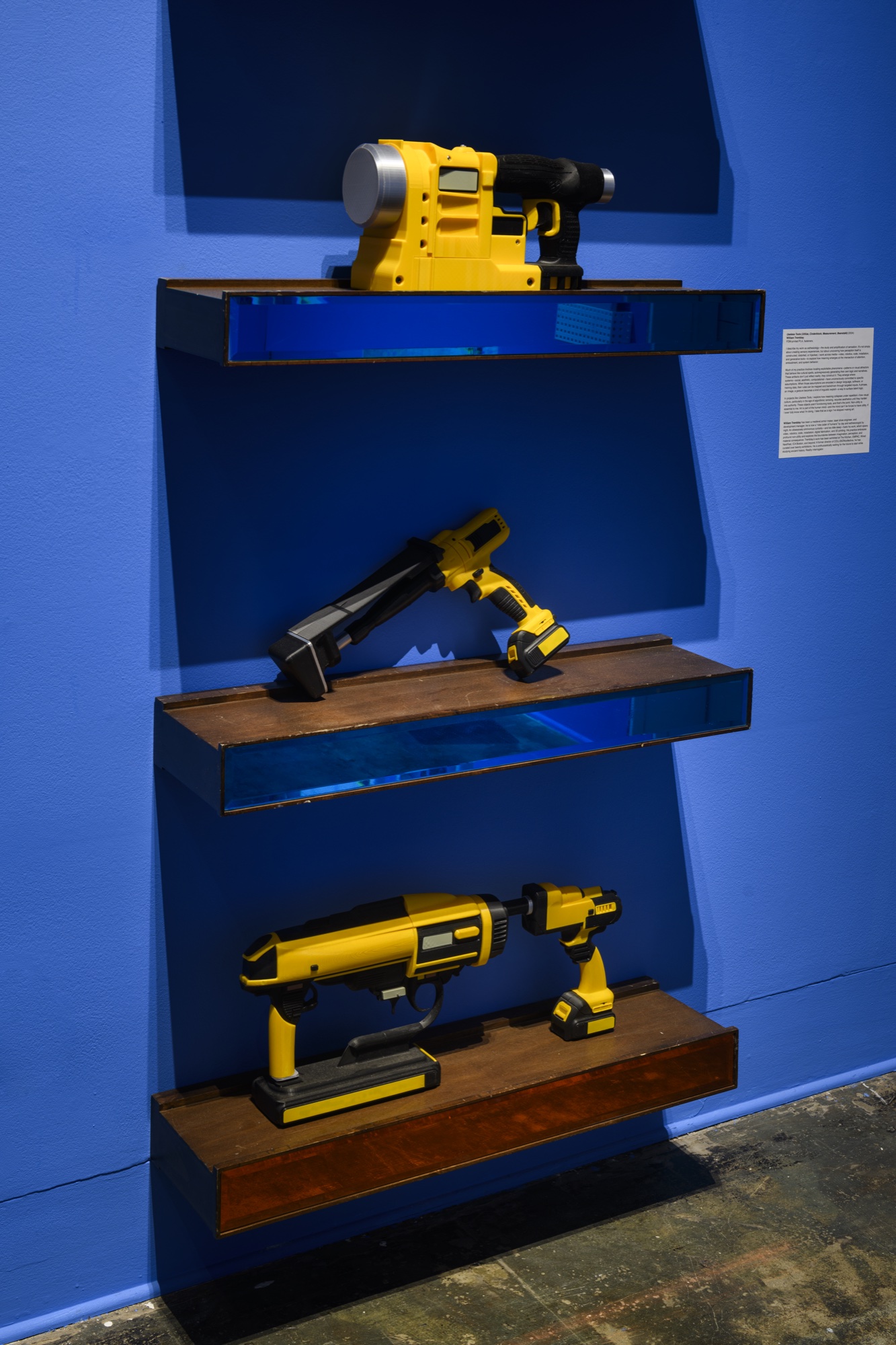
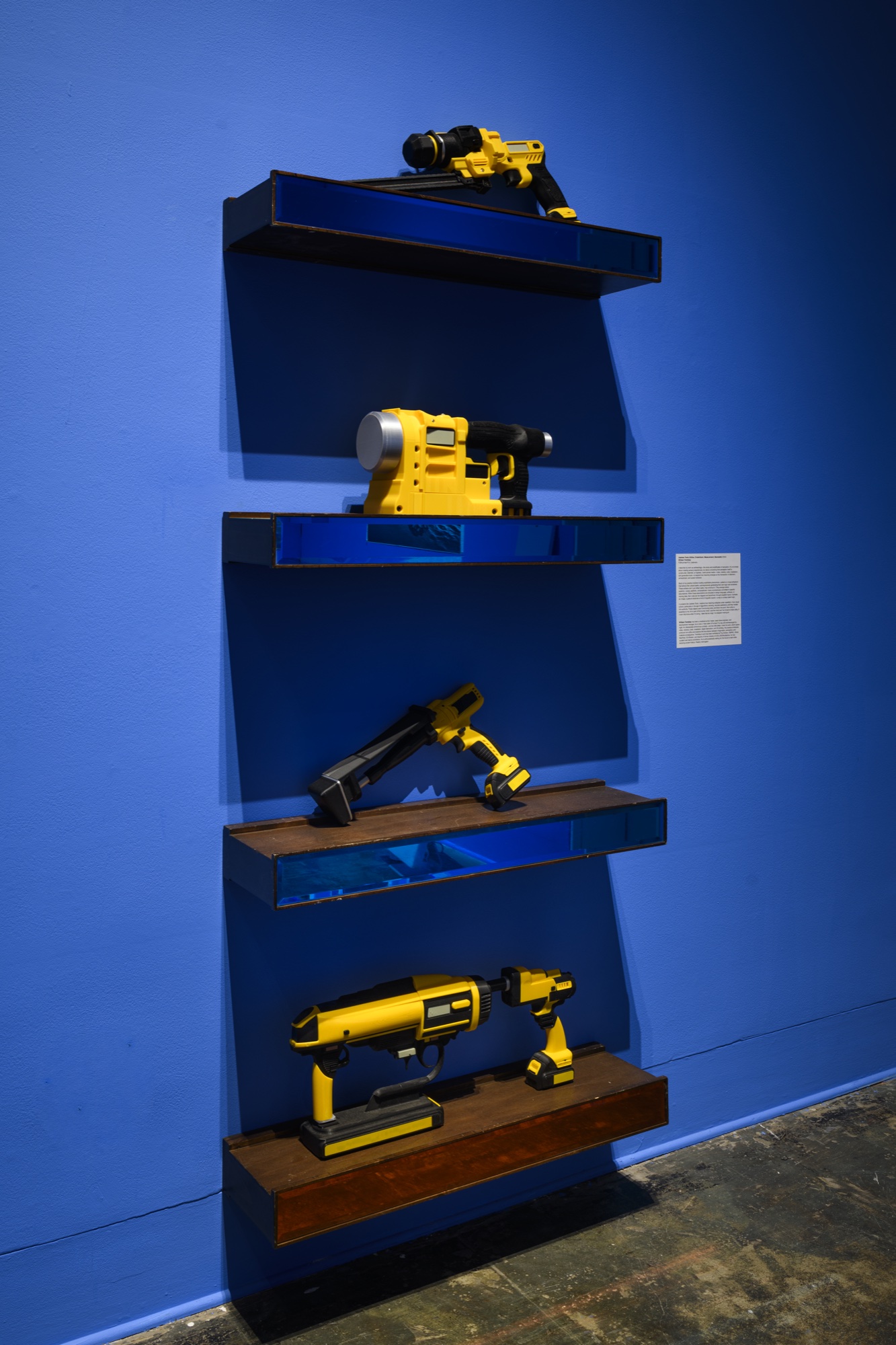
I describe my work as esthesiology—the study and amplification of sensation. It’s not simply about creating sensory experiences, but about uncovering how perception itself is constructed, distorted, or hijacked. I work across media—video, robotics, code, installation, and generative tools—to explore how meaning emerges at the intersection of attention, embodiment, and system behavior.
Much of my practice involves locating exploitable phenomena—patterns or visual attractors that behave like cultural spells, autoregressively generating their own logic and narratives. These artifacts don’t just reflect reality; they construct it. They emerge where systems—social, aesthetic, computational—have unconsciously committed to specific assumptions. When those assumptions are encoded in design language, software, or training data, their rules can be mapped and backdriven through targeted inputs. A phrase, an image, a gesture becomes a kind of linguistic exploit—a way to surface latent logic.
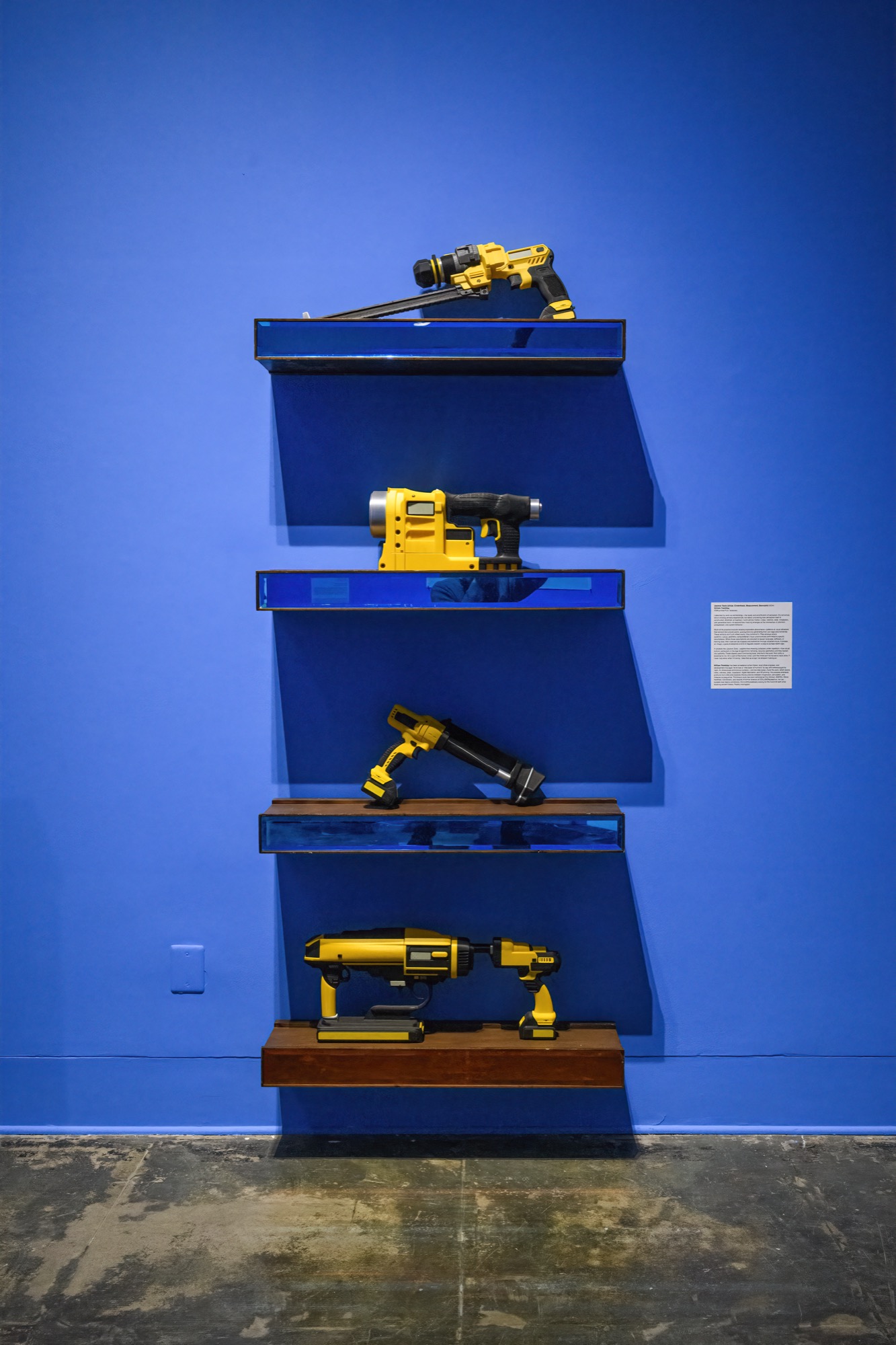
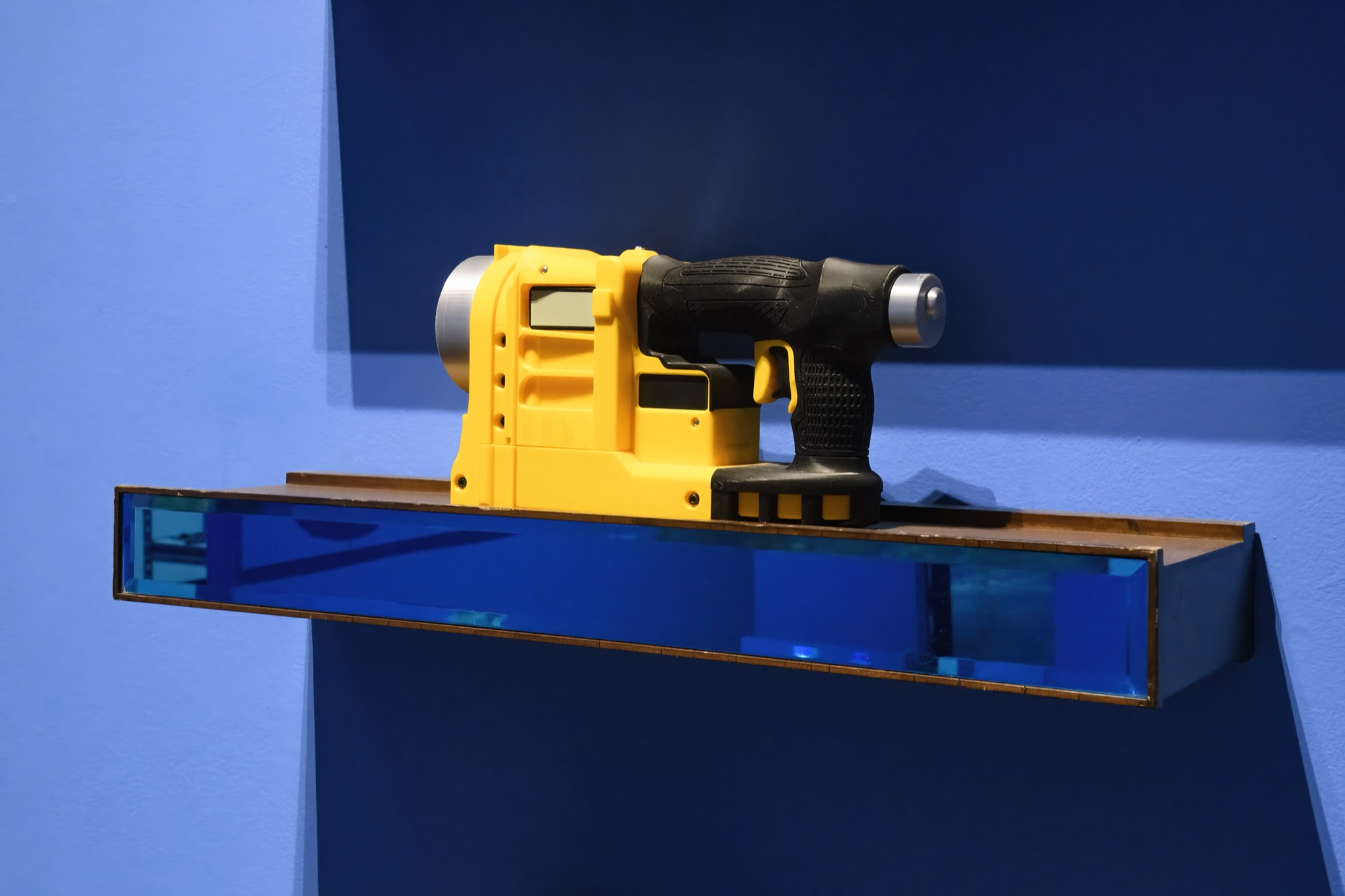
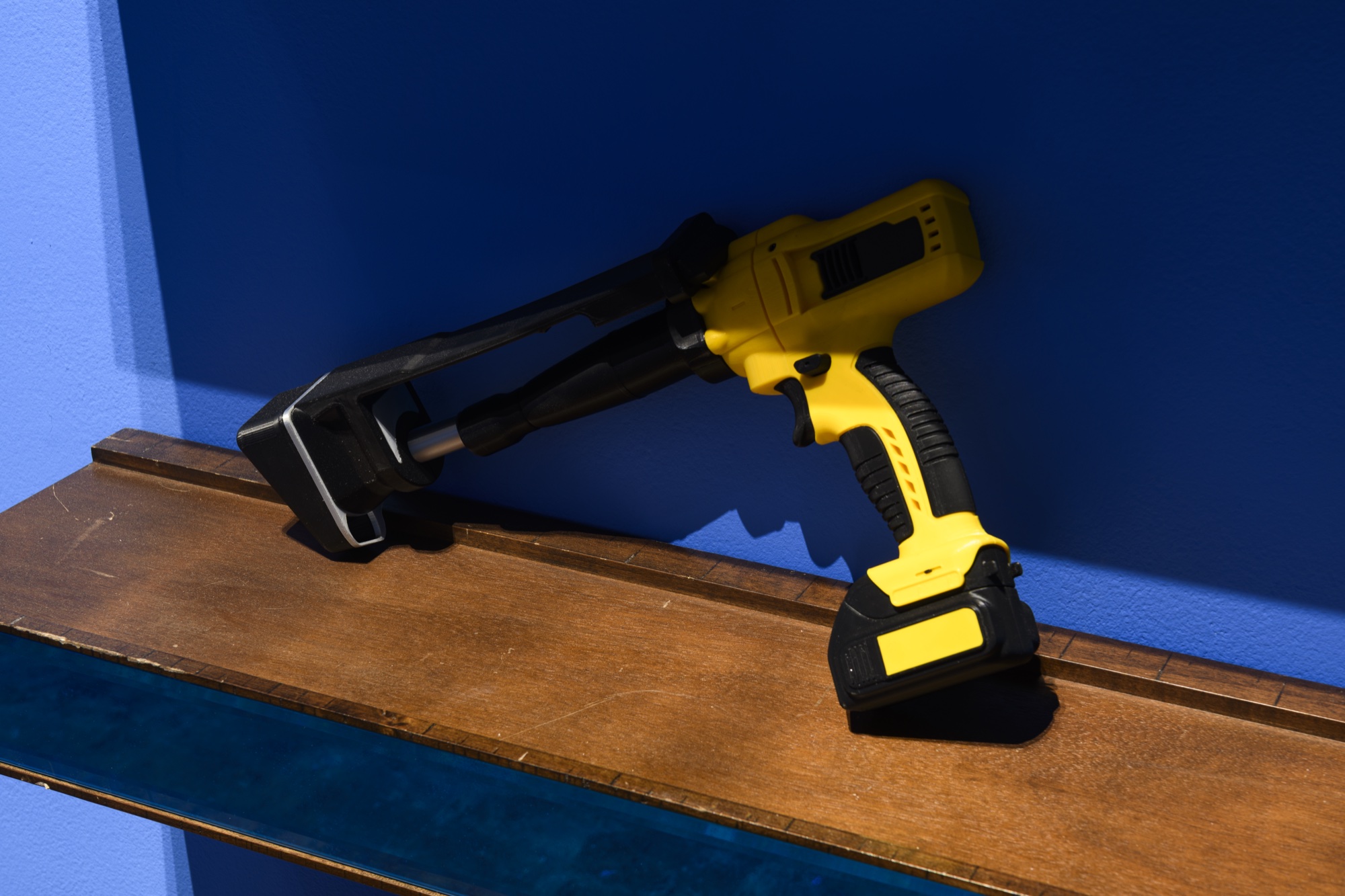
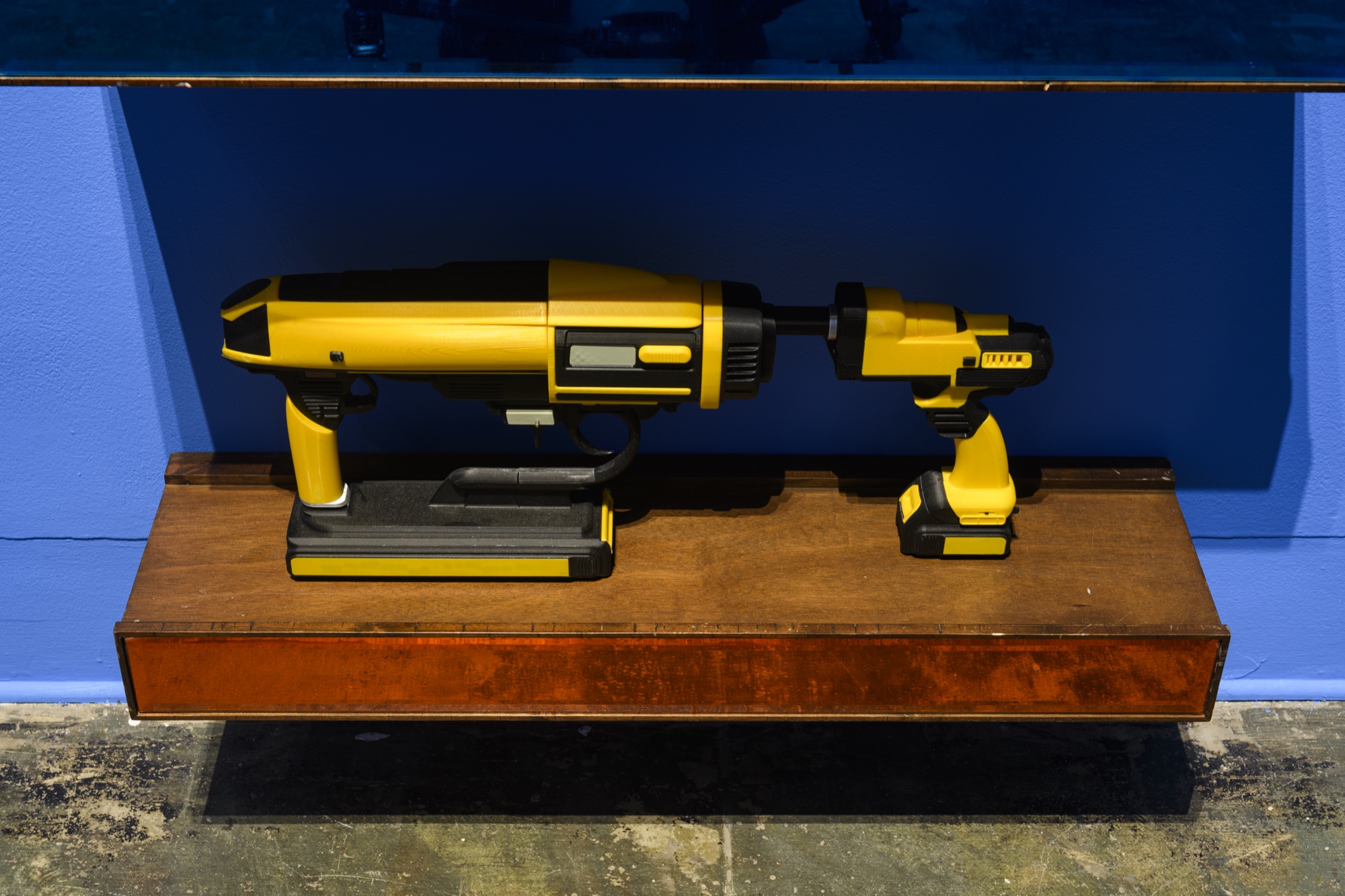
In projects like Useless Tools, I explore how meaning collapses under repetition—how visual culture, particularly in the age of algorithmic remixing, recycles aesthetics until they harden into authority. These objects aren’t functioning tools, and that’s the point. Non-utility is essential to me. Art is part of the human mind—and the mind can’t be forced to have utility. If I ever fully know what I’m doing, I take that as a sign I’ve stopped making art.
William Tremblay has been a medieval armor maker, laser show engineer, and development manager; he is now a “vibe coder of humans” by day and esthesiologist by night. An obsessively omnivorous curiosity—and too little sleep—fuels his work, which spans video, robotics, code, installation, digital fabrication, and 3D printing. His practice embraces profound non-utility and explores the boundaries between imagination, perception, and material consequence. Tremblay’s work has been exhibited at The Kitchen, EMPAC, Wired NextFest, ICA Boston, and beyond. A former director of COLLISIONcollective, he has curated over twenty exhibitions. He is enthusiastically waiting for the future to start while studying ancient history. Reality interrogator.
phenomenalities ← Also see Phase
2.5 → Return to Home →